News

Where hypotheses become headlines: Featured coverage of the breakthroughs—and the people—driving our research forward

For media inquiries, email us: [email protected]

Featured News
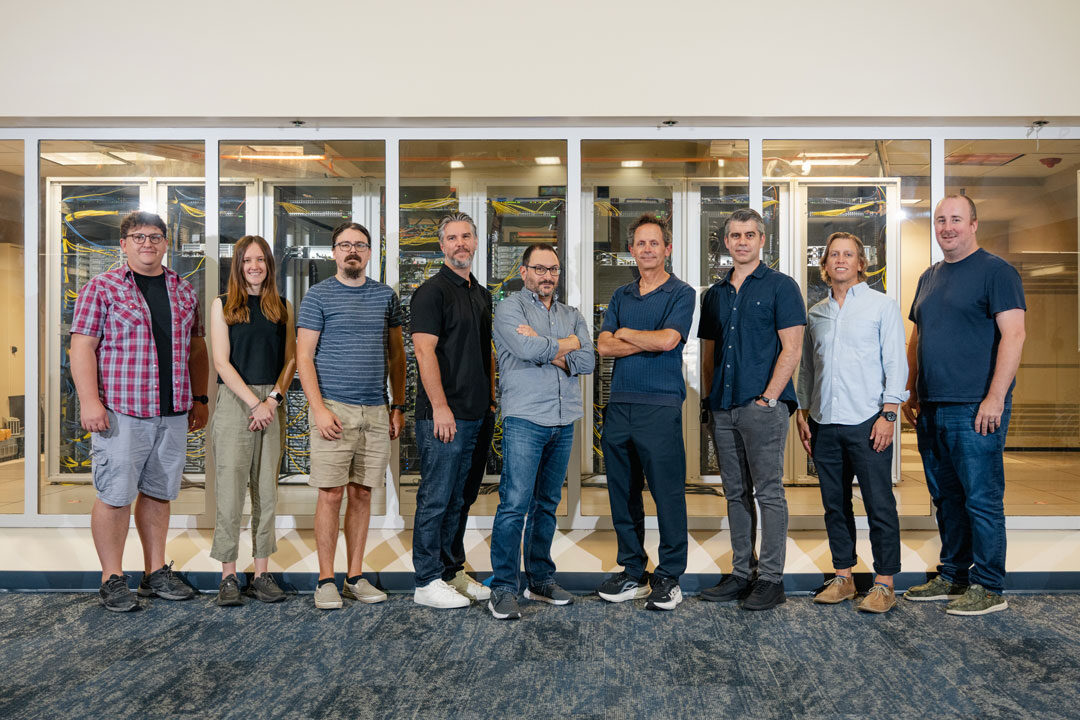
The Scripps Research scientists leading the Huang Foundation-supported projects. From left: Terrence Messmer, Sarah Burbach, Matthew Holcomb, Bryan Briney, Stefano Forli, Benjamin Cravatt, Christopher Parker, Andrew Ward and Charles Bowman.
News

Scripps Research garners major support for AI innovations in biomedicine with compute grant from Jen-Hsun and Lori Huang Foundation

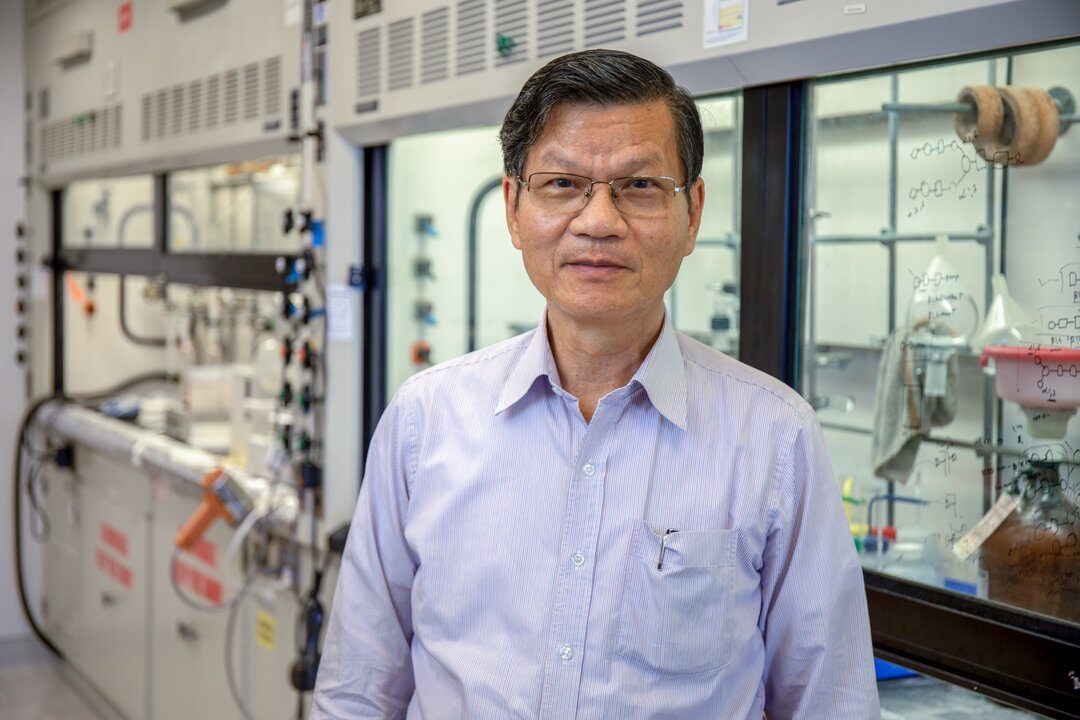
Chi-Huey Wong.
News

Scripps Research professor Chi-Huey Wong to receive ACS Alfred Bader Award

Filter by:
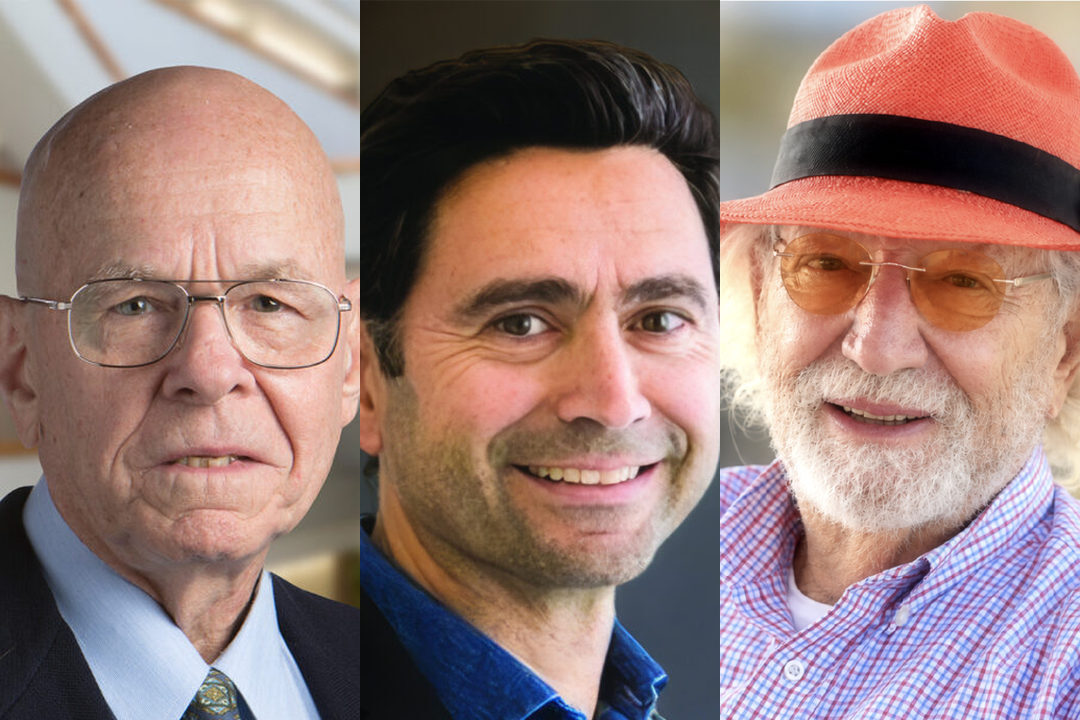
  • From left: K. Barry Sharpless, Ardem Patapoutian and Dr. Herbert Wertheim Credit: Scripps Research
    News

    Scripps Research Nobel laureates Ardem Patapoutian and K. Barry Sharpless among first honored by new Wertheim Laureate Prize

  • Ron Burkle Credit: Ron Burkle
    News

    Scripps Research names Ron Burkle chair of its Board of Directors

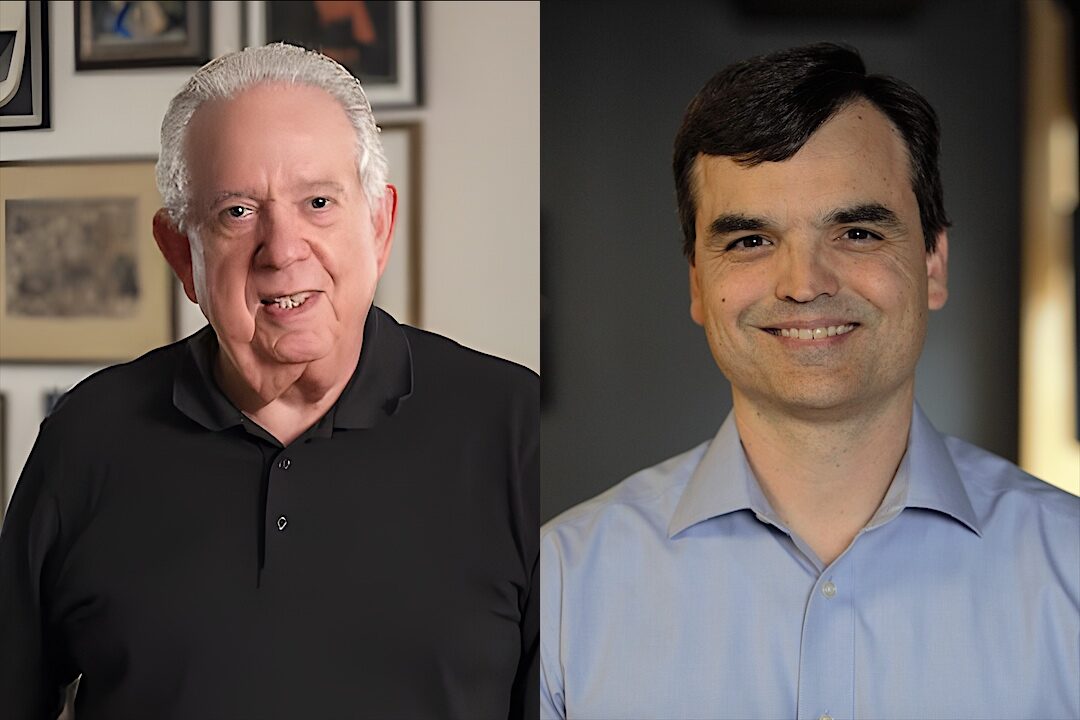
  • From left: Richard Ulevitch, professor emeritus at Scripps Research, and Rob Garbaccio, senior vice president at Merck. Credit: Scripps Research.
    News

    Scripps Research bestows inaugural Distinguished Alumni Awards

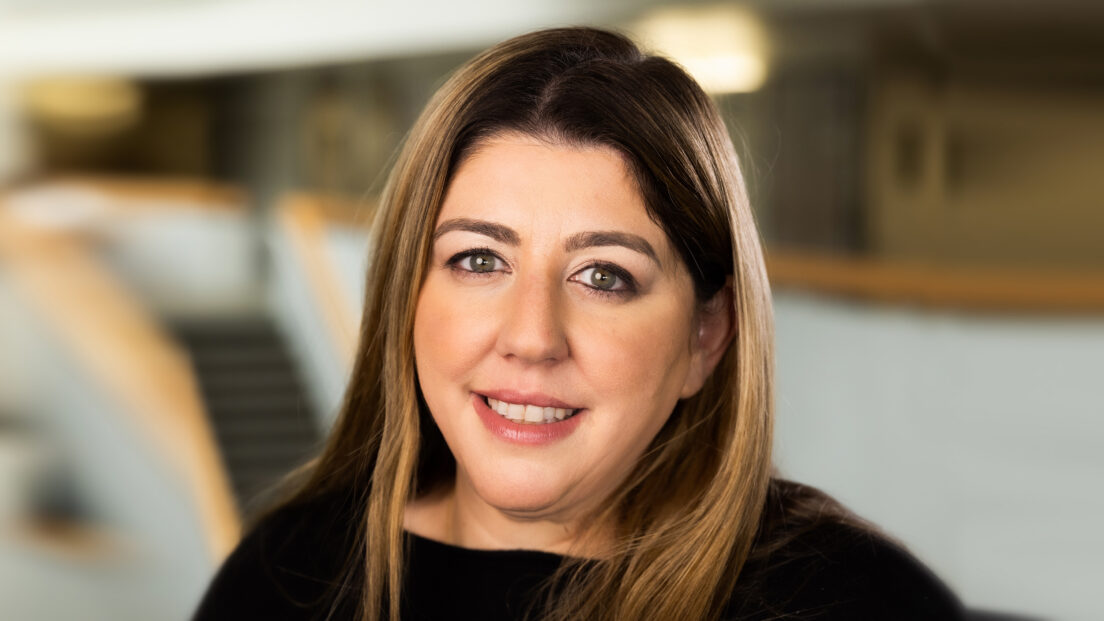
  • Keren Lasker
    News

    Scripps Research associate professor Keren Lasker receives DARPA Young Faculty Award to develop “toxin traps”

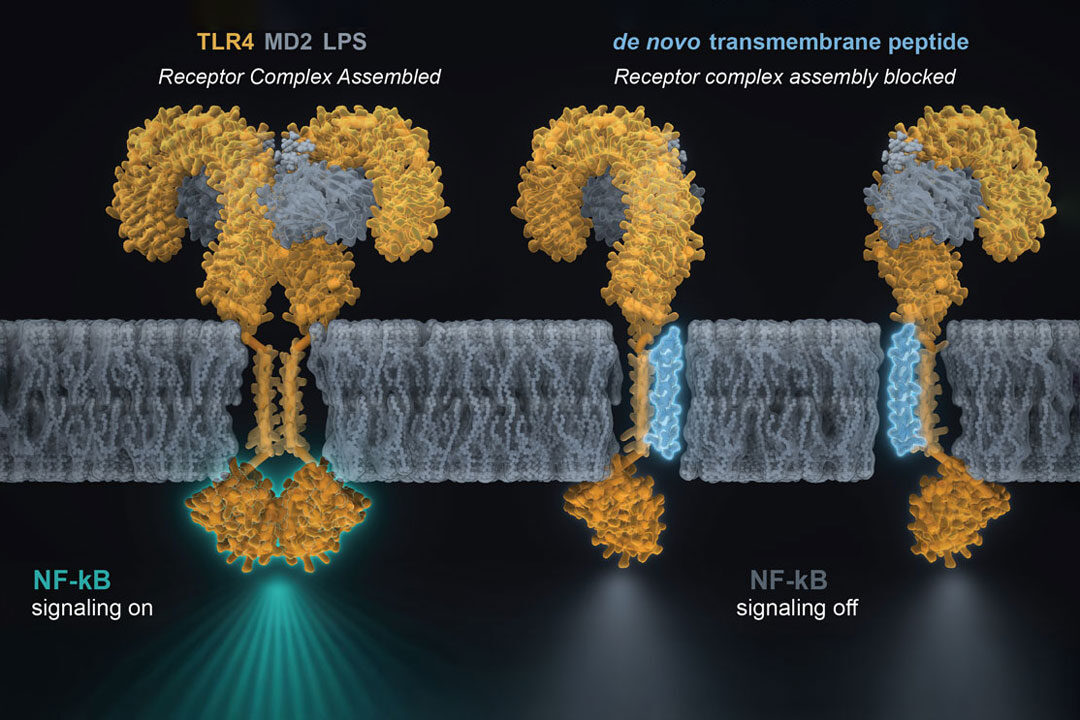
  • A newly designed transmembrane peptide (blue) binds to the TLR4 (orange) transmembrane helix, blocking receptor dimerization and reducing LPS-driven NF-κB inflammatory signaling. Credit: Scripps Research
    News

    Computer-designed protein targets immune receptor linked to inflammation at a new “undruggable” site

  • Li Ye, PhD Credit: Scripps Research
    News

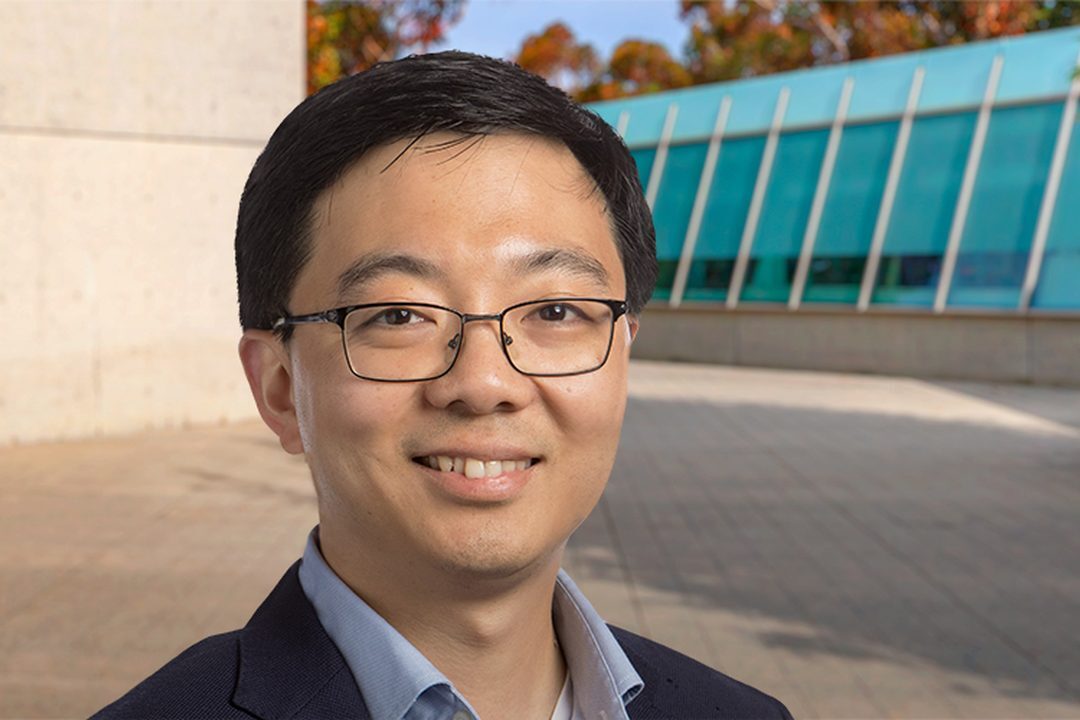
    Scripps Research professor Li Ye named finalist for Blavatnik National Awards for Young Scientists

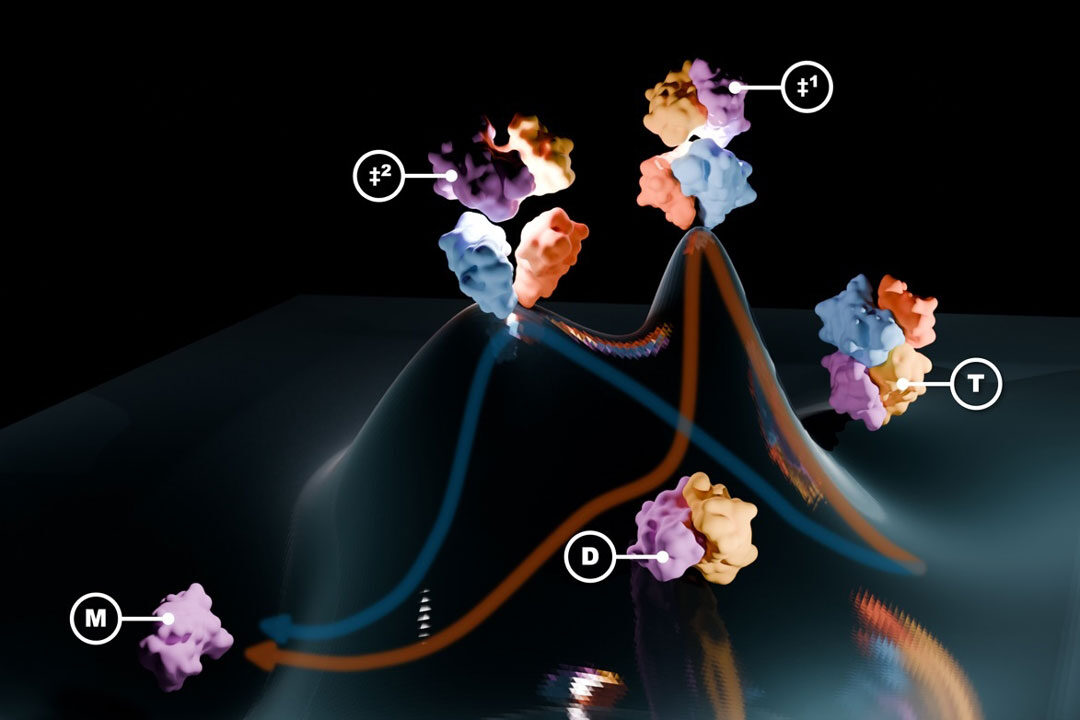
  • Dissociation of the four-part TTR protein. The energy landscape shows stable states toward the bottom and unstable transition states toward the top. In the canonical pathway (red), the tetramer (T) dissociates via a native-like, compact transition state (‡1) into transient dimer intermediates (D) before full dissociation into monomers (M). In the newly discovered alternative pathway (blue), the tetramer dissociates through a more expanded transition state (‡2) directly into monomers. Credit: Jan-Hannes Schäfer, Scripps Research
    News

    Scientists discover a new way that a disease-linked protein comes apart

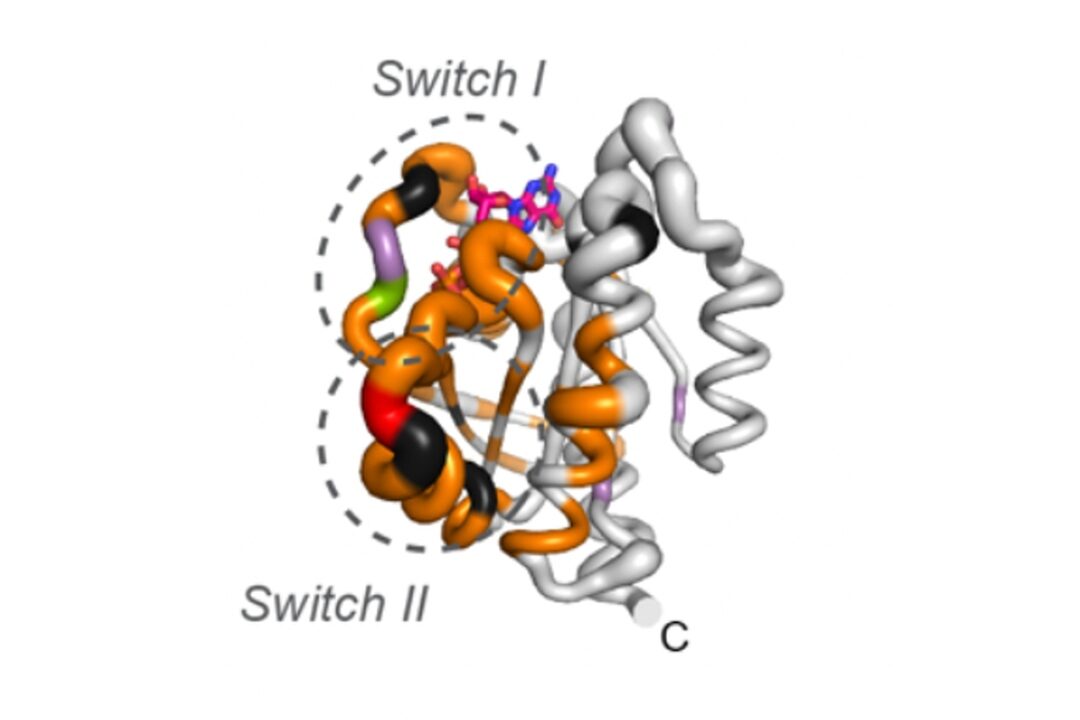
  • Dyna-1 predicted millisecond-scale movements in regions of KRAS (pictured), a cancer-associated protein that has been notoriously difficult to target. “Switch I” and “Switch II” indicate the protein’s movements in this timescale. The thickness of the circular dashed lines indicates Dyna-1’s predictions compared to the experimentally measured us-ms exchange in color.
    News

    Where milliseconds matter: Scripps Research scientists build new ML model to predict protein movements essential for biological function

  • From left: Michael Ko and Giorgio Quer
    News

    New AI algorithm could improve detection and prediction of heart diseases

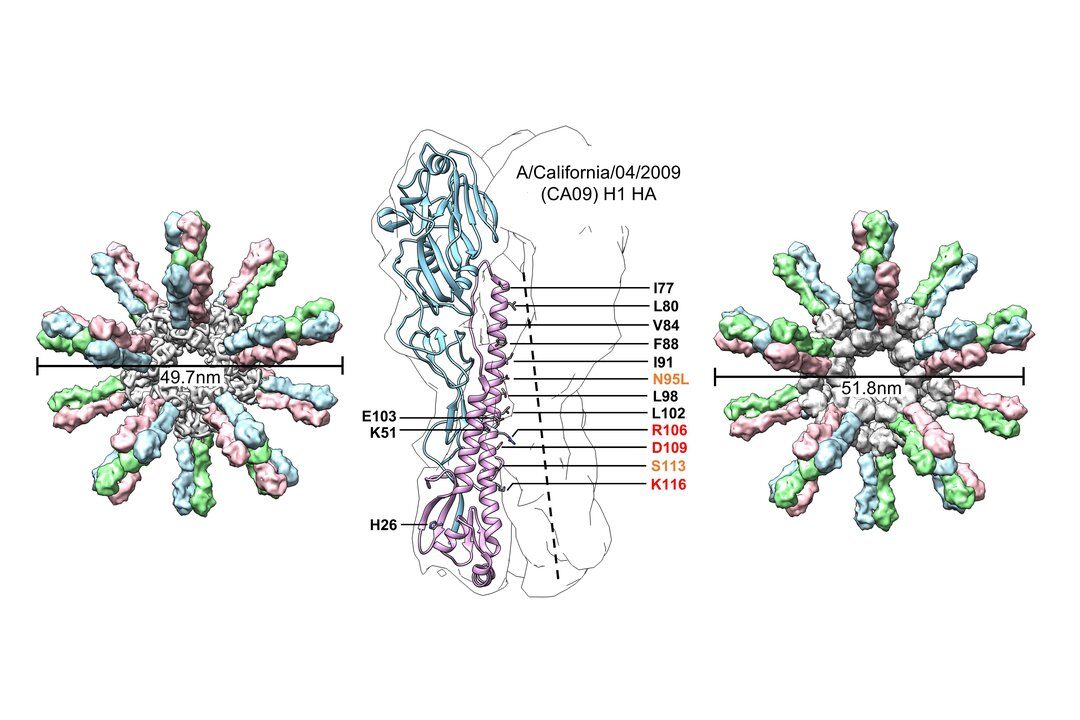
  • Image shows a stabilized CA09 influenza HA trimer, with the 60-mer self-assembling protein nanoparticle (SApNP) HA-E2p-L4P on the left and HA-I3-01v9b-L7P on the right.
    News

    New design strategy expands nanoparticle vaccine approach to influenza viruses

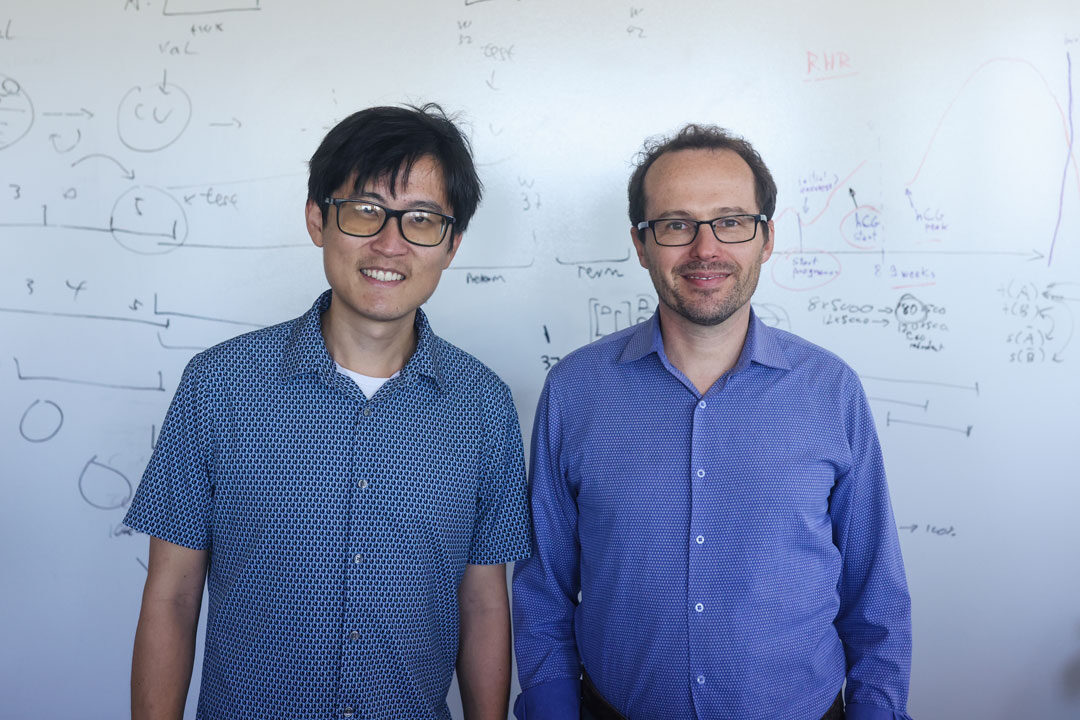
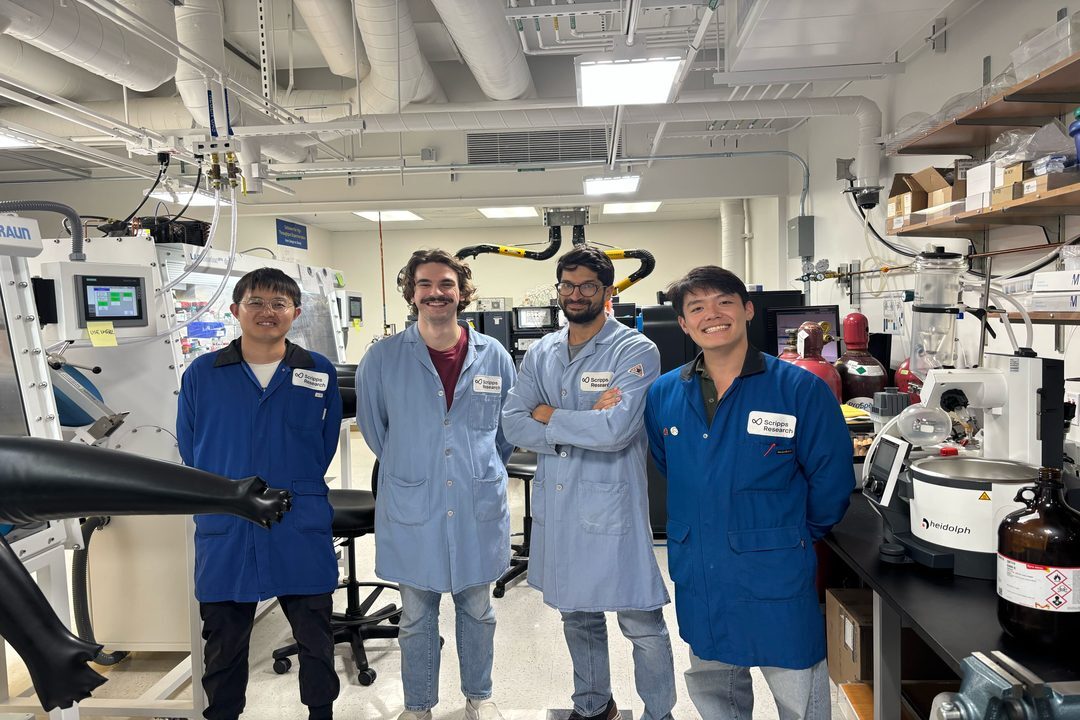
  • Left to right: Lingran Kong, Brandon Orzolek, Ryan Shenvi and Kevin Zong.
    News

    Chemists develop simpler method to make molecular building block for drug development

  • Pete Schultz, president and CEO of Scripps Research. Credit: Scripps Research
    News

    Scripps Research establishes endowed fund honoring institute president and CEO Pete Schultz

    Philanthropy
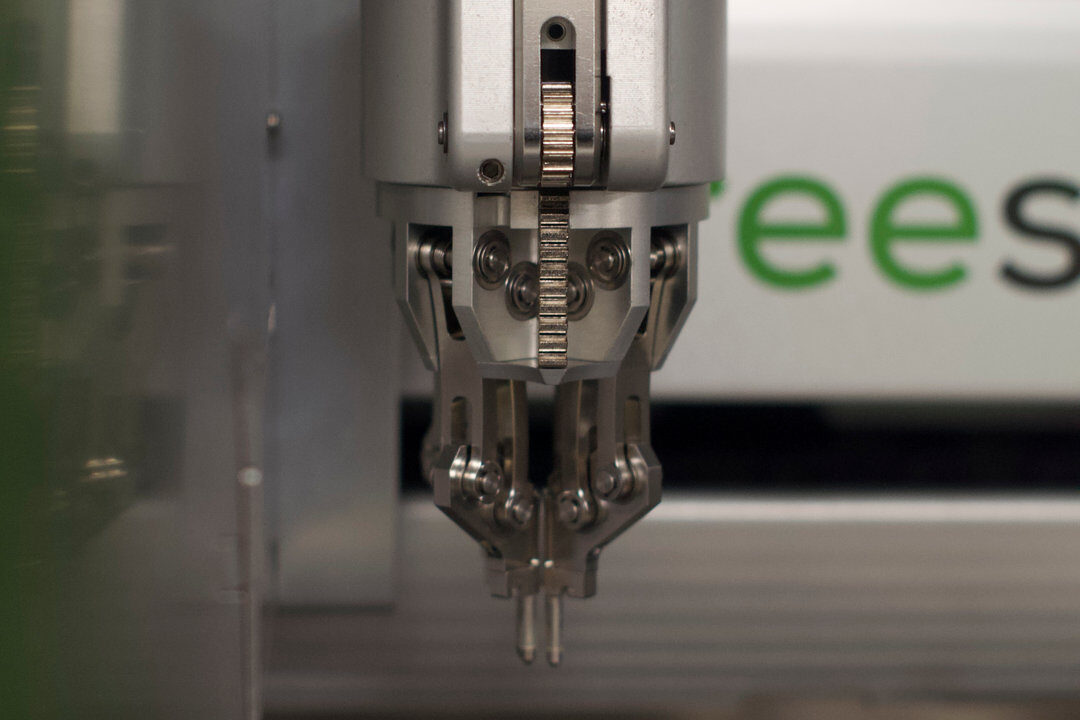
  • Vial-gripping arm of the Unchained Labs Big Kahuna, the node’s core piece of automation equipment
    News

    Scripps Research and collaborators awarded $19.5 million to establish an open-access autonomous chemistry laboratory

  • Tiantian Liu
    News

    Scripps Research scientist to receive $2.76 million NIAID New Innovators Award

  • Greg Tabor
    News

    Paying It Forward: Greg Tabor on Giving Back to the Next Generation

  • New research offers fresh insights for how to make better vaccines
    News

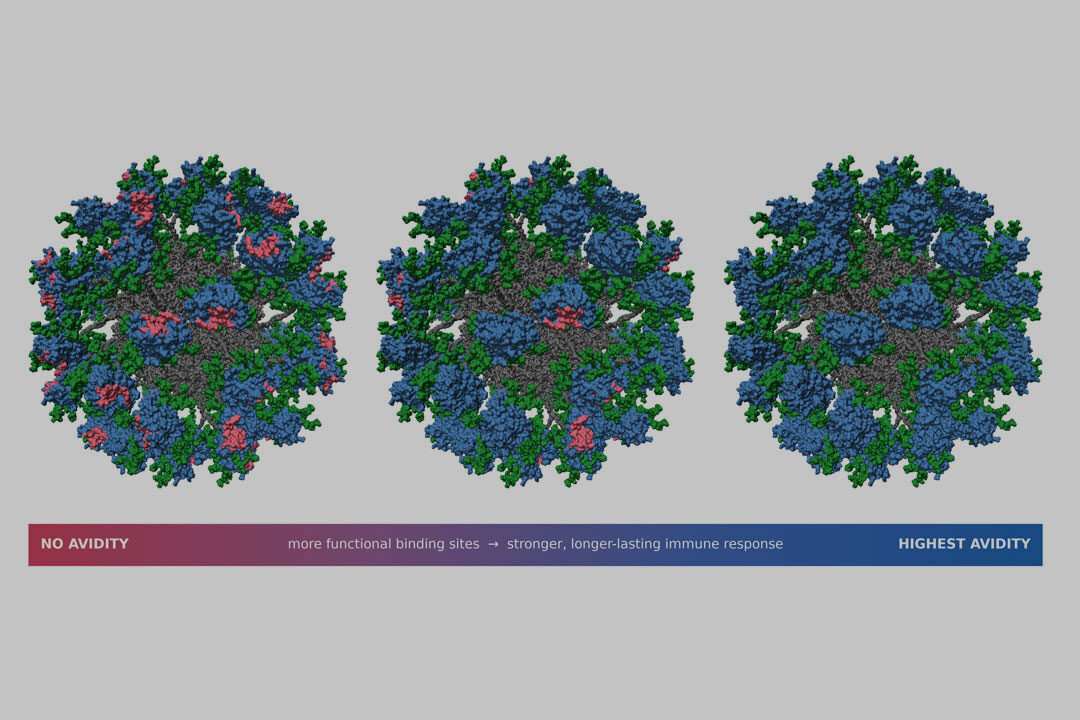
    New research offers fresh insights for how to make better vaccines

  • peter vogt
    News

    Scripps Research establishes endowed chair honoring Peter K. Vogt, influential pioneer in cancer research

  • From left, professor Xiang-Lei Yang and postdoctoral associate Huimin Zhang.
    News

    A double “off-switch” helps cells respond to stress

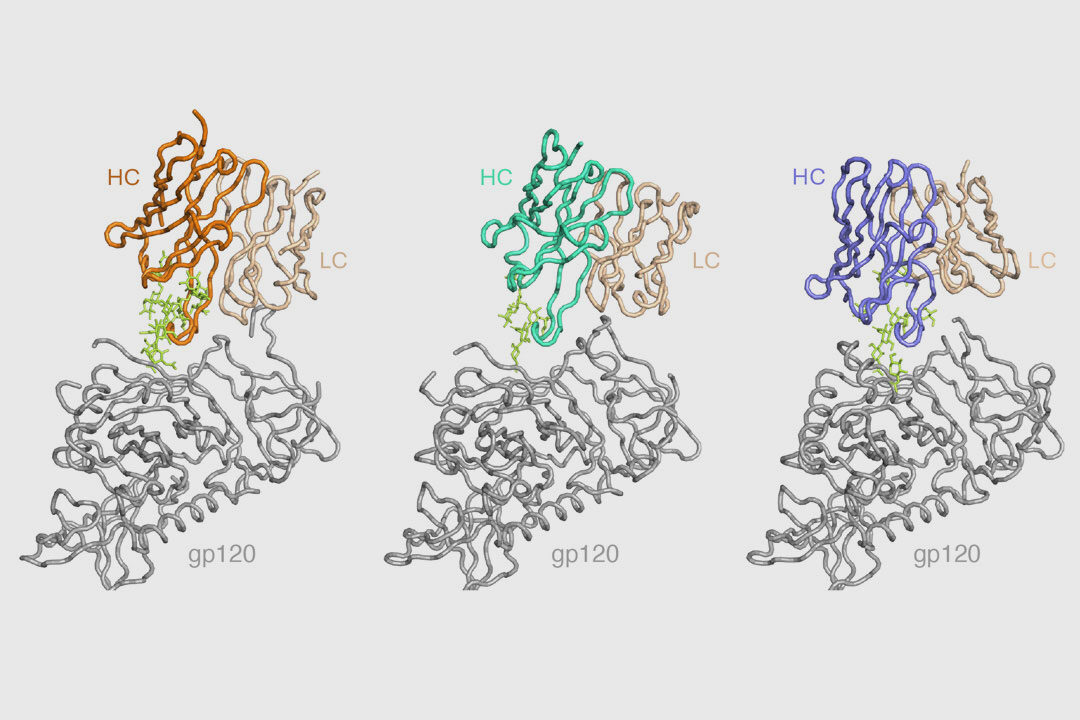
  • Scripps Research scientists train the immune system to make antibodies against numerous HIV strains
    News

    Scripps Research scientists train the immune system to make antibodies against numerous HIV strains

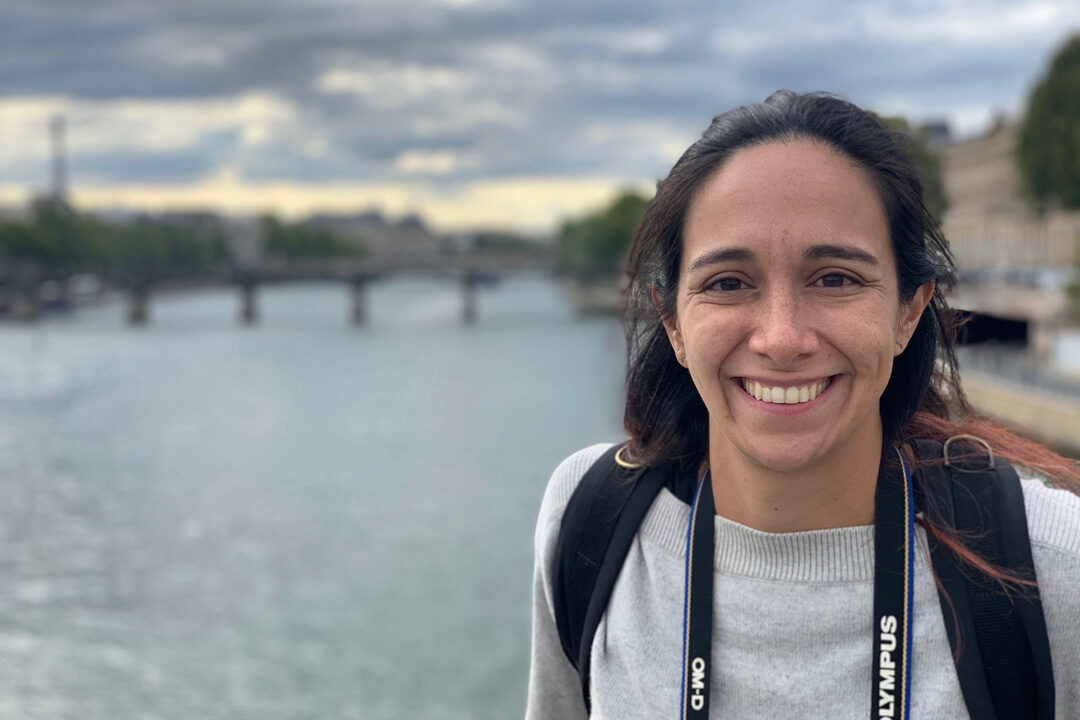
  • Joan Pulupa. Credit: Timothy White
    News

    Joan Pulupa joins Scripps Research faculty to study the organization of DNA in brain cells and its links to neurodegeneration

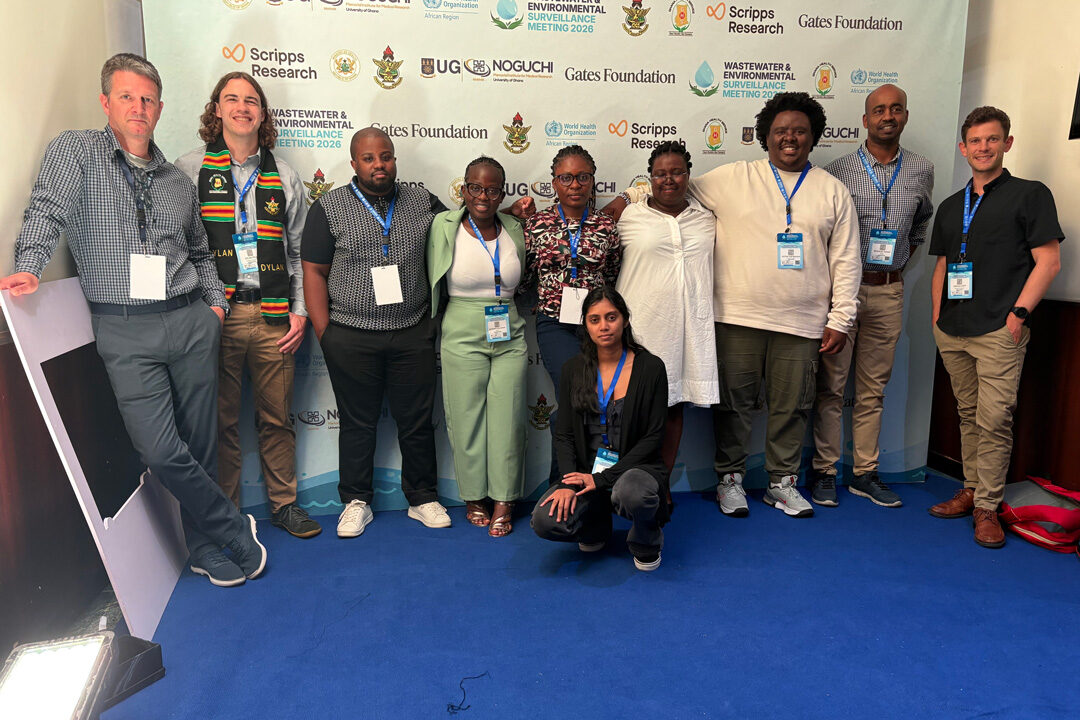
  • Scripps Research Professor Kristian Andersen (far left), Dylan Pilz (second from left) and Senior Project Scientist Josh Levy (far right) with their NICD colleagues at a recent conference in Accra, Ghana. Credit: Scripps Research
    News

    Scripps Research scientists awarded $2M to advance global disease surveillance

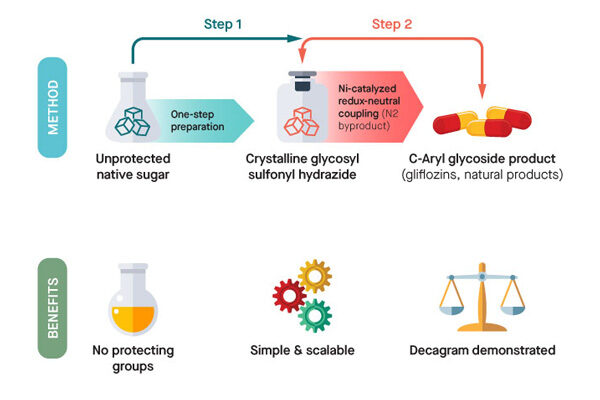
  • Scripps Research scientists demonstrate a faster, cheaper route to making critical drugs using common table sugar
    News

    Scripps Research scientists demonstrate a faster, cheaper route to making critical drugs using common table sugar

    New method illustrates how to build a tough chemical bond found in carbohydrate-based drugs, such as those for treating diabetes.

  • New research offers fresh insights for how to make better vaccines
    News

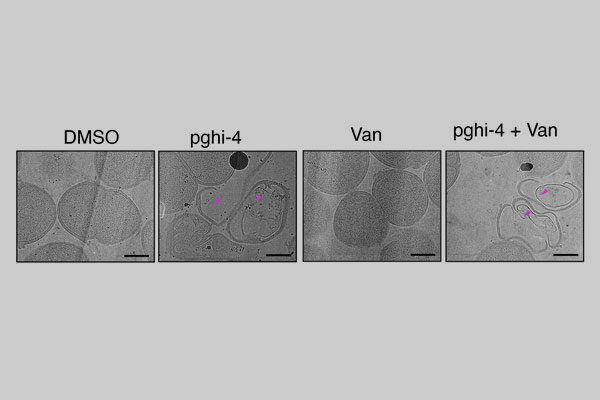
    Back in action: Researchers make drug-resistant bacteria vulnerable again

    New findings from Scripps Research show that disabling a single bacterial protein can restore vancomycin’s power against resistant bacteria–and point to a new strategy for overcoming antibiotic resistance.

  • Immune molecule may drive excessive drinking in alcohol use disorder
    News

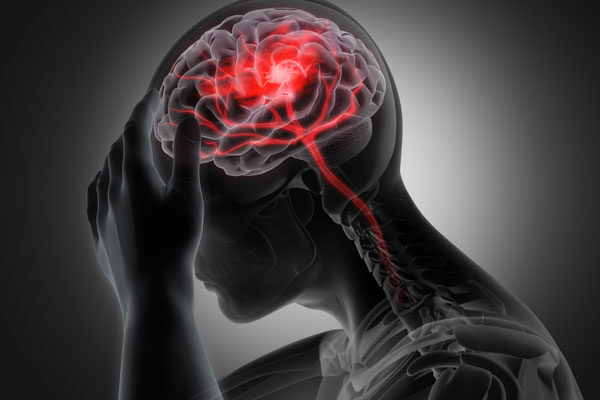
    Immune molecule may drive excessive drinking in alcohol use disorder

    Scripps Research scientists showed that blocking an immune molecule tied to inflammation reduced alcohol consumption in mice.

Groundbreaking Science.
Life-changing Medicine.