Science Changing Life Podcast
Media Inquiries: [email protected]
-
 PodcastExplore
2025 Year in Review: Five insights we’re still thinking about
In a special year-end episode of Science Changing Life, we’re revisiting five moments from 2025 that continue to shape how we think about science. Featuring insights from Scripps Research experts across genetics, infectious disease, public health surveillance and chronic illness, this episode features some of this year’s most memorable soundbites.
Alcohol Use Disorder Long COVID -
 PodcastExplore
What’s next for IBD care: Insights from a surgeon-scientist
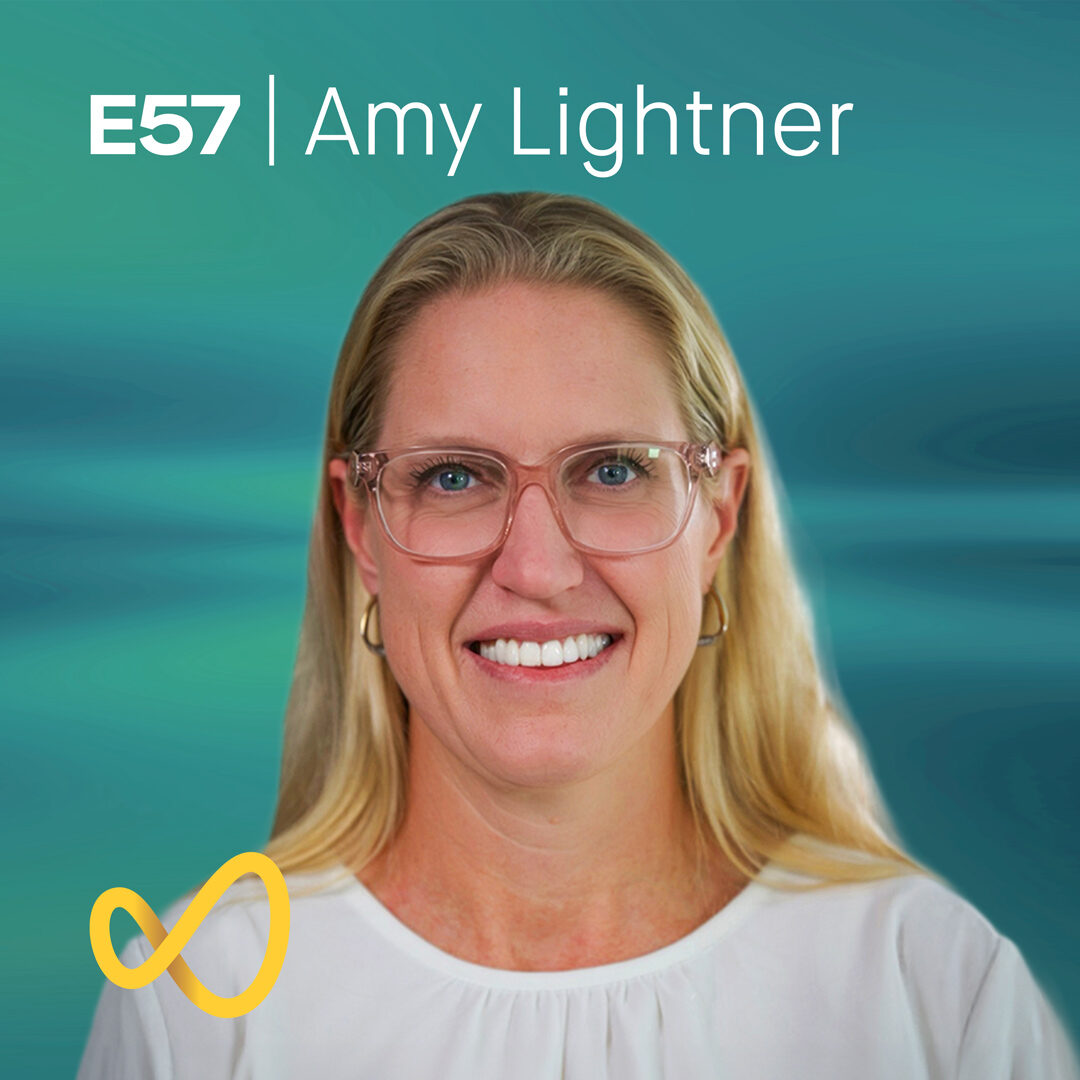
The data is clear: inflammatory bowel diseases like ulcerative colitis and Crohn’s are on the rise worldwide. In this episode, we sit down with Dr. Amy Lightner—VP of Clinical Development at Calibr-Skaggs and colorectal surgeon at Scripps Clinic—to explore what drives these diseases, an upcoming phase 2 clinical trial for a new regenerative medicine, and how she balances life between the operating room and the research lab.
-
 PodcastExplore
A word to the wise: Scientists offer their best career and life advice
This year on Science Changing Life, we’ve had some amazing scientists join us to share their work, their stories and what drives them. There’s one question we love to ask our guests: What advice would you give to scientists just starting out? We compiled their refreshingly honest answers into one episode—hear what they had to say.
-
 PodcastExplore
Wired for risk: Cindy Ehlers on the science of addiction and mental health
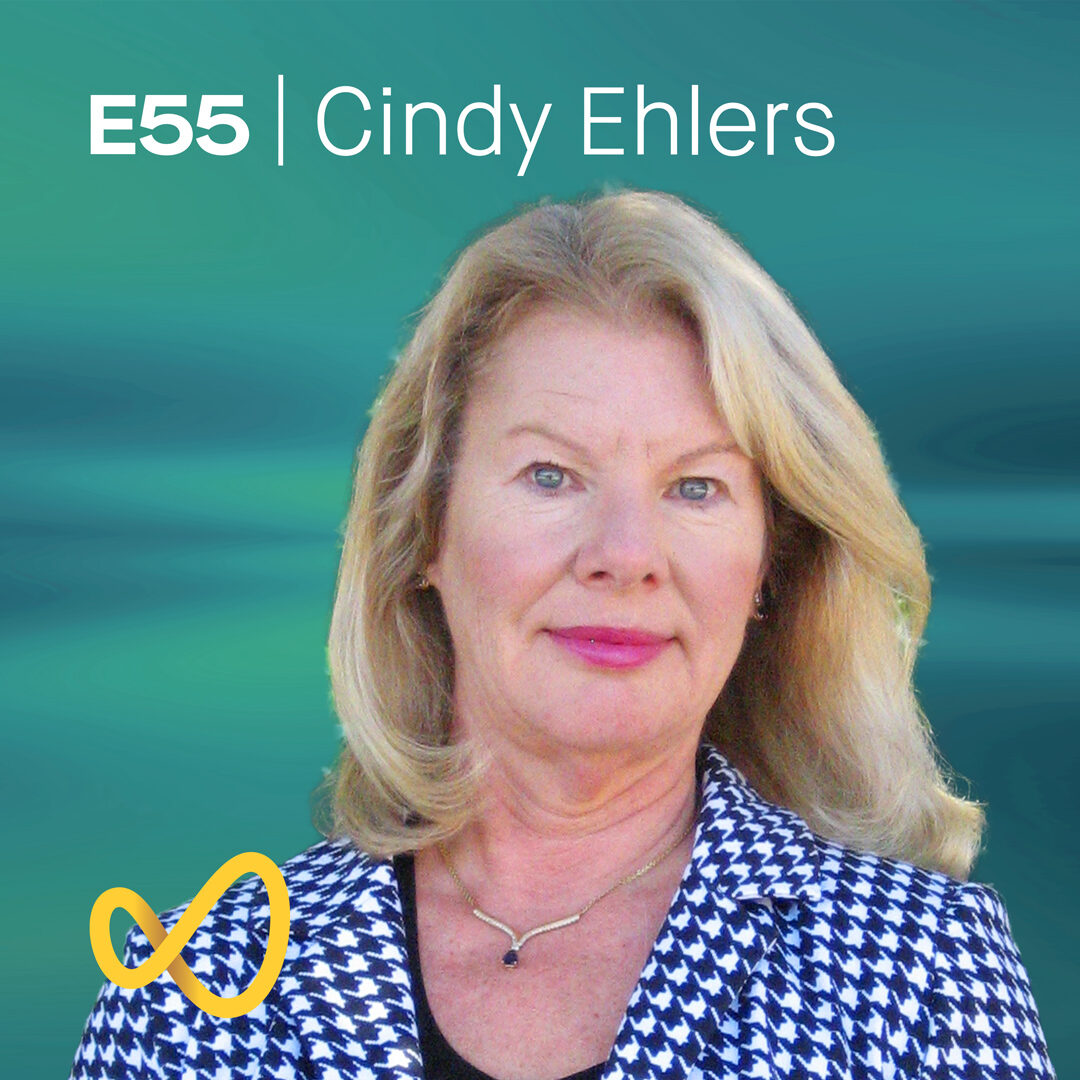
Depression and alcohol dependence are often seen as personal struggles—but decades of study by Scripps Research professor Cindy Ehlers reveal a much bigger picture. In this episode of Science Changing Life, Ehlers breaks down how biology, culture and trauma interact to shape mental health outcomes. Learn how her work is paving the way for more effective interventions, and how new strategies—like culturally grounded prevention programs and digital tools—can reduce harm in high-risk communities.
-
 PodcastExplore
Pathogens in the pipeline: How wastewater holds clues to the next pandemic
What if the key to detecting the next pandemic was hidden in our wastewater? By analyzing pathogens found in sewage, scientists can track the spread of infections before they become widespread threats. In this episode of Science Changing Life, project scientist Josh Levy and PhD student Praneeth Gangavarapu explain how analyzing what goes down the drain can offer life-saving insights into the future of public health. Learn more about the role of wastewater surveillance in tracking a range of viruses—including SARS-CoV-2, H5N1 and even seasonal influenza.
-
 PodcastExplore
Virologist gives update on H5N1, mpox, and preparing for an uncertain future
Roughly two years ago, virology expert and Scripps Research professor Sumit Chanda sat down with Science Changing Life to discuss all things pandemic preparedness and COVID-19. But the world is in a very different place now, with infectious disease threats like H5N1, mpox and Dengue virus on the rise. Chanda joins us once again to share the latest in the virology space, how scientists can be better communicators, and his advice for making sure we’re as prepared for an uncertain future as we can be.
Immunology & Microbiology virology -
 PodcastExplore
The long haul: Personal and scientific insights into long COVID with Julia Moore Vogel
Long COVID affects millions of people worldwide, yet many questions about the condition remain unanswered. In this episode of Science Changing Life, Julia Moore Vogel, PhD, shares what it’s like to study—and live with—long COVID. As the senior director of the All of Us Research Program, Julia discusses how her experience has fueled innovative research to improve symptom management and health equity for patients with the condition. Listen in to learn how Julia transforms personal challenges into professional breakthroughs.
Translational Institute Long COVID -
 PodcastExplore
Futureproof: Eric Topol on revolutionizing pandemic preparedness
In the second part of our conversation with Dr. Eric Topol, we explore how examining the past is necessary to ensure we’re more prepared for our future. From universal vaccines and advanced antiviral therapies to cutting-edge digital tools like wearable biosensors and genomic surveillance, Dr. Topol shares actionable insights on harnessing technology and data to revolutionize pandemic preparedness. Listen in as we discuss the path to a safer, healthier future.
-
 PodcastExplore
Beyond the hype: AI’s impact on medicine and science with Eric Topol
Artificial intelligence is revolutionizing what we once thought impossible. But how can we distinguish genuine breakthroughs from mere hype? In this episode of Science Changing Life, we welcome Eric Topol, MD—renowned physician, scientist, and author. As executive vice president at Scripps Research and founder of the Scripps Research Translational Institute and The Gary and Mary West Chair of Innovative Medicine, Dr. Topol shares his thoughts on how AI is transforming science and medicine today and offers a glimpse into what the future may hold. His advice to listeners? 'Be open to change.'
-
 PodcastExplore
Shannon Miller: Gene editing, CRISPR, and drawing the line between science and fiction
Thanks to revolutionary technologies like CRISPR, we’re now living in an age where it’s becoming possible to rewrite the very building blocks of life itself—our DNA. We sit down with Scripps Research Fellow and CRISPR expert Shannon Miller, PhD, to discover how these gene editing technologies are poised to reverse a range of diseases. Listen in as we explore Shannon’s unique journey into science—beginning not with a single eureka moment, but instead with a passion for creativity and discovery.
-
 PodcastExplore
Arnab Chatterjee: Everything we know about H5N1 bird flu
Four years after the onset of the COVID-19 pandemic, another virus threatens to reach pandemic potential: the H5N1 bird flu. We sit down with Arnab Chatterjee, executive vice president at Calibr-Skaggs, who explains the need to invest in the best science to make sure we’re more prepared than we were for the SARS-CoV-2 outbreak. Chatterjee breaks down how likely it is for H5N1 to become transmitted between humans, and the steps we can take now to better protect ourselves in the future.
-
 PodcastExplore
Xin Jin: Building a ‘telescope’ for the brain
Galileo’s telescope revolutionized our modern understanding of the universe. Assistant neuroscience professor Xin Jin, PhD, wants to do just that—except for the brain. By building new tools that enable her and other neuroscientists to peer into the inner workings of the mind, Jin is uncovering the cells, genes and other complex drivers behind neurological diseases. Listen in as we explore the galaxy of the brain.
Neuroscience Autism Spectrum Disorder -
 PodcastExplore
Hugh Rosen: A physician-scientist’s guide to developing medicines
More than 90% of drugs fail to make it from the lab bench to approval. How, then, has a physician-scientist like Hugh Rosen found so much success in developing medicines? Rosen, who’s the chair of the Molecular and Cellular Biology Department and the Pearson Family Chair at Scripps Research, co-invented the drugs ozanimod (approved for multiple sclerosis and ulcerative colitis) and navacaprant (in Phase 3 trials for major depressive disorder). In this episode of Science Changing Life, listen in as Rosen unveils the success stories behind these groundbreaking treatments—shedding light on the challenges and triumphs shaping modern medicine.
-
 PodcastExplore
Donna Blackmond: Solving the origins of life and other mysteries in chemistry
Donna Blackmond never thought her career would lead to solving how life first formed on the prebiotic Earth. But as she points out in this episode of Science Changing Life, does any scientist start out knowing where their research will take them? Blackmond, who is a professor and the John C. Martin Endowed Chair in Chemistry at Scripps Research, shares how her wide-ranging background across chemistry and chemical engineering is helping answer some of today’s biggest questions in science and medicine.
-
 PodcastExplore
Jay Pandit: How biosensors are enabling a new era in medicine
Dr. Jay Pandit is a senior director of digital medicine at the Scripps Research Translational Institute and an assistant professor in the Department of Translational Medicine at Scripps Research, where he combines medicine and technology to improve patients’ clinical outcomes. Listen in as we explore how biosensors and wearable technologies are enabling users to take control of their own health data and usher in a new era of personalized medicine.
-
 PodcastExplore
Ahmed Badran: Bioengineering our way out of climate change
Ahmed Badran is an assistant professor of chemistry at Scripps Research, where his lab harnesses synthetic biology to address some of biggest global problems. Listen in as we discuss reengineering plant enzymes to capture carbon, plastic-eating bacteria and new classes of antibiotics that spare our gut microbiome.
-
 PodcastExplore
Mia Huang: How sugar biology can help diagnose and treat cancer
Professor Mia Huang is based in the Department of Chemistry at Scripps Research, where her lab explores how vital sugar molecules in the body orchestrate complex biological events. Listen in as we discuss deciphering cancer cell signals to develop new therapies, engineering red blood cells for transfusions and how to become a master of strategy.
-
 PodcastExplore
Ram Krishnamurthy: Astrobiology, origins of life and the search for extraterrestrials
Professor Ram Krishnamurthy is based in the Department of Chemistry at Scripps Research, where his lab investigates the reactions that could have first given way to life on Earth. Listen as we discuss finding biological building blocks on meteorites, NASA’s search for life on other planets, and staying grounded with philosophy and meditation.
-
 PodcastExplore
Sumit Chanda: How can we prepare for the next pandemic?
Professor Sumit Chanda is an infectious disease expert and immunologist, where he works both in the Department of Immunology and Microbiology and at Calibr, Scripps Research’s nonprofit drug discovery and development division. He has devoted his career to understanding how the immune system responds to numerous viruses, such as influenza, Dengue virus and SARS-CoV-2. Listen as we discuss everything from pandemic preparedness to drug discovery, as well as his unrelenting drive to uncover new treatment options—including for COVID-19.
-
 PodcastExplore
Ali Torkamani: Preventing heart disease with personalized genetic testing
Professor Ali Torkamani is the Director of Genome Informatics at the Scripps Research Translational Institute, where his team mines population-level genetic data to make predictions about future disease risk. Listen in as we discuss smartphone apps that could help predict the risk of a heart attack, the addition of genetic data to biosensors of the future and the use of video games as an introduction to data science.
-
 PodcastExplore
Danielle Grotjahn: What mitochondria tell us about disease, stress and cell death
Are the mitochondria truly the powerhouses of the cell? In this episode, assistant professor Danielle Grotjahn shares why she thinks “the stress sensors of the cell” may be a more appropriate name for this cellular organelle–and more. Dr. Grotjahn works in the Department of Integrative Structural and Computational Biology at Scripps Research, where her lab is answering how mitochondrial networks change shape in response to genetic, pharmacological or environmental stress. Listen as we talk about the links between mitochondrial dysfunction and disease, cell death, and the cutting-edge imaging technologies that are enabling Grotjahn and her team to peer into the mysteries of the mitochondria.
-
 PodcastExplore
Stuti Jaiswal: Improving sleep health with wearable devices
Dr. Stuti Jaiswal is an assistant professor of translational medicine at Scripps Research and an internist at Scripps Clinic. Listen in as we discuss the health issues associated with insufficient sleep, the best time to go to bed and what the latest wearables can tell us about our sleep patterns.
-
 PodcastExplore
Evert Njomen: Hacking our cellular recycling system to prevent the next deadly pathogen
Dr. Evert Njomen is a postdoctoral researcher in the lab of Professor Ben Cravatt, based in the Department of Chemistry. Listen as we talk about the autophagy process to cleanse cells, new ways of dealing with antibiotic resistance and cooking with homegrown herbs.
-
 PodcastExplore
Andrew Su: How artificial and community intelligence are shaping medicine
Professor Andrew Su is based in the Department of Integrative Structural and Computational Biology, where his lab develops digital tools to draw conclusions from the vast streams of medical data generated each day. Listen to us discuss gaming as a way of being a scientist, the replacement of doctors with machine-learning and your Netflix watching history.
-
 PodcastExplore
Travis Young: Finding a cure for cancer with novel immunotherapies
Dr. Travis Young is the Vice President of Biologics at Calibr, the drug discovery and development division of Scripps Research. Travis and the team have created a new type of immunotherapy called "switchable" chimeric antigen receptor (CAR) T-cell therapy, which is already delivering precise and powerful therapies to patients with the most difficult to treat cancers. Listen as we talk about reengineering an individual’s immune T cells, promising clinical trials in leukemia and lymphoma patients, and using similar approaches to treat autoimmune diseases.
-
 PodcastExplore
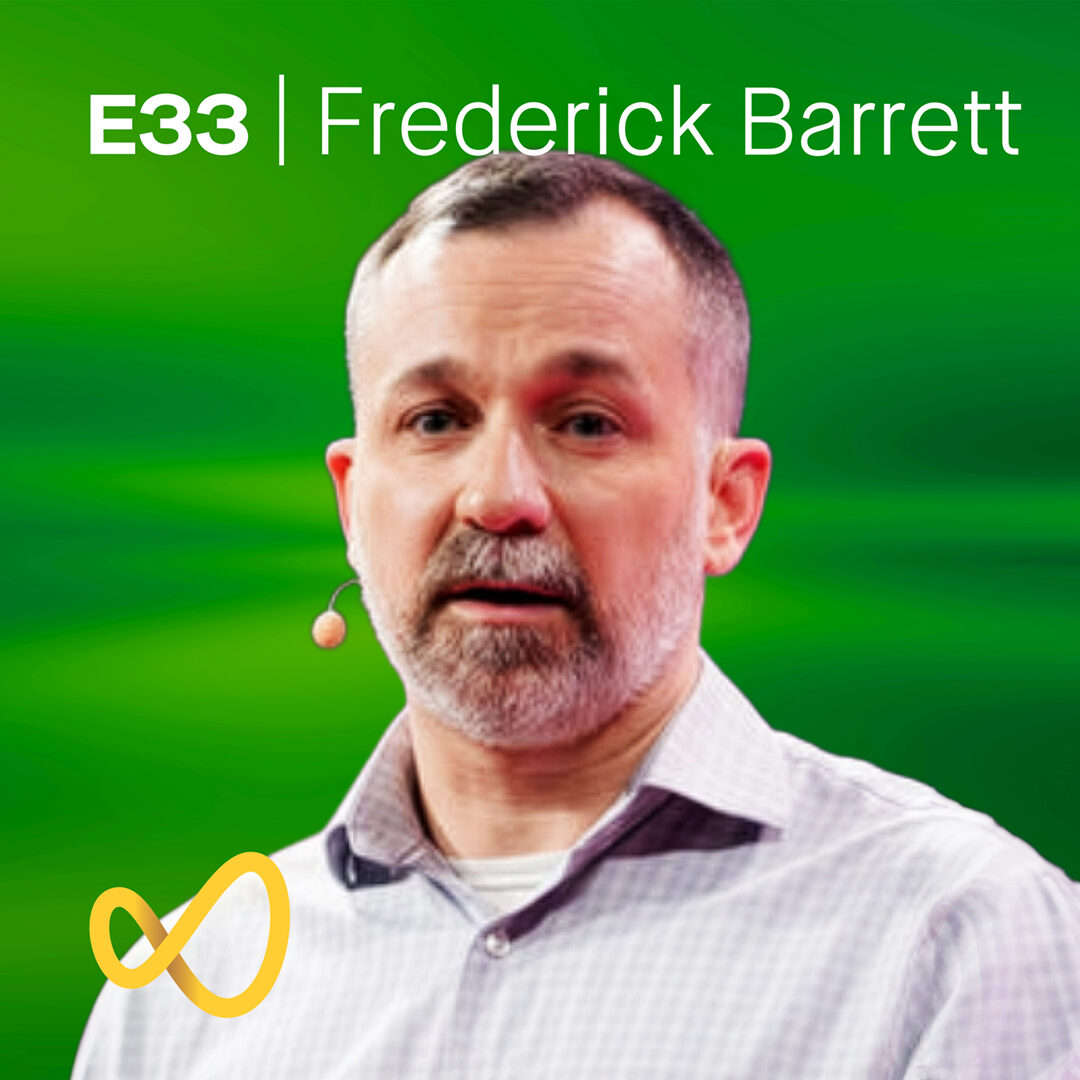
Frederick Barrett: Psychoactive compounds to treat depression, addiction & inflammation
Professor Frederick Barrett is based in the Department of Psychological & Brain Sciences at Johns Hopkins School of Medicine and Associate Director at the Center for Psychedelic and Consciousness Research. Fred and his colleagues investigate the therapeutic effects of psychoactive substances in intractable patient populations, including those with depression, opioid use disorder and cognitive impairments. Listen as we talk about the different types of hallucinogenic mushrooms, whether psychedelics could one day treat neurodegeneration and the remedial value of a bad "trip."
Neuroscience Frederick Barrett -
 PodcastExplore
Ryan Shenvi: Ethnomedicine to improve learning, memory and mental health
Professor Ryan Shenvi is based in the Department of Chemistry at Scripps Research, where his lab reconstructs useful molecules typically found in remote corners of the world. Listen as we talk about traditional remedies of indigenous cultures, formulating medicines from industrial waste and Charles Dickens’ drinking habits.
Chemistry Mental Disorders -
 PodcastExplore
Sandra Encalada: Linking traffic jams in the brain to neurodegenerative disease
Professor Sandra Encalada is based in the Department of Molecular Medicine at Scripps Research, where her lab investigates the transport of cargo within brain cells and its role in health and disease. Listen as we talk about new therapeutic agents to stop and reverse neurodegeneration, environmental neurotoxins and when to listen to your gut feeling.