




Autoimmune Diseases

Autoimmune Diseases

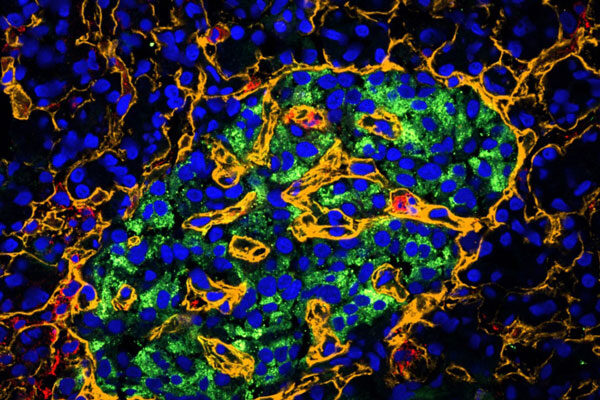
Autoimmune diseases arise when the body attacks itself. We are uncovering the biological signals that drive autoimmunity to determine why the cells of the immune system turn on other cells of the body and cause harm. 

Overview

Our scientists are uncovering the biological signals that drive autoimmunity and determine how the immune system recognizes “self” from “threat.” These insights are opening new paths toward treatments for lupus, rheumatoid arthritis, multiple sclerosis, Crohn’s disease and other autoimmune disorders, while revealing the powerful role the microbiome may play in shaping them.

For more information on our research programs, please contact us. 

Video

How the nervous and immune systems coordinate inflammation

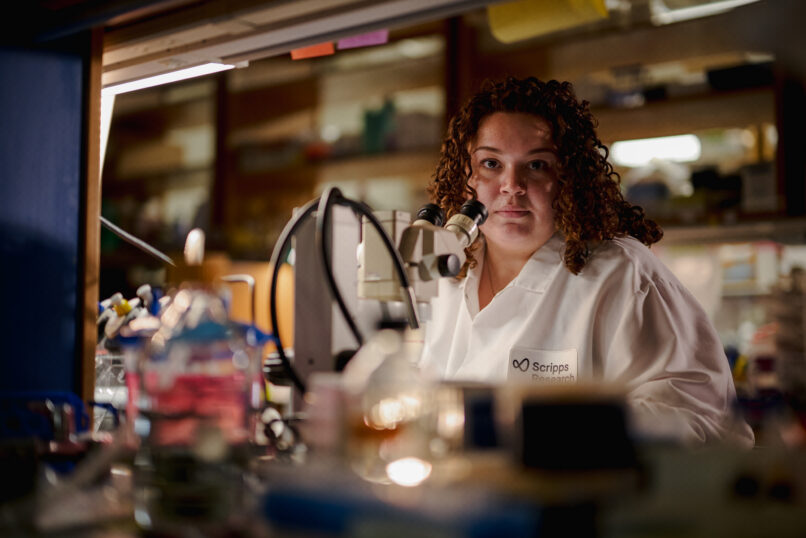
In the latest Front Row lecture, assistant professor Alejandra Mendoza explores how neuro-immune cellular circuits regulate inflammation, pain, and immunity. By bridging neuroscience and immunology, her research is revealing how our bodies interpret signals from the environment to guide immune decisions, from fighting infections to controlling tumor growth and chronic inflammatory diseases. 

Watch the Video
How the nervous and immune systems coordinate inflammation
There are hardly any other academic institutions in the world that have the multidisciplinary expertise to discover a new disease-modifying compound and generate clinical data in support of its development.
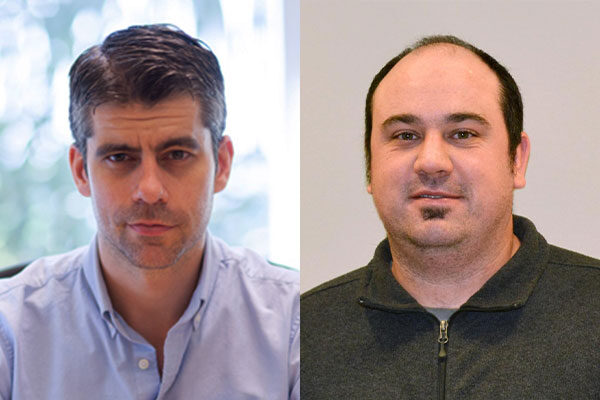
Hugh Rosen Chair and Professor; Pearson Family Chair, Department of Molecular and Cellular Biology
News, Events & Media
scripps research science changing life podcast episode 57
Podcast

What’s next for IBD care: Insights from a surgeon-scientist

The data is clear: inflammatory bowel diseases like ulcerative colitis and Crohn’s are on the rise worldwide. In this episode, we sit down with Dr. Amy Lightner—VP of Clinical Development at Calibr-Skaggs and colorectal surgeon at Scripps Clinic—to explore what drives these diseases, an upcoming phase 2 clinical trial for a new regenerative medicine, and how she balances life between the operating room and the research lab.

Translational Medicine Calibr-Skaggs Drug Discovery Crohn’s disease Inflammatory bowel disease
New immune system-targeting compounds show early promise in treating lupus
News

New immune system-targeting compounds show early promise in treating lupus

Scripps Research scientists developed a compound that can block a protein previously considered challenging to drug and is implicated in autoimmune diseases, including lupus.

New enzyme models reveal key disease insights
News

New enzyme models reveal key disease insights

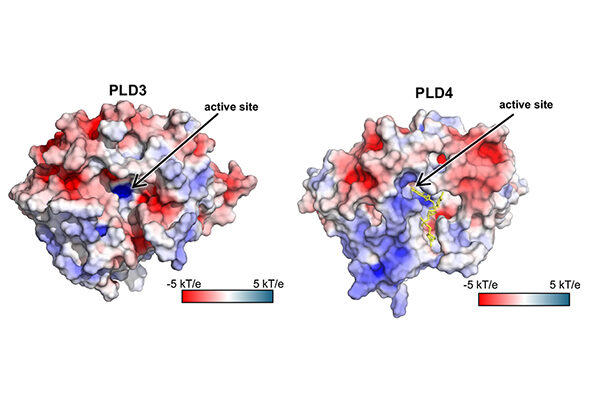
Scripps Research scientists create near-atomic-level structural models of enzymes associated with autoimmune and inflammatory diseases, including lupus and Alzheimer’s.

Multiple sclerosis drug invented at Scripps Research slows long-term devastating disease progression
News

Multiple sclerosis drug invented at Scripps Research slows long-term devastating disease progression

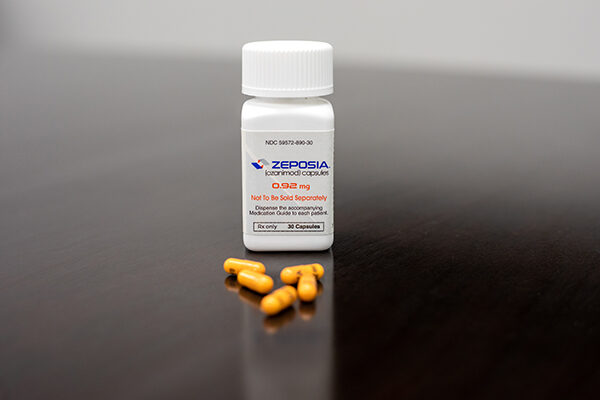
Late-breaking data reinforces the effectiveness and safety of ozanimod, invented in the labs of professors Hugh Rosen and Edward Roberts.

Nanotech strategy shows promise for treating autoimmune disease
News

Nanotech strategy shows promise for treating autoimmune disease

In a Scripps Research study, a nanoparticle treatment ‘cured’ mice that had a genetic arthritis condition.

Scripps Research discovery could improve type 1 diabetes prevention and treatment
News

Scripps Research discovery could improve type 1 diabetes prevention and treatment

New findings reveal how specialized cells shield the pancreas from autoimmune attack, providing new therapeutic strategies for type 1 diabetes.

How microbes are rewriting the rules of immunity
Video

How microbes are rewriting the rules of immunity

How do microbes influence our immune system, and can we leverage this relationship to combat disease? In this Front Row lecture, Scripps Research professor Howard Hang delved into his lab’s innovative work at the intersection of chemistry, microbiology and immunology. By dissecting the molecular dialogues between gut bacteria and human cells, Hang’s research uncovers how microbial enzymes generate small molecules—called microbial metabolites—that can influence immune responses. These insights are paving the way for new treatments against infections, cancer and inflammatory illnesses, highlighting the powerful role that microbes play in shaping human health.

Immunology & Microbiology Front Row Lecture Series Immunology & Microbiology
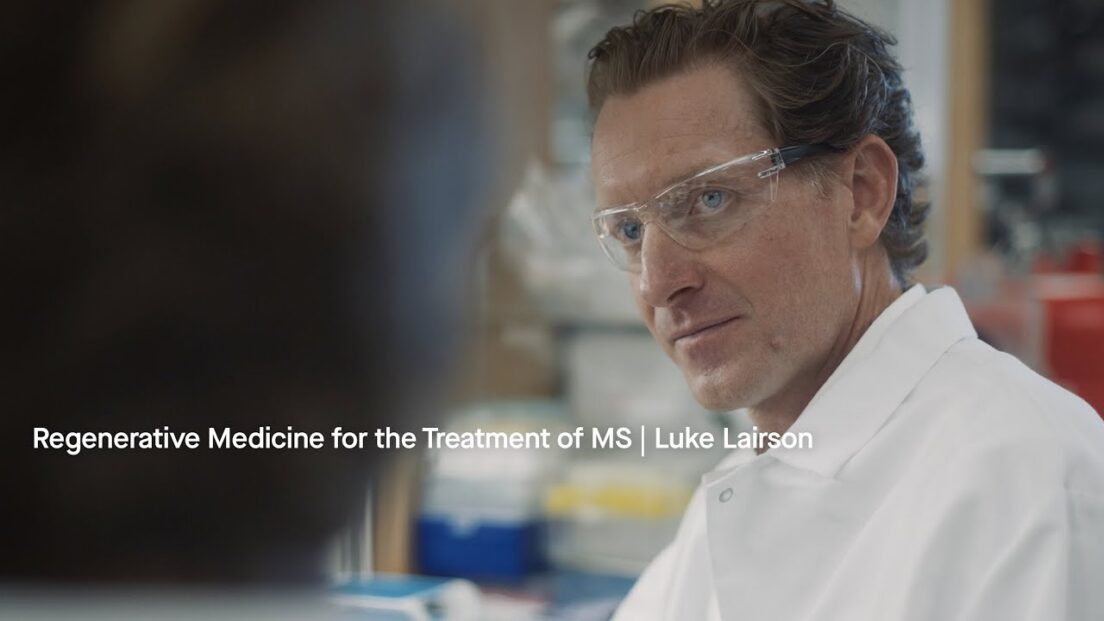
Regenerative medicine for the treatment of MS | Behind the Bench with Luke Lairson
Video

Regenerative medicine for the treatment of MS | Behind the Bench with Luke Lairson

Multiple sclerosis (MS) is a debilitating autoimmune disease that disrupts the central nervous system, causing symptoms like muscle weakness, cognitive challenges and a gradual loss of function that current treatments cannot fully repair. MS arises when the immune system attacks the myelin sheath, the protective layer insulating neurons. Scripps Research chemistry professor Luke Lairson discusses his research on the body’s natural repair pathways—specifically those that activate endogenous stem cells to restore myelin. His work aims to develop therapies that complement existing therapeutic approaches and halt MS progression.

Chemistry Autoimmune Diseases Behind the Bench multiple sclerosis Neurological Disorders
Drug Discovery

From Discoveries to Therapies

Our scientists are decoding why the immune system turns against the body, and using those insights to develop treatments that repair damage, restore protective barriers and retrain immune responses.

Inflammatory Bowel Disease

Inflammatory bowel diseases such as Crohn’s disease and ulcerative colitis are rising worldwide. Our scientists are pursuing approaches that go beyond managing inflammation alone. This includes advancing a regenerative medicine designed to restore the damaged epithelial lining of the gut, as well as exploring how the microbiome influences intestinal health and disease, opening new possibilities for treatments that rebalance the microbial environment.
Multiple Sclerosis

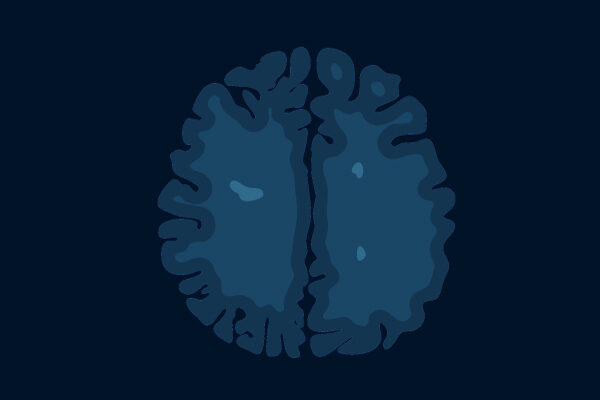
Multiple sclerosis occurs when the immune system mistakenly attacks myelin, the protective coating that surrounds nerve fibers, disrupting communication within the brain and spinal cord. Scientists at Scripps Research are developing a regenerative medicine designed to restore lost myelin by activating the body’s natural repair pathways, representing an approach that could complement existing therapies. Scripps Research scientists also played a key role in developing ozanimod, an immune-modulating drug now approved to treat both multiple sclerosis and ulcerative colitis.

Lupus

Researchers are uncovering the molecular origins of autoimmune diseases such as lupus. By identifying the proteins, enzymes and signaling pathways that drive the immune system’s attack on healthy tissue, scientists are working to develop targeted therapies designed to interrupt these processes at their source.

Rheumatoid Arthritis

Rheumatoid arthritis develops when the immune system targets the joints, leading to chronic inflammation and progressive damage. Researchers are investigating the immune pathways that trigger and sustain this response, with the goal of stopping the disease before lasting injury occurs. One promising strategy uses nanotechnology to selectively target the immune cells responsible for driving autoimmune reactions, while leaving the rest of the immune system intact. In animal models, this approach has delayed and even prevented the development of arthritis.

Patient Impact

A victory for multiple sclerosis patients

News

FDA approves ozanimod, a drug invented at Scripps Research, for treatment of multiple sclerosis

The immune-modulating therapy is also in advanced clinical development for adults and children with moderate-to-severe ulcerative colitis and Crohn’s disease. 

Read the Story
FDA approves ozanimod, a drug invented at Scripps Research, for treatment of multiple sclerosis
Groundbreaking Science.
Life-changing Medicine.