


Rare Diseases

Rare Diseases

Scripps Research scientists decode the molecular basis of rare diseases and translate these discoveries into medicines that can meaningfully improve the lives of people living with these conditions.

Overview

Most rare diseases begin with a single malfunction: a misfolded protein, a genetic mutation, a faulty cellular pathway. Our scientists work together to reveal the different underpinnings of rare diseases, decode undiagnosed conditions through advanced genome sequencing and advance first-in-class therapies where none previously existed.

According to The Lancet Global Health’s 2024 report on the landscape for rare diseases, over 7,000 rare diseases affect more than 300 million people worldwide, while 95% have no approved treatment. Scripps Research brings together the disciplines needed to bring medicines forward to patients: deep expertise in the chemistry of protein folding and misfolding; one of the world’s most powerful drug repurposing libraries; genomic technologies that can identify disease causes in patients who have gone undiagnosed for years; and translational drug discovery capabilities that move discoveries from the laboratory bench to clinical trials.

For more information on our research programs, please contact us.


News

FDA approves ENCELTO, a first-of-its-kind eye implant that slows vision loss in rare eye disease

Cell-based therapy with roots at Scripps Research offers new hope for patients with macular telangiectasia type 2.

Read the Story
FDA approves ENCELTO, a first-of-its-kind eye implant that slows vision loss in rare eye disease
…the study of a rare genetic disease can reveal a pathway that plays a key role in human biology.
Benjamin Cravatt, PhD Professor of Chemistry
News, Events & Media
FDA approves Scripps Research-originated drug tafamidis for cardiomyopathy
News

FDA approves Scripps Research-originated drug tafamidis for cardiomyopathy

The U.S. Food and Drug Administration has approved tafamidis for the treatment of heart disease (cardiomyopathy) caused by mutant or wild-type transthyretin aggregation in adults.

Evan Powers
New method to reveal what drives brain diseases
News

New method to reveal what drives brain diseases

Scripps Research scientists develop CRISPR screen technology to determine disease mechanism from tissues with accelerated speed.

Drilling for rare disease therapeutics
News

Drilling for rare disease therapeutics

A drug discovery approach developed by Scripps Research scientists—in part inspired by oil companies—revealed why drugs for cystic fibrosis fall short

Front Row spotlight with Jeffery Kelly
Video

Front Row spotlight with Jeffery Kelly

Scripps Research professor Jeffery Kelly received an unexpected visit from a patient whose life was dramatically improved by tafamidis—a revolutionary drug for treating neurodegenerative and heart diseases, developed by Kelly himself. Kelly is a leading figure at Scripps Research, spearheading efforts to address some of the most pressing medical challenges, including Alzheimer’s and various amyloid diseases. His cutting-edge research on protein misfolding has not only led to the development of tafamidis but has also broadened our understanding of protein aggregation disorders.

Chemistry Drug Discovery Events Front Row Lecture Series Heart Disease Neurological Disorders
Drug Discovery

From Discoveries to Therapies

Scripps Research scientists are translating laboratory breakthroughs into life-changing advances for patients with rare diseases.

Rare Retinal and Neurological Diseases

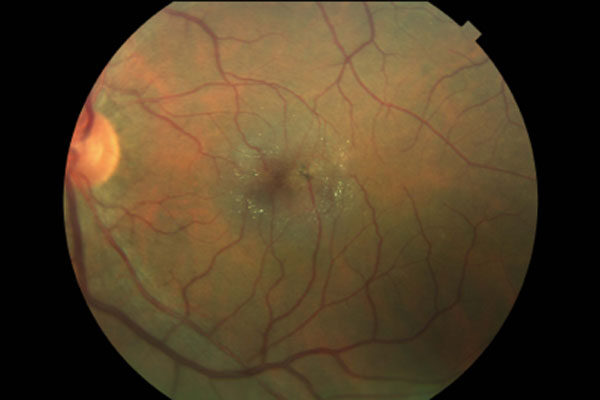
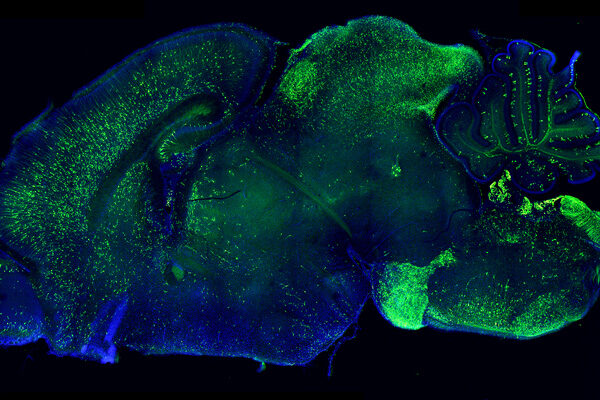
Scripps Research scientists helped establish that macular telangiectasia type 2 (MacTel), long misunderstood as a vascular condition, is a neurodegenerative disease caused by the death of photoreceptors and supporting retinal cells. That foundational insight paved the way for ENCELTO™, a cell-based implant approved by the FDA in 2025 to slow vision loss in MacTel. This platform is now being evaluated for additional retinal and neurovascular conditions, while parallel programs map the brain cell types and genetic pathways driving a wider range of rare neurological diseases.

Rare Blood Disorders

Calibr-Skaggs’ ReFRAME library, one of the world’s largest collections of drugs already approved or tested in humans, is being deployed for rare blood diseases that disproportionately affect patients in under-resourced settings. High-throughput screening of the ReFRAME collection has identified more than 100 candidate anti-sickling compounds for sickle cell disease. Because these compounds have established safety profiles, the most promising candidates could potentially move to clinical trials faster and more efficiently, expanding the prospect of affordable oral therapies for the millions of patients worldwide who cannot access gene therapy or stem cell transplantation.

Hereditable Heart Disease

Professors Jeffery Kelly and Evan Powers developed the FDA-approved drug tafamidis, a small molecule drug for transthyretin amyloid cardiomyopathy (ATTR-CM), a rare, progressive form of heart failure caused by misfolded proteins accumulating in the heart. Prior to the medicine, there was no approved treatment, and most patients survived fewer than five years after diagnosis.

Patient Impact

Putting patients at the center of progress

Numerous FDA-approved drugs for rare diseases originated at Scripps Research
Through the development of its medicines, Scripps Research has helped treat numerous rare diseases, including:

  • Transthyretin amyloidosis (ATTR): Vyndaqel® (tafamidis meglumine) and Vyndamax® (tafamidis) treat this debilitating, often fatal heart disease caused by protein buildup.
  • Hereditary angioedema: Takhzyro® (lenadelumab-flo) helps prevent attacks of this rare disorder that disrupts the normal flow of blood and other fluids in the body.
  • Phenylketonuria (PKU): The novel enzyme therapy Palynziq® (pegvaliase-pqpz) treats this rare and serious genetic disease.
  • High-risk neuroblastoma: Unituxin® (dinutuximab) treats pediatric patients with this rare cancer of the nervous system, in combination with chemotherapy.
  • Merkel cell carcinoma: Bavencio® was the first treatment for patients with this rare type of cancer.
  • Macular telangiectasia type 2 (MacTel): The cell-based implant ENCELTO helps slow vision loss in patients with this rare eye disorder.
  • Hairy cell leukemia: Leustatin® (cladribine, IV) cures or offers a lifetime of remission for patients with this rare type of cancer.
Groundbreaking Science.
Life-changing Medicine.