Department of Integrative Structural & Computational Biology
A technological revolution is driving radical advances in what’s possible in biomedical science. Structural and computational biology are continuously evolving, producing significant advances to overcome current barriers in understanding molecular structure and function and drug discovery.

Our Research
In the Department of Integrative Structural & Computational Biology, we push the limits of what can be discovered using new technologies that combine structural and computational methods. We develop innovative scientific approaches to overcome barriers to understanding molecular structure and function and drug discovery. Through our highly ranked graduate school and postdoctoral programs, we cultivate future scientific leaders in this emerging field of integrative and computational biology.
Structural and computational biology are continuously evolving with significant advances, particularly in cryo-electron microscopy (cryo-EM), cryo-electron tomography (cryo-ET), X-ray crystallography and nuclear magnetic resonance (NMR) technology. These advances in technologies, methodologies and accelerated throughput are enabling rapid determination of structures of important biological molecules and complex assemblies of molecules. Molecular structures that only a few years ago seemed impossible to decipher are now being solved with remarkable regularity. In addition, powerful computation and bioinformatics are playing an increasingly important role in all facets of biological research. The integration of computational methods with the current arsenal of biophysical techniques is critical for understanding complex biological systems.
The department focuses on several research areas, including:
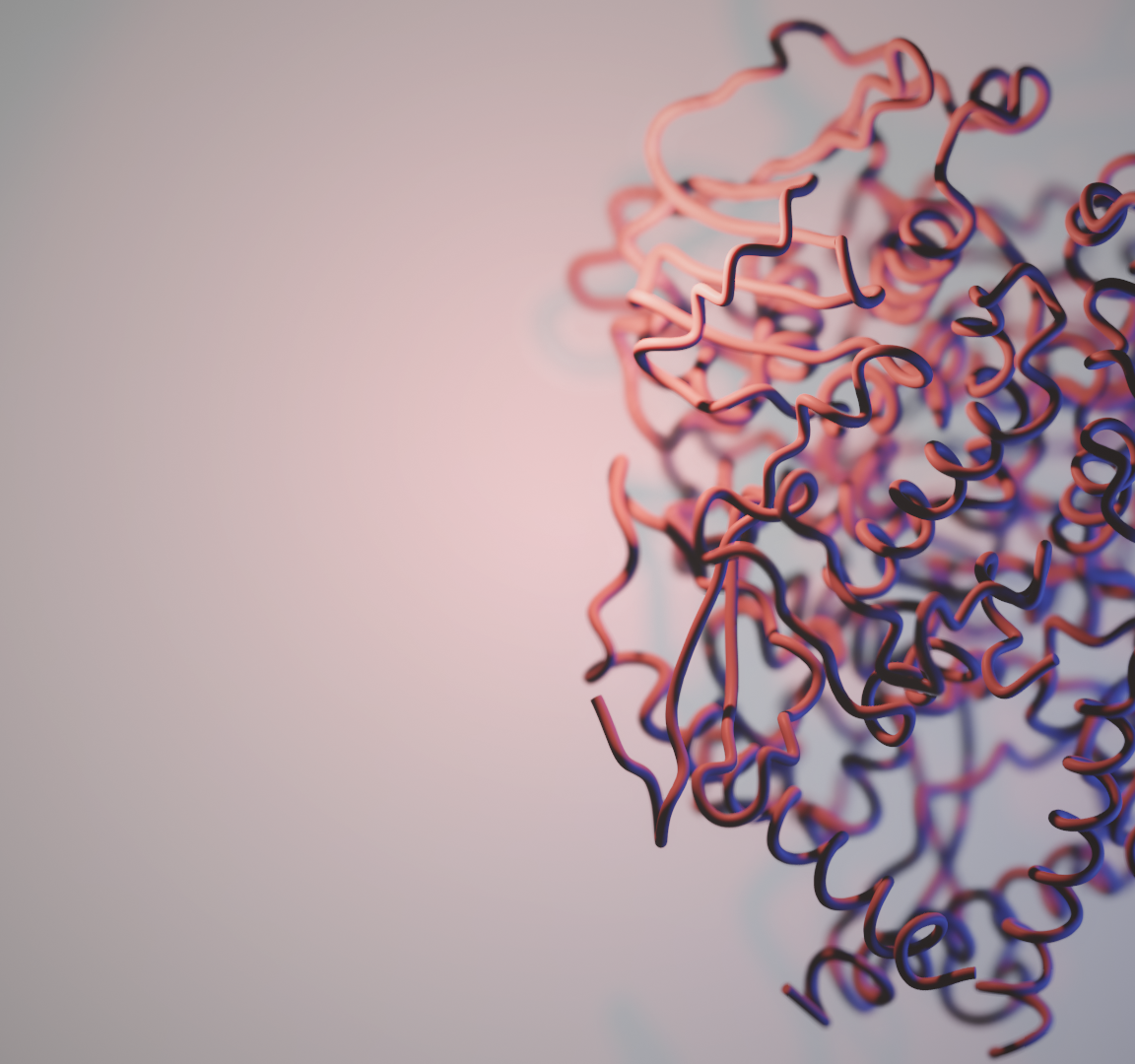
- Deciphering the molecular structure of important proteins using cryogenic electron microscopy and other technologies
- Accelerating drug development through enhanced in silico methods for structure prediction and docking of small molecules
- Using powerful computer algorithms to explore how genetic factors influence disease
- Applying cutting-edge computation and bioinformatics to solve previously intractable biological problems
- Paving the way to the next generation of drugs and precision therapies
Our Team





Major Achievements
Nobel Prize in Chemistry
Scripps Research scientist Kurt Wüthrich developed a method for mapping the structure of large biological molecules which earned him the 2002 Nobel Prize in Chemistry.
Globally recognized leadership
Scripps Research scientists pave the way for future discovery, with major contributions including the understanding of the structural biology of viruses and antibodies, the atomic-resolution mapping of influenza, HIV and coronavirus proteins, as well as the development of tools that are used around the world for protein structure analysis and drug design.
Deciphering the structure of complex biological molecules
Structural biologists solved the polio virus structure and the earliest SARS-CoV-2 virus structure, a key enabler in the design of the mRNA COVID-19 vaccines. They also characterized intrinsically disordered proteins, which offered a paradigm shift in how scientists view protein structure.
An interdisciplinary engine
The department serves as a bridge across chemistry, immunology, neuroscience and translational medicine. ISCB discoveries have contributed to antiviral antibody therapeutics, rational vaccine design, structure-guided drug discovery, biologics development and the molecular understanding of autoimmune and infectious disease targets.