





Heart Disease

Heart Disease

We investigate the early drivers of cardiovascular damage as well as advanced stages of disease. Researchers are finding innovative means to protect the heart, from individualized preventions to regenerative medicines that repair organ tissue.

Overview

According to a 2025 review by the American Heart Association, heart disease claims nearly 950,000 lives in the U.S. each year and remains the leading cause of death worldwide. New scientific discoveries at Scripps Research are decoding and addressing these conditions at their roots: scientists have delivered a first-in-class therapy for a once-fatal heart disease; our regenerative medicine programs aim to repair the heart after attack, not merely slow its decline; and our Translational Institute is pioneering AI and digital tools to identify cardiovascular risk years before symptoms arise, enabling earlier, more personalized intervention than was previously possible.

For more information on our heart disease research programs, please contact us.

News

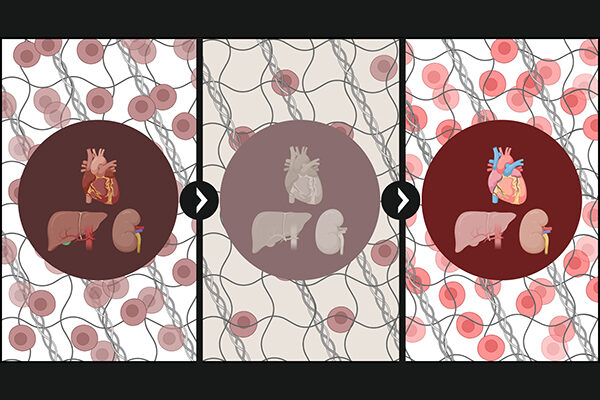
Scripps Research advances breakthrough regenerative medicines to reverse aging-related diseases

Scientists at Scripps Research and its drug discovery arm, Calibr-Skaggs, develop first-in-class small molecules to repair damaged tissues of the heart, lungs, joints, and more.  

Read the Story
Scripps Research advances breakthrough regenerative medicines to reverse aging-related diseases
To this day, heart disease still accounts for the greatest loss of lives of any disease, not just in the United States but globally.
Eric Topol, MD Professor & Executive Vice President
News, Events & Media
scripps research science changing life podcast episode 50
Podcast

Beyond the hype: AI’s impact on medicine and science with Eric Topol

Artificial intelligence is revolutionizing what we once thought impossible. But how can we distinguish genuine breakthroughs from mere hype? In this episode of Science Changing Life, we welcome Eric Topol, MD—renowned physician, scientist, and author. As executive vice president at Scripps Research and founder of the Scripps Research Translational Institute and The Gary and Mary West Chair of Innovative Medicine, Dr. Topol shares his thoughts on how AI is transforming science and medicine today and offers a glimpse into what the future may hold. His advice to listeners? 'Be open to change.'

FDA approves Scripps Research-originated drug tafamidis for cardiomyopathy
News

FDA approves Scripps Research-originated drug tafamidis for cardiomyopathy

The U.S. Food and Drug Administration has approved tafamidis for the treatment of heart disease (cardiomyopathy) caused by mutant or wild-type transthyretin aggregation in adults.

Evan Powers
Rewinding the biological clock
Magazine

Rewinding the biological clock

How scientists are harnessing the body’s natural regenerative pathways to heal damaged organs and reverse age-related decline.

Calibr-Skaggs Inflammatory Bowel Diseases
Fixing the misfolded proteins that cause dementia and heart failure
Video

Fixing the misfolded proteins that cause dementia and heart failure

All proteins have a correct way of “folding” themselves into their 3D structures. When this folding process goes awry, including processes leading to protein misassembly, a number of devastating diseases can result. In this Front Row lecture, Scripps Research professor Jeffery Kelly shared how he's developing novel therapeutic strategies to target these protein misfolding diseases, which lead to deterioration of the heart and brain. His multi-disciplinary research has already led to the development of an FDA-approved drug available in the pharmacy called tafamidis (Vyndaqel® and Vyndamax®): a medicine that slows the progression of the neurodegenerative disease familial amyloid polyneuropathy and the degenerative heart disease called TTR cardiomyopathy.

Chemistry Drug Discovery Events Front Row Lecture Series Heart Disease Neurological Disorders
Preventing heart disease with machine learning and smartphone technology
Video

Preventing heart disease with machine learning and smartphone technology

Heart disease is the leading cause of death in the United States, yet our ability to predict and lower our own risk has been limited. In this Front Row lecture, Scripps Research professor Ali Torkamani shared how his team is developing app-based digital tools that can analyze genetic markers and predict someone’s future cardiovascular disease risk. Torkamani’s research is being integrated into remote clinical trials that can provide personalized behavioral and therapeutic interventions to improve long-term health outcomes.

Integrative Structural & Computational Biology Events Front Row Lecture Series Heart Disease
Scripps Research study links sleep variability with sleep apnea and hypertension
News

Scripps Research study links sleep variability with sleep apnea and hypertension

How consumers’ digital activity trackers could enable personalized health screening and early intervention for cardiovascular health and beyond.

Regenerating tissues to treat disease
Video

Regenerating tissues to treat disease

Regenerative medicine involves harnessing the body’s own capacity to repair tissues and organs. In this Front Row lecture, Associate Professor Michael Bollong shared how he's identifying and targeting the pathways controlling regeneration. By combining traditional drug discovery tools with modern biological techniques, Bollong and his lab are developing novel medicines that can intervene in the processes that cause a spectrum of human diseases and medical conditions, including heart disease, inflammatory disease and fibrosis.

Chemistry Drug Discovery Events Front Row Lecture Series Heart Disease Respiratory Diseases Translational Medicine
Giorgio Quer and Evan Muse
News

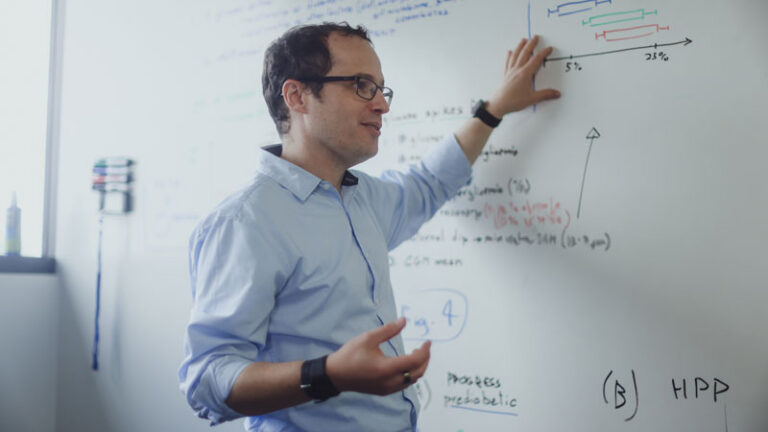
New AI tool simplifies heart monitoring: Fewer leads, same accuracy

Scripps Research scientists showed that, with help from an AI tool, cardiologists can diagnose heart attacks using a simpler, easier and more accessible electrocardiogram technology.

News

Scripps Research scientists weigh in on how AI will transform cardiology

Drug Discovery

From Discoveries to Therapies

From Discoveries to Therapies

Scripps Research is advancing the science of heart disease across multiple approaches. These include investigating the chemistry of misfolded proteins, uncovering the regenerative pathways that rebuild damaged heart tissue, and advancing the genomic tools and AI-driven platforms that are transforming how cardiovascular risk is understood, predicted and treated.

Heart Failure and Regenerative Medicine

The heart has a limited ability to repair itself after injury, and current therapies can only slow the resulting decline. Scripps Research and its drug discovery arm, Calibr-Skaggs, are developing small molecule drugs to regenerate damaged heart muscle by activating the body’s own repair pathways. In preclinical models of heart failure, these small molecules stimulated new cardiac tissue growth and restored cardiac function. The goal is to move beyond management to genuine repair, potentially reversing the damage and scars that heart attacks often leave behind.

Cardiac Amyloidosis and Protein Misfolding

Our work on the molecular mechanisms of protein misfolding led to the invention of tafamidis: the first FDA-approved therapy for transthyretin amyloid cardiomyopathy, a fatal disease caused by the aggregation of misfolded proteins in the heart. Building on this foundation, ongoing research is exploring next-generation therapies that target the full spectrum of amyloid-driven cardiac disease, including both inherited and age-related forms, to improve outcomes for a broader population of patients.

Coronary Artery Disease and Prevention

Most heart attacks are not inevitable; they are the result of risks that accumulate over years, often invisibly. Scripps Research scientists are developing genomic tools that calculate an individual’s cumulative genetic risk for coronary artery disease, enabling personalized prevention strategies that begin long before symptoms arise. By combining genetic profiles with lifestyle and biometric data, these programs are working to identify who is truly at elevated risk, ideally intervening when the potential for benefit is greatest.

Arrhythmia and Electrophysiology

Conditions like atrial fibrillation affect tens of millions of people worldwide and significantly elevate the risk of stroke, heart failure and death. Scripps Research scientists are applying genomics, AI and digital data to illuminate the underlying mechanisms of arrhythmia, developing genetic risk scores to identify susceptibility before symptoms occur and validating digital tools that can detect irregular heart rhythms in real-world settings. These approaches are laying the groundwork for earlier diagnosis and more targeted, effective treatment.

Hypertension and Cardiovascular Risk Detection

High blood pressure is the most prevalent and modifiable risk factor for cardiovascular disease, yet it remains under-detected and undertreated. Scripps Research scientists are validating wearable-based approaches that track physiological patterns over time, including sleep variability and nocturnal vital signs, to identify individuals at elevated risk for hypertension and related cardiovascular conditions before they are clinically apparent. These digital tools are being evaluated in decentralized study settings with the goal of reaching patients earlier and more equitably.

Digital and AI Cardiology

Digital medicine is helping transform each stage of cardiovascular care, from risk stratification and early detection to monitoring and disease management. The Scripps Research Translational Institute is integrating AI, wearable sensors, ECG data and genomic information to build tools that predict heart disease, detect arrhythmias and personalize care in ways that were not previously possible. These approaches are being validated through decentralized clinical studies involving tens of thousands of participants, with the goal of making precision cardiovascular medicine accessible at scale.

Patient Impact

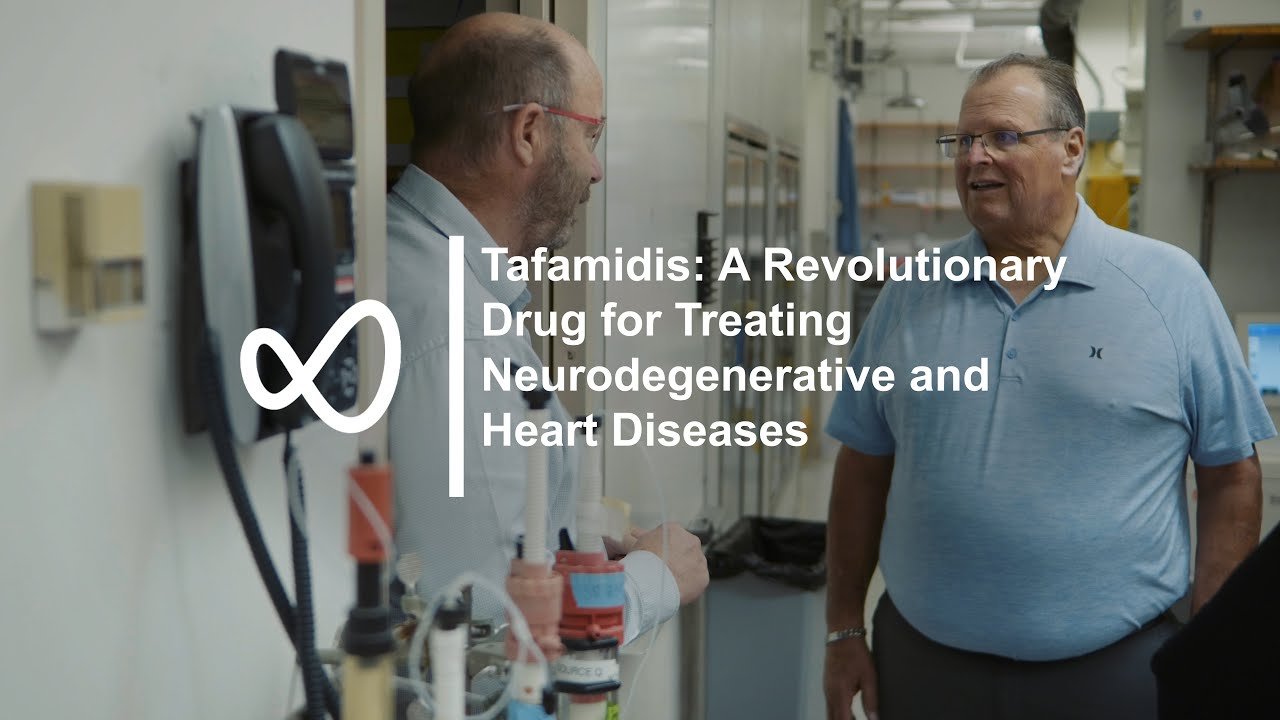
Tafamidis: A Revolutionary Drug for Treating Neurodegenerative and Heart Diseases

For decades, a diagnosis of transthyretin amyloid cardiomyopathy (ATTR-CM), a rare, progressive form of heart failure caused by misfolded proteins accumulating in the heart, meant a death sentence. There was no approved treatment, and most patients survived fewer than five years after diagnosis.

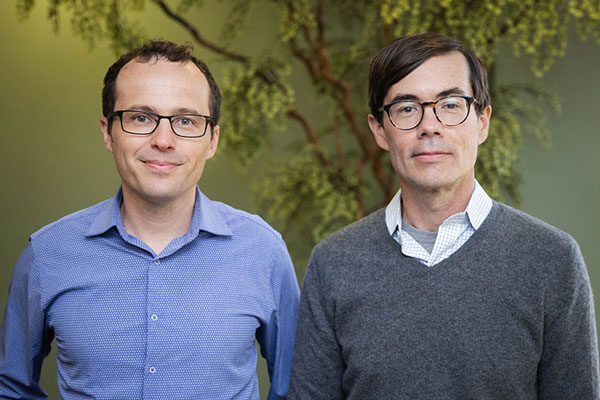
Professors Jeffery Kelly and Evan Powers spent years deciphering the biochemistry of transthyretin misfolding—understanding, at the molecular level, exactly how the protein destabilizes, aggregates and destroys heart tissue. Watch to learn how that foundational science led directly to the invention and FDA approval of tafamidis, a small molecule that stabilizes the transthyretin protein and halts the disease process at its source.

Groundbreaking Science.
Life-changing Medicine.