Cancer

Cancer

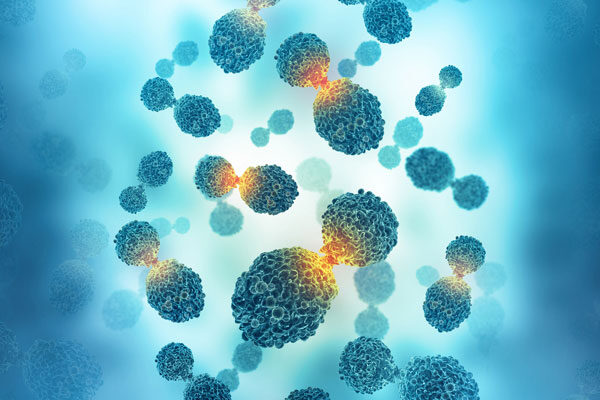
Our scientists investigate cancer at multiple levels, from individual proteins to whole cells and tissues. We map how cancer starts, adapts and spreads in order to uncover new strategies to detect and treat this oftentimes devastating disease.

Overview

Nearly 1 in 5 deaths are caused by cancer worldwide, according to the World Health Organization. Cancer can arise when cells grow out of control, often by hijacking the body’s biological processes.

Here at Scripps Research, our scientists are investigating cancer at multiple levels—from the chemistry of individual proteins to the behavior of whole cells and tissues—to uncover vulnerabilities and translate them into new therapies. Through our drug-discovery arm, the Calibr-Skaggs Institute for Innovative Medicines, we can advance promising ideas toward clinical development.

For more information on our cancer research programs, please contact us.
 

News

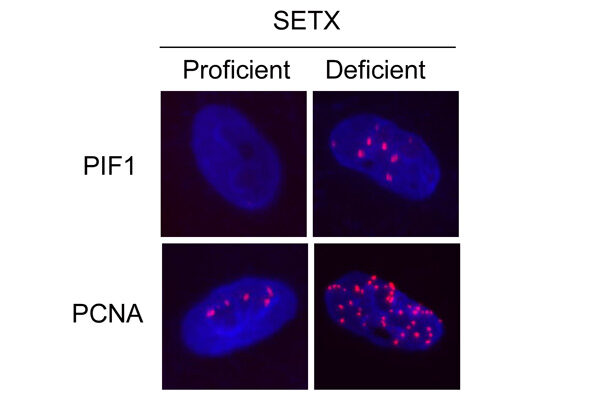
Scientists find cancer weak spot in backup DNA repair system

New findings from Scripps Research reveal how certain tumors survive DNA damage—and point to a strategy for targeting them.

Read the Story
Scientists find cancer weak spot in backup DNA repair system
Cancer isn’t a single disease—there are so many tumor types, and they’re completely different from each other. Disruption of circadian rhythms increases tumor formation in various kinds of cancer.
Katja Lamia, PhD Professor of Molecular & Cellular Biology
News, Events & Media
scripps research science changing life podcast episode 42
Podcast

Mia Huang: How sugar biology can help diagnose and treat cancer

Professor Mia Huang is based in the Department of Chemistry at Scripps Research, where her lab explores how vital sugar molecules in the body orchestrate complex biological events. Listen in as we discuss deciphering cancer cell signals to develop new therapies, engineering red blood cells for transfusions and how to become a master of strategy.

Viome and Scripps Research partner to develop first at-home RNA screening test to prevent colon cancer before it strikes
News

Viome and Scripps Research partner to develop first at-home RNA screening test to prevent colon cancer before it strikes

First-of-its-kind 1,000-patient clinical study will use RNA-based stool and saliva tests to detect colon polyps — early warning signs of colorectal cancer — before they become cancerous.Study aims to enhance colorectal cancer prevention by identifying polyp molecular signals, offering improved sensitivity over at-home DNA tests, which have limited ability to detect precancerous lesions.

A new method for improving checkpoint inhibitor therapy for cancer
News

A new method for improving checkpoint inhibitor therapy for cancer

Scripps Research scientists found that a “one-two punch” of combining the immunosuppressive drug ruxolitinib with existing checkpoint inhibitor therapies may be a more effective way to fight some cancers, including Hodgkin lymphoma.

Advancing targeted cancer treatments—in the lab and the clinic
Magazine

Advancing targeted cancer treatments—in the lab and the clinic

Despite improvements in screening, treatment and prevention, cancer remains the second leading cause of death worldwide. Jacob (Jake) New, a physician-scientist at the Scripps Research Translational Institute (SRTI), knows the impact and complexity of this disease all too well. As a medical oncology fellow at Scripps Clinic, he sees patients with various cancers that require individualized therapies and treatments. His work in the clinic has given him a unique perspective on the unmet needs of patients and their families, leading him to pursue further training in how to translate discoveries in the lab into interventions in the clinic.

News

Chemists at Scripps Research helped advance its 18th approved drug, a rare pediatric brain cancer medicine

How Scripps Research chemistry work helped clear a path for an FDA-approved therapy for diffuse midline glioma.

New way to potentially slow cancer growth
News

New way to potentially slow cancer growth

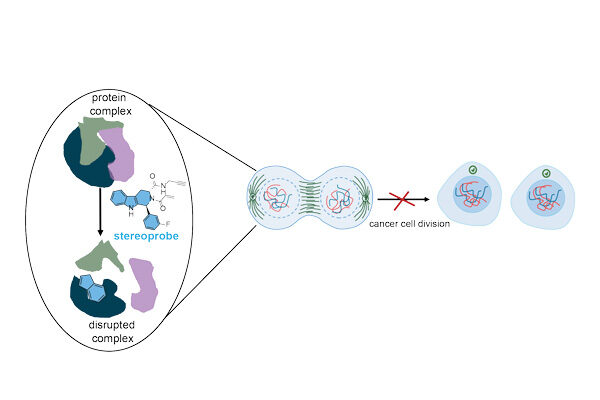
Using a combination of two protein-mapping methods, Scripps Research scientists uncover novel proteins that could be targeted by future cancer drugs.

Drug Discovery

From Discoveries to Therapies

Our scientists pursue multiple angles to outsmart cancer—from understanding how tumors evolve to designing therapies that home in on the right cells at the right time.

Cancer Biomarkers

Our scientists use advanced proteomics, metabolomics and other molecular tools to identify biological signatures of cancer. These biomarkers can reveal how tumors develop, progress or respond to treatment, and may help guide earlier detection strategies or more personalized therapies.

Resistance and Tumor Adaptation

Cancer cells can rapidly evolve in response to therapy. We study how tumors repair DNA damage, alter signaling networks and adapt to survive drug treatment. Understanding these escape mechanisms helps researchers design therapies that remain effective longer or prevent resistance from emerging.

Drugging Hard-to-Target Proteins

Many proteins linked to cancer are difficult to block using traditional drugs. Scientists at Scripps Research are developing new chemical strategies to act on these challenging targets, discovering compounds that can modulate the activity of proteins involved in tumor growth and survival.

Patient Impact
News

Lab studies explain how new cancer drug works as it enters patient testing

Immunologists at Scripps Research show how a new, experimental drug revives immune cells to fight cancer.

Read the Story
Lab studies explain how new cancer drug works as it enters patient testing
Groundbreaking Science.
Life-changing Medicine.