About the Scripps Research Translational Institute

Scientists at the Scripps Research Translational Institute aim to make individualized medicine a reality for everyone. We use the tools of genomics and digital medicine combined with cutting-edge informatics techniques to better understand each individual and ultimately render more effective healthcare.

Background

In 2017, after a decade of scientific collaboration, the Translational Institute joined Scripps Research, one of the world’s largest independent, not-for-profit research organizations. 

This partnership combines the strengths of three institutions: Scripps Research and its expertise in basic science; Calibr-Skaggs and its strength in drug discovery; and the Translational Institute’s broad knowledge in translational and clinical research. Now the Translational Institute serves as a hub for individualized medicine, accelerating our mission of transforming medicine with the patient’s interests at heart.

With the remarkable progress in life science and multimodal artificial intelligence, the ability to accurately medically forecast a person’s future arc of health is emerging—that will lead us to exceptional opportunities to prevent the major diseases in the future.
Eric Topol, MD Founder & Director, Scripps Research Translational Institute

People 

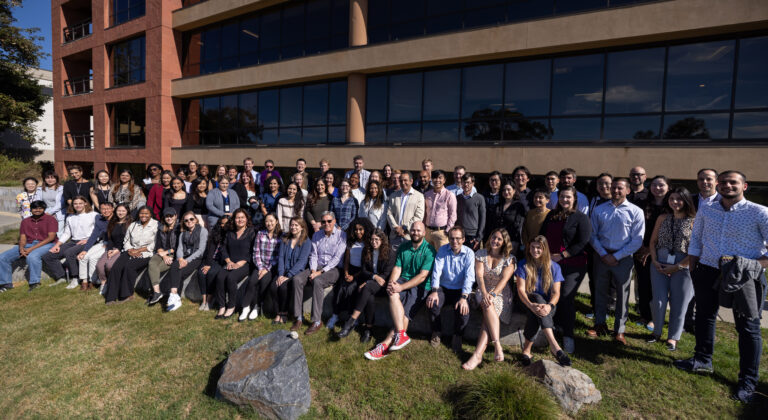
Large group photo of the Scripps Research Translational Institute team gathered outdoors in front of a brick research building.

The Scripps Research Translational Institute fosters highly collaborative, multidisciplinary research to transform the practice of healthcare.

Community
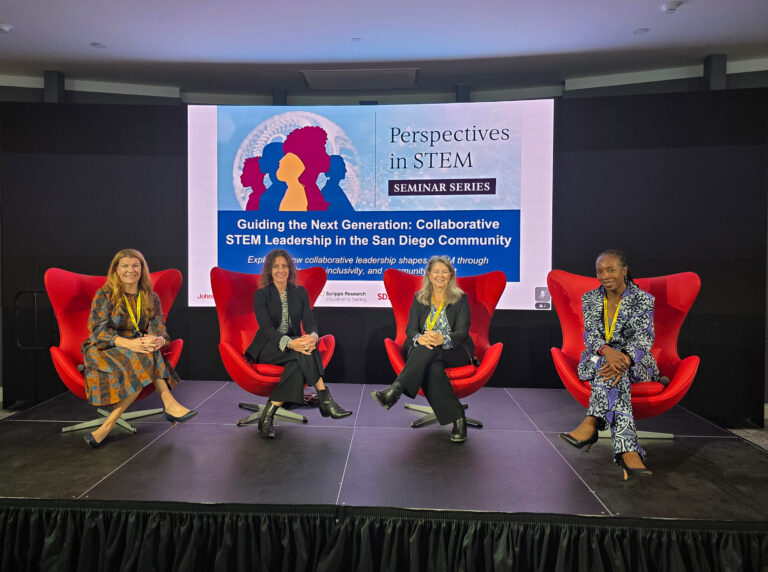
Four women sitting in red armchairs on a stage.

We are committed to breaking down structural obstacles that hinder scientific progress and limit opportunities for researchers. 

Networks
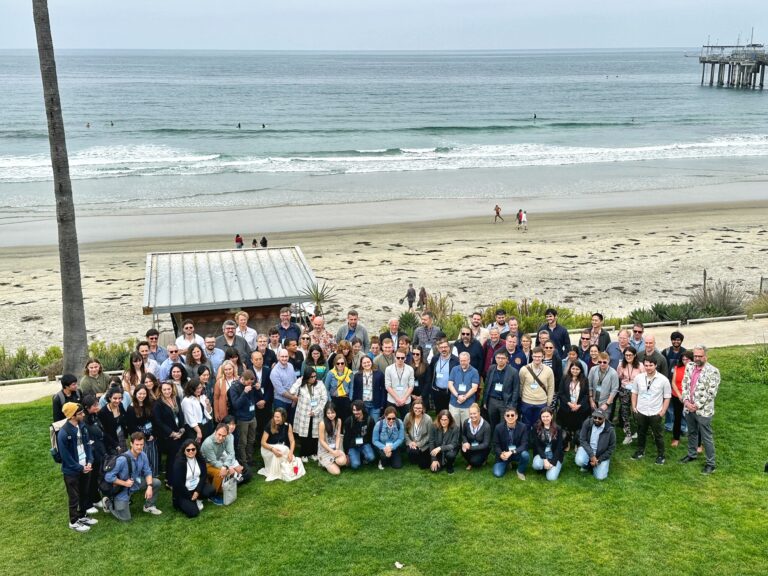
Group photo at the beach.

Researchers work closely with local, national and international partners to further our aim of individualizing healthcare.

Pilot Study Award
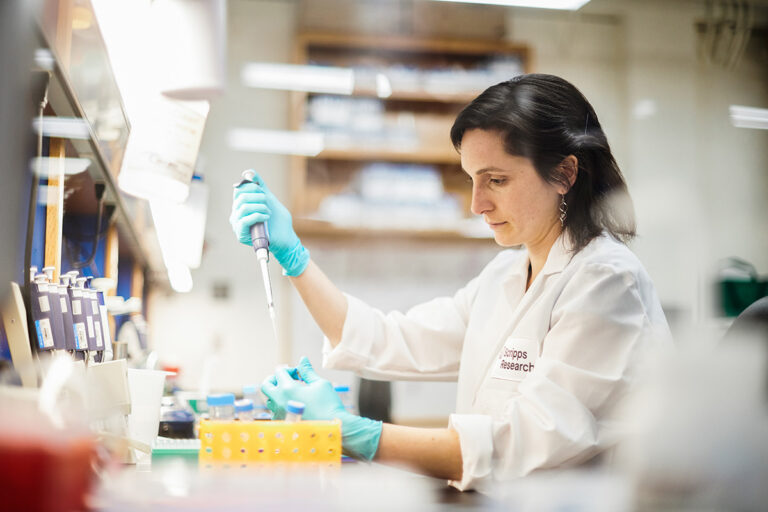
Scientist pipetting in a laboratory.

We are committed to supporting researchers who strive to conduct transformative, innovative, translational research with the potential to change medicine.


News, Events & Media
In the Media

New study examines link between sleep and dementia in women 

Spectrum News 1

Translational Medicine Translational Institute
In the Media

A Q&A with Julia Vogel, a researcher fighting long COVID and searching for relief 

The San Diego Union-Tribune

Translational Medicine Long COVID Respiratory Disease Translational Institute
scripps research science changing life podcast episode 54
Podcast

Pathogens in the pipeline: How wastewater holds clues to the next pandemic

What if the key to detecting the next pandemic was hidden in our wastewater? By analyzing pathogens found in sewage, scientists can track the spread of infections before they become widespread threats. In this episode of Science Changing Life, project scientist Josh Levy and PhD student Praneeth Gangavarapu explain how analyzing what goes down the drain can offer life-saving insights into the future of public health. Learn more about the role of wastewater surveillance in tracking a range of viruses—including SARS-CoV-2, H5N1 and even seasonal influenza.

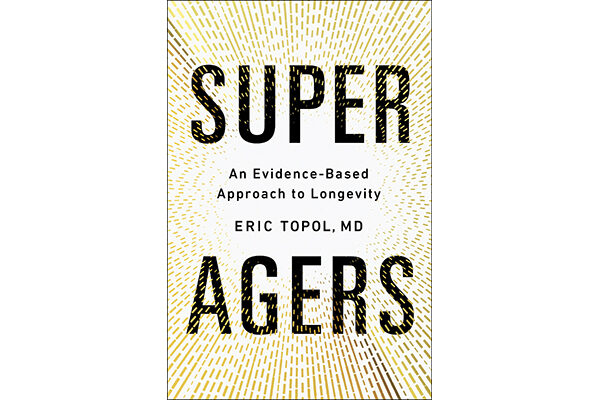
Eric Topol authors book on the science of healthy aging
News

Eric Topol authors book on the science of healthy aging

Latest book by Scripps Research executive vice president guides readers through medical breakthroughs that are primed to extend healthspan

The science of longer, healthier lives
Video

The science of longer, healthier lives

How close are we to a future where aging is no longer a barrier to vitality? Scripps Research executive vice president and professor Eric Topol discussed the themes of his new book on longevity. Drawing on the latest breakthroughs, he explored how innovations in artificial intelligence and drug discovery are combating chronic diseases like cancer, diabetes and neurodegeneration. Topol revealed how these advances are not only extending lifespans but also improving health at every stage of life.

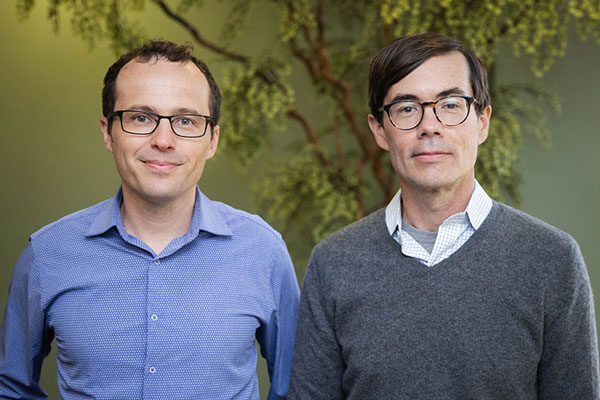
Giorgio Quer and Evan Muse
News

New AI tool simplifies heart monitoring: Fewer leads, same accuracy

Scripps Research scientists showed that, with help from an AI tool, cardiologists can diagnose heart attacks using a simpler, easier and more accessible electrocardiogram technology.

Illustration of heart
News

A better way to predict a patient’s risk of coronary artery disease

Scripps Research scientists developed a model that more accurately identifies patients at risk of coronary artery disease and can inform tailored treatment.

Genomic data shows widespread mpox transmission in West Africa prior to 2022 global outbreak
News

Genomic data shows widespread mpox transmission in West Africa prior to 2022 global outbreak

Researchers show that mpox circulated among humans in Nigeria for eight years before the international outbreak, highlighting the need for improved surveillance.

Groundbreaking Science.
Life-changing Medicine.