Neurological Disorders

Neurological Disorders

At Scripps Research, neuroscientists are unraveling the brain’s internal wiring to tackle neurological disorders at their source.

Overview

The brain governs how we think, move, feel, remember and age. When it falters, the effects can be devastating, leading to conditions such as Alzheimer’s, chronic pain, addiction and neurodevelopmental disorders.

From the genes and molecules inside individual neurons to the circuits that encode memory, regulate behavior and sense the world, our researchers study the nervous system at every level. By uncovering how aging, disease and the environment disrupt brain function, we are developing new strategies to prevent, treat and even reverse neurological disorders.

For more information on our neurological disorder research programs, please contact us.
 

Magazine

The life and science of a Nobel laureate

Ardem Patapoutian talks about his path at Scripps Research and the Nobel Prize.

Read Article
The life and science of a Nobel laureate
Scripps Research is a very unique organization. It brings chemists and biologists together to find the next big discoveries in biology and the next cures in medicine.
Ardem Patapoutian Scripps Research professor; HHMI Investigator; Presidential Endowed Chair in Neurobiology and 2021 Nobel laureate
News, Events & Media
scripps research science changing life podcast episode 55
Podcast

Wired for risk: Cindy Ehlers on the science of addiction and mental health

Depression and alcohol dependence are often seen as personal struggles—but decades of study by Scripps Research professor Cindy Ehlers reveal a much bigger picture. In this episode of Science Changing Life, Ehlers breaks down how biology, culture and trauma interact to shape mental health outcomes. Learn how her work is paving the way for more effective interventions, and how new strategies—like culturally grounded prevention programs and digital tools—can reduce harm in high-risk communities.

How experiences shape the developing brain and impact neurological diseases
Video

How experiences shape the developing brain and impact neurological diseases

As we age, learn and grow over our lifetimes, the brain continually responds and adapts to what we experience. In this Front Row lecture, Scripps Research Chair of the Department of Neuroscience Hollis Cline revealed how sensory experiences shape the brain during development and aging—particularly visual experiences. Cline’s work has been critical in revealing how key visual brain circuits become disrupted in neurodevelopmental disorders, as well as in mapping the different communication pathways between neurons.

Neuroscience Events Front Row Lecture Series Neurological Disorders
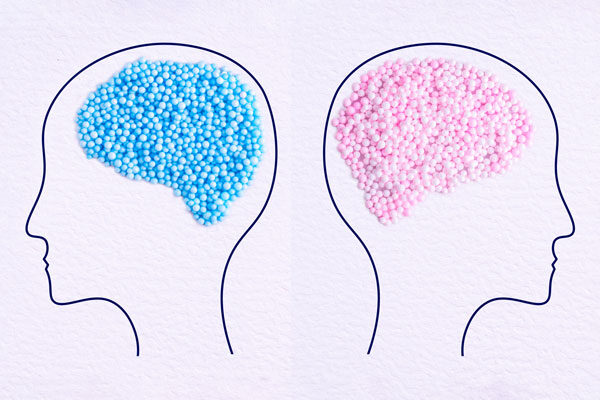
Females may be more biochemically sensitive to alcohol—long before dependence sets in
News

Females may be more biochemically sensitive to alcohol—long before dependence sets in

Scripps Research’s insights into sex-based differences in brain chemistry could guide personalized treatment strategies for alcohol use disorder.

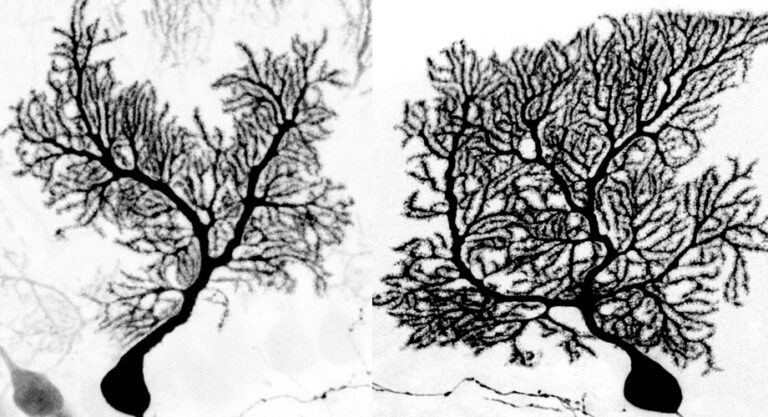
How microRNAs act as a “blueprint” for the developing brain
News

How microRNAs act as a “blueprint” for the developing brain

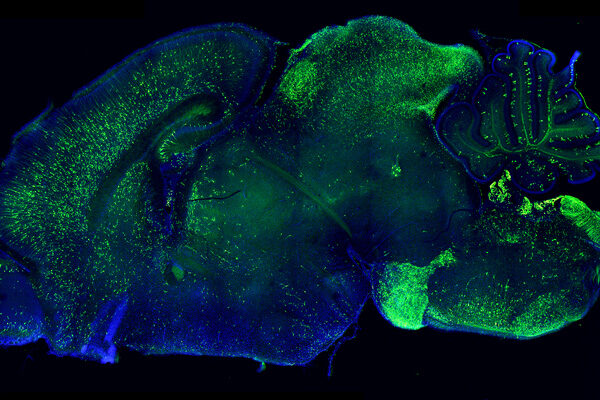
Scripps Research scientists reveal that microRNAs guide the development of Purkinje cells, a rare type of neuron linked to neurodevelopmental disorders.

How cold temperatures trigger the brain to boost appetite
News

How cold temperatures trigger the brain to boost appetite

Scripps Research scientists’ discovery could lead to new weight loss and metabolic health treatments.

How scientists uncovered memory’s hidden architecture
News

How scientists uncovered memory’s hidden architecture

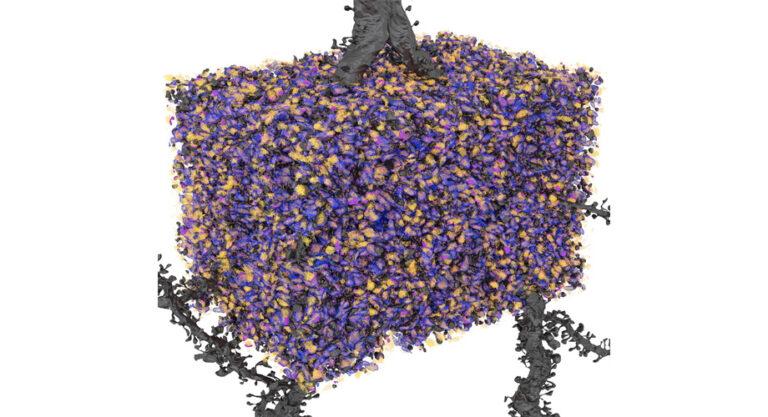
New structural hallmarks of memory storage discovered by Scripps Research could lead to treatments for memory loss.

New method to reveal what drives brain diseases
News

New method to reveal what drives brain diseases

Scripps Research scientists develop CRISPR screen technology to determine disease mechanism from tissues with accelerated speed.

Drug Discovery

From Discoveries to Therapies

By combining advanced molecular tools, AI and cellular models, we are uncovering the biological mechanisms that shape brain development, behavior and neurodegeneration, while translating these insights into new therapeutic approaches.

Healthy Aging and Neurodegeneration

By integrating artificial intelligence, small-molecule discovery, and advanced cellular models with a deep understanding of the brain’s memory architecture, researchers are uncovering strategies to slow cognitive decline and fight neurodegenerative diseases such as Alzheimer’s.

Neurodevelopmental Disorders

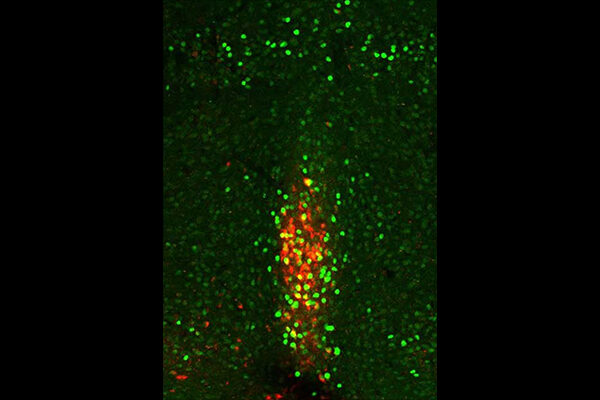
Our researchers are mapping how genetic risk and early brain development interact to shape lifelong mental health. Using powerful tools such as in vivo genetic screening, single-cell genomics and spatial brain mapping, researchers are identifying the cellular mechanisms behind conditions such as autism, epilepsy and rare neurodevelopmental disorders, opening new paths for early diagnosis and intervention.

Depression

Pioneering research by Hugh Rosen and colleagues led to the development of the drug navacaprant, which precisely targets one of the brain’s behavioral circuits and is currently in clinical testing for major depressive disorder.

Pain and Sensation

Scripps Research scientists are uncovering the molecular sensors that allow the nervous system to detect touch, temperature, pressure and injury. These discoveries are reshaping understanding of chronic pain and inflammation and are already guiding the development of next-generation, non-opioid pain therapies.

Addiction and Behavioral Neuroscience

We investigate how alcohol and other substances reshape stress-related brain circuits that drive dependence and relapse. By revealing how drugs alter decision-making, motivation and emotional regulation, this work is accelerating the development of more effective, science-based treatments for substance use disorders.

Patient Impact

Inside the Neuroscience Translational Engine

At Scripps Research’s drug discovery arm, the Calibr-Skaggs Institute for Innovative Medicines, scientists transform fundamental neuroscience discoveries into treatments for a range of psychiatric illnesses and brain disorders.

  • Restoring emotional balance: Researchers are developing drugs that block the brain’s kappa opioid receptor—a key driver of stress, anxiety and depression—potentially treating psychiatric illness without the burdensome side effects of current medications.
  • Protecting the brain from age- and disease-related damage: Scientists are advancing a molecule that activates the body’s natural cellular defense system (NRF2), which may reduce brain damage following stroke and slow neurodegeneration in Parkinson’s, Alzheimer’s and Huntington’s disease.
  • Regenerating retina cells to protect the eye: For age-related macular degeneration (AMD), scientists are developing medicines to restore and replace damaged retinal pigment epithelial cells: the essential support cells that nourish and protect the light-sensing neurons of the eye.
Groundbreaking Science.
Life-changing Medicine.