Video Library
For media inquiries, email us: [email protected]
-
 VideoExplore
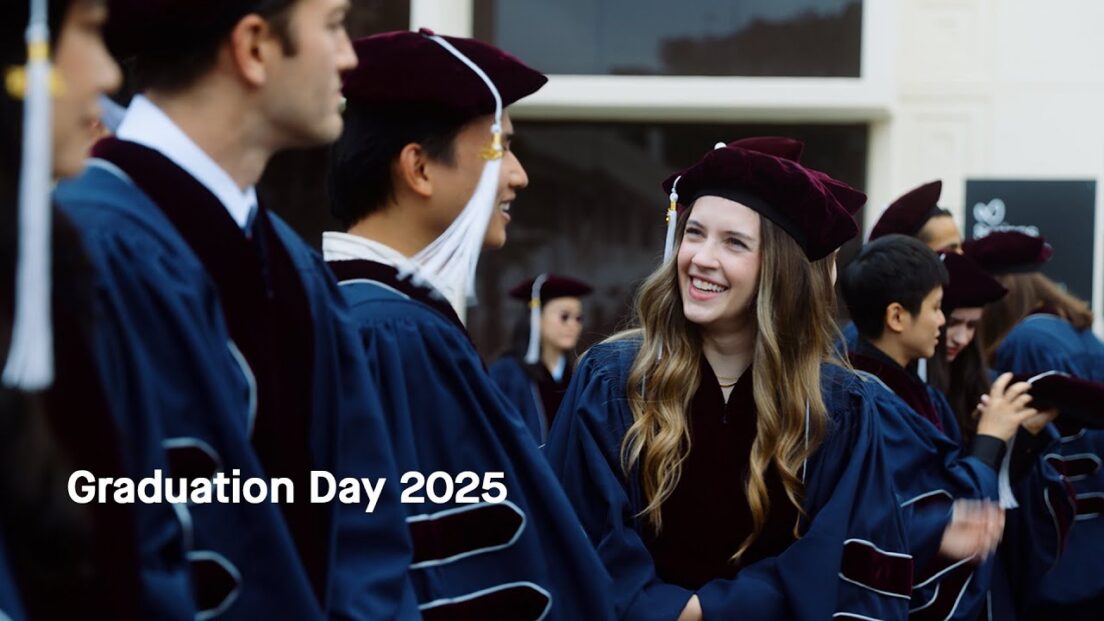
Celebrate the journey: Graduation Day 2026
Hear from 3 of our newest PhD recipients as they reflect on their experience as students in Scripps Research’s Skaggs Graduate School. The students are among the 49 who were awarded doctoral degrees at the institute’s May 15th Commencement.
Graduate Program -
 VideoExplore
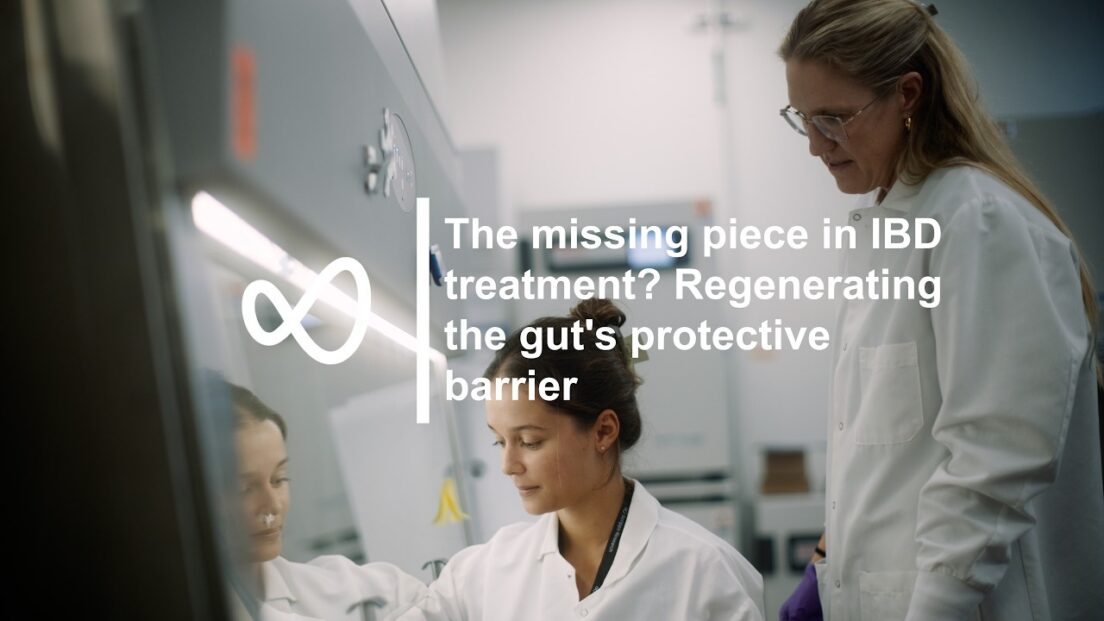
The missing piece in IBD treatment? Regenerating the gut’s protective barrier shows promise
Current therapies for inflammatory bowel disease (IBD) primarily focus on suppressing inflammation. But what if we could repair one of the underlying drivers of disease itself? Researchers at Calibr-Skaggs are developing CLF065, a potential first-in-class regenerative medicine designed to restore epithelial barrier function—the protective intestinal lining that regulates what passes from the gut into the body. CLF065 is designed with a dual mechanism of action: supporting barrier integrity and stimulating regeneration of the gut lining. A Phase 2 clinical trial has recently launched in chronic pouchitis, a painful inflammatory condition that can develop in some people with IBD following surgery. In addition, an Investigational New Drug (IND) application has been submitted to support a Phase 2 trial in Crohn's disease. Learn how regenerative medicine could help shift the treatment paradigm from managing symptoms to repairing the tissue damage at the root of disease.
-
 VideoExplore
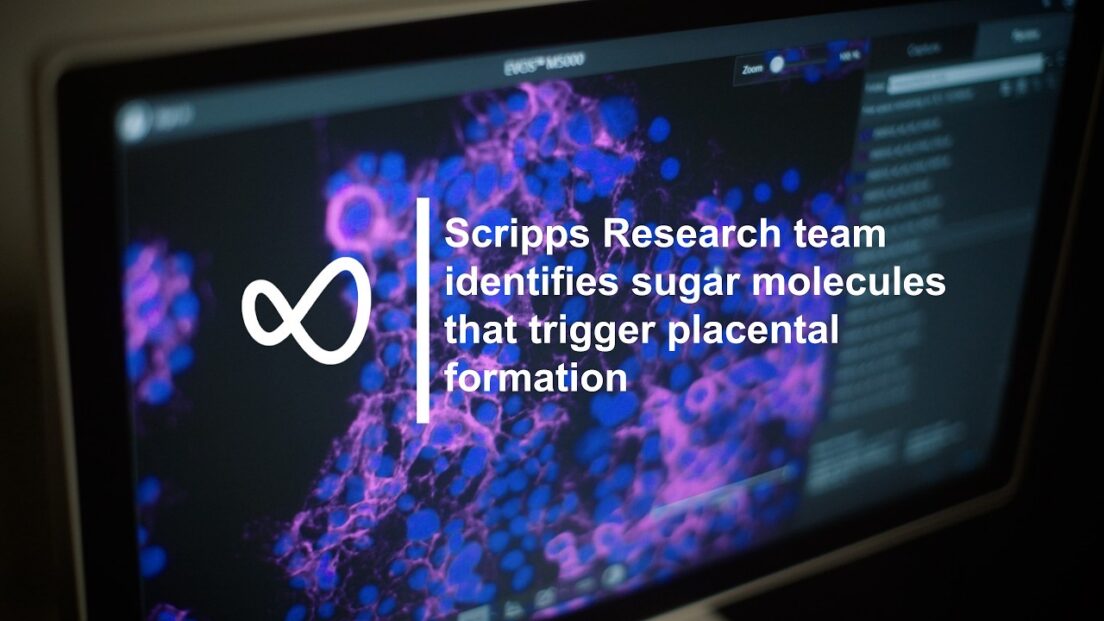
Scripps Research team identifies sugar molecules that trigger placental formation
During the first weeks of pregnancy, the developing placenta in a mother’s womb undergoes a dramatic change. Individual cells merge, forming a continuous barrier that will spend the next nine months ferrying oxygen and nutrients to the growing fetus while keeping the mother's immune system at bay. When this structure fails to form properly, pregnancies are at higher risk of complications, including preeclampsia and restricted fetal growth. Now, scientists at Scripps Research have identified a key player in the placenta’s transformation—a molecule called galectin-3 that binds to sugar molecules on specific cell surface proteins, likely holding placental cells tightly together to fuse.
-
 VideoExplore
Close encounters: Designing drugs that recruit the cell’s own machinery to fight cancer and beyond
Some of the most devastating diseases are driven by proteins that cannot be targeted with conventional drugs. Scientists are now discovering ways to control disease by recruiting the cell’s own machinery to tackle this challenge. In this Front Row lecture, Associate Professor Michael Erb took the audience inside the cell to explain how his team is developing “proximity” drugs. Erb’s innovation has implications to change how scientists and cells join forces to fight against breast, prostate and blood cancers. Learn how proximity drugs can eliminate proteins, rewire essential cellular pathways, and enable researchers to target previously “undruggable” proteins.
-
 VideoExplore
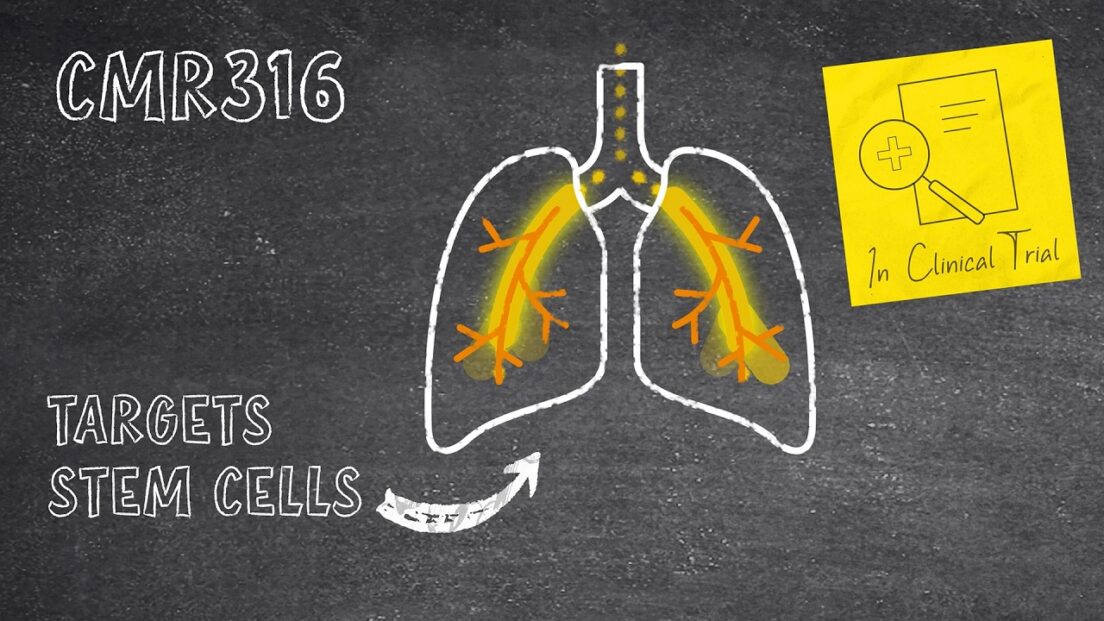
How scientists are trying to repair the body from within: Regenerative medicine and anti-aging
At Scripps Research and its drug discovery arm, the Calibr-Skaggs Institute for Innovative Medicines, scientists are developing regenerative medicine therapies designed to help the body repair itself from within. Unlike traditional medicines that primarily manage symptoms or slow disease progression, regenerative medicine aims to restore damaged tissues and rebuild function lost to aging and disease. Researchers are advancing programs focused on the heart, lungs, digestive tract and eyes, including investigational therapies for heart failure, idiopathic pulmonary fibrosis, inflammatory bowel disease, age-related macular degeneration and other chronic conditions that become more common as we age. Learn how scientists are activating the body’s natural repair mechanisms to explore a future where medicine may not only treat disease, but help reverse its damage.
Aging & Healthspan Autoimmune Diseases Calibr-Skaggs Drug Discovery Heart Disease Respiratory Diseases -
 VideoExplore
Skaggs Graduate School at Scripps Research | 34th Annual Commencement Ceremony
The Skaggs Graduate School of Chemical and Biological Sciences at Scripps Research is pleased to present our 2026 Commencement, celebrating our 49 newest doctoral degree recipients who comprise Scripps Research’s 34th graduating class. Held on Friday, May 15, 2026, the event featured remarks by Keary Engle, the John and Susan Diekman Dean of Graduate and Postdoctoral Studies; Pete Schultz, Scripps Research President/CEO and the L.S. “Sam” Skaggs Presidential Chair; and a special address by Peter Dervan, the Bren Professor Emeritus of Chemistry at the California Institute of Technology. Graduating students were introduced by their faculty mentors, each recognizing their student’s academic achievements and scientific accomplishments. The event concluded with honorary doctorates being awarded to Dervan as well as Ian Wilson, the Hansen Professor of Structural Biology and one of the founders of Scripps Research’s graduate program and the mentor of its first graduate.
Graduate Program -
 VideoExplore
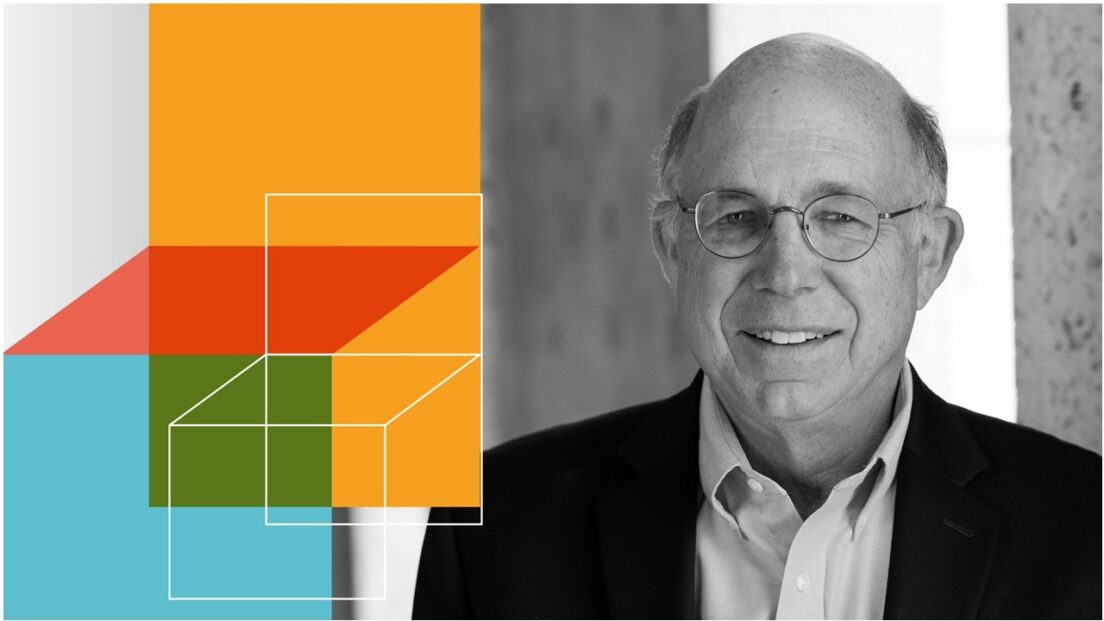
Advancing the vision: An experiment in rethinking the nonprofit biomedical research model
In his Front Row lecture, President and CEO Pete Schultz highlighted the progress Scripps Research has made in pioneering a new model for non-profit biomedical research. He described how integrating basic science and translational research under one roof is accelerating next-generation medicines—from new immunotherapies for cancer and innovative medicines for infectious disease to regenerative treatments for heart, lung and intestinal tissues. At a time of uncertainty in federal science funding, this model isn't only advancing human health but also helping to generate sustainable support for innovative scientific research and for training the next generation of scientific leaders.
-
 VideoExplore
The John C. Martin Memorial Lectureship – 2026
Honoring the legacy of the renowned scientist, visionary businessman and global health pioneer John C. Martin, this annual event celebrates scientific advancements and collaboration across academia and industry with the goal of benefitting human health. Keynote speakers include Nicholas Leeper (Stanford University) and Stuart Schreiber (Harvard University).
Events Philanthropy -
 VideoExplore
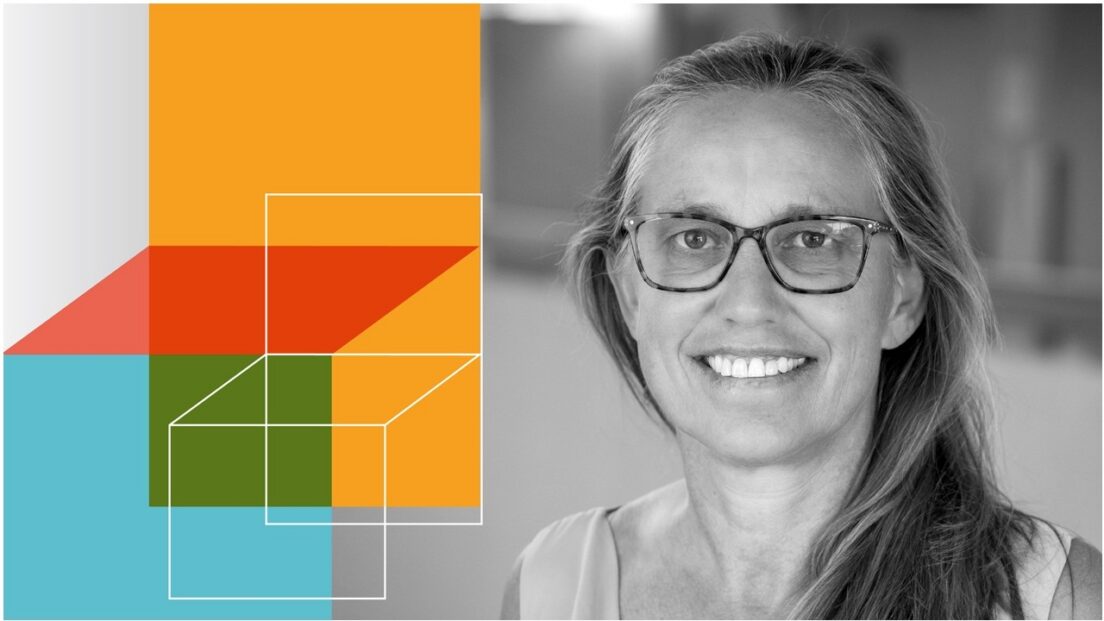
The choreography of life: What a protein’s “dance” says about health and disease
Proteins are the molecular machines that regulate our tissues, organs and biological processes. But these complex molecules don’t just sit still—they “dance.” For Professor Dorothee Kern, understanding this choreography is key to understanding the difference between health and disease. In this Front Row lecture, Kern shared how her team combines AI and experimental techniques to visualize protein movements in action. She also explained how mapping these dynamic motions via “protein movies” can guide the development of longer-lasting drugs with vastly reduced side effects for cancer, metabolic disease and more.
Integrative Structural & Computational Biology Artificial Intelligence Dorothee Kern Front Row Lecture Series Integrative Structural and Computational Biology -
 VideoExplore
The sweet side of drug discovery: How sugars can help shape the future of medicines
Some of the most powerful medicines we use today come from natural products, which are specialized molecules that plants and microbes have evolved over millions of years. Sugars play a key role in these compounds—determining how a molecule behaves, where it travels in the body and how strongly it activates the immune system. In this Front Row lecture, Scripps Research chemist Yuzhong Liu demonstrated how her lab uses synthetic biology to decode the role of sugars in medicine—helping scientists build next-generation vaccine adjuvants, cancer therapies and safer treatments.
-
 VideoExplore
2025 year in review: Five insights we’re still thinking about
In a special year-end episode of Science Changing Life, we’re revisiting five moments from 2025 that continue to shape how we think about science. Featuring insights from Scripps Research experts across genetics, infectious disease, public health surveillance and chronic illness, this episode features some of this year’s most memorable soundbites.
Science Changing Life -
 VideoExplore
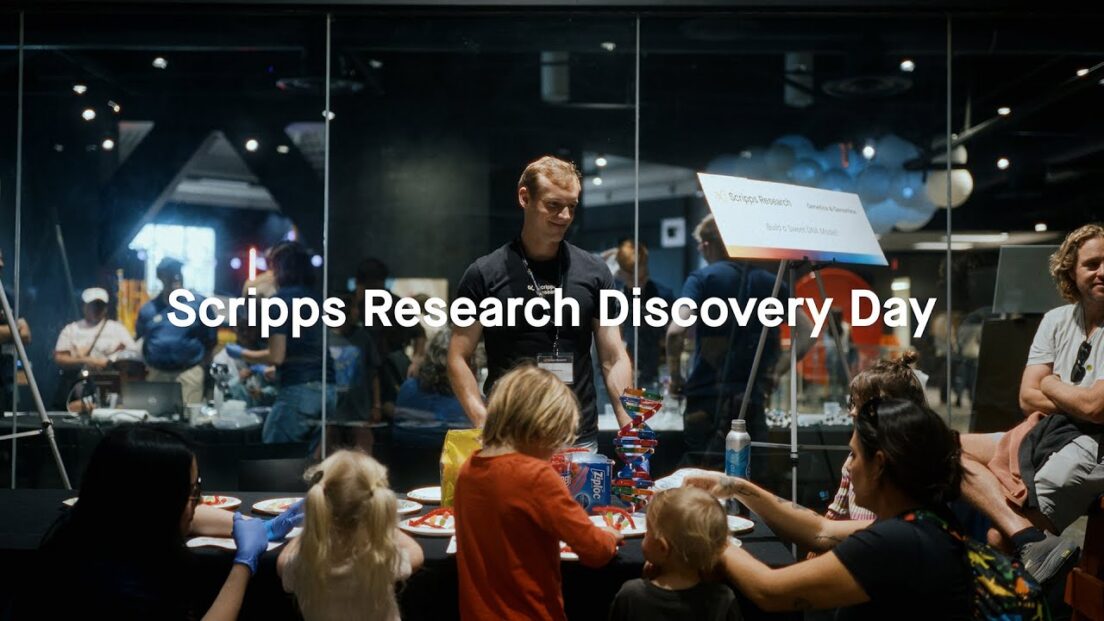
Scripps Research Discovery Day | Fleet Science Center 2025
Members of the public were invited to meet the San Diego scientists leading groundbreaking biomedical research when Scripps Research held its second annual Discovery Day at the Fleet Science Center in Balboa Park on Sunday, November 9, 2025. More than 60 Scripps Research graduate students and postdoctoral scholars shared the excitement of scientific discovery at more than a dozen hands-on activity tables. Visitors experienced demonstrations and explored topics ranging from chemistry, neuroscience, viruses and vaccines, aging research, cancer biology, the gut microbiome, and much more.
Educational Outreach Events -
 VideoExplore
How the nervous and immune systems coordinate inflammation
Just as we can distinguish between the sting of heat and the chill of cold, our immune system is finely tuned to recognize and respond to a wide range of threats, from viruses and bacteria to allergens and injury. This complex sensing relies on communication between diverse cell types, including sensory neurons and immune cells, to ensure responses are tailored to the specific challenge. In this Front Row lecture, Assistant Professor Alejandra Mendoza explored how neuro-immune cellular circuits regulate inflammation, pain, and immunity. By bridging neuroscience and immunology, her research is revealing how our bodies interpret signals from the environment to guide immune decisions, from fighting infections to controlling tumor growth and chronic inflammatory diseases.
-
 VideoExplore
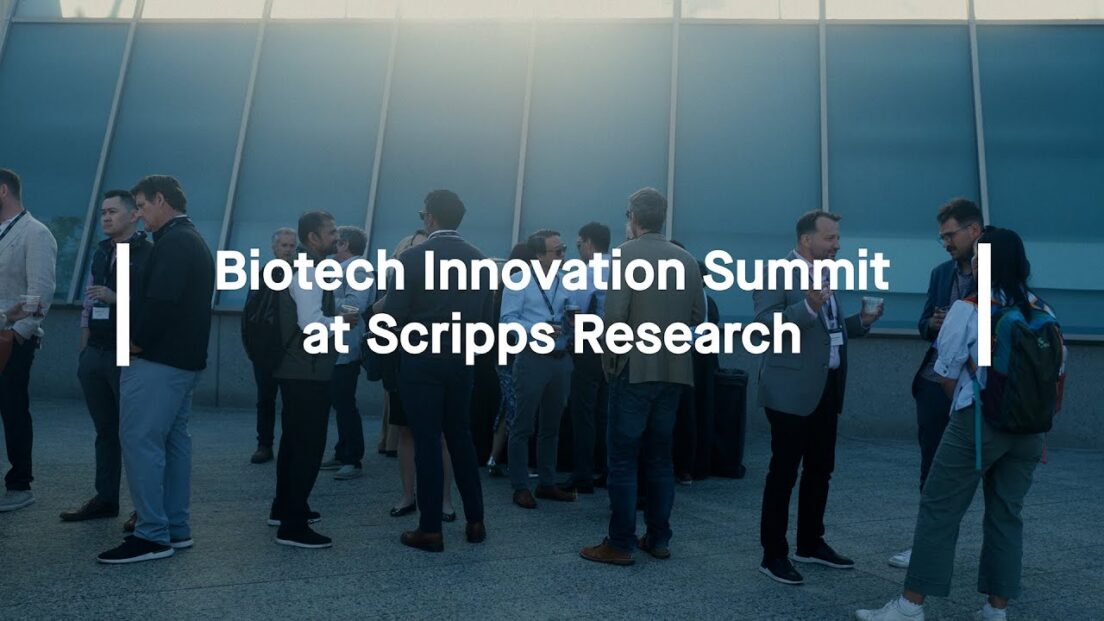
Biotech Innovation Summit 2025 | Scripps Research
The second annual Scripps Research Biotech Innovation Summit convened in La Jolla this October, bringing together thought leaders from across the biotech spectrum for a dynamic program of keynote presentations, fireside chats, pitches and collaborative networking opportunities. Event attendees engaged directly with Scripps Research investigators pioneering early-stage innovation and the programming showcased how strategic partnerships between academia and industry can transform breakthrough discoveries into therapies that address urgent medical needs.
Drug Discovery Events -
 VideoExplore
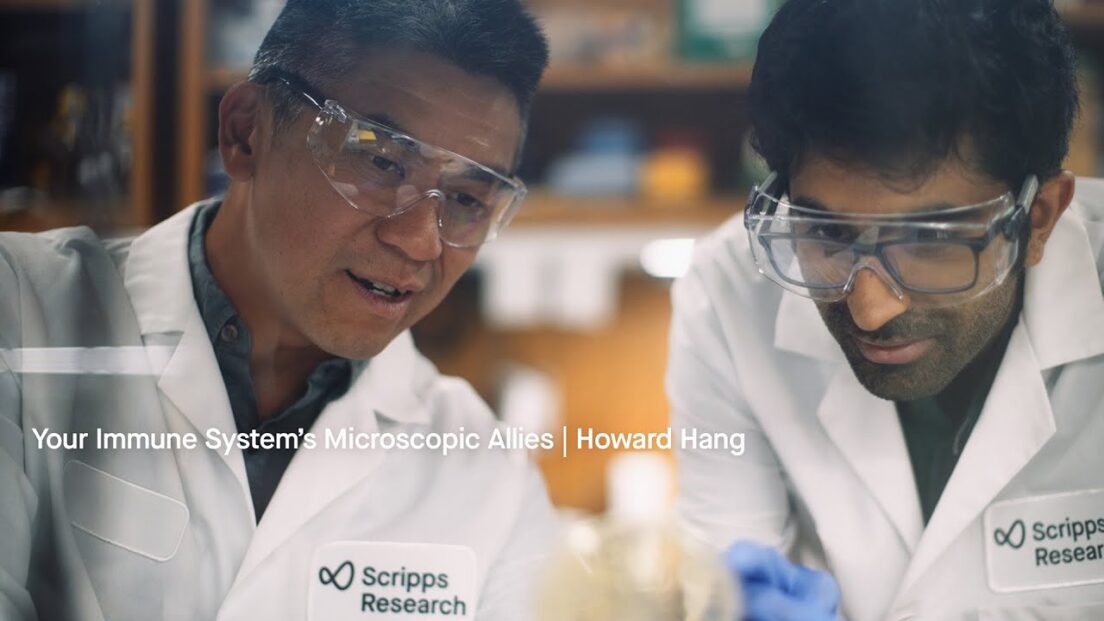
Why microbes matter: Your immune system’s microscopic allies | Behind the Bench with Howard Hang
In the world of immunology, “gut reactions” take on a whole new meaning—not emotions, but signals from tiny organisms found in the gastrointestinal tract. And at Scripps Research, Professor Howard Hang explores the surprising power of some of the smallest inhabitants: microbes. These trillions of bacteria living in the gut communicate with human cells to shape immunity, metabolism and even how the body responds to disease treatments.
Behind the Bench Immunology & Microbiology -
 VideoExplore
How microbes are rewriting the rules of immunity
How do microbes influence our immune system, and can we leverage this relationship to combat disease? In this Front Row lecture, Scripps Research professor Howard Hang delved into his lab’s innovative work at the intersection of chemistry, microbiology and immunology. By dissecting the molecular dialogues between gut bacteria and human cells, Hang’s research uncovers how microbial enzymes generate small molecules—called microbial metabolites—that can influence immune responses. These insights are paving the way for new treatments against infections, cancer and inflammatory illnesses, highlighting the powerful role that microbes play in shaping human health.
-
 VideoExplore
Expanding the drug target universe
There are countless proteins that play critical roles in disease, yet they remain challenging to target with therapeutics. In this Front Row lecture, Professor Benjamin Cravatt explained how his large-scale protein profiling research and innovative chemical technologies are helping identify novel drugs for therapeutic targets previously deemed ‘undruggable.’ Cravatt’s translational work, which is at the intersection of chemistry and biology, has also led to the formation of multiple local biotechnology companies that collectively employ hundreds of scientists who are developing first-in-class candidate medicines for diverse diseases ranging from cancer to neurological disorders.
-
 VideoExplore
Reprogramming the immune system: Precision immunotherapy for cancer and autoimmune disease
Your immune system is your body’s natural defense, capable of identifying what belongs and what doesn’t. But when it falters, it can let cancer grow unchecked or mistakenly attack your own healthy tissues, leading to autoimmune diseases. What if we could reprogram the immune system to tip the balance in our favor, gaining an advantage over both cancers and autoimmune disorders? In this Front Row lecture, Calibr-Skaggs’ vice president of biologics, Travis Young, shared how Scripps Research is using genetic engineering to reprogram patients’ own immune cells to create personalized “switchable” CAR-T cell therapies. This approach represents a new class of precision immunotherapy designed to induce deep and durable remissions in patients with a wide range of cancers, from lymphoma to breast cancer, as well as in chronic autoimmune conditions such as lupus, rheumatoid arthritis and systemic sclerosis. Young explained how this breakthrough strategy works and what it could mean for the future of medicine.
-
 VideoExplore
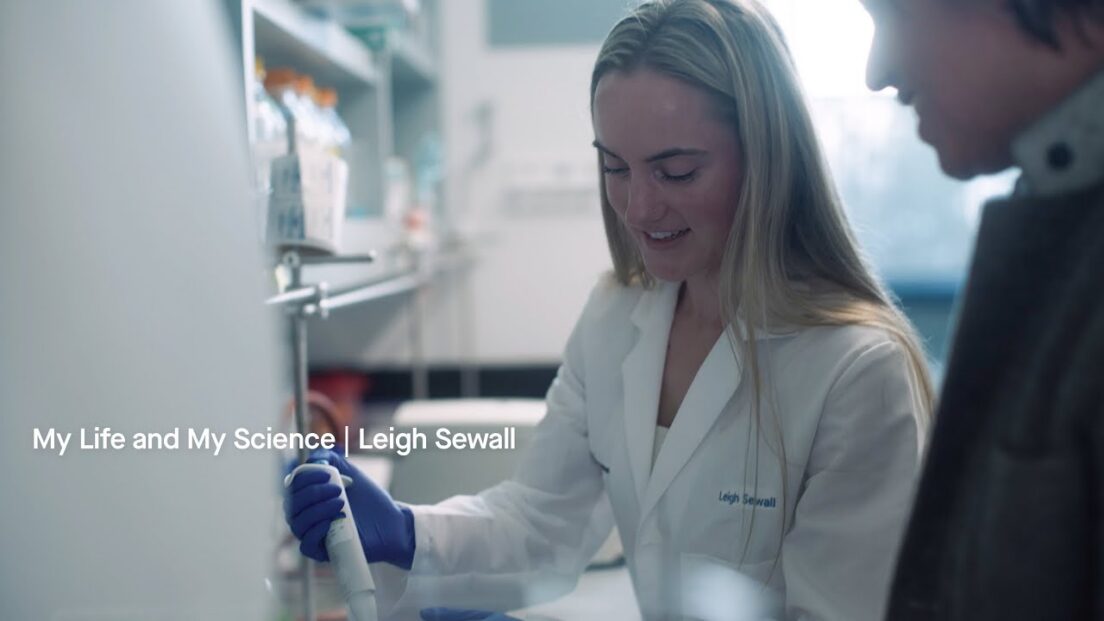
My life and my science | Behind the Bench with Graduate Student Leigh Sewall
Graduate student Leigh Sewall discusses her journey to Scripps Research, her experience in the Skaggs grad program and what it means to be a woman in STEM. Leigh is a recipient of the David C. Fairchild Endowed Fellowship in the Skaggs Graduate School of Chemical and Biological Sciences.
-
 VideoExplore
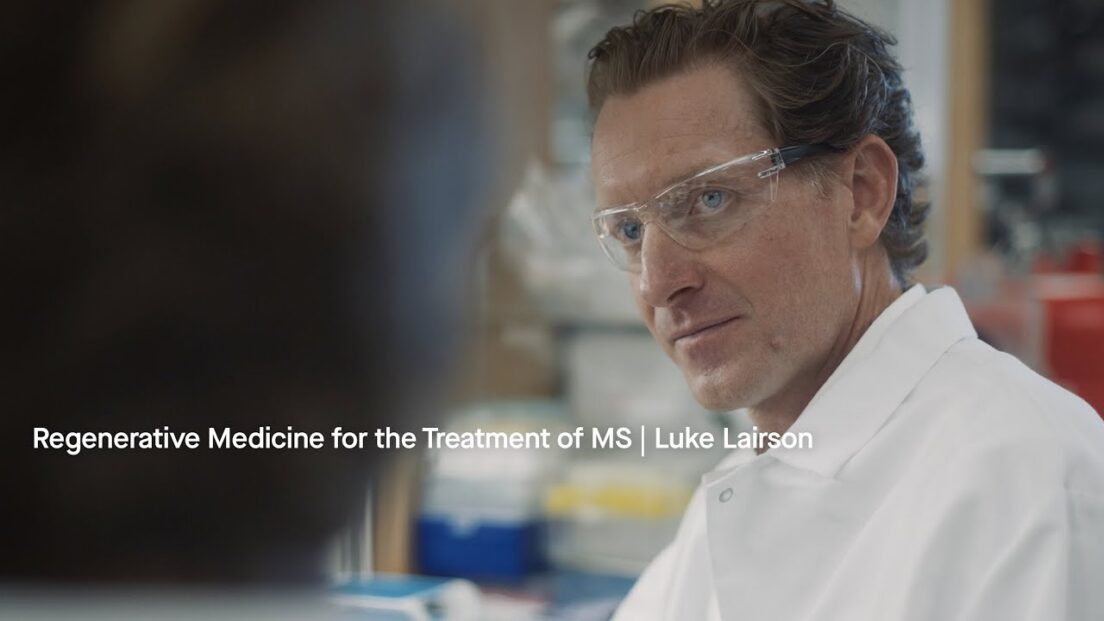
Regenerative medicine for the treatment of MS | Behind the Bench with Luke Lairson
Multiple sclerosis (MS) is a debilitating autoimmune disease that disrupts the central nervous system, causing symptoms like muscle weakness, cognitive challenges and a gradual loss of function that current treatments cannot fully repair. MS arises when the immune system attacks the myelin sheath, the protective layer insulating neurons. Scripps Research chemistry professor Luke Lairson discusses his research on the body’s natural repair pathways—specifically those that activate endogenous stem cells to restore myelin. His work aims to develop therapies that complement existing therapeutic approaches and halt MS progression.
-
 VideoExplore
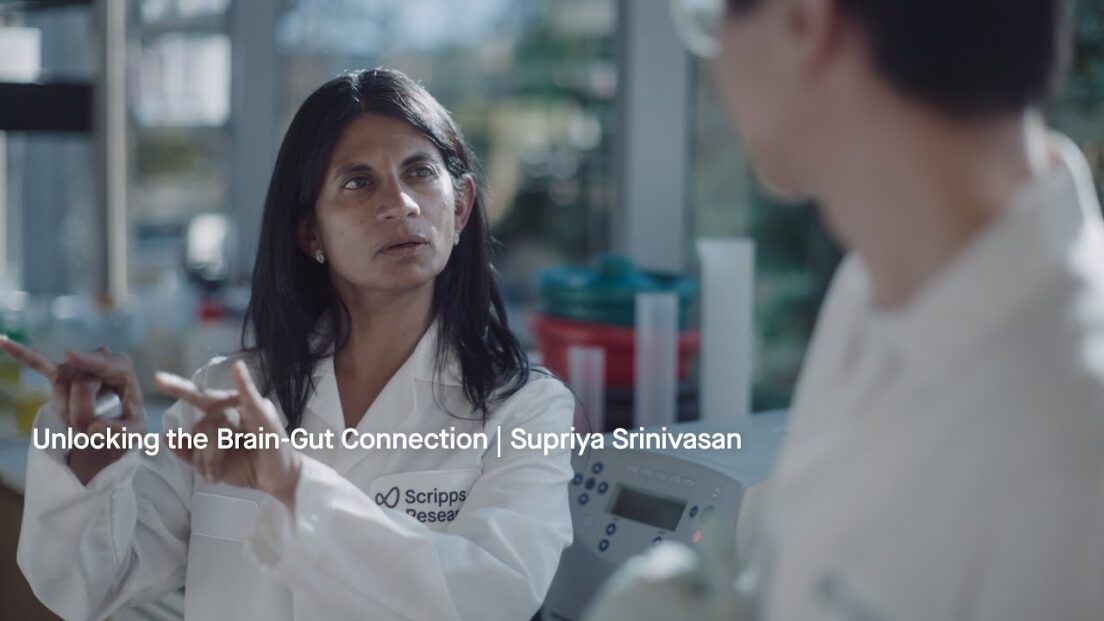
Unlocking the brain-gut connection | Behind the Bench with Supriya Srinivasan
How do our gut and brain communicate with one another, and how do they influence our metabolism, our behavior, and the aging process? Scripps Research neuroscience professor Supriya Srinivasan is dedicated to answering these pressing questions using modern genetic and molecular tools across different experimental systems. Discover how her work could lead to new therapies that restore a healthy metabolism and tackle dysregulation.
Neuroscience Behind the Bench -
 VideoExplore
A new metastatic breast cancer trial with a “switchable” CAR-T therapy
The Calibr-Skaggs Institute for Innovative Medicines, the drug development division of Scripps Research, announced a milestone in cancer treatment with the dosing of the first patient in a phase 1 trial evaluating CLBR001 + ABBV-461, a modular, switchable chimeric antigen receptor T cell (sCAR-T) therapy in patients with advanced or metastatic breast cancer who have no suitable treatment options. This is the first study of the sCAR-T platform in solid tumors. CAR-T therapy has been transformative for patients with hematological malignancies who failed numerous prior treatments. However, conventional CAR-T therapies have not yet been as successful at treating patients with solid tumors. This challenge is what Calibr-Skaggs’ switchable CAR-T cell therapy platform was designed to address.
-
-
 VideoExplore
The science of longer, healthier lives
How close are we to a future where aging is no longer a barrier to vitality? Scripps Research executive vice president and professor Eric Topol discussed the themes of his new book on longevity. Drawing on the latest breakthroughs, he explored how innovations in artificial intelligence and drug discovery are combating chronic diseases like cancer, diabetes and neurodegeneration. Topol revealed how these advances are not only extending lifespans but also improving health at every stage of life.
-
 VideoExplore
Skaggs Graduate School at Scripps Research | 33nd Annual Commencement Ceremony
The Skaggs Graduate School of Chemical and Biological Sciences at Scripps Research is pleased to present our 2025 Commencement, celebrating our 61 newest doctoral degree recipients who comprise Scripps Research’s 33rd and largest-ever graduating class. Held on Friday, May 16, 2025, the event featured remarks by Professor Keary Engle, dean of graduate and postdoctoral studies, Scripps Research President and CEO Pete Schultz, along with introductions of the graduating students by their faculty mentors, each recognizing their student’s academic achievements and scientific accomplishments. We hope you enjoy this celebration of research and discovery, as well as the tenacity, creativity and incredible promise demonstrated by these young scientists.
-
 VideoExplore
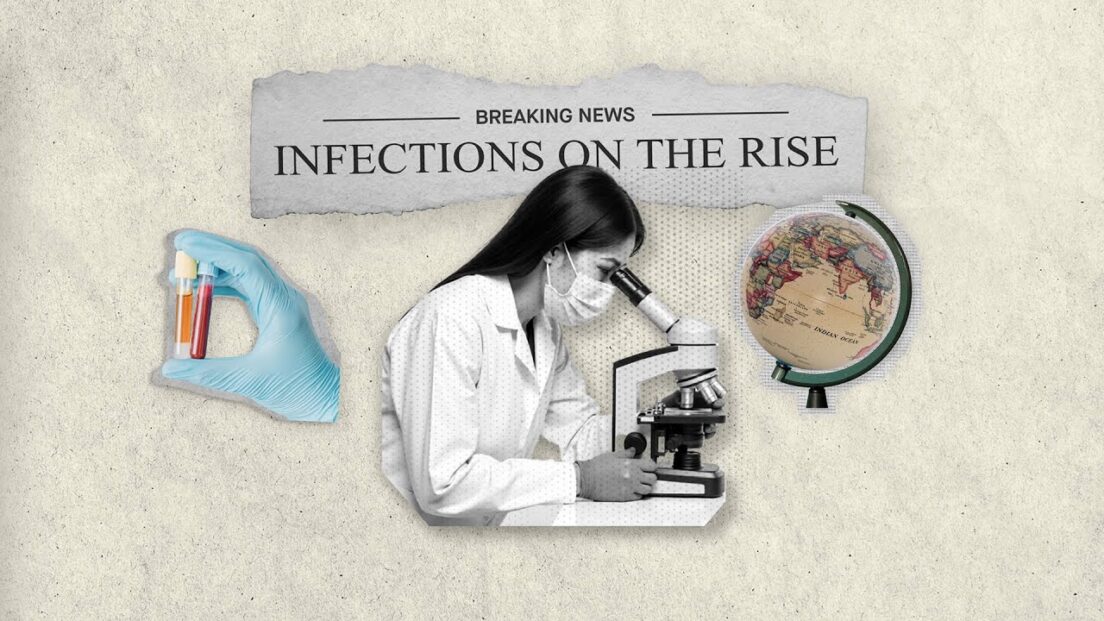
How scientists are preparing for a possible H5N1 pandemic
Scientists are looking for ways to prepare for the next viral pandemic. One virus in particular, the H5N1 flu virus, has the potential to be deadly and devastating, but there are ways we can prepare by focusing on efforts around surveillance, diagnostics, antivirals and vaccines.
H5N1 Infectious Diseases -
 VideoExplore
The John C. Martin Memorial Lectureship | 2025
Honoring the legacy of the renowned scientist, visionary businessman and global health pioneer John C. Martin, this annual event celebrates scientific advancements and collaboration across academia and industry with the goal of benefitting human health. Keynote speakers include Steven McKnight (UT Southwestern Medical Center) and Gregg Alton (Gilead).
Philanthropy Events -
 VideoExplore
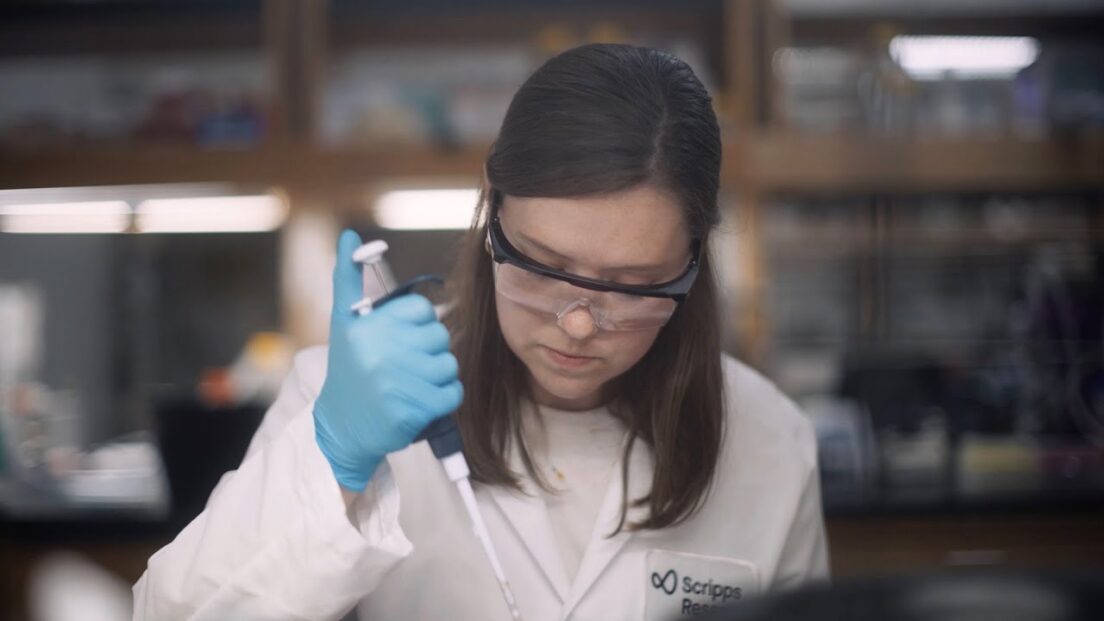
Inspiring the next generation of scientific leaders
Ranked by the Nature Index among the world's top five most innovative institutes, we empower scientists to pursue high-risk, high-reward ideas that transform our understanding of the world around us and lead to new technologies that shape that world. Through our Skaggs Graduate School of Chemical and Biological Sciences we’re inspiring and training the next generation of scientific leaders, ensuring the continued trajectory of scientific excellence for generations to come.
Graduate Program -
 VideoExplore
Front Row spotlight with Eric Topol
How close are we to a future where aging is no longer a barrier to vitality? Scripps Research executive vice president and professor Eric Topol will discuss the themes of his new book on longevity. Drawing on the latest breakthroughs, he’ll explore how innovations in artificial intelligence and drug discovery are combating chronic diseases like cancer, diabetes and neurodegeneration. Topol will reveal how these advances are not only extending lifespans but also improving health at every stage of life.
-
 VideoExplore
Precision immunotherapy: How “switchable” CAR-Ts work in cancer and autoimmune diseases
What if we could control powerful CAR-T cell therapies like flipping a switch? At the Calibr-Skaggs Institute for Innovative Medicines at Scripps Research, we're pioneering a next-generation "switchable" CAR-T (sCAR-T) platform—designed to tackle cancer and autoimmune diseases with greater precision, safety and durability. Traditional CAR-T has been highly successful, but multiple barriers remain: off-target toxicity, T-cell ‘exhaustion’ (weakening of CAR-T cell response over time), and manufacturing challenges restrict the widespread use and application of traditional CAR-T to solid tumors. Our platform features a universal design with antibody-based “switches” that are selective for multiple disease-related targets—increasing specificity while reducing potential off-target effects. Preliminary results from our phase 1 trial in B-cell malignancies are promising, and we're now gearing up to expand into solid tumors and autoimmune conditions. Watch to see how this innovative approach could transform the future of immunotherapy.
-
 VideoExplore
Can a “switchable” CAR-T reverse autoimmune diseases—without chemotherapy? | Upcoming clinical trial
CAR-T cell therapy has shown remarkable promise in treating autoimmune diseases by effectively “resetting” the immune system—improving patient outcomes and reducing the need for lifelong immunosuppressive drugs. However, traditional CAR-T therapies require lymphodepletion, a chemotherapy-based process that can lead to significant side effects and limit accessibility. At the Calibr-Skaggs Institute for Innovative Medicines at Scripps Research, we're advancing a novel “switchable” CAR-T platform designed to eliminate the need for lymphodepletion. This approach may significantly reduce treatment-related toxicity and broaden the availability of CAR-T therapy to a wider patient population. Our upcoming phase 1 clinical trial will evaluate the safety and efficacy of our switchable CAR-T cell therapy (CLBR001) and antibody switch (SWI019) in patients with myositis, systemic sclerosis, lupus and rheumatoid arthritis—with the potential to expand into additional indications in the future.
-
 VideoExplore
Regenerative medicine for the treatment of MS: Enhancing repair to prevent progression
Multiple sclerosis (MS) is a debilitating autoimmune disease that disrupts the central nervous system, causing symptoms like muscle weakness, cognitive challenges and a gradual loss of function that current treatments cannot fully repair. MS arises when the immune system attacks the myelin sheath, the protective layer insulating neurons. In this Front Row lecture, Scripps Research chemistry professor Luke Lairson discussed his research on the body’s natural repair pathways—specifically those that activate endogenous stem cells to restore myelin. His work aims to develop therapies that complement existing therapeutic approaches and halt MS progression.