History of Scripps Research

2020–2026

Scripps Research enjoys a rich history of academic and scientific achievement. Its world-class faculty and visionary leadership have partnered to create a top-ranked nonprofit biomedical research institute that translates discoveries into new medicines while training the next generation of scientists.

2020–2026

2026

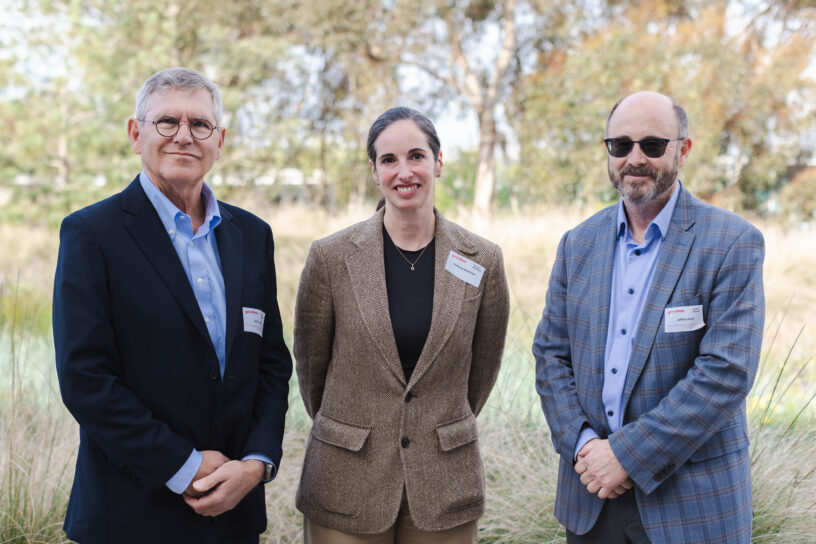
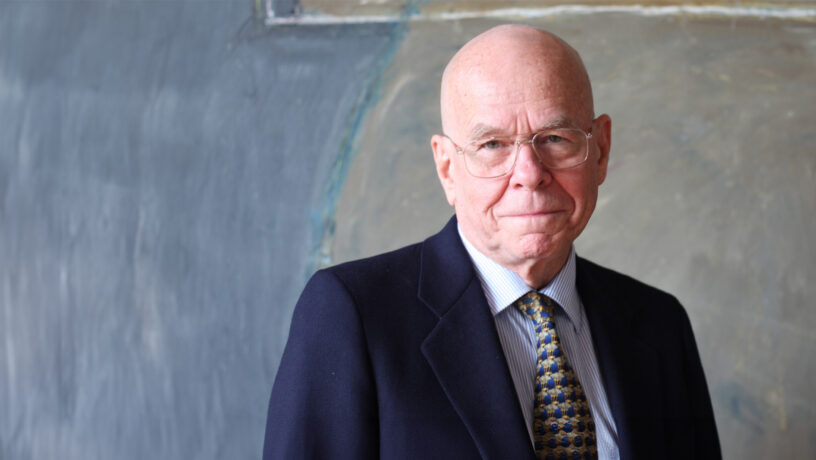
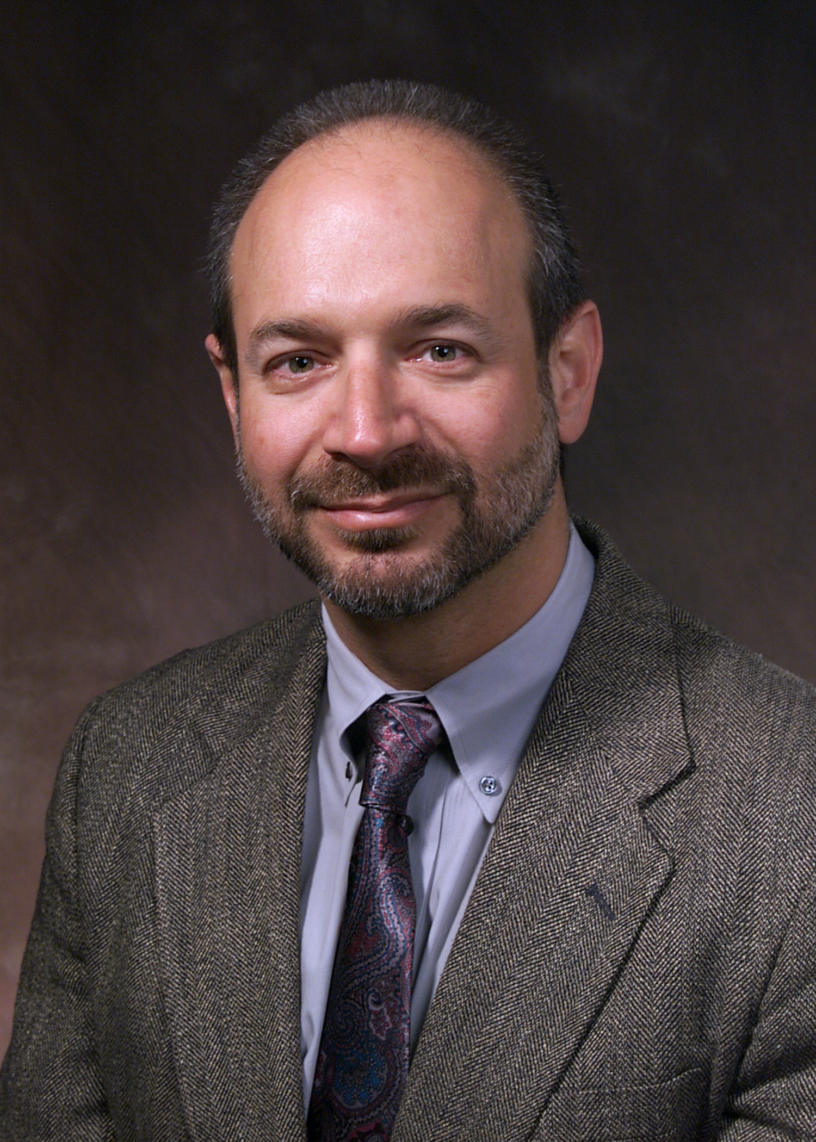
Jeffery Kelly, PhD, and John Yates III, PhD, are named laureates of the 2026 Canada Gairdner International Award, one of the most prestigious honors in biomedical science.
John Yates III, PhD, and Jeffery Kelly, PhD.

2026

Chemist Jin-Quan Yu, PhD, is elected to the National Academy of Sciences and he is elected a Fellow of the Royal Society.

2026

Darrell Irvine, PhD, is featured in the 2026 TIME100 Health list of individuals who most influenced global health over the previous year. Irvine is known for his work empowering the immune system to fight disease, which includes enhancing vaccines against HIV and cancer.
Darrell Irvine, PhD

2025

MODEYSOTM (dordaviprone) is approved by the FDA to treat diffuse midline glioma, an ultra-rare, aggressive brain cancer primarily affecting children and young adults. Chemists in the lab of Kim Janda, PhD, contributed to the development of the new medicine.

2024

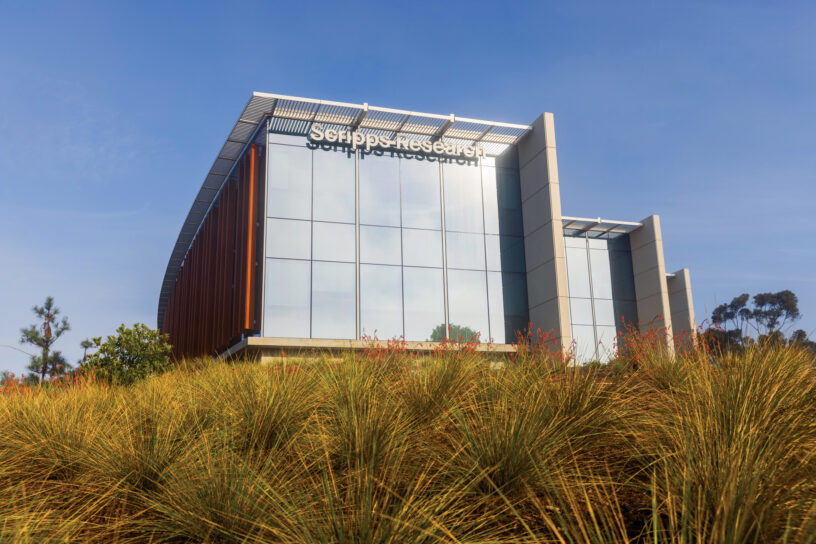
The Chi-Huey Wong Laboratories for Biomedical Research opens as one of the largest facilities built by the institute, marking a significant milestone in Scripps Research’s efforts to enable interdisciplinary collaborations across chemical and life sciences.

2024

Calibr, the drug discovery division of Scripps Research, is renamed the Calibr-Skaggs Institute for Innovative Medicines after a significant donation from the ALSAM Foundation, founded by L.S. “Sam” and Aline W. Skaggs.

2024

Donna Blackmond, PhD, is elected a Fellow of the Royal Society of the United Kingdom.

2024

Scripps Research kicks off its centennial year, celebrating 100 years of groundbreaking scientific discovery since its founding by philanthropist and journalist Ellen Browning Scripps.
Scripps Research celebrates its centennial

2023

Jeffery Kelly, PhD, is elected to the National Academy of Sciences and he wins the prestigious Wolf Prize in Chemistry.

2022

K. Barry Sharpless, PhD, receives the 2022 Nobel Prize in Chemistry for the development of click chemistry. This is his second Nobel, making him one of only two scientists to win two Nobel Prizes in Chemistry.
K. Barry Sharpless, PhD, wins his second Nobel Prize

2022

Benjamin Cravatt, PhD, wins the prestigious Wolf Prize in Chemistry.

2021

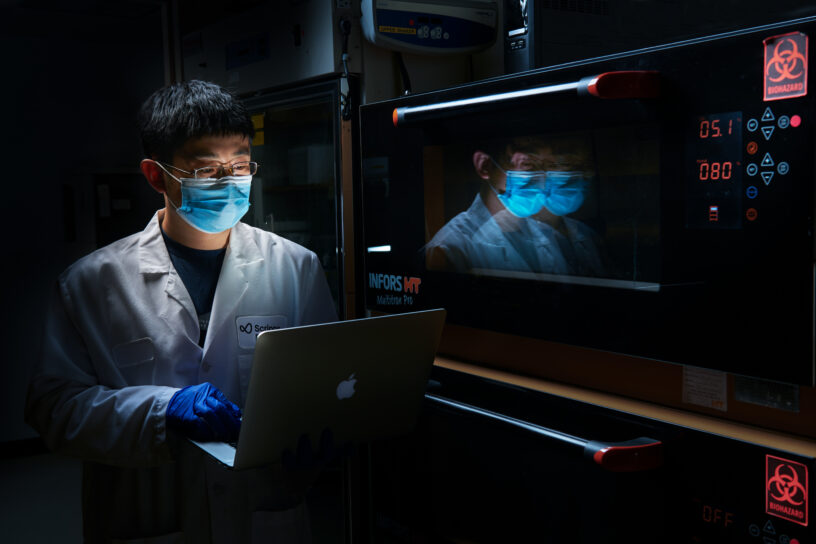
COVID-19 vaccines are developed and FDA approved in record time with key innovations from scientists at Scripps Research, including the laboratory team of Andrew Ward, PhD. These vaccines help protect people from SARS-CoV-2, the coronavirus that causes COVID-19.
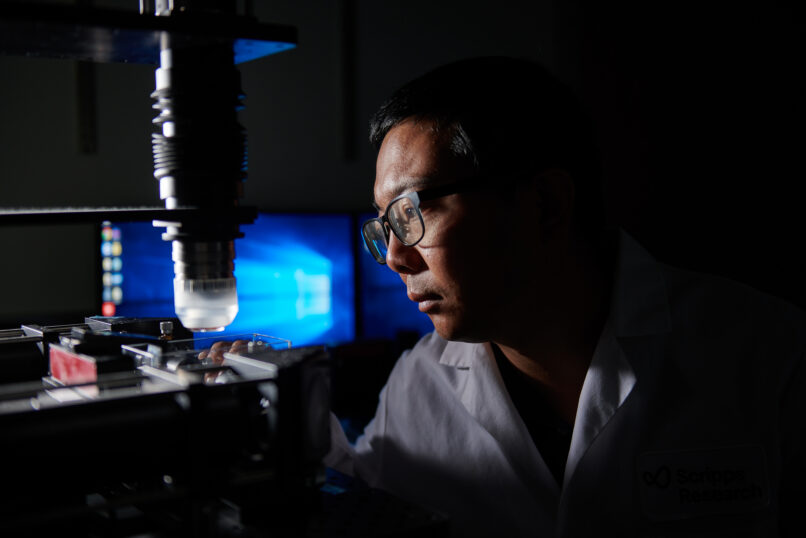
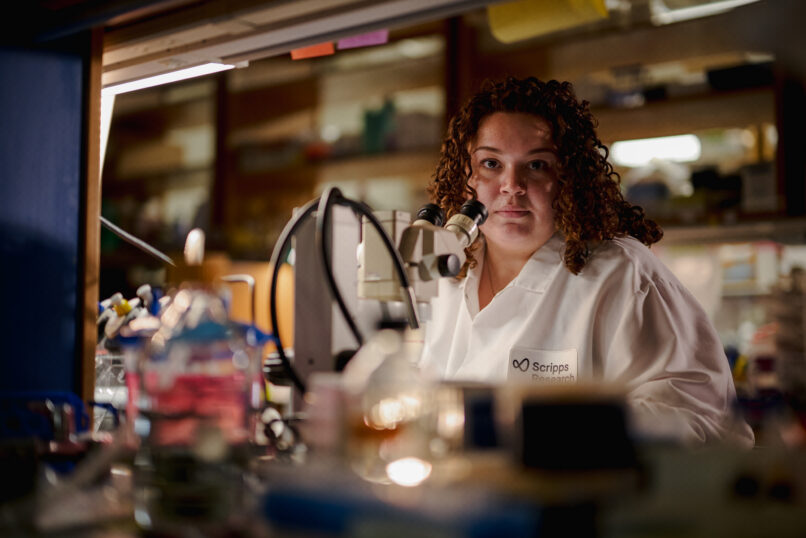
A Scripps Research scientist in the lab

2021

Biochemist Jeffery Kelly, PhD, wins the 2022 Breakthrough Prize in Life Sciences for demonstrating that nervous system and heart diseases can be caused by protein clumping-associated toxicity, and for inventing tafamidis, a medication to slow the progression of such diseases.

2020

TRODELVY® (sacituzumab govitecan-hziy), invented with the aid of click chemistry, is approved by the FDA as a novel treatment for bladder cancer, urinary tract cancers and triple-negative breast cancer.

2020

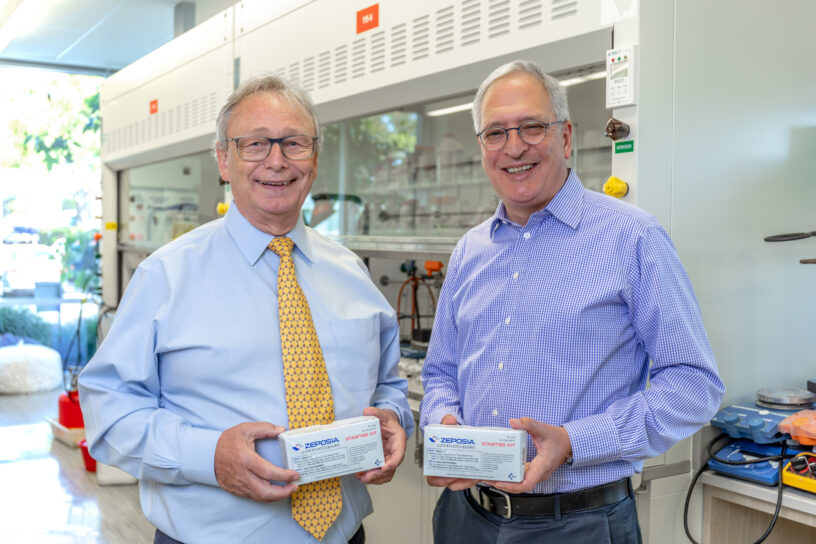
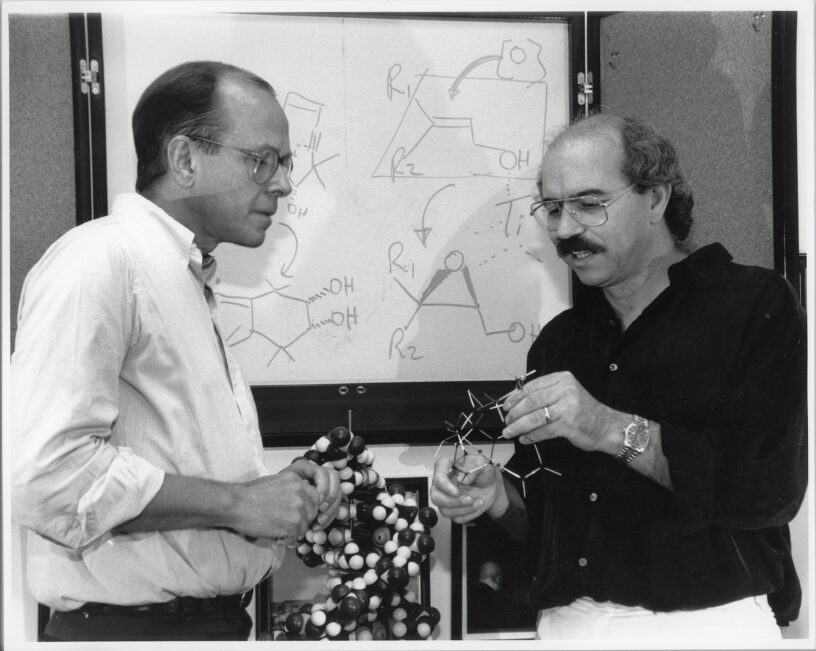
ZEPOSIA® (ozanimod) is approved by the FDA for the treatment of adults with relapsing forms of multiple sclerosis. Hugh Rosen, MD, PhD, and Edward Roberts, PhD, along with their laboratory teams discovered and developed the drug.
Edward Roberts, PhD, and Hugh Rosen, MD, PhD

2026

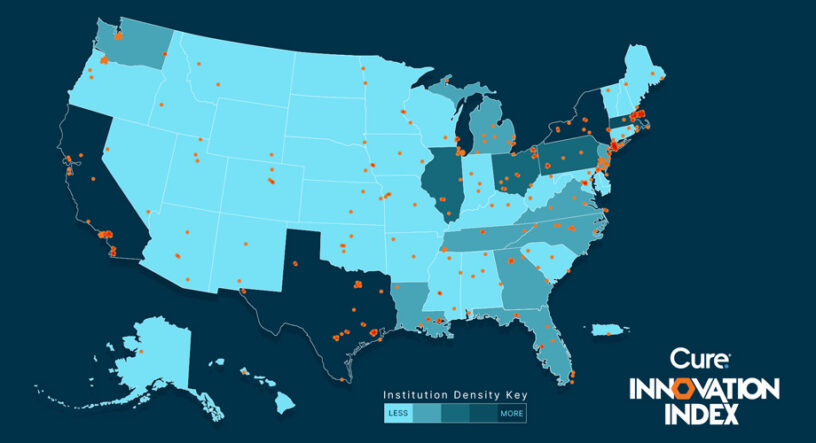
Scripps Research ranks third in the inaugural Cure Innovation Index, which recognizes the top-performing institutes and centers across the U.S. The Index measures how effectively U.S. biomedical institutions translate scientific discovery into real-world healthcare solutions and treatments.
Scripps Research ranks among top three high-performing institutes

2026

U.S. News & World Report ranks the Skaggs Graduate School #1 in Biological Sciences (tied with MIT) in its 2026 rankings of the Best Science Schools.

2025

The FDA approves ENCELTO, a first-of-its-kind eye implant that slows vision loss in rare eye disease. The research of Martin Friedlander, PhD, along with that of others, helped pave the way for ENCELTO.

2025

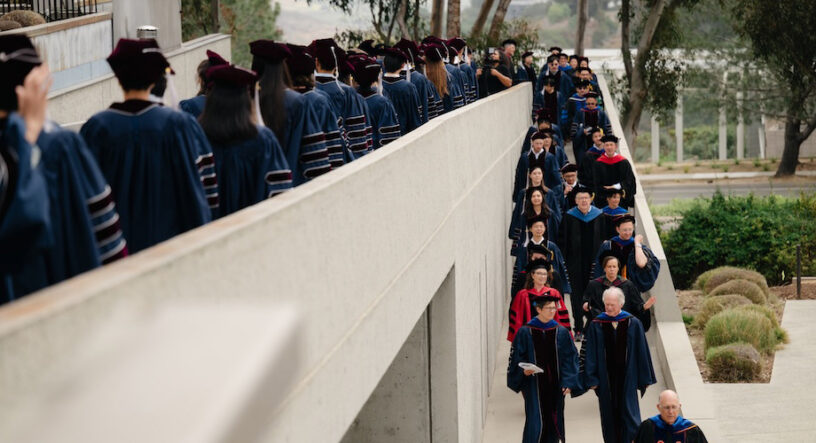
The Skaggs Graduate School awards 61 doctoral degrees to its 33rd graduating class. The ceremony in June represented the largest graduating class since the doctoral program’s inception in 1989.
Largest graduating class since program's inception

2024

Executive Vice President Eric Topol, MD, is featured in the inaugural TIME100 Health list of most influential people working in global health, recognizing people who are spearheading efforts to improve health worldwide through scientific research and innovation.
Eric Topol, MD

2024

Professor emeritus John (Jack) Johnson, PhD, is elected to the National Academy of Sciences.

2024

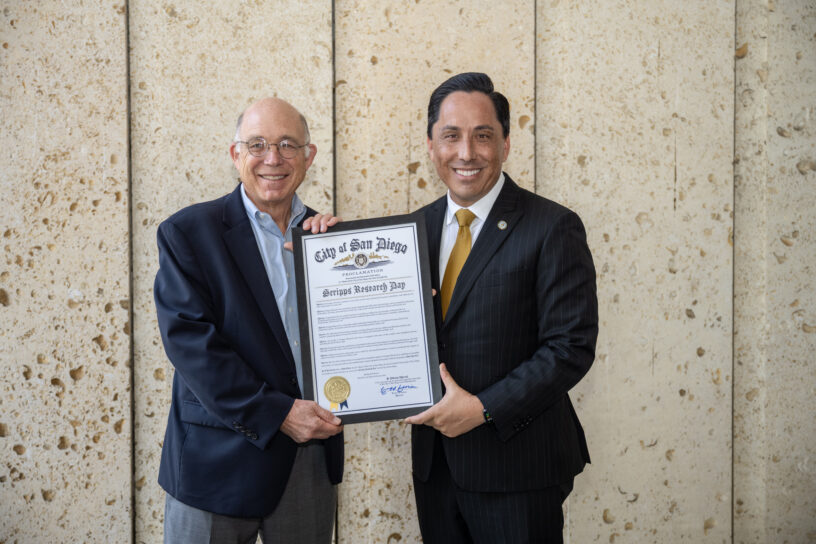
The City of San Diego declares February 15 as Scripps Research Day in honor of the institute’s centennial year and scientific achievements.
Scripps Research Day in San Diego

2023

Scripps Research establishes the Collaborative Innovation Fund to support new research that could lead to paradigm-shifting breakthroughs. Its inaugural recipients include chemists Ahmed Badran, PhD, Phil Baran, PhD and Jin-Quan Yu, PhD; neuroscientists Xin Jin, PhD and Li Ye, PhD, and molecular biologist Ilia Droujinine, PhD.
The Collaborative Innovation Fund catalyzes discovery

2022

Scripps Research breaks ground on its East Campus for an 83,000-square-foot, ultramodern research facility destined to house collaborative teams of chemists, structural biologists and molecular medicine specialists focused on translating scientific insights into new drugs. Honoring one of the institute’s top glycobiologists, The Chi-Huey Wong Laboratories for Biomedical Research rises at the gateway to the life sciences community in San Diego.
Chi-Huey Wong Laboratories for Biomedical Research

2022

Scripps Research receives a $67 million award from the National Institute of Allergy and Infectious Diseases, part of the National Institutes of Health, to establish and lead a Center for Antiviral Medicines and Pandemic Preparedness (CAMPP). A U.S. government response to the COVID-19 pandemic, the center focuses on near-term development of drugs against viruses with high pandemic potential.

2022

Hollis Cline, PhD, Jane Dyson, PhD, and Jamie Williamson, PhD, are elected to the National Academy of Sciences.

2021

Neuroscientist Ardem Patapoutian, PhD, receives the 2021 Nobel Prize in Physiology or Medicine for discovering receptors critical to temperature and touch.
Ardem Patapoutian, PhD, wins the 2021 Nobel Prize

2021

Donna Blackmond, PhD, is elected to the National Academy of Sciences.

2020

Scientists at Scripps Research make notable contributions toward combating the COVID-19 pandemic, including identifying the evolutionary origin of the SARS-CoV-2 virus, discovering antibodies that protect against the virus, creating key elements of the first experimental COVID-19 vaccines and launching a nationwide study using data from wearables to flag the onset of illness.

2020

Scripps Research scientists partner with peers in the U.S. and West Africa to establish the West African Research Network for Infectious Diseases. The center’s scientists aim to investigate the prevalence, dynamics and genomic epidemiology of viruses that pose the highest risk to national security and public health.
2000–2019

2019

Nature Index again ranks Scripps Research first in the United States, and second in the world, among stand-alone scientific institutes, based on discoveries by the institute’s researchers published in leading scientific journals.

2019

The Scripps Consortium for HIV/AIDS Vaccine Development (CHAVD), an international collaboration led by Scripps Research, receives $129 million in funding from the National Institutes of Health. The award supports the advance of next-generation vaccines designed to coax the immune system into producing antibodies capable of disarming numerous strains of HIV.

2018

PALYNZIQ® (pegvaliase-pqpz), a novel enzyme therapy for adults with phenylketonuria (PKU), a rare and serious genetic disease, is approved by the FDA.

2018

Calibr, founded by Peter Schultz, PhD, in 2012, completes a merger with Scripps Research, becoming the institute’s drug discovery and development division. Its world-class infrastructure and exceptional drug development expertise result in a portfolio of 50+ drug candidates within its first 10 years, with several in clinical trials in patients.
Calibr ReFrame Library

2018

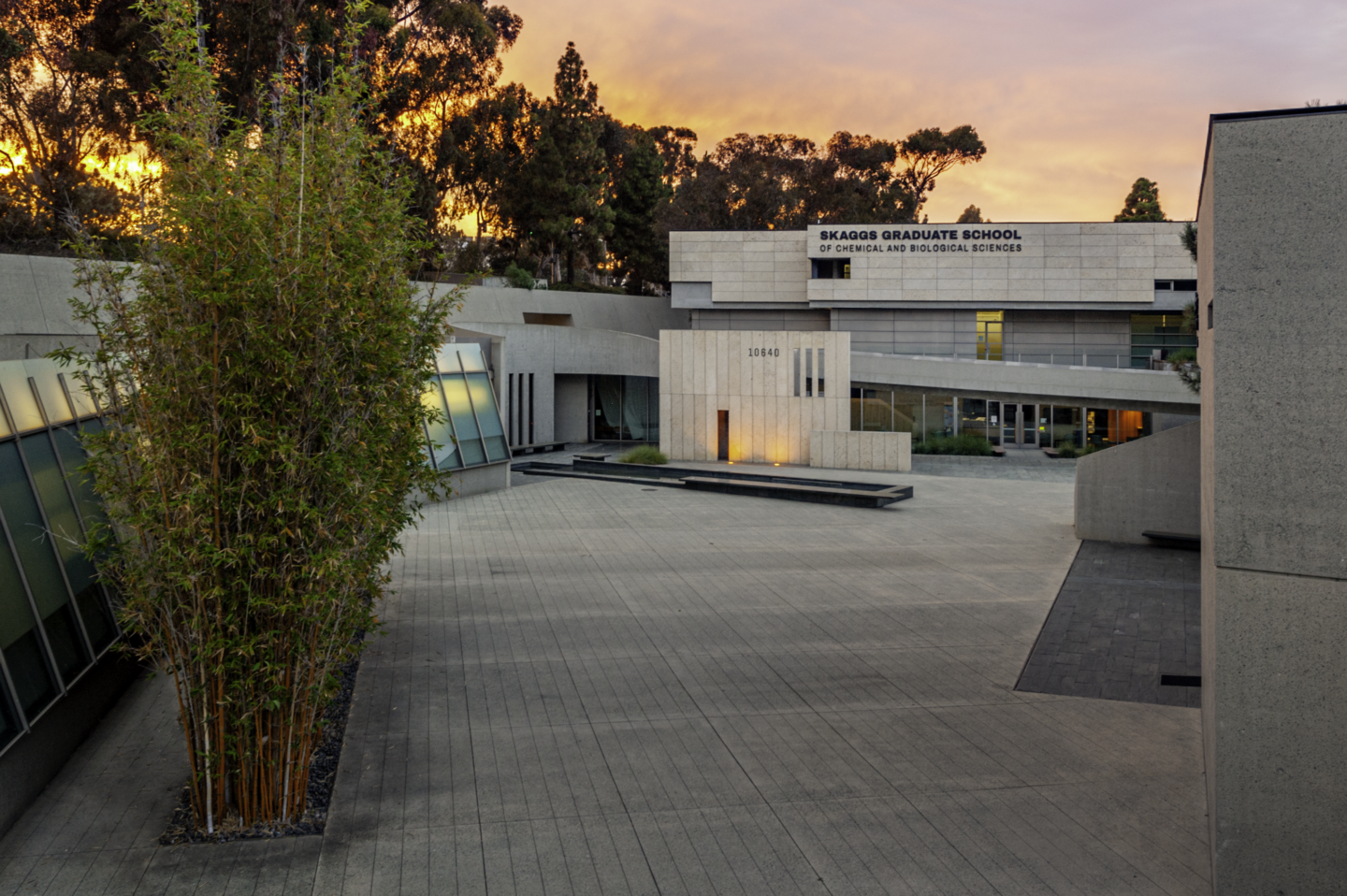
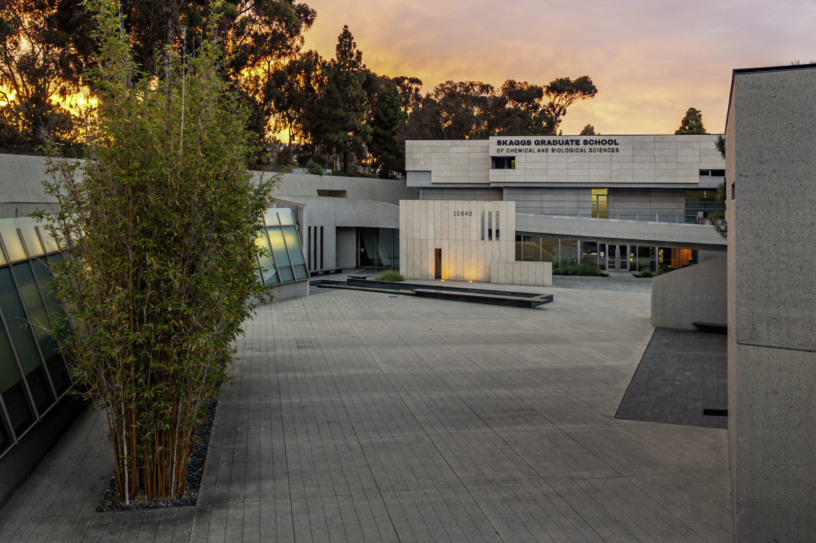
Members of the Skaggs family, longtime supporters of the institute, make a lead gift through their foundations toward the institute's $100 million campaign to establish endowed fellowships for all students in its graduate program. In recognition of this gift, the program is renamed the Skaggs Graduate School of Chemical and Biological Sciences.

2017

Scripps Research launches its Scripps Fellows program, designed to identify the next generation of scientific leaders and set them up for impactful careers.

2017

Scripps Research is named the most influential research institution in the world, according to the Nature Index 2017 Innovation supplement, which sheds light on the impact of academic research on innovation.
Nature Index ranks Scripps Research

2016

Synthetic chemist Jin-Quan Yu, PhD, is named a MacArthur Fellow for his work “pioneering new methods for the catalysis and functionalization of carbon-hydrogen bonds and enabling the development of versatile, novel and beneficial chemical compounds.”

2016

Scripps Research establishes a strategic affiliation with the nonprofit California Institute for Biomedical Research (Calibr) with the goal of accelerating the translation of basic research into new medicines that address unmet medical needs.

2015

UNITUXIN (dinutuximab)‎: Work in the lab of Ralph Reisfeld, PhD, leads to the approval of Unituxin by the FDA to treat high-risk cases of neuroblastoma, the second-leading form of childhood cancer.

2015

PORTRAZZA® (necitumumab) is approved by the FDA. Used in combination with existing chemotherapies to treat metastatic squamous non-small cell lung cancer, it provides patients a new option.

2014

CYRAMZA (ramucirumab) is approved by the FDA as a treatment for gastric cancer and non-small cell lung cancer, marking another medicine with origins at Scripps Research.

2014

Dale Boger, PhD, and Benjamin Cravatt, PhD, are elected to the National Academy of Sciences.

2013

Donna Blackmond, PhD, a professor in the Department of Chemistry, is elected as a member of the National Academy of Engineering.

2011

BENLYSTA (belimumab): Scientific findings and advances from the lab of Richard Lerner, MD, lead to the approval of Benlysta by the FDA to treat the most common type of systemic lupus erythematosus (lupus). Benlysta is the first new lupus therapy in more than 50 years.

2011

Bruce Beutler, MD, wins the 2011 Nobel Prize in Physiology or Medicine for discoveries concerning the activation of innate immunity. At the time of the award, Beutler is chair of the Department of Genetics at Scripps Research.
Bruce Beutler, MD

2010

The institute dedicates the Dorris Neuroscience Center on May 25, 2010, officially launching the newly consolidated center established with financial gifts from Helen Dorris. Ulrich Mueller, PhD, is director of the new center.
Helen Dorris, founding philanthropist of the Dorris Neuroscience Center.

2009

The new Florida facility, comprising three state-of-the-art buildings and more than 350,000 square feet of space, opens in Jupiter. Research on the new campus focuses on basic biomedical science, drug discovery and technology development. Years later, in 2022, the campus completes an integration with the University of Florida, becoming UF Scripps Biomedical Research.

2008

Michael B.A. Oldstone, MD, and Peter Wright, PhD, are elected to the National Academy of Sciences.

2006

ABTHRAX: An experimental treatment for inhalation anthrax, developed by scientists at Scripps Research, is purchased by the U.S. government to protect against potential bioterror attack.

2004

Eric Topol, MD, is elected to the National Academy of Medicine.

2003

Francis Chisari, MD, and Peter Vogt, PhD, are elected to the National Academy of Medicine.

2002

Chi-Huey Wong, PhD, and Francis Chisari, MD, are elected to the National Academy of Sciences.

2002

HUMIRA (adalimumab): By searching among billions of antibody variants taken from human blood samples, a technique called “combinatorial antibody libraries” enables scientists to identify human antibodies that bind to specific targets involved in disease. This work, stemming from research in the lab of Richard Lerner, MD, leads to development of the drug, Humira, which is approved by the FDA to treat rheumatoid arthritis. Humira will later be approved for the treatment of psoriatic arthritis (2005), ankylosing spondylitis (2006), Crohn's disease (2007), plaque psoriasis (2008), juvenile idiopathic arthritis (2008) and moderate-to-severe ulcerative colitis (2012).

2001

K. Barry Sharpless, PhD, receives the Nobel Prize in Chemistry for his work on chirally catalyzed oxidation reactions.
K. Barry Sharpless, PhD

2019

VYNDAQEL® (tafamidis meglumine) is approved by the FDA for the treatment of transthyretin familial amyloid polyneuropathy (TTR-FAP), a rare and fatal neurodegenerative disease. Work headed by Jeffery Kelly, PhD, the Lita Annenberg Hazen Professor of Chemistry at Scripps Research, results in the drug’s discovery and development.

2019

MAVENCLAD® (cladribine, oral) is approved as the first short-course oral medicine for patients with relapsing forms of multiple sclerosis.

2018

TAKHZYRO® (lenadelumab-flo) is approved by the FDA to help prevent attacks of hereditary angioedema, a rare disorder that disrupts the normal flow of blood and other fluids in the body.

2018

Scripps Research ranks top stand-alone scientific institute in the United States for producing high-quality research by Nature Index, based on discoveries published in leading scientific journals.

2017

After a decade-long partnership, Scripps Research and the Scripps Translational Science Institute merge, with the latter becoming the Scripps Research Translational Institute. Today, the Translational Institute works to individualize healthcare by leveraging the remarkable progress being made in human genomics and combining it with the power of wireless digital technologies.

2017

BAVENCIO® (avelumab) is approved by the FDA as the first treatment for patients with metastatic Merkel cell carcinoma. It is currently used to confront other carcinomas as well.

2017

Ardem Patapoutian, PhD, and Phil Baran, PhD, are elected to the National Academy of Sciences. Benjamin Cravatt, PhD, is elected to the National Academy of Medicine.

2016

The Scripps Research Translational Institute, a center run through Scripps Research, receives a record $207 million in National Institutes of Health funding as part of its national All of Us Research Program.

2016

Ian Wilson, DPhil, DSc, is elected as a foreign associate of the National Academy of Sciences.

2015

Peter Schultz, PhD, is named chief executive officer and vice chair of Scripps Research. The following year, he is named president. He sets about implementing a novel model at the institute: basic research will seed drug discovery, new candidate medicines will be developed and advanced through pre-clinical and early clinical trials by the institute itself (thus capturing more of their value), strategic alliances will be formed with pharmaceutical companies to bring these novel medicines to market, and subsequent royalties will be reinvested in further basic research. Scripps Research thus creates a self-sustaining model for nonprofit research, amplifying the impact of federal and philanthropic support along the way.

2015

Times Higher Education, a weekly magazine based in London, ranks Scripps Research #1 in the world in the production of impactful scientific papers cited in patent applications.

2014

Chi-Huey Wong, PhD, wins the prestigious Wolf Prize in Chemistry.
Chi-Huey Wong, PhD

2013

Chemistry professor Phil Baran, PhD, is named a MacArthur Fellow for his work “inventing efficient, scalable and environmentally sound methods for recreating in the laboratory natural products with potential pharmaceutical applications.”

2012

SURFAXIN (lucinactant): Stemming from two decades of work performed by Charles Cochrane, MD, Surfaxin is approved by the FDA to treat respiratory distress syndrome (RDS), a condition that strikes preterm infants whose lungs lack surfactant, a coating of rigid proteins that keeps the spherical air sacs in the lungs from collapsing. The drug subsequently helps thousands of premature infants.
Charles Cochrane, MD

2011

Thomson Reuters ranks Scripps Research #1 in the world in chemistry for the decade 2001-2011. The citation rate per 1,000 or more papers from Scripps Research faculty is 41.7, besting the citation rate at Harvard, Rice and Caltech.

2010

Kurt Wüthrich, PhD, is elected a Fellow of the Royal Society.

2009

Biologist Kristin Baldwin, PhD, successfully creates live mice from mouse skin cells, without using embryonic stem cells or cloning techniques that require eggs. This innovation opens the door to the development of promising therapies, such as using a patient's own cells to grow replacement organs.

2009

Scripps Research virologist Erica Ollmann Saphire, PhD, publishes the first study showing the shape of the Ebola virus spike protein, which is necessary for viral entry into human cells. The structure provides a major step forward in understanding how the deadly virus works and may be useful in the development of potential Ebola virus vaccines or treatments for those infected.

2008

Scripps Research virologist Erica Ollmann Saphire, PhD, publishes the first study showing the shape of the Ebola virus spike protein, which is necessary for viral entry into human cells. The structure provides a major step forward in understanding how the deadly virus works and may be useful in the development of potential Ebola virus vaccines or treatments for those infected.

2005

Paul Schimmel, PhD, is elected to the National Academy of Medicine.

2003

Scripps Research announces the establishment of a major science center in Palm Beach County, Florida, focusing on biomedical research, technology development and drug discovery, funded by the State of Florida via economic development funds as well as local government.

2003

The institute receives $3 million from Mark Pearson (who originally remained anonymous) to establish The Pearson Center for Alcoholism and Addiction Research at Scripps Research. The center combines biomedical research with clinical applications. George Koob, PhD, leads the new center.
Mark Pearson, founding philanthropist for the Pearson Center for Alcoholism and Addiction Research

2002

Kurt Wüthrich, PhD, receives the Nobel Prize in Chemistry for his development of nuclear magnetic resonance spectroscopy for determining the three-dimensional structure of biological macromolecules in solution.
Kurt Wüthrich, PhD, 2002

2001

The world’s largest nuclear magnetic resonance (NMR) magnet ever constructed arrives at the institute, where it is assembled into the most sensitive NMR instrument on the planet.

2000

Ian Wilson, DPhil, DSc, is elected a Fellow of the Royal Society.
1980–1999

1999

Only 10 years after its founding, the graduate school at Scripps Research is ranked one of the 10-best programs of its kind in the nation by U.S. News & World Report, an honor it maintains to the present.
The graduate school is ranked in the top 10

1997

Thomas Edgington, MD, is elected to the National Academy of Medicine.

1996

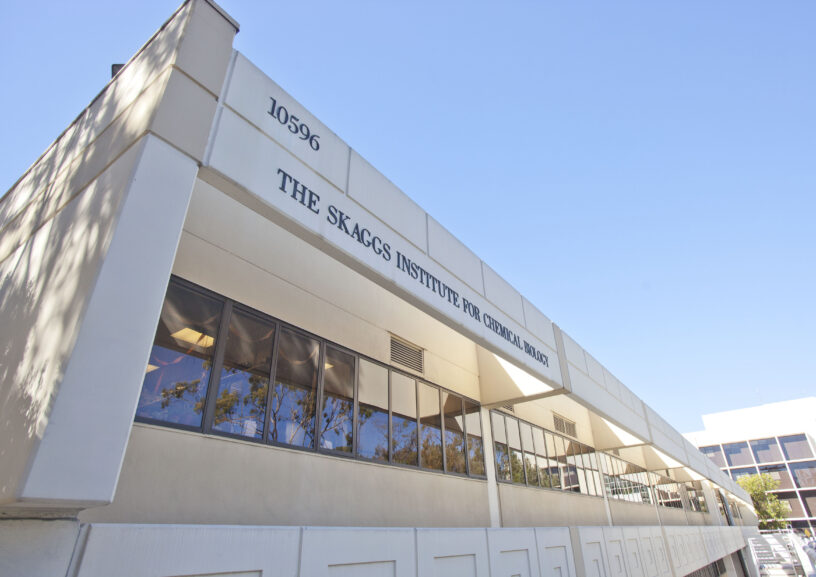
The Skaggs Institute for Chemical Biology is established at Scripps Research, thanks to a $100 million donation from the Skaggs family. Scientists here conduct research at the interface of chemistry and biology with the long-term goals of finding cures for a broad range of diseases.
Skaggs Institute for Chemical Biology

1995

A three-building complex constructed to house the Neurosciences Institute led by Nobel laureate Gerald Edelman, MD, PhD, opens on the East Campus of Scripps Research. Designed by the firm Tod Williams Billie Tsien Architects (who go on to design the Obama Presidential Center), the complex is acclaimed for its Modernist style, with The New York Times calling it a “magnificent piece of work.”
Neurosciences Institute

1994

Julius Rebek, Jr., PhD, is elected to the National Academy of Sciences.

1993

Peter Schultz, PhD, is elected to the National Academy of Sciences.

1992

Nobel laureate Gerald Edelman, MD, PhD, joins the Scripps Research faculty as a professor of neurobiology. The following year, he moves his Neurosciences Institute, which he had founded in New York, to the Scripps Research campus.

1991

The Scripps Clinic and Research Foundation and Scripps Memorial Hospital reaffiliate, with the former—now named The Scripps Research Institute—becoming a legal nonprofit entity.
1990

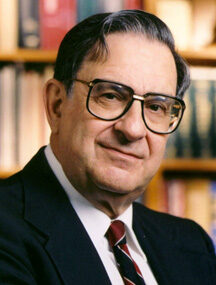
MONOCLATE (antihemophilic Factor VIII): Work by Theodore Zimmerman, MD, and Carol Fulcher, PhD, results in the approval of Monoclate by the FDA. The blood coagulant is used to prevent excessive bleeding in patients with hemophilia.

1989

Charles Weissmann, MD, PhD, is elected to the National Academy of Sciences.

1985

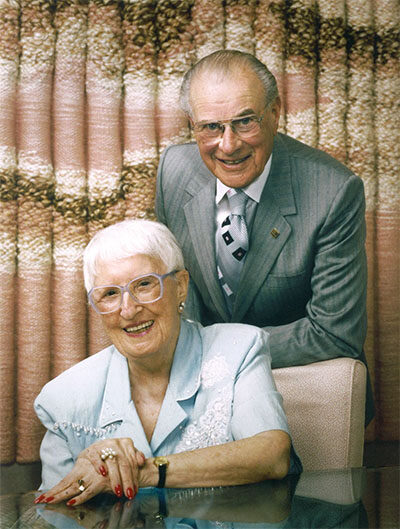
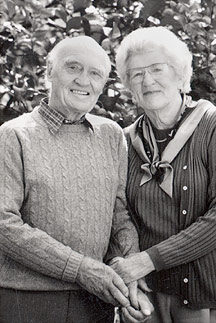
Sam and Rose Stein, through their trust, deliver the largest gift at the time ever made to a Scripps organization. They direct their endowment to the support of the Sam and Rose Stein Basic and Clinical Laboratories and the Department of Molecular and Experimental Medicine. The remarkable drug Leustatin®, a near-complete cure for hairy cell leukemia, emerges from this department.
Sam and Rose Stein

1982

Floyd Bloom, MD, is elected to the National Academy of Medicine.

1980

Peter Vogt, PhD, is elected to the National Academy of Sciences.

1998

Peter Schultz, PhD, is elected to the National Academy of Medicine.

1996

Michael B.A. Oldstone, MD, is elected to the National Academy of Medicine.

1996

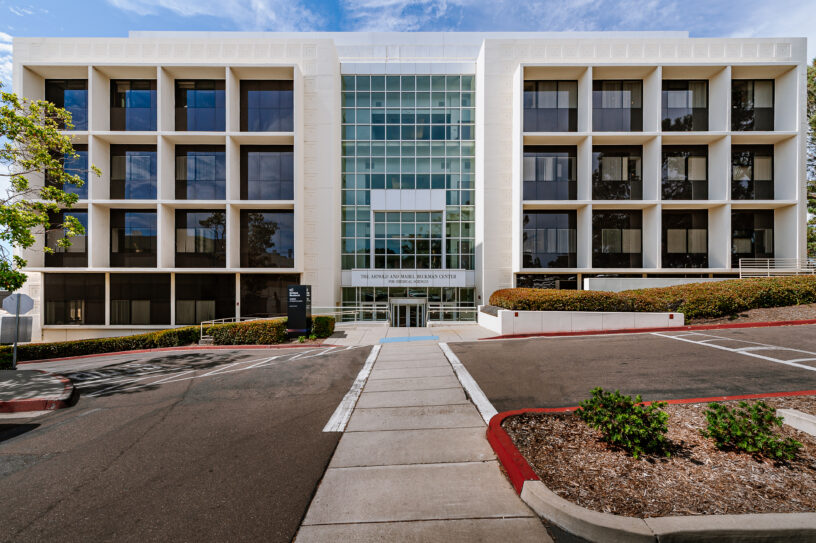
The Arnold and Mabel Beckman Center for Chemical Sciences, a 165,000-square-foot, state-of-the-art research facility, is completed with substantial funding from the Arnold & Mabel Beckman Foundation. A successful chemist and inventor, Arnold O. Beckman founded Beckman Instruments (now Beckman Coulter), a company that supports laboratory research around the world.
Beckman Center for Chemical Sciences

1994

Peter Schultz, PhD, and Richard Lerner, MD, share the prestigious Wolf Prize in Chemistry.
1993

LEUSTATIN (cladribine): Ernest Beutler, MD, leads the team that tests the new anti-cancer drug, 2CdA (Leustatin) developed at Scripps Research by Dennis Carson, MD. It is characterized as one of the most promising chemotherapeutic agents developed and subsequently produces a large number of complete remissions in patients with hairy cell leukemia, as well as other leukemias and lymphomas.
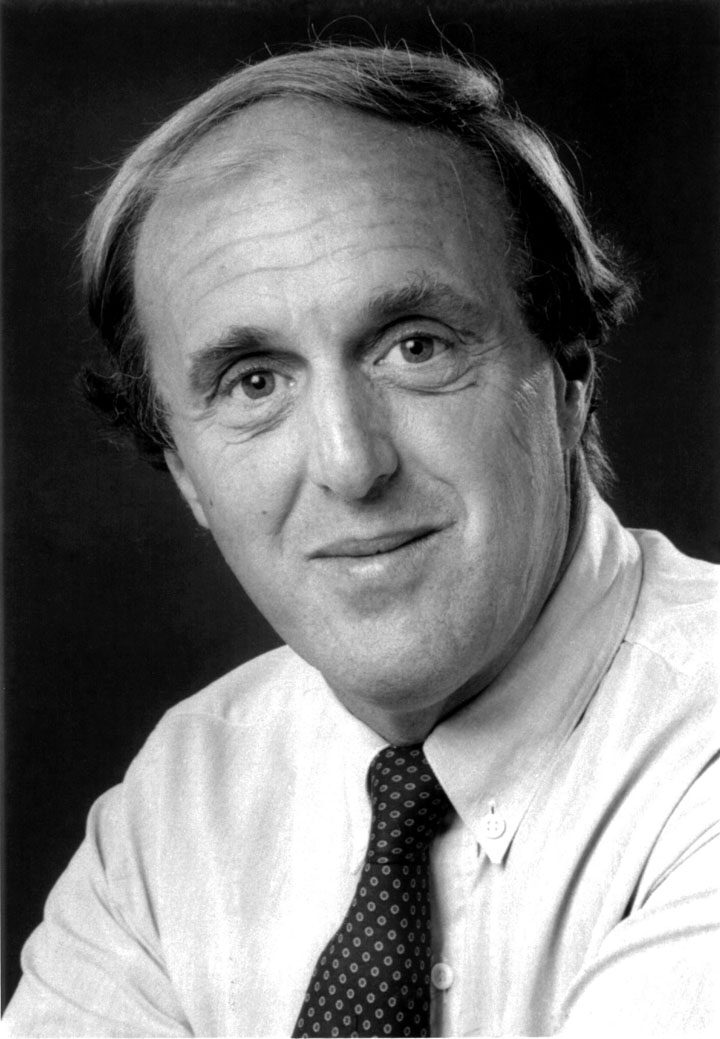
Ernest Beutler, MD

1993

The Scripps Research Institute separates from Scripps Health to become an independent organization.

1992

Kurt Wüthrich, PhD, is elected to the National Academy of Sciences.

1991

Richard Lerner, MD, is elected to the National Academy of Sciences.

1989

The institute launches a graduate program, building on the institute's strengths in the integration of cell and molecular biology, structure and chemistry. The graduate program is later named The Kellogg School of Science and Technology in honor of philanthropists Janet R. ("Jean") Kellogg and W. Keith Kellogg II.
Philanthropists W. Keith Kellogg II and Janet (

1987

Richard Lerner, MD, chair of the Department of Molecular Biology, is appointed the research institute’s new director. Under Lerner’s 25-year tenure, research operations triple in size. He establishes a chemistry department that is soon recognized as one of the best in the world, and he recruits many notable faculty, including Velia Fowler, PhD, (1987); K.C. Nicolaou, PhD, (1989); K. Barry Sharpless, PhD, (1990); and Gerald Edelman, MD, PhD,
Richard Lerner MD president of Scripps

1985

K. Barry Sharpless, PhD, is elected to the National Academy of Sciences.

1980

Research operations, for years split between downtown La Jolla and the Torrey Pines Mesa, are consolidated at the current site on the Torrey Pines Mesa.
1950–1979

1977

Charles Edwards, MD, formerly head of the U.S. Food and Drug Administration, is named president and CEO of the Scripps Clinic and Research Foundation. This same year, the multiple research programs that had developed (including cell and molecular biology and synthetic and bioorganic chemistry) are formally drawn together into the Research Institute of Scripps Clinic.

1974

Frank Dixon, MD, is named director of the Scripps Clinic and Research Foundation while Edmund Keeney remains president.

1972

Gerald Edelman, MD, PhD, receives the Nobel Prize in Physiology or Medicine for his discoveries concerning the chemical structure of antibodies.
Gerald Edelman, MD, PhD

1970

Frank Dixon, MD, one of the founding scientists of Scripps Research, is appointed chair of the biomedical research operations as well as continuing his position as head of the Division of Experimental Pathology.
Frank Dixon, MD, 1970

1962

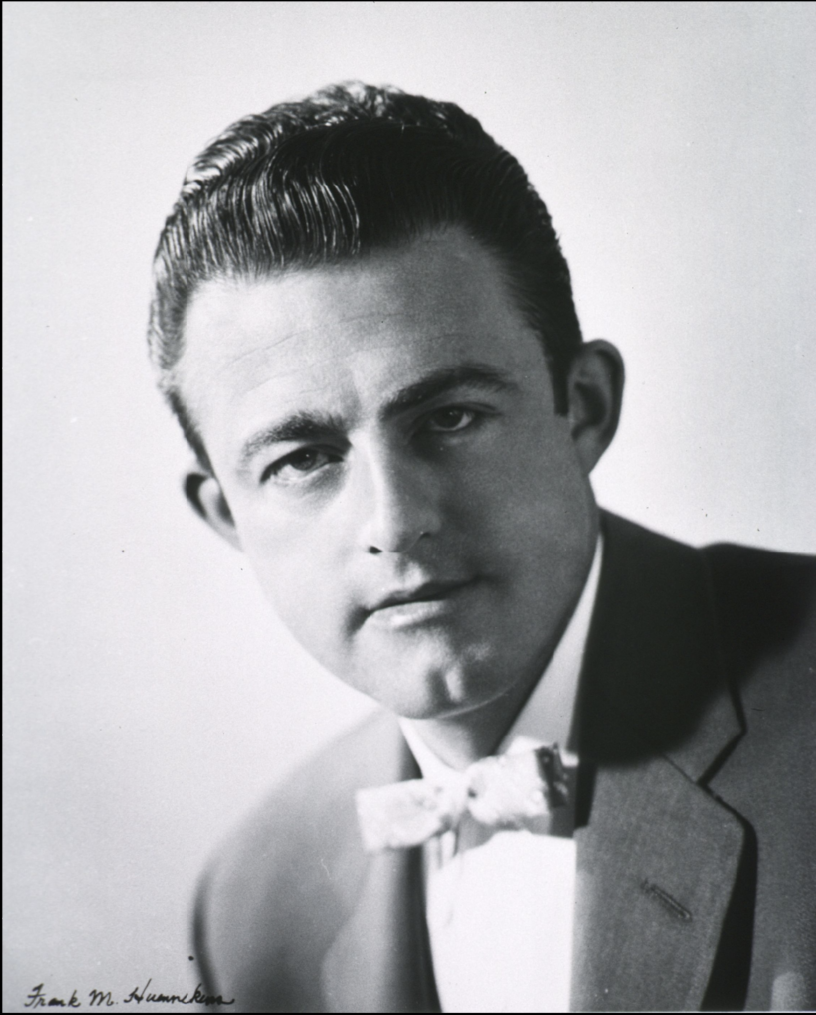
Biochemist Frank Huennekens, PhD, arrives from the University of Washington Medical School to head the Biochemistry Division.
Frank Huennekens, PhD, 1956

1959

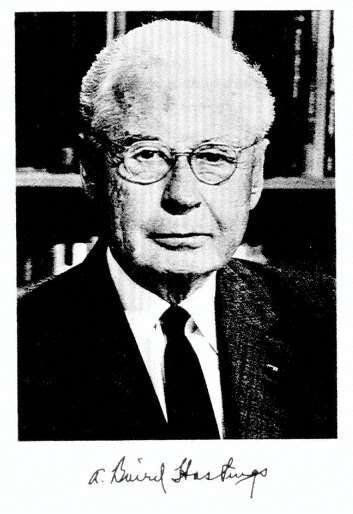
The institute recruits noted biochemist A. Baird Hastings, PhD, from Harvard University. The next year, Hastings receives a seven-year grant from the National Institutes of Health.
Baird Hastings, PhD

1955

Physician and researcher Edmund Keeney, MD, becomes director after the death of James Sherrill. This same year, a West Annex is completed in downtown La Jolla to house divisions of gastroenterology, allergy, and clinical immunology.

1977

Floyd Bloom, MD, is elected to the National Academy of Sciences.

1974

With a construction grant from the National Institutes of Health, along with many donor contributions, ground is broken for new research facilities on the Torrey Pines Mesa.
The first SCRF building on the Torrey Pines Mesa

1971

As operations outgrow the facilities in downtown La Jolla, Dow Chemical Company deeds the Scripps Clinic and Research Foundation 13.2 acres of undeveloped land on the Torrey Pines Mesa.

1965

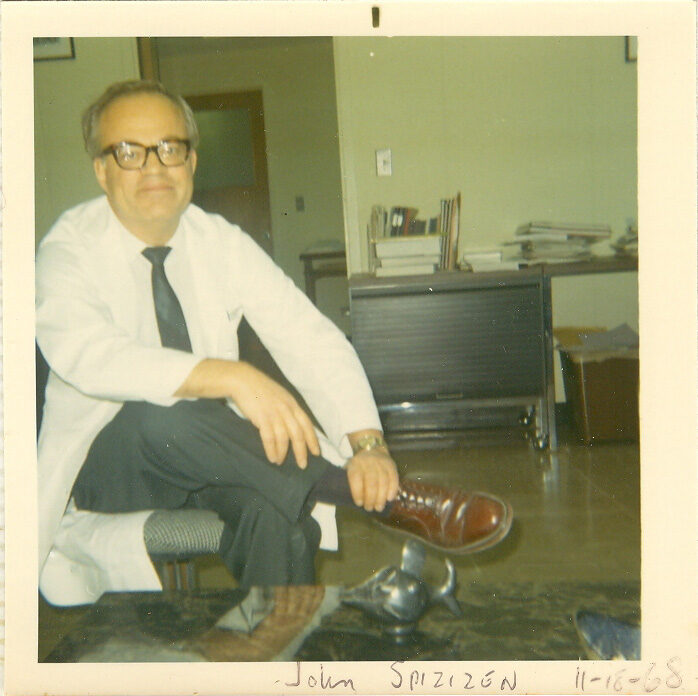
Microbiologist John Spizizen, MD, arrives from the University of Minnesota to establish and chair the Division of Microbiology.
John Spizizen, MD, 1968

1961

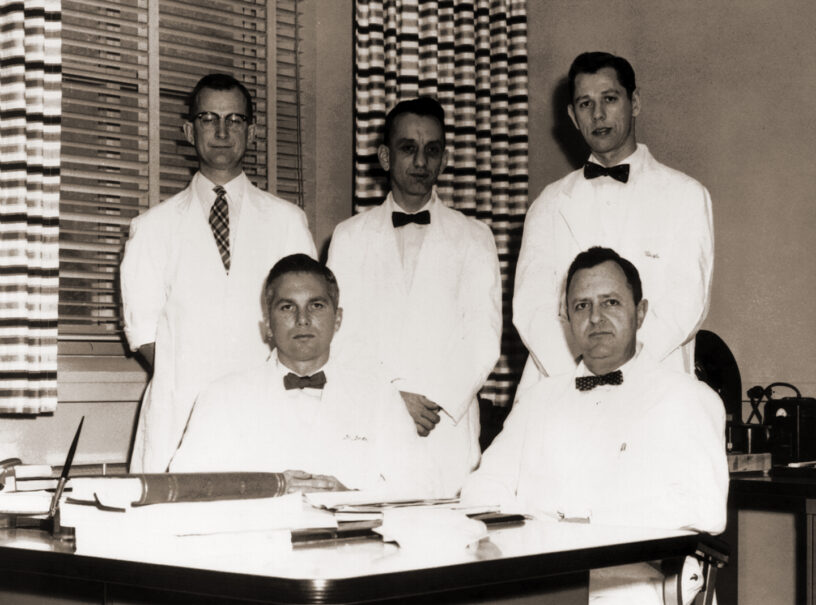
Pioneering immunologist Frank Dixon, MD, and four of his colleagues (William Weigle, PhD; Joseph Feldman, MD; Charles Cochrane, MD; and Jacinto Vazquez, MD) arrive from the University of Pittsburgh on July 1, establishing a Division of Experimental Pathology. They are drawn to the institute by the freedom to pursue research without the administrative constraints of a typical university, as well as the beginnings of a biomedical research cluster in the area.
The “Pittsburgh Five” shortly after their arrival in California

1956

The Metabolic Clinic becomes the Scripps Clinic and Research Foundation (SCRF) to reflect its broader focus.
1920–1949

1946

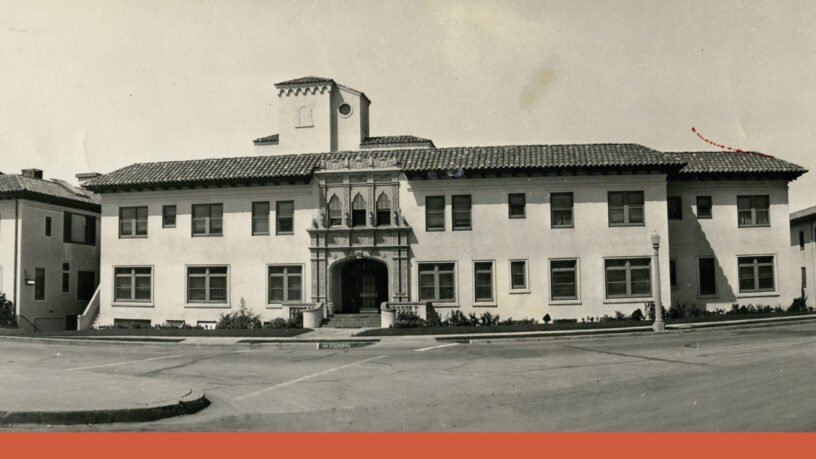
The Metabolic Clinic separates from Scripps Memorial Hospital. A major portion of the operation’s limited reserves are committed to the construction of a new research facility and to the recruitment of biomedical scientists.

1928

Dr. Eaton MacKay is invited from Stanford to become the first director of research.

1932

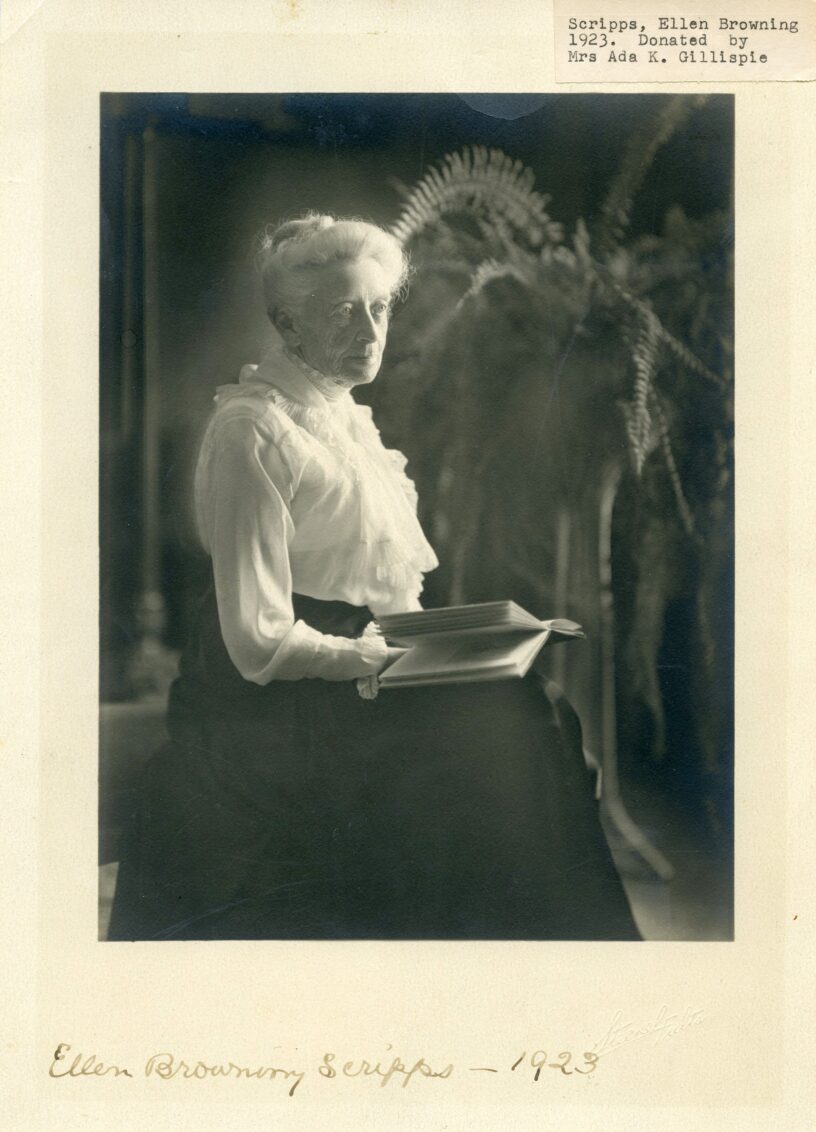
When Ellen Browning Scripps passes away at the age of 95, she leaves $300,000 (the equivalent of more than ~$6.6 million in today’s dollars) in her will to the Metabolic Clinic “preferably for research.”
Ellen Browning Scripps

1924

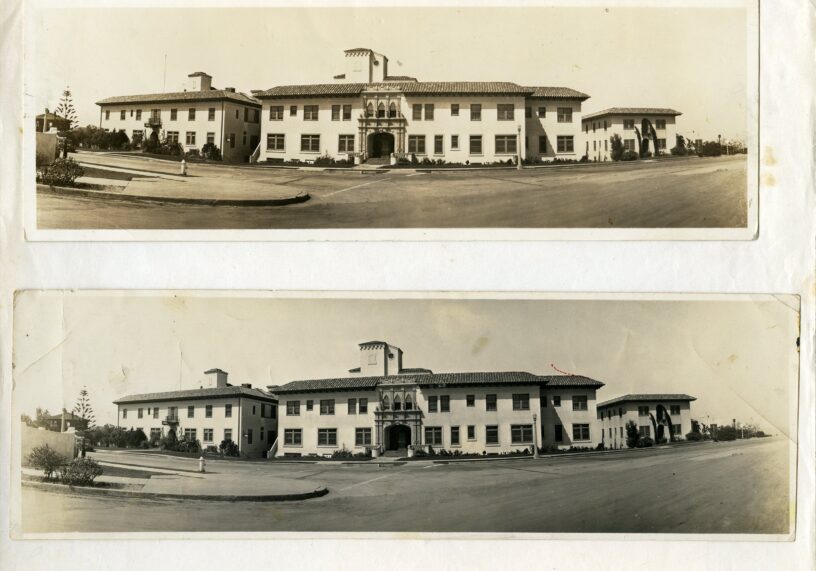
Inspired in part by the discovery of insulin, philanthropist Ellen Browning Scripps founds the Scripps Metabolic Clinic on December 11, 1924. The clinic is poised to become a specialized facility to diagnose, treat, and investigate diabetes and other disorders of metabolism. The clinic is initially part of Scripps Memorial Hospital (founded in September of the same year), run by Dr. James Sherrill.
Scripps Metabolic Clinic
Groundbreaking Science.
Life-changing Medicine.