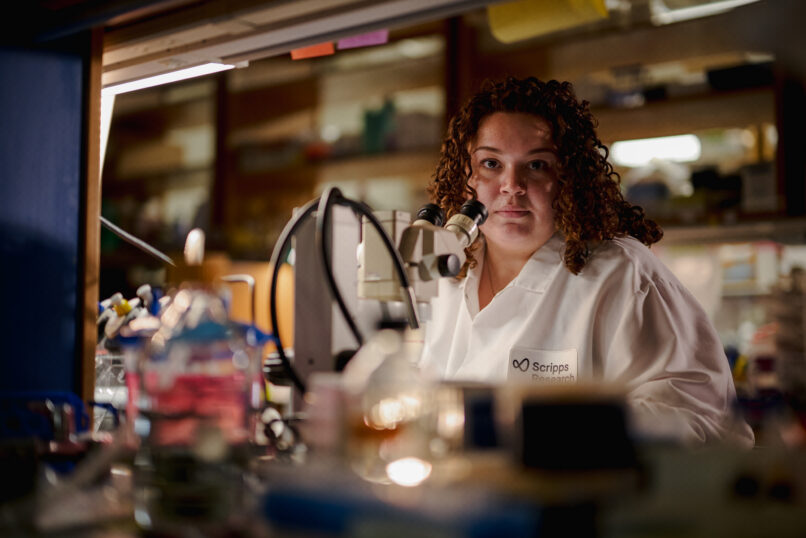
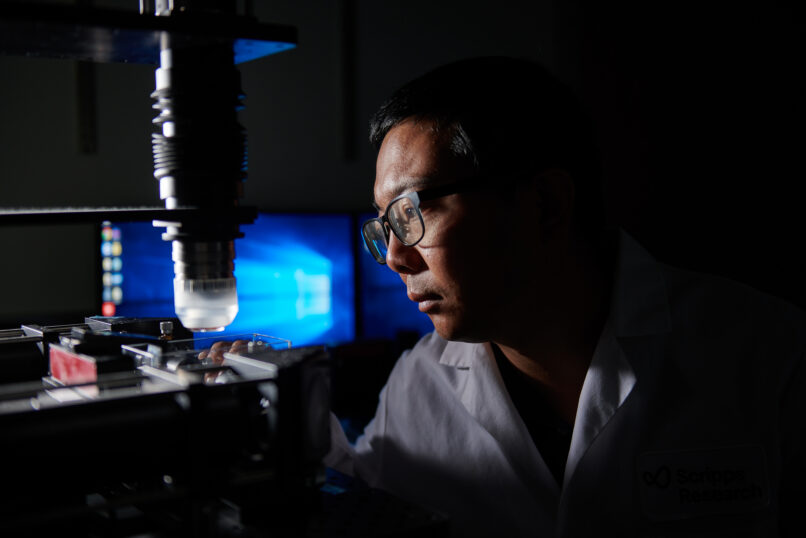
Nobel laureates at Scripps Research
Scripps Research is a relatively small nonprofit institute, but its scientists make discoveries that have an outsized impact across chemistry, physiology and medicine. Our faculty include five Nobel laureates, including one who won twice. The Nobel Prizes are awarded to those who “have conferred the greatest benefit to humankind.”
2022 Nobel Prize in Chemistry: K. Barry Sharpless
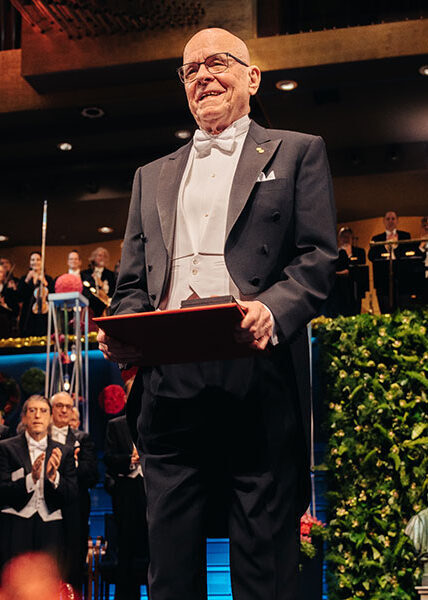
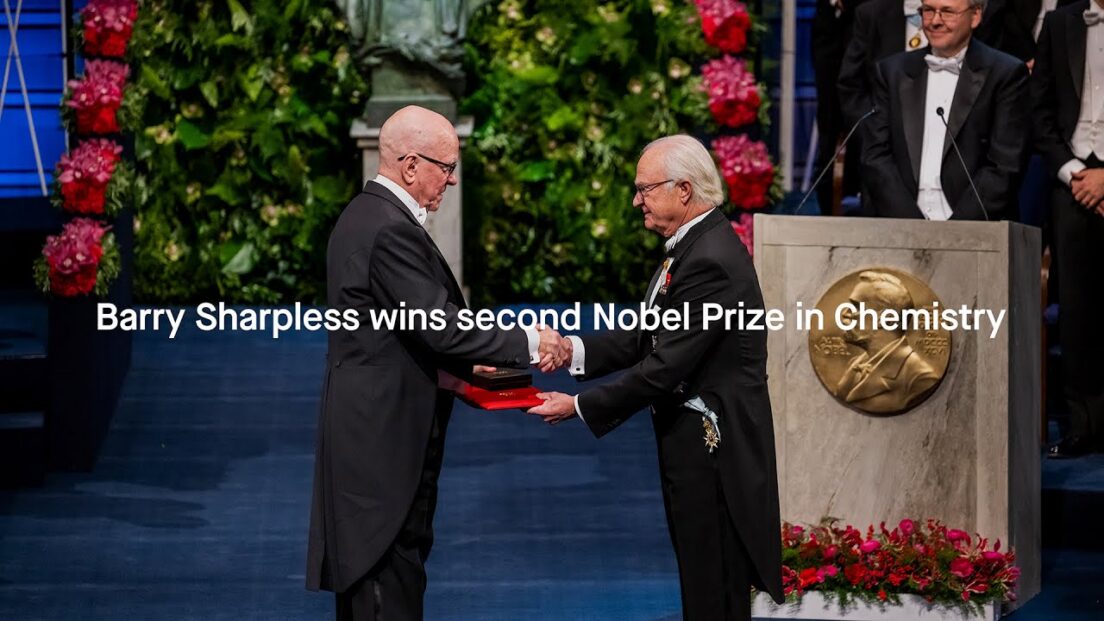
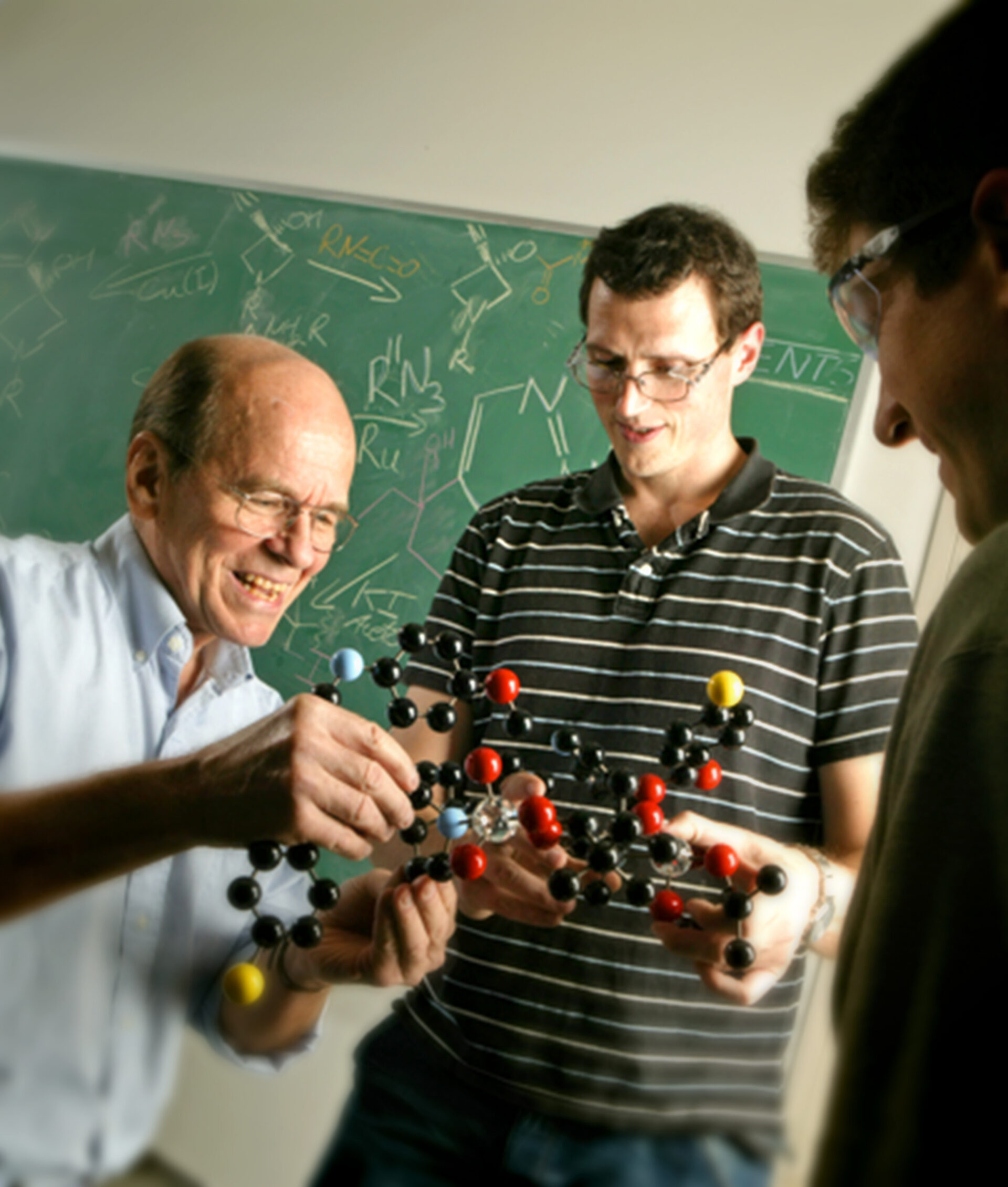
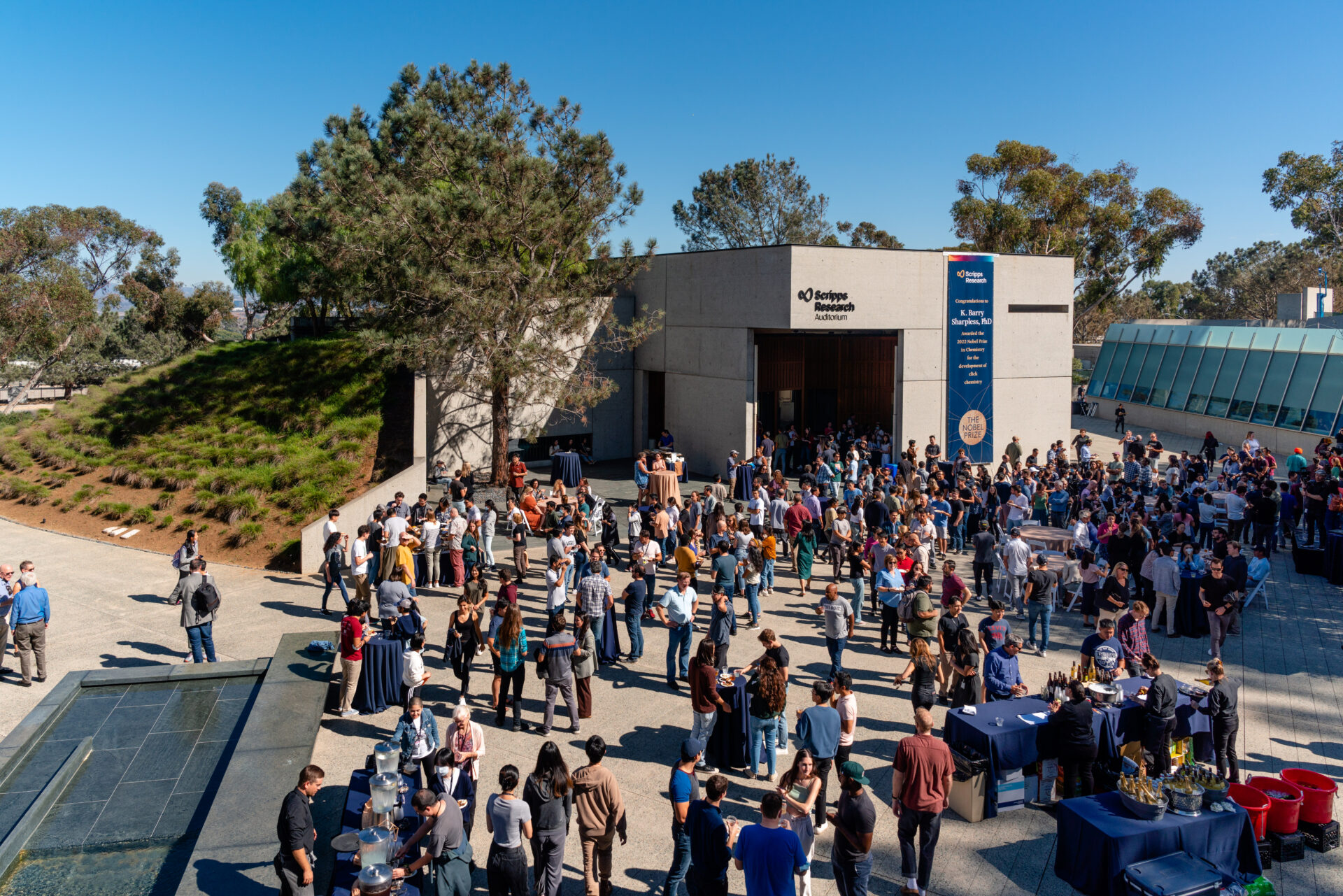
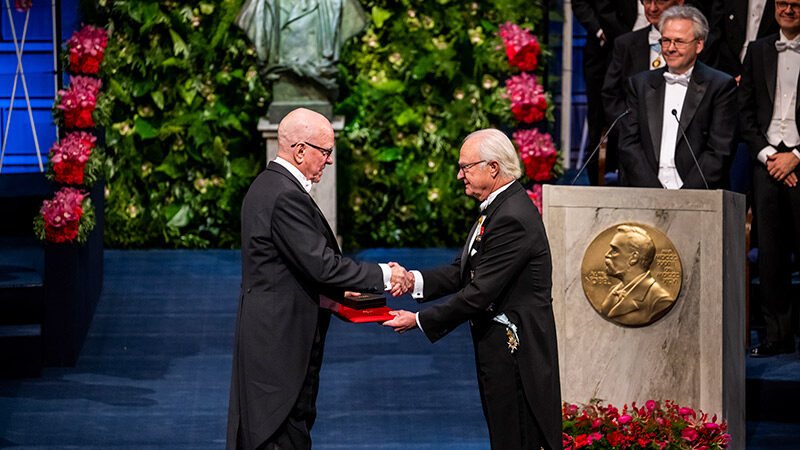
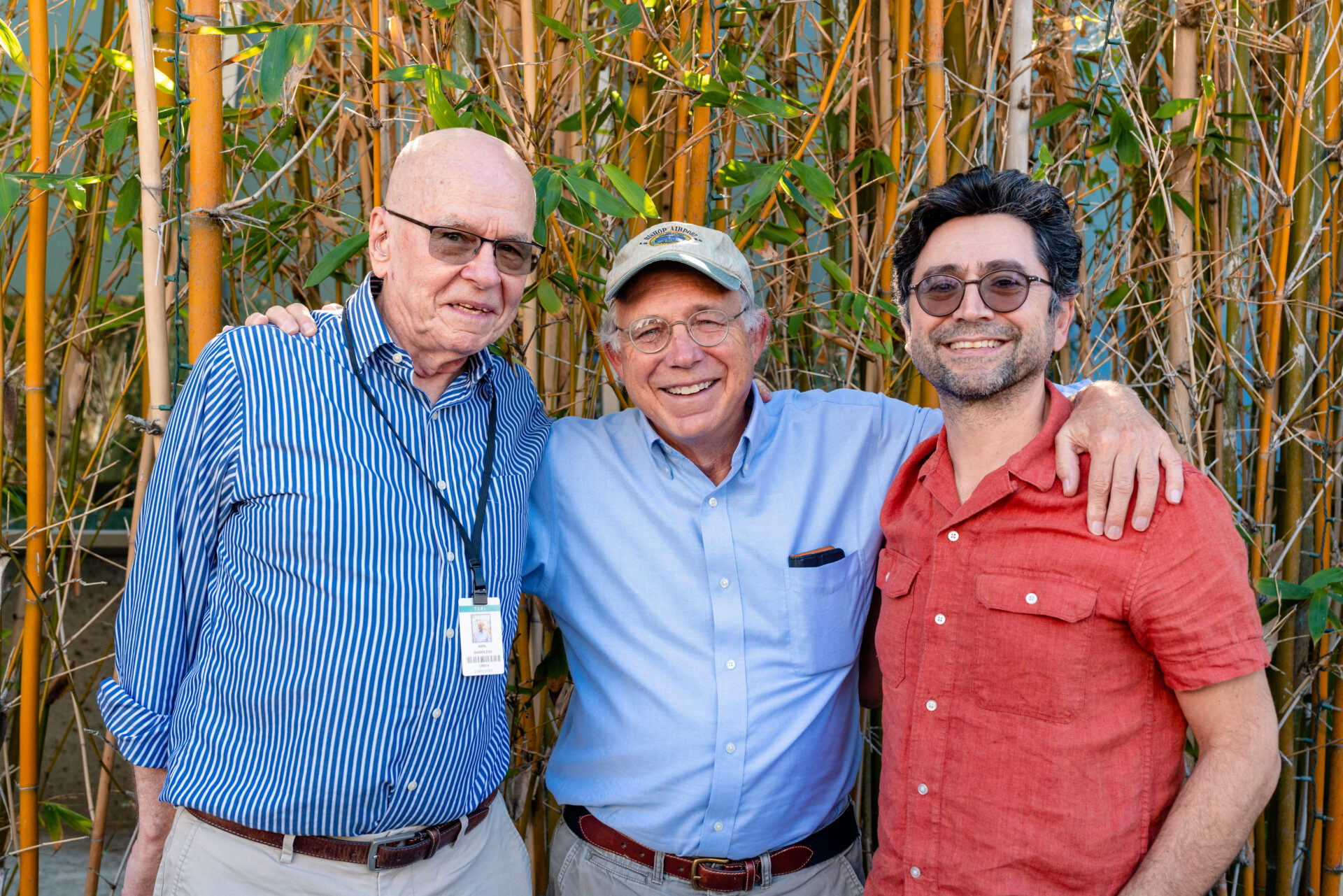
K. Barry Sharpless, the W.M. Keck Professor of Chemistry, shared the 2022 Nobel Prize in Chemistry for developing “click chemistry,” which allows scientists to build complex molecules quickly and reliably. This was Sharpless’ second win, having previously shared the prize two decades earlier for his work on creating specific mirror-image forms of molecules, making him one of only two chemists to receive such an honor.
Click chemistry—a term Sharpless coined—refers to a set of highly efficient, irreversible reactions between smaller molecules used to construct larger compounds. The “click” refers to the LEGO™-like ease of fitting these modular elements together. These reactions have advanced drug discovery, bioimaging and many other areas of research.
It’s great to win prizes, but remember, the main thing is–you’ve got to love what you do.
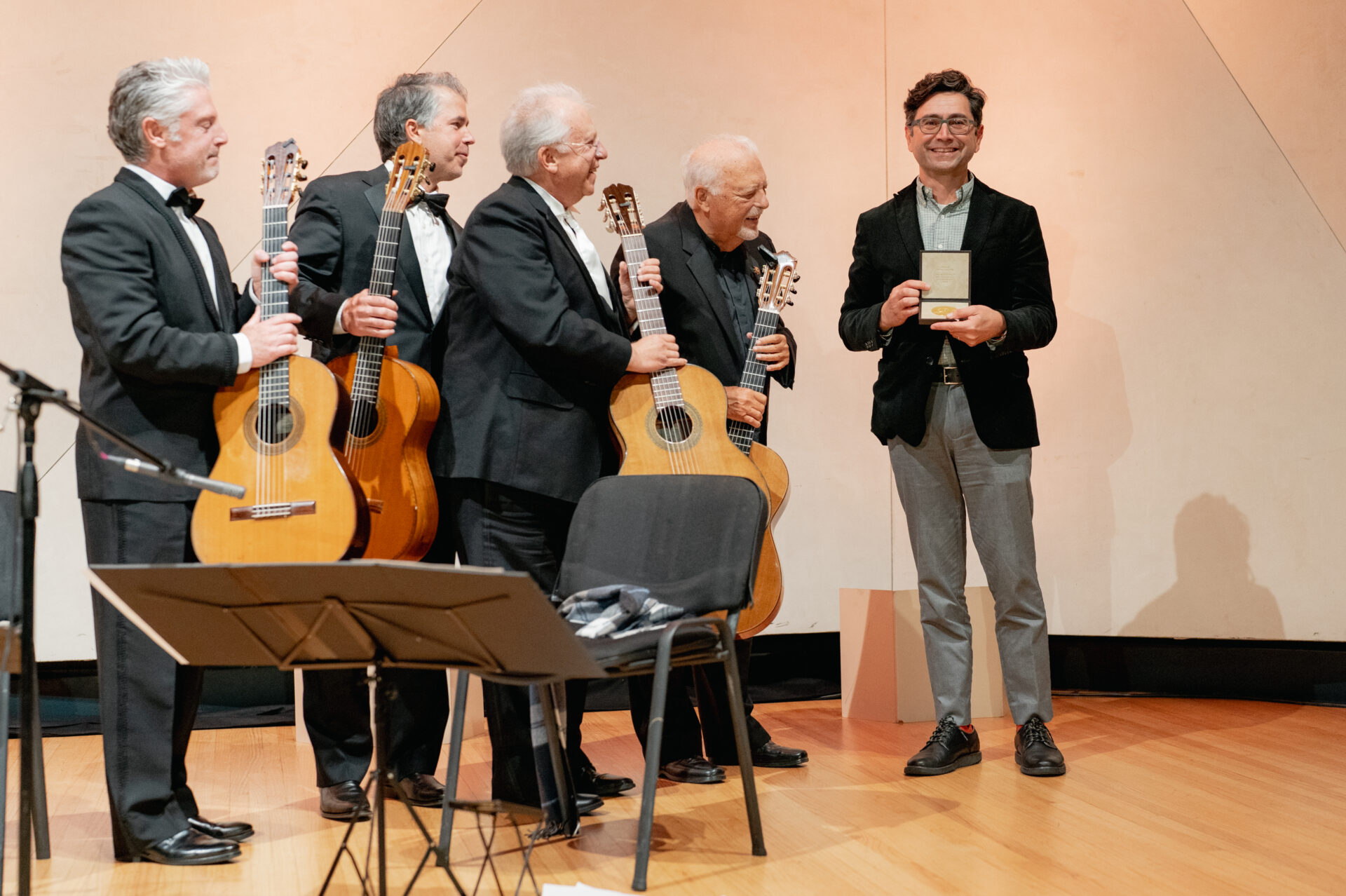
2021 Nobel Prize in Physiology or Medicine: Ardem Patapoutian
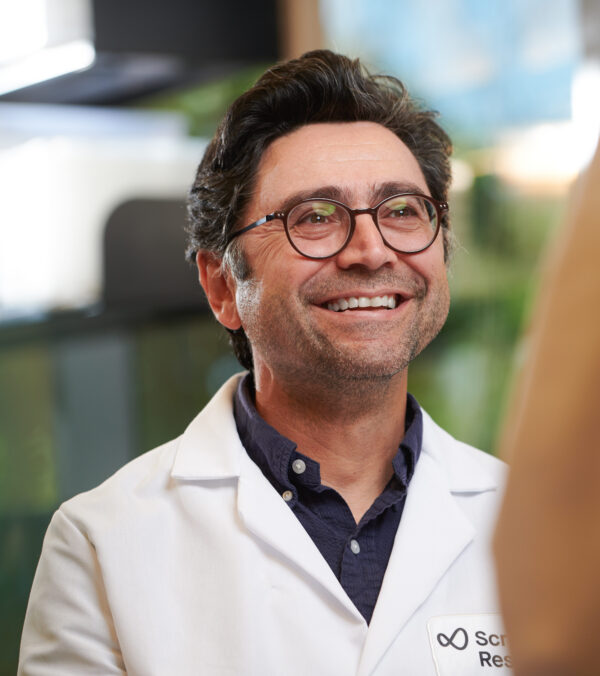
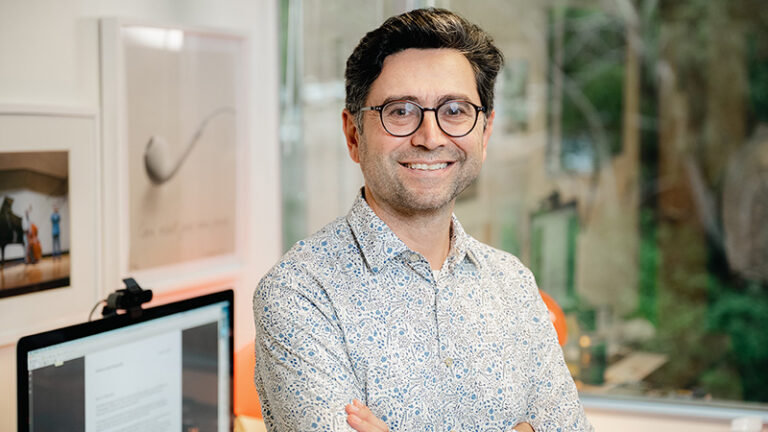
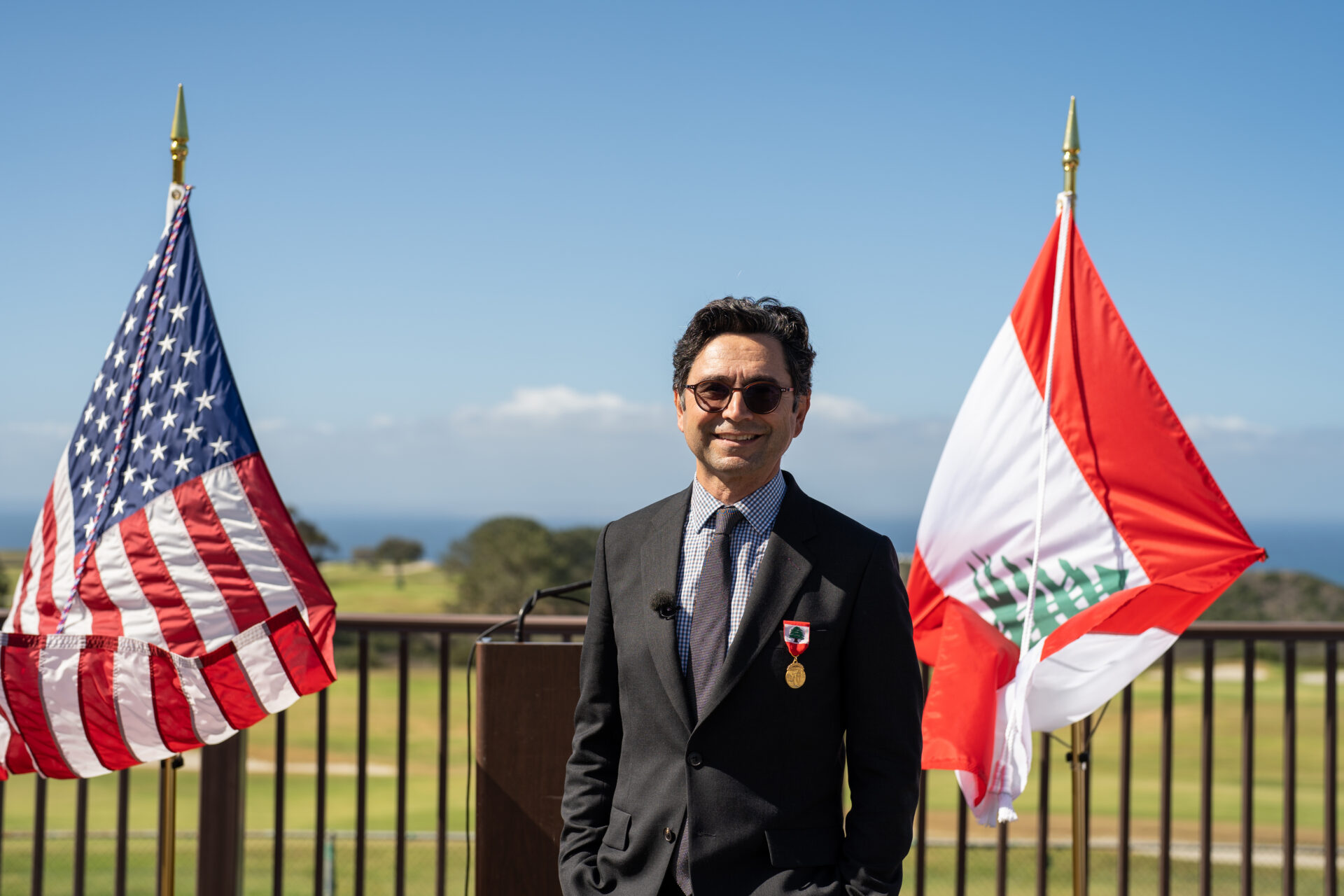
Professor Ardem Patapoutian, the Presidential Endowed Chair in Neurobiology, shared the 2021 Nobel Prize in Physiology or Medicine for identifying the receptors that allow cells to detect temperature and touch.
Patapoutian, who’s also a Howard Hughes Medical Institute Investigator, showed that sensations such as the pressure of a handshake or a gentle touch depend upon the body’s ability to detect mechanical force. The genes PIEZO1 and PIEZO2 produce proteins known as ion channels, and when pressure causes these channels to open, charged ions move into and out of cells, setting off signals that the nervous system can interpret. Patapoutian’s discoveries have advanced our understanding of proprioception—the ability to sense body position and motion—and they’ve also provided insights into blood pressure regulation, lung volume and bladder fullness.
2011 Nobel Prize in Physiology or Medicine: Bruce Beutler
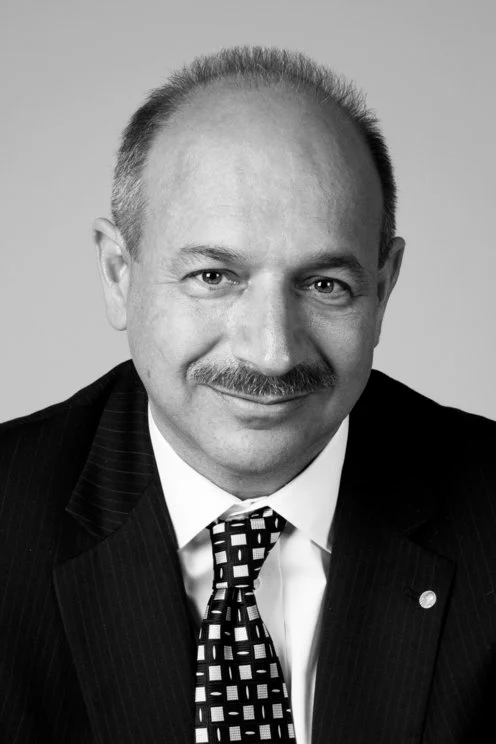
Bruce Beutler shared the 2011 Nobel Prize in Physiology or Medicine for discovering receptors that detect molecules from invading microbes and activate the body’s innate immune system. This opened new paths for treating cancer, inflammatory conditions and infectious diseases.
The immune system has two main arms: innate and adaptive immunity. While adaptive immunity involves specific antibody responses, innate immunity responds rapidly to threats, often through inflammation. Beutler’s discoveries about how innate immunity is triggered grew out of his research into septic shock. He found that a protein called a toll-like receptor became activated on contact with a lipopolysaccharide (LPS), a component of certain bacterial cell walls. That interaction triggers a cascade of events resulting in inflammation, and in extreme cases, septic shock.
Beutler’s work on innate immunity spanned his faculty positions with The Rockefeller University, Scripps Research and The University of Texas Southwestern Medical Center, where he’s currently based.
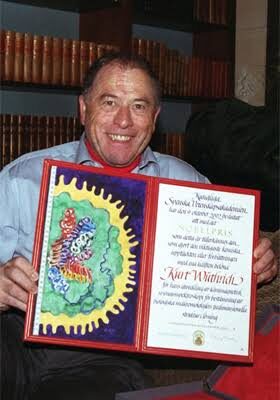
2002 Nobel Prize in Chemistry: Kurt Wüthrich
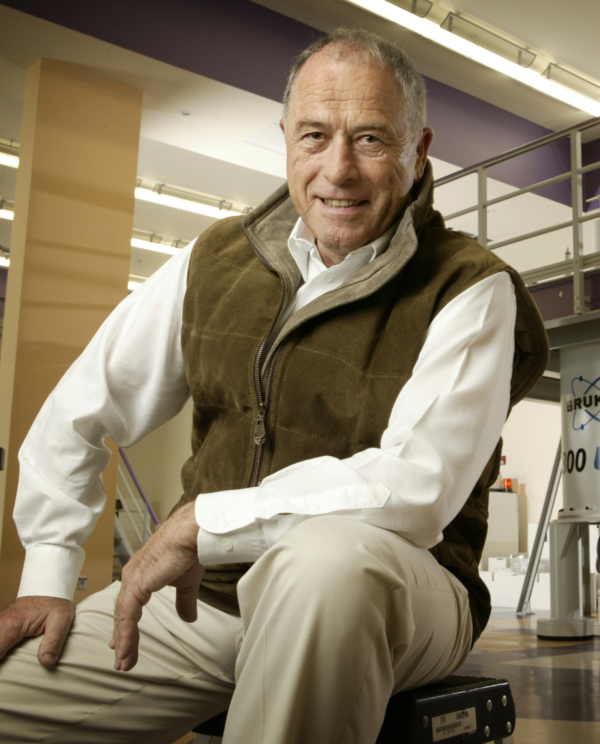
Kurt Wüthrich, the Cecil H. and Ida M. Green Professor of Structural Biology, shared the 2002 Nobel Prize in Chemistry for developing techniques that make it possible to determine the 3D structures of proteins and other biological molecules, showing how they function in health and disease.
At the time, scientists couldn’t directly visualize biological molecules like proteins in their natural shapes. The development of nuclear magnetic resonance (NMR) changed that, due in large part to Wüthrich’s analytical and computational work. Thanks to these advances, NMR is now used widely to study small molecules and their interactions, helping guide drug discovery across many diseases.
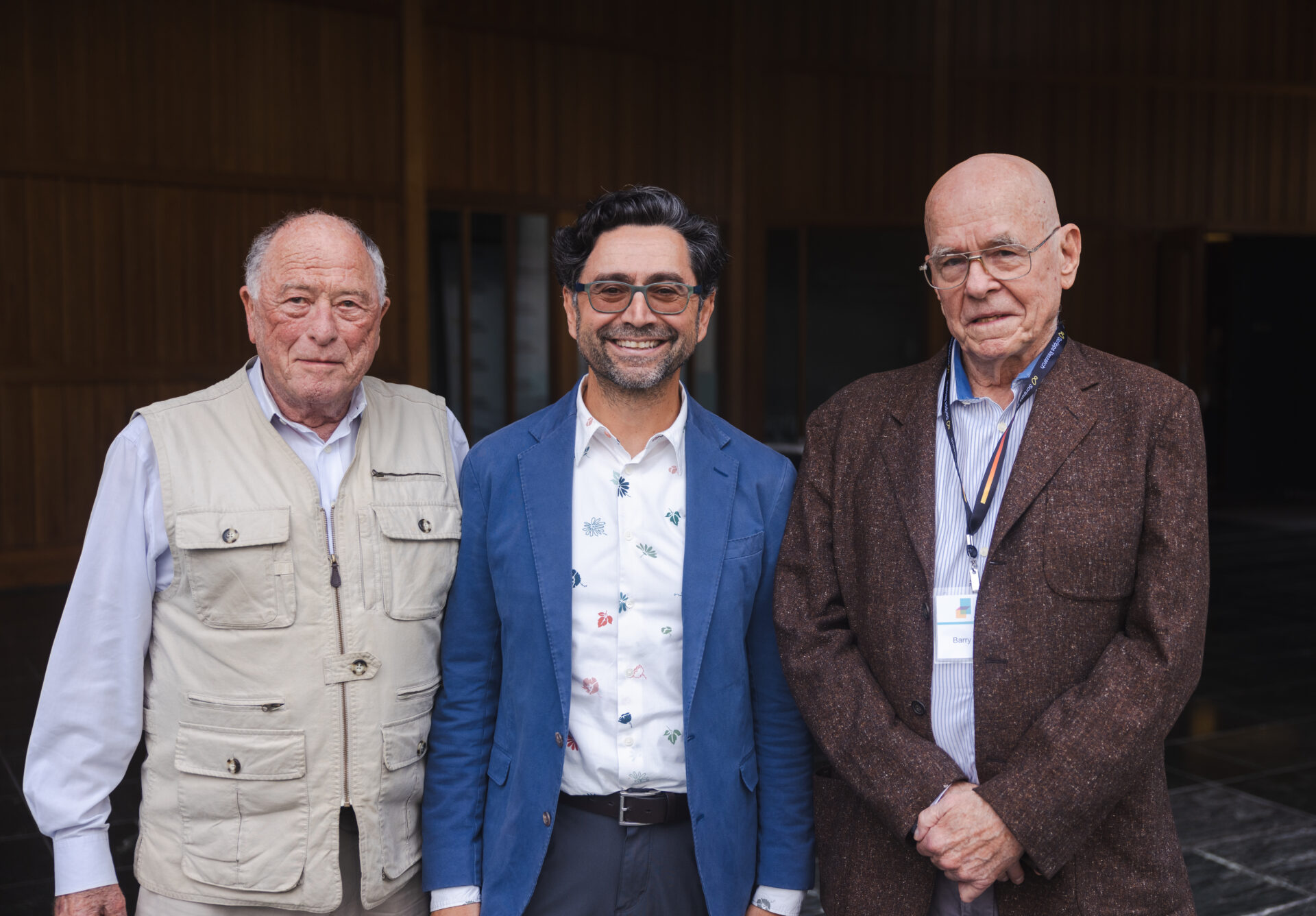
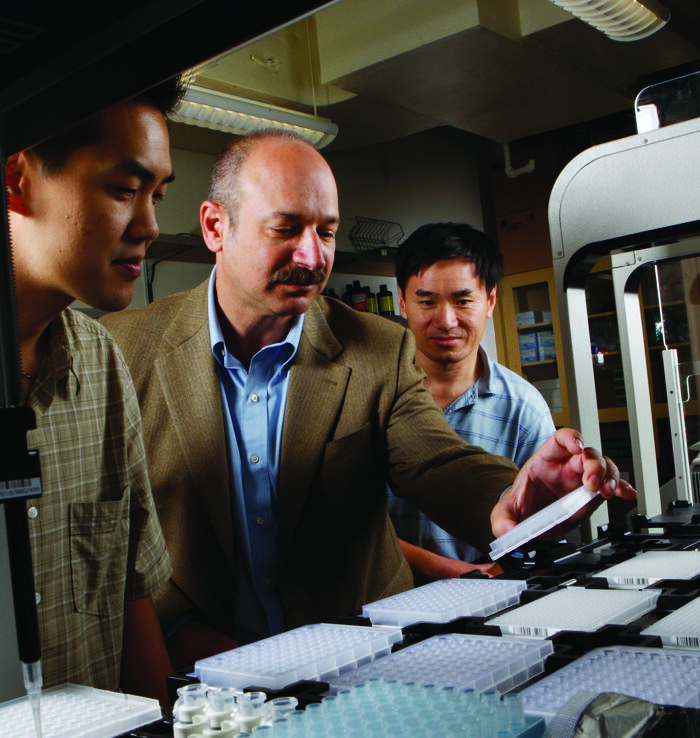
2001 Nobel Prize in Chemistry: K. Barry Sharpless
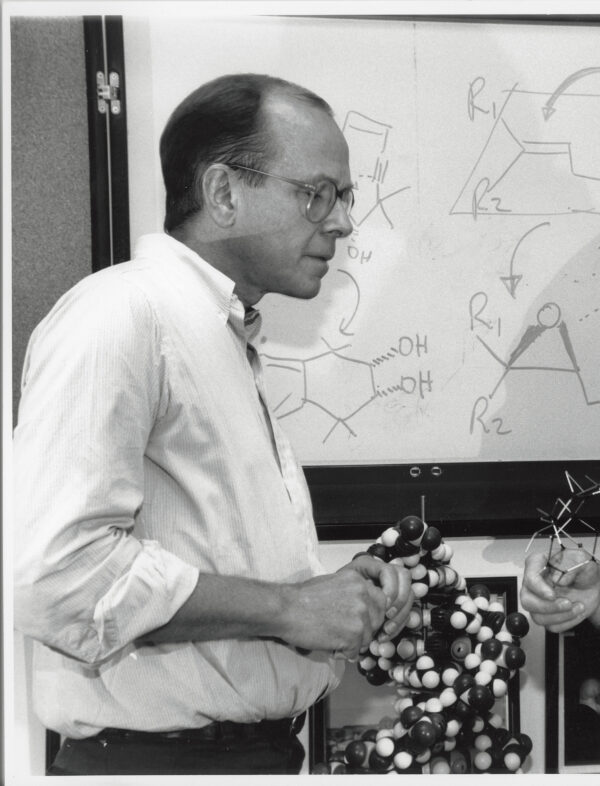
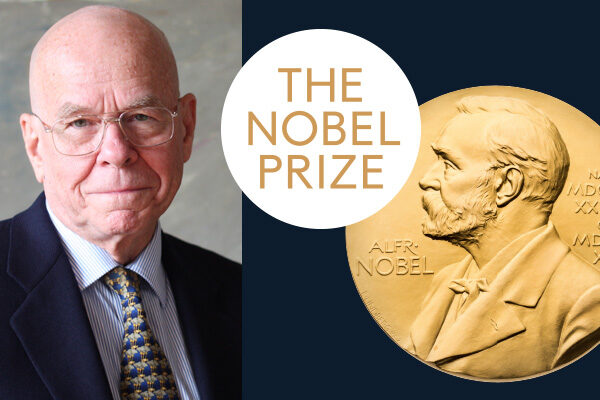
K. Barry Sharpless shared the 2001 Nobel Prize in Chemistry for developing methods to selectively create “mirror-image” molecules that are critical for drug design.
Mirror-image molecules often have different chemical properties, a trait known as chirality. One challenge in organic synthesis—building larger molecules out of smaller parts—is to reliably make one mirror-image form rather than the other. Sharpless devised ways to help scientists do exactly that. Now, his reactions are widely applied across research and industry. This work contributed to the development of medicines like beta blockers, which are used to treat a range of cardiovascular conditions, including high blood pressure and abnormal heart rhythms.
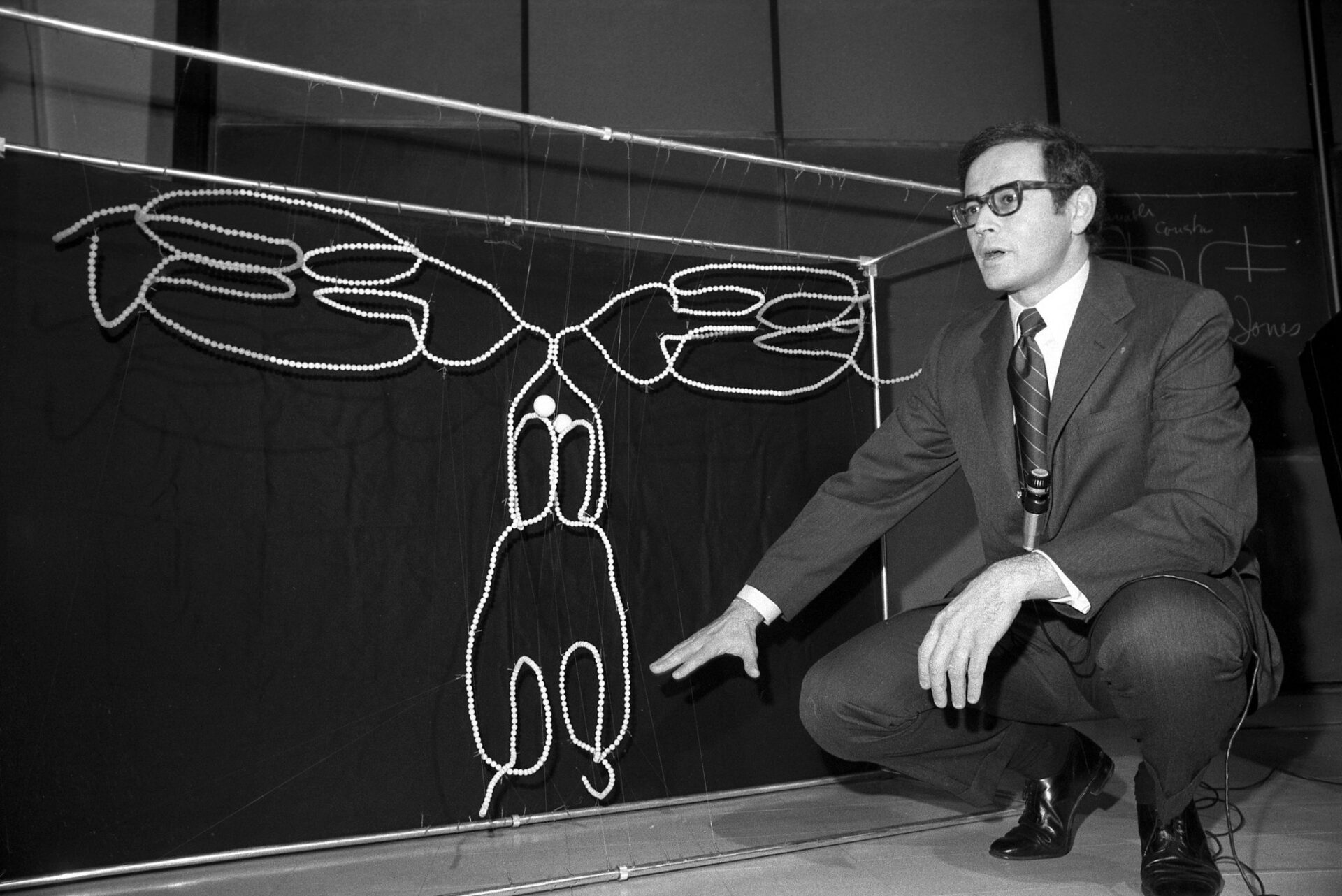
1972 Nobel Prize in Physiology or Medicine: Gerald Edelman
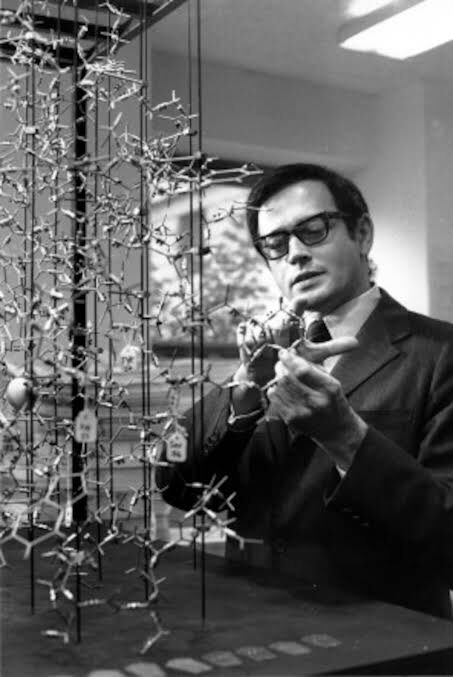
Gerald Edelman shared the 1972 Nobel Prize in Physiology or Medicine for revealing the structure of antibodies, which laid the foundation for modern immunology and advances in vaccine development.
Antibodies are specialized proteins that recognize specific targets, like pathogens, and enable the body to eliminate them. Until Edelman helped determine their chemical structure, scientists didn’t understand how such similar-looking proteins could bind to a wide range of targets with high specificity. With the technology available at the time, solving antibody structure required breaking large proteins into smaller subunits. Edelman, then at The Rockefeller University, used chemical methods to separate the chain-like structures of these proteins by breaking the bonds holding them together. He joined the Scripps Research faculty in 1992.
Although Edelman passed away in 2014, the impact of his work continues. Today, antibodies are used in a variety of applications: as medicines for infectious diseases and hard-to-treat cancers, as research tools, and as guides for developing new therapies.