Scripps Research Fellows Program
Scripps Research Fellows bring exceptional promise and immense creativity to our campus. Designed for scientists who recently earned their PhD or are in their first year of postdoctoral training, the program provides a launchpad for your independent research career.
Scripps Research Fellow recruitment is now open
Applications will be reviewed by an interdisciplinary Search Committee with representatives across all scientific disciplines. The first round of review will be on applications submitted by December 31, 2026. Applications will continue to be accepted until the position is filled or by the close of May 2027. Anticipated start date will be Fall 2027.
Required components of the application include:
- Cover Letter
- Curriculum Vitae, including Training Record and Publication List
- Letters of Recommendations, uploaded by 3 referees
- Benefits of Research Program at Scripps (form completion, not an attachment upload) (appx 1 page). Candidates are requested to complete an approximately one page form describing how their research program can uniquely benefit from resources and expertise specifically available at Scripps Research Institute.
- Personal statement (1 page). This statement may include experiences that shaped how the candidate works with and supports people from a range of backgrounds; activities through which they have broadened participation in mentoring/research; and specific steps they plan to take to widen access to and participation in science.
- Research statement (up to 3 pages; an additional page may be used for references) addressing the following questions:
- What is the research problem?
- What could be accomplished on a 3-year timescale?
- How can Scripps Research enable these accomplishments?
Overview
Each year, Scripps Research selects a cohort of exceptional postdoctoral scientists to join the institute as Scripps Research Fellows. The fellowship is designed for researchers who are ready to pursue independent, high-impact science at one of the world’s leading biomedical research institutions.
Fellows receive dedicated laboratory space and three years of funding to build and lead their own research teams. The program is structured to support independent science from the start, with access to Scripps Research’s faculty, core facilities and research community throughout.
The program is demanding by design. Fellows are expected to drive their own research agendas, build productive teams and produce work that stands on its own merits. Those who have thrived here have gone on to earn significant recognition in their fields.
Candidates who are ready for that level of independence and accountability will find the Scripps Research Fellows Program well worth pursuing.
A potential Scripps Research Fellow is a scientist of extraordinary promise and creativity, one who has recently received (or is about to receive) their PhD, MD, DVM or equivalent degree, or one who has spent less than a year working as a postdoctoral associate in the biomedical sciences.*
Strong applicants will have moved beyond exploratory work and into a well-defined research program they are ready to advance independently. Scripps Research offers the environment to do that—a century of scientific impact spanning fundamental discovery, drug development at the Calibr-Skaggs Institute for Innovative Medicines, and translational research through the Scripps Research Translational Institute, which applies digital medicine approaches to bring findings closer to patients. Fellows work within that full continuum, with meaningful opportunities to contribute to human health outcomes.
Each Fellow is paired with a mentor from Scripps Research’s extensive faculty community and is situated within that mentor’s lab. The structure is intentional—Fellows take on a leadership role from the start, but with the support of an experienced faculty member who can help them develop the operational and professional skills that independent science requires. The expectation is not that Fellows arrive already knowing how to run a lab, but that they are ready to learn and committed to doing so.
Fellows typically arrive with existing award funding and are heavily supported in pursuing additional external grants. Principal Investigator status within the program enables Fellows to apply independently.
In addition, Fellows who complete the program are well-positioned for faculty appointments at research institutions nationwide. Many choose to remain at Scripps Research and continue as independent faculty members, though the program is designed to prepare Fellows for a range of career trajectories.
*There are exceptions for postdocs in certain fields, such as immunology, where additional research time is required to achieve actionable results.
A rich environment
Scripps Research is the ideal place to launch a faculty career. We are situated in La Jolla, California, at the heart of the third largest life sciences cluster in the U.S., including universities, other research institutes, hospitals and biotech companies.
Our campus encompasses over 800,000 square feet of interactive laboratories. More than 150 active faculty—some of the best in the world (Nobel laureates, MacArthur Fellows, Wolf prize winners)—collaborate across disciplines in a collegial, open-door environment.
As an independent nonprofit, Scripps Research operates with a focus and efficiency that larger institutions often cannot match. The graduate program, ranked among the top ten in the nation, brings talented graduate students and postdocs into Fellows’ labs. Core facilities are extensive—spanning cryo-EM, pharmacokinetics, digital clinical trials, and more—all located on campus. The result is an environment where research can move from question to discovery with fewer of the barriers that typically slow it down.
The Scripps Fellows Program was uniquely enabling of my research group, providing the tools and environment for our ambitious program's success.
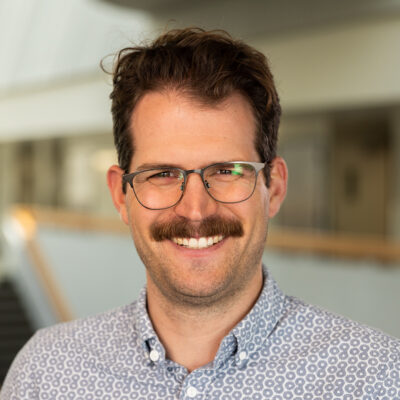
I found the formal and informal mentorship with senior colleagues to be invaluable in the transition to an independent position.
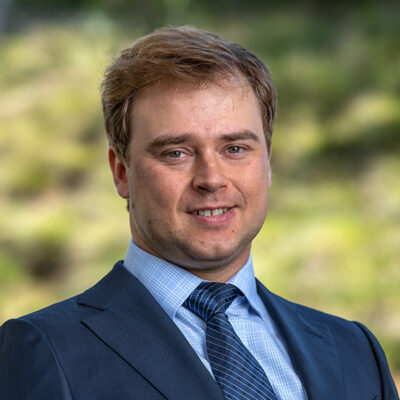
My mentors and colleagues have been extremely supportive with their time and resources, and the Fellows Program provides generous funding.
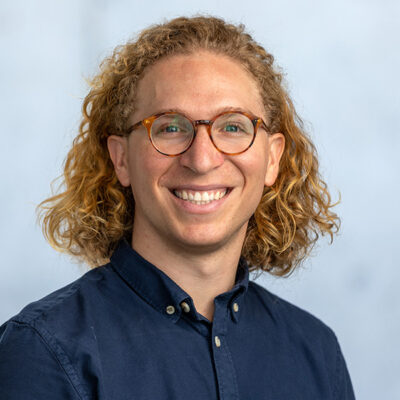
Scripps Research embraces personal diversity and fosters a culture of innovation, making it an ideal place to launch an independent research career.
FAQs
Meet our Fellows
Megan Ken, MD, PhD
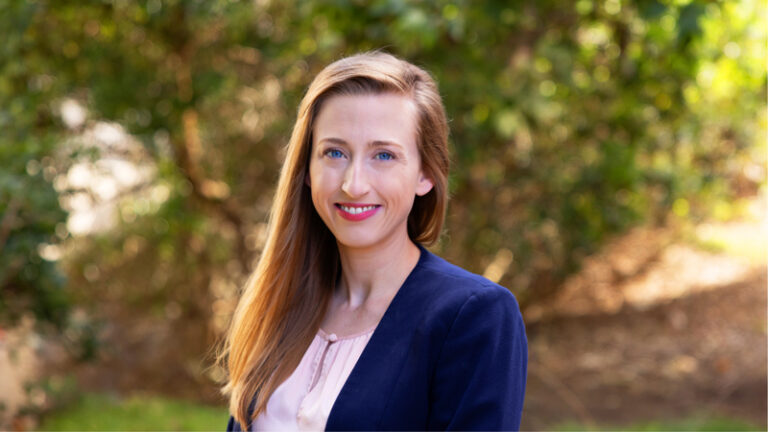
Megan Ken, MD, PhD, studies viral RNA-protein interactions in cells and in vitro to understand the fundamental biology of infection and to identify new targets or mechanisms for antiviral development. The Ken lab works closely with the team at the Calibr-Skaggs Institute for Innovative Medicines to identify novel compounds capable of binding to RNA and treating a range of viral diseases.
Ken earned her PhD in biochemistry along with an MD at Duke University School of Medicine then joined Scripps Research as a Fellow in October 2023. She was promoted to assistant professor, tenure-track, in the Department of Integrative Structural & Computational Biology in February 2026.
Shannon Miller, PhD
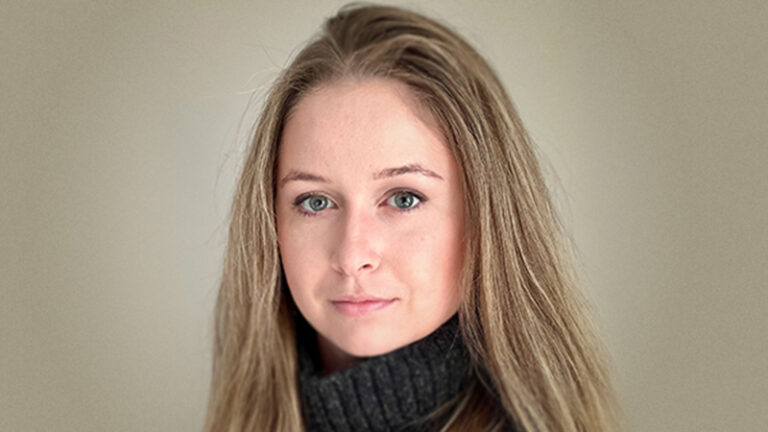
The Miller lab focuses on developing new methods for the successful delivery of gene-editing biomolecules to cells. By improving delivery efficiency and reducing potential off-target effects, Miller hopes her group’s research will accelerate the generation and implementation of future gene therapies for conditions ranging from hereditary blindness to blood disorders.
In summer 2022, Miller joined Scripps Research as a Fellow. Miller obtained her PhD in Chemistry and Chemical Biology from Harvard University. In the spring of 2025, Miller was promoted to assistant professor, tenure-track at Scripps Research.
Raphael Park, PhD
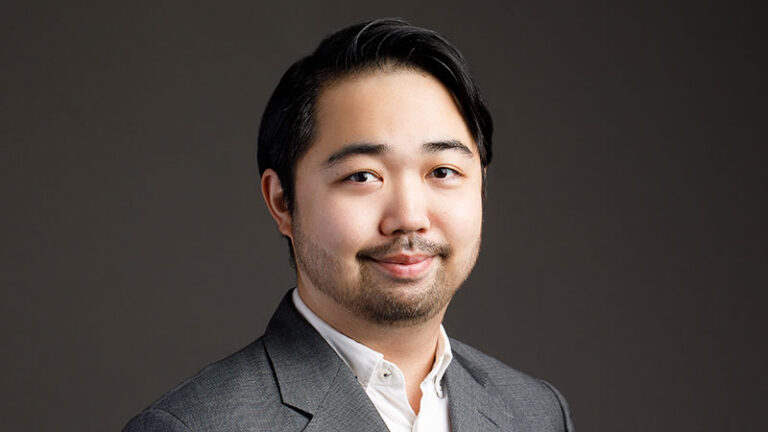
The Park lab focuses on unravelling the mechanisms of tuberculosis and designing antibacterial medicines to stop the spread of disease in developing nations. Using high-resolution imaging techniques such as cryo-electron tomography (cryo-ET), Park is understanding how the bacterial nanomachinery of Mycobacterium tuberculosis causes infection and how this critical process can be targeted therapeutically.
Park joined Scripps Research as a Fellow in fall 2022. Park obtained his PhD in Microbial Pathogenesis at the Microbial Sciences Institute at Yale University. After successfully completing his term as a Fellow, Park was promoted to assistant professor, tenure-track, at Scripps Research in the spring of 2025.
Michael Bollong, PhD
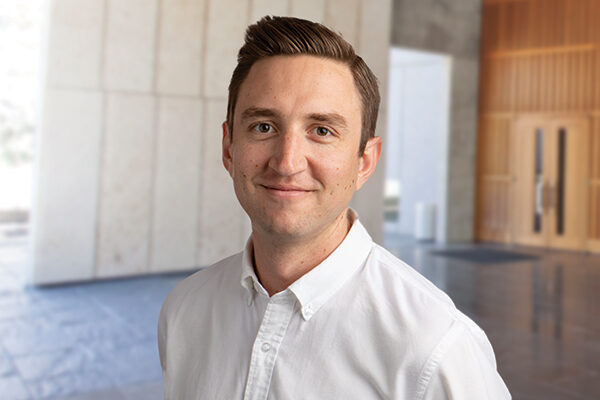
Michael Bollong, PhD, develops drug-like small molecules to study and intervene in the cellular processes that cause disease. Specifically, his group identifies new molecules and mechanisms to promote regenerative organ repair, and to activate protective transcriptional stress responses.
Bollong was hired as the first Scripps Research Fellow in 2017, after earning his doctorate at Scripps Research. He was promoted to assistant professor in the Department of Chemistry in 2020. Continuing his advancement, in 2023 Bollong was promoted to associate professor, tenure-track.
Michael Erb, PhD
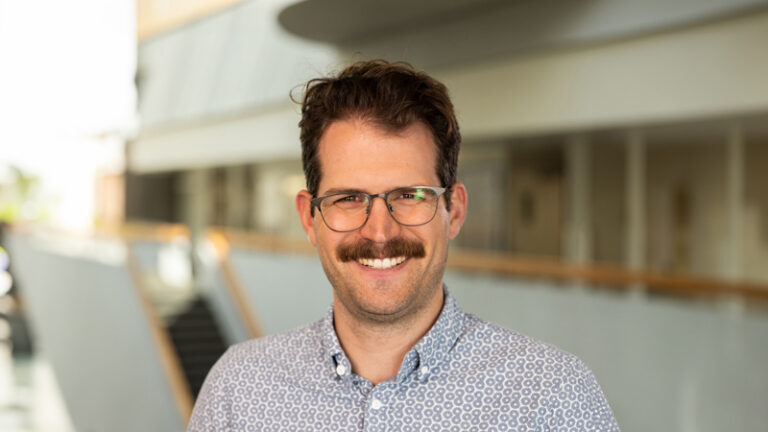
Michael Erb, PhD, studies tumorigenic gene regulation to identify new cancer vulnerabilities. The Erb lab develops chemical tools to drug and study such vulnerabilities with the intention of advancing new therapeutic approaches to address human cancers.
After earning his doctorate in chemical biology at Harvard University, Erb launched his own research lab as a Scripps Research Fellow in 2017. He was promoted to assistant professor in the Department of Chemistry in 2020. In 2023, Erb was promoted to associate professor, tenure-track, continuing to build on his successful research program.
Danielle Grotjahn, PhD
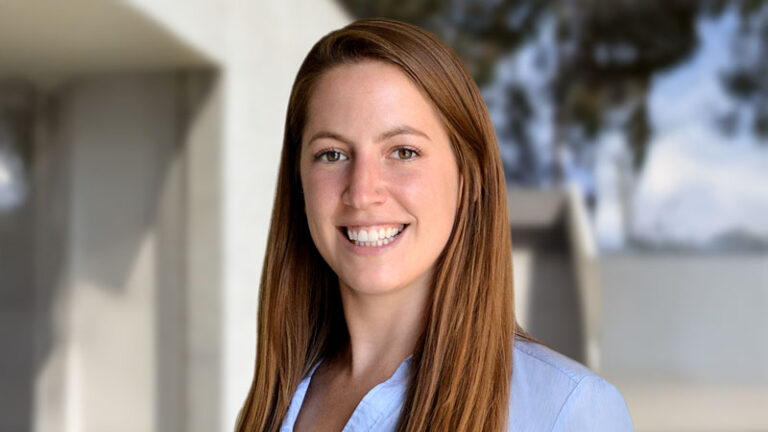
Danielle Grotjahn, PhD, studies the interplay of mitochondria and their surrounding cellular environment, especially in response to cellular stress. She employs advanced structural and computational tools including cryogenic electronic microscopy.
After joining Scripps Research as a Fellow in 2019, Grotjahn was promoted to assistant professor in the Department of Integrative Structural & Computational Biology in 2021 and then associate professor, tenure-track, in the summer of 2025. Previously, Grotjahn completed a postdoctoral position at the California Institute of Technology. She earned her doctorate at Scripps Research.
Ilia Droujinine, PhD
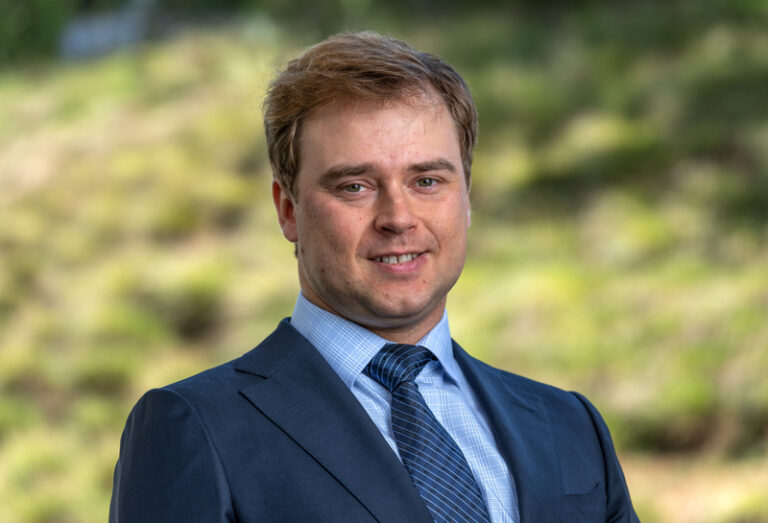
The Droujinine lab is developing novel proteomic and genetic tools in order to characterize networks of proteins at work in physiology and disease. Secreted proteins coordinate functions of organs and organisms, and compose a yet-uncharacterized communication network that is dysregulated in disease.
Droujinine completed his PhD at Harvard Medical School and started his lab at Scripps Research as a Fellow in 2020. In 2023, he was promoted to assistant professor, tenure-track, in the Department of Molecular & Cellular Biology.
Marco Mravic, PhD
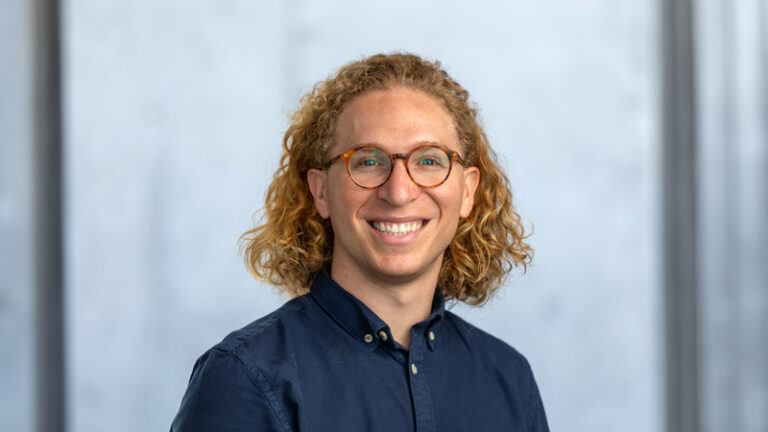
The Mravic lab specializes in computational design, protein chemistry and structural biology to understand membrane proteins, specifically, their molecular mechanism and folding physics. The lab develops software to engineer novel synthetic membrane proteins and lipid-embedding chemical biology tool molecules to targeting natural membrane protein structural and functional states in disease.
Mravic earned his doctorate in biophysics from the University of California, San Francisco, became a Scripps Research Fellow in 2020 and was promoted to assistant professor, tenure-track, in 2023.