Video Library
For media inquiries, email us: [email protected]
-
 VideoExplore
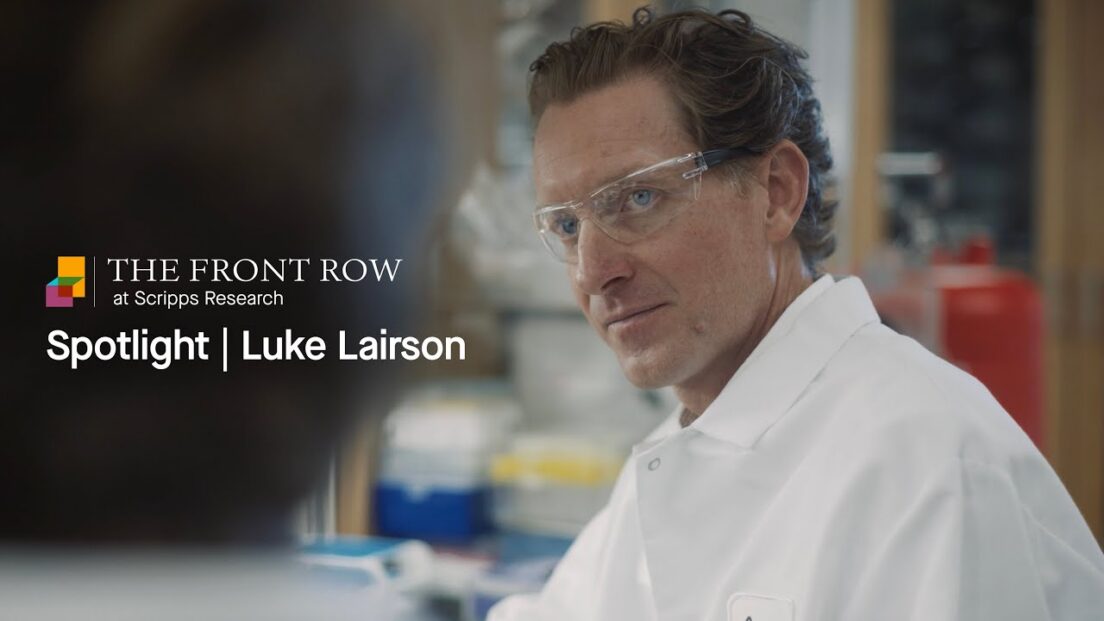
Front Row spotlight with Luke Lairson
Multiple sclerosis (MS) is a debilitating autoimmune disease that disrupts the central nervous system, causing symptoms like muscle weakness, cognitive challenges and a gradual loss of function that current treatments cannot fully repair. MS arises when the immune system attacks the myelin sheath, the protective layer insulating neurons. Scripps Research chemistry professor Luke Lairson will discuss his research on the body’s natural repair pathways—specifically those that activate endogenous stem cells to restore myelin. His work aims to develop therapies that complement existing therapeutic approaches and halt MS progression.
-
 VideoExplore
Shaping the future of medicine
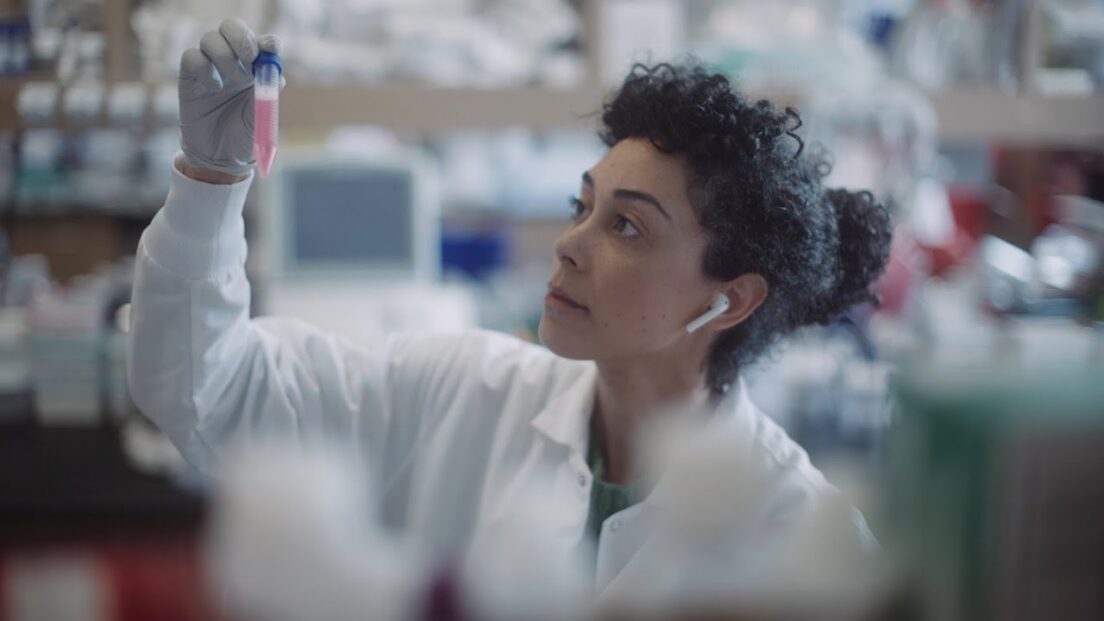
Under the leadership of President and CEO Pete Schultz, Scripps Research is building on this strong scientific foundation to accelerate the impact of fundamental research on human health. In addition to leading the way in curiosity-fueled science, Scripps Research has emerged as a world leader in translational research, including drug discovery and advances in individualized and digital medicine. The Calibr-Skaggs Institute for Innovative Medicines and the Scripps Research Translational Institute (SRTI), unique in the nonprofit research sector, are dedicated to turning scientific discoveries into real-world medical advances, including preventative approaches, diagnostics and new medicines.
-
 VideoExplore
A new vision for science
Scripps Research is pioneering a new model for nonprofit research institutes to address the significant health challenges facing humanity in the 21st century, from pandemic threats to the aging of the global population. Founded 100 years ago, Scripps Research is renowned in the life sciences and chemistry for scientific excellence and for training the scientific leaders of tomorrow. Building on this solid foundation, we've established a unique model that seamlessly combines world-class fundamental and translational research to accelerate the development of innovative, new medicines. We believe this model best captures the impact of groundbreaking discoveries for the benefit of human health. Moreover, revenues generated from these new medicines are reinvested into research, creating a self-renewing funding source and business model that amplifies investments in science and their ultimate impact on the public.
Calibr-Skaggs Translational Institute -
 VideoExplore
Driving scientific discovery
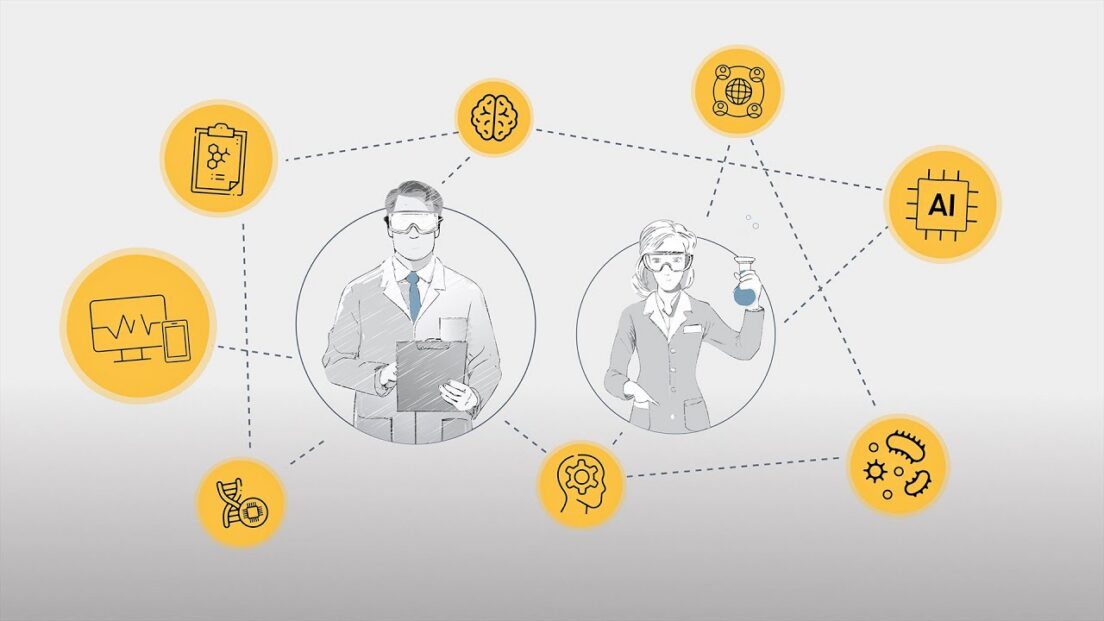
Scripps Research is globally recognized for the breadth and impact of its scientific contributions. Ranked by the Nature Index among the world's top five most innovative institutes, Scripps Research empowers its scientists to pursue high-risk, high-reward ideas that transform our understanding of the world and lead to new technologies that shape our future. Our faculty pursue highly interdisciplinary research, bridging the fields of chemistry, neuroscience, structural and computational biology, cellular and molecular biology, and immunology. Among their many contributions are major advances in understanding the adaptive and innate immune systems, sensory neurobiology and cellular signaling, and they have pioneered technologies in chemical synthesis, synthetic biology and biotechnology. These accomplishments have been recognized by some of the most prestigious honors in science, including six Nobel Prizes (two very recently), six Wolf Prizes, and Breakthrough and MacArthur Genius Prizes. Through our Skaggs Graduate School of Chemical and Biological Sciences—recognized among the top 10 programs nationally by U.S. News & World Report—we’re inspiring and training the next generation of scientific leaders, ensuring the continued trajectory of scientific excellence for generations to come.
-
 VideoExplore
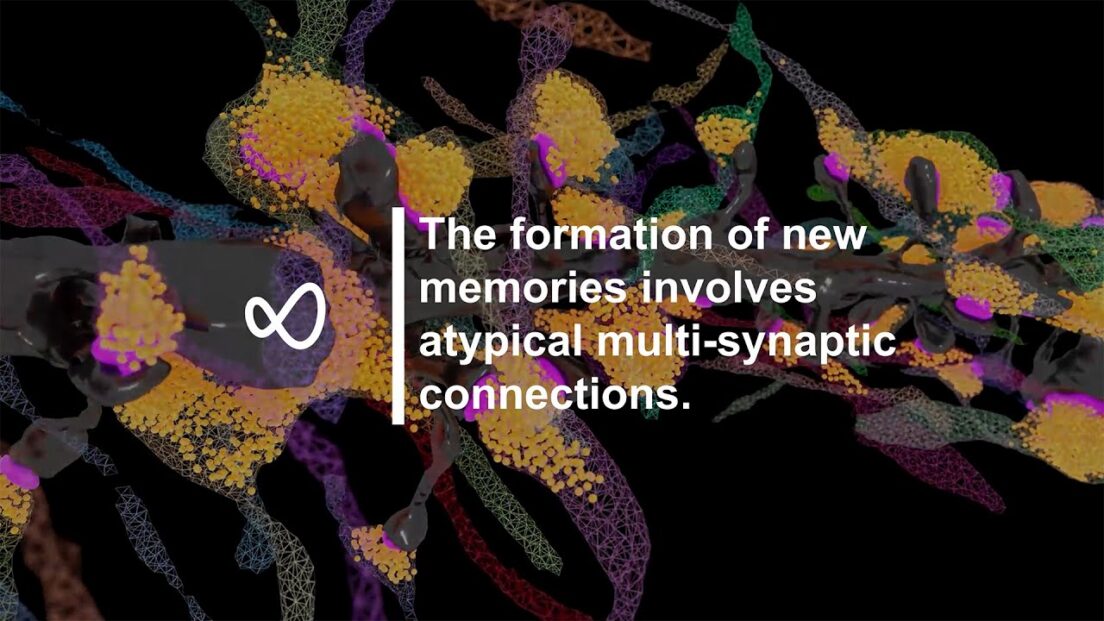
The formation of new memories involves atypical multi-synaptic connections
Using cutting-edge genetic tools, 3D electron microscopy, and artificial intelligence, Scripps Research scientists and colleagues have uncovered key structural hallmarks of long-term memory, called an engram. Their study, published in Science on March 20, 2025, paves the way for future advances in treating memory loss and other cognitive impairments associated with aging and neurodegenerative diseases.
-
 VideoExplore
Decoding viruses for vaccine innovation
Viruses use specialized proteins to infect human cells, and understanding their structure is key to creating more effective vaccines and antiviral therapies. In this Front Row lecture, Scripps Research professor Andrew Ward delved into his pioneering work on mapping these proteins with cutting-edge imaging techniques. Ward’s research provides critical insights into viral neutralization mechanisms, paving the way for advancements in vaccine development against pathogens like HIV, influenza, coronaviruses and much more.
Integrative Structural & Computational Biology Front Row Lecture Series Infectious Diseases Integrative Structural & Computational Biology -
 VideoExplore
A science institute for the 21st century
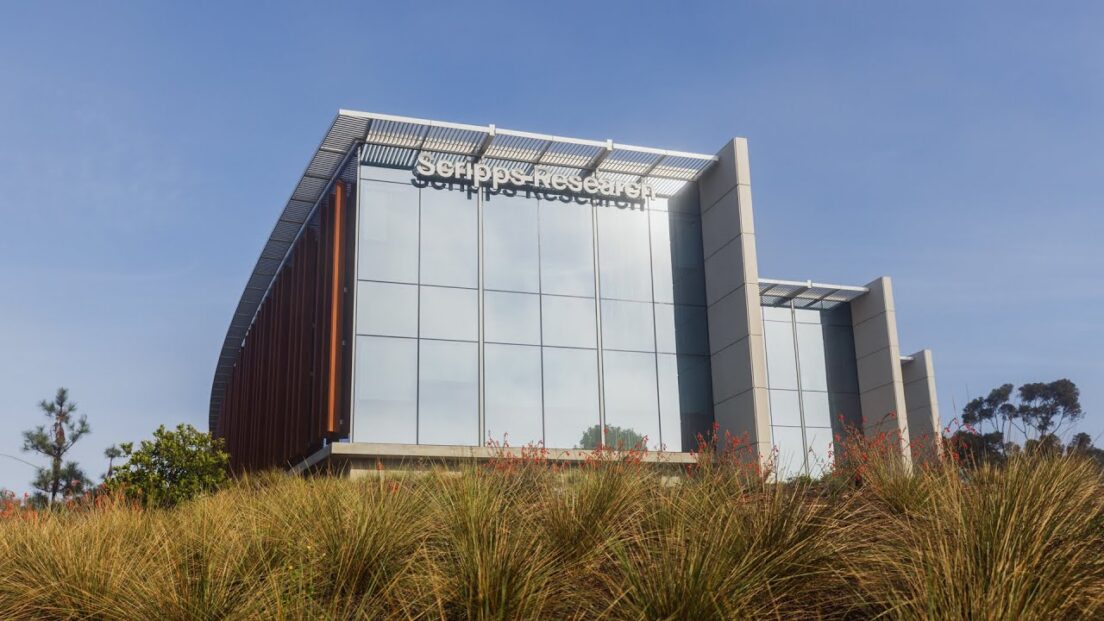
Scripps Research is pioneering a new model for nonprofit research institutes to address the significant health challenges facing humanity in the 21st century, from pandemic threats to the aging of the global population. Founded 100 years ago, Scripps Research is renowned in the life sciences and chemistry for scientific excellence and for training the scientific leaders of tomorrow. Building on this solid foundation, we have established a unique model that seamlessly combines world-class fundamental and translational research to accelerate the development of innovative, new medicines. We believe this model best captures the impact of groundbreaking discoveries for the benefit of human health. Moreover, revenues generated from these new medicines are reinvested into research, creating a self-renewing funding source and business model that amplifies investments in science and their ultimate impact on the public.
Translational Institute -
 VideoExplore
Front Row spotlight with Andrew Ward
Viruses use specialized proteins to infect human cells, and understanding their structure is key to creating more effective vaccines and antiviral therapies. Scripps Research professor Andrew Ward will delve into his pioneering work on mapping these proteins with cutting-edge imaging techniques. Ward’s research provides critical insights into viral neutralization mechanisms, paving the way for advancements in vaccine development against pathogens like HIV, influenza, coronaviruses and much more.
Integrative Structural & Computational Biology Events Front Row Lecture Series Integrative Structural & Computational Biology -
 VideoExplore
The gut-brain axis: A key to metabolism and longevity
How do our gut and brain communicate with one another, and how do they influence our metabolism, our behavior, and the aging process? Scripps Research neuroscience professor Supriya Srinivasan is dedicated to answering these pressing questions using modern genetic and molecular tools across different experimental systems. In this Front Row lecture, Srinivasan revealed the intricacies of the gut-brain networks that regulate energy regulation and fat metabolism, as well as their impact on lifespan. Discover how her work could lead to new therapies that restore a healthy metabolism and tackle dysregulation.
-
 VideoExplore
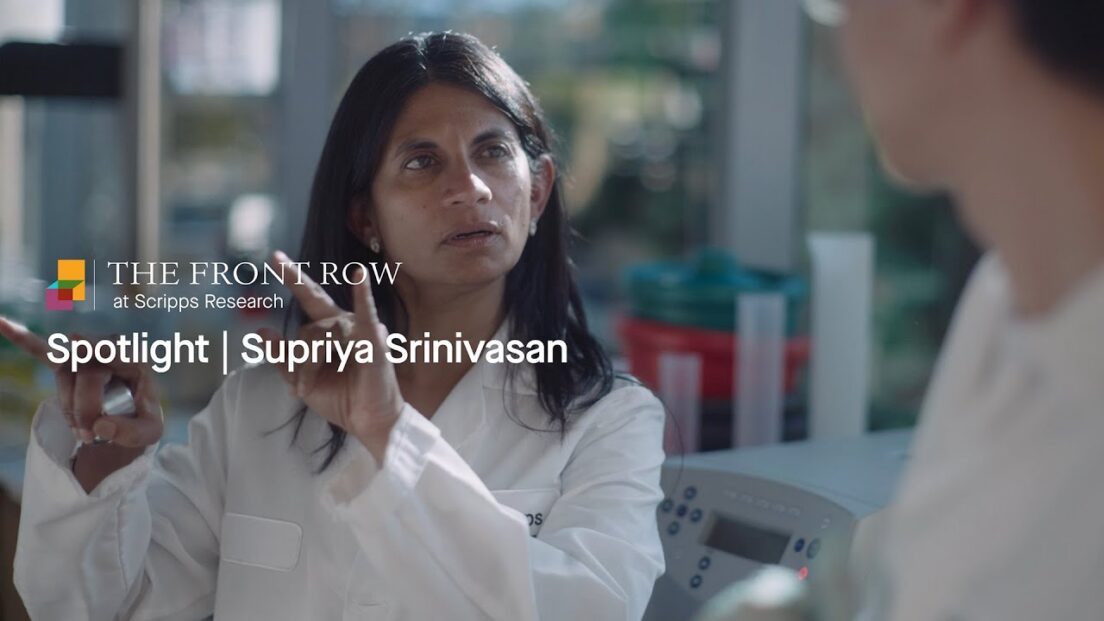
Front Row spotlight with Supriya Srinivasan
How do our gut and brain communicate with one another, and how do they influence our metabolism, our behavior, and the aging process? Scripps Research neuroscience professor Supriya Srinivasan is dedicated to answering these pressing questions using modern genetic and molecular tools across different experimental systems. Srinivasan will reveal the intricacies of the gut-brain networks that regulate energy regulation and fat metabolism, as well as their impact on lifespan. Discover how her work could lead to new therapies that restore a healthy metabolism and tackle dysregulation.
-
 VideoExplore
Scientists identify mutation that could facilitate H5N1 “bird flu” transmission in humans
A recent Science study reveals that a single mutation in the H5N1 “bird flu” virus could enhance the virus’ ability to attach to human cells. Led by Scripps Research scientists Ian Wilson and James Paulson, the study highlights the need to monitor H5N1’s evolution.
-
 VideoExplore
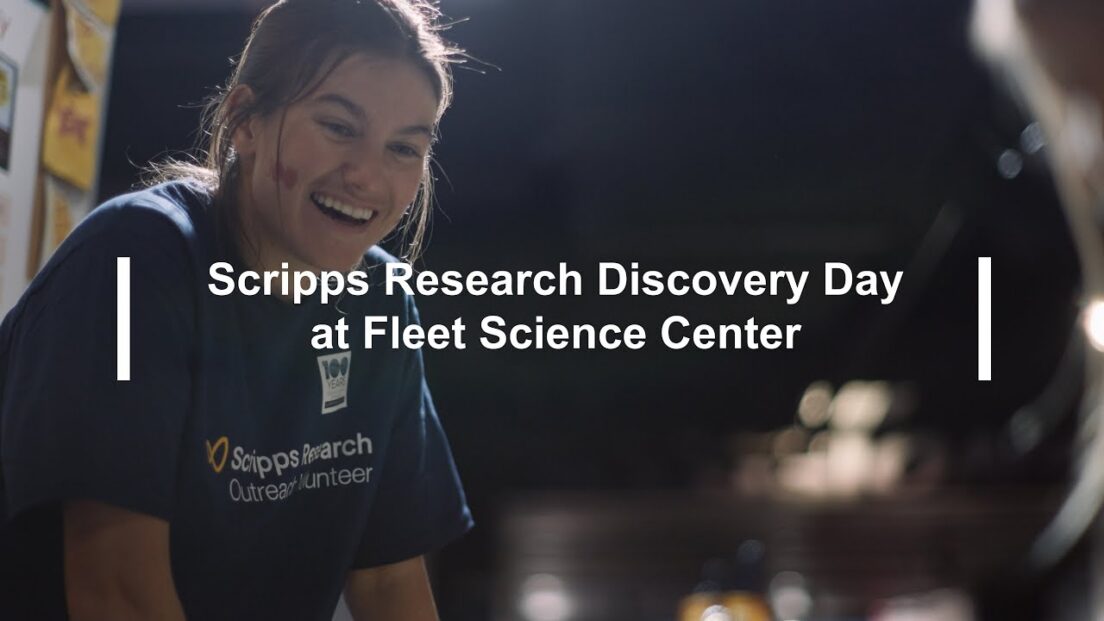
Scripps Research Discovery Day at Fleet Science Center 2024
On November 10, 2024, Scripps Research continued its year of centennial celebrations with an afternoon of interactive discovery at the Fleet Science Center in San Diego’s Balboa Park. The event coincided with the annual World Science Day for Peace and Development and highlighted the renowned institute’s 100-year anniversary.
Educational Outreach Events -
 VideoExplore
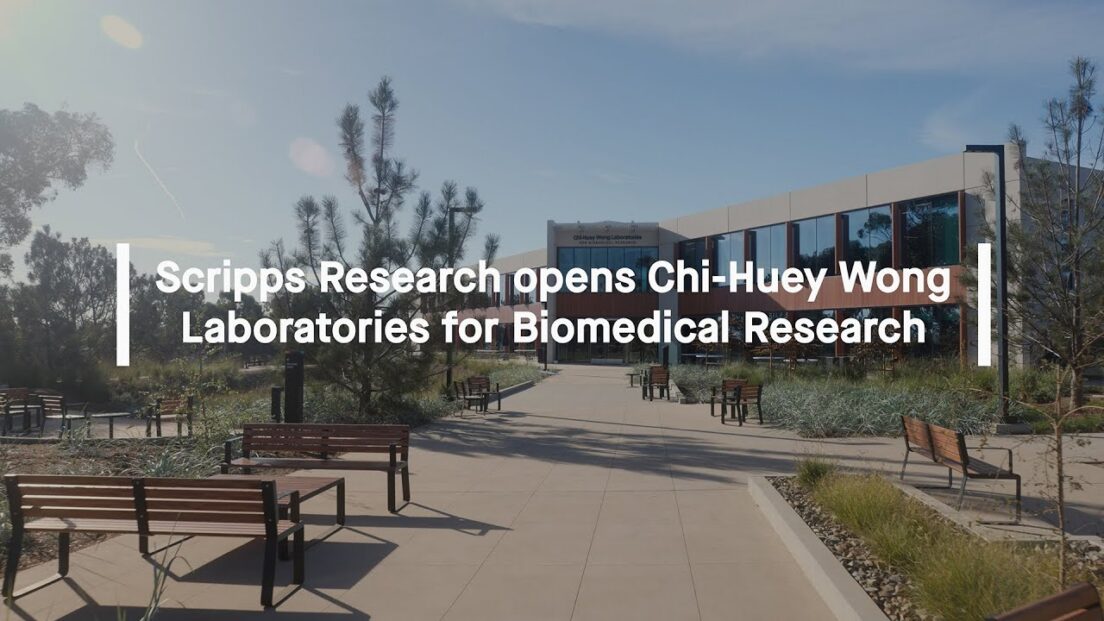
Opening the Chi-Huey Wong Laboratories for Biomedical Research
Scripps Research leadership, philanthropists and scientists celebrated the recent dedication of the new Chi-Huey Wong Laboratories for Biomedical Research on October 23, 2024, with a special ribbon-cutting ceremony and reception. Philanthropic support from several donors made this exciting addition to Scripps Research’s award-winning Hazen campus possible. Notably, Samuel Yin, Taiwanese businessman, prominent philanthropist and creator of the Tang Prize, provided generous seed funding to construct the new facility. His son, Chung-Yao Yin, attended the event and delivered remarks on his father’s behalf. Professor Chi-Huey Wong, the building’s namesake, also attended, as well as Scripps Research supporter Jim Zolin, who named the building’s first-floor conference room. The state-of-the-art Chi-Huey Wong Laboratories is one of the largest facilities built by the institute and marks a significant milestone in Scripps Research’s efforts to enable interdisciplinary collaborations across chemical and life sciences.
-
 VideoExplore
Peering into the mitochondria to reveal cellular stress and disease
The mitochondria are well known for being cellular “powerhouses,” given their important role in energy generation. Yet emerging research is now suggesting these organelles also play a key role as the stress-sensors for the cell. In this Front Row lecture, Scripps Research assistant professor Danielle Grotjahn explored how mitochondria change shape in response to different genetic and environmental stressors. By harnessing cutting-edge imaging technologies to examine mitochondria in these never-before-seen-ways, Grotjahn is revealing how these organelles can predict overall cellular health and even disease, including neurodegenerative disorders and cancer.
Integrative Structural & Computational Biology Cancer Events Front Row Lecture Series Integrative Structural & Computational Biology Neurological Disorders -
 VideoExplore
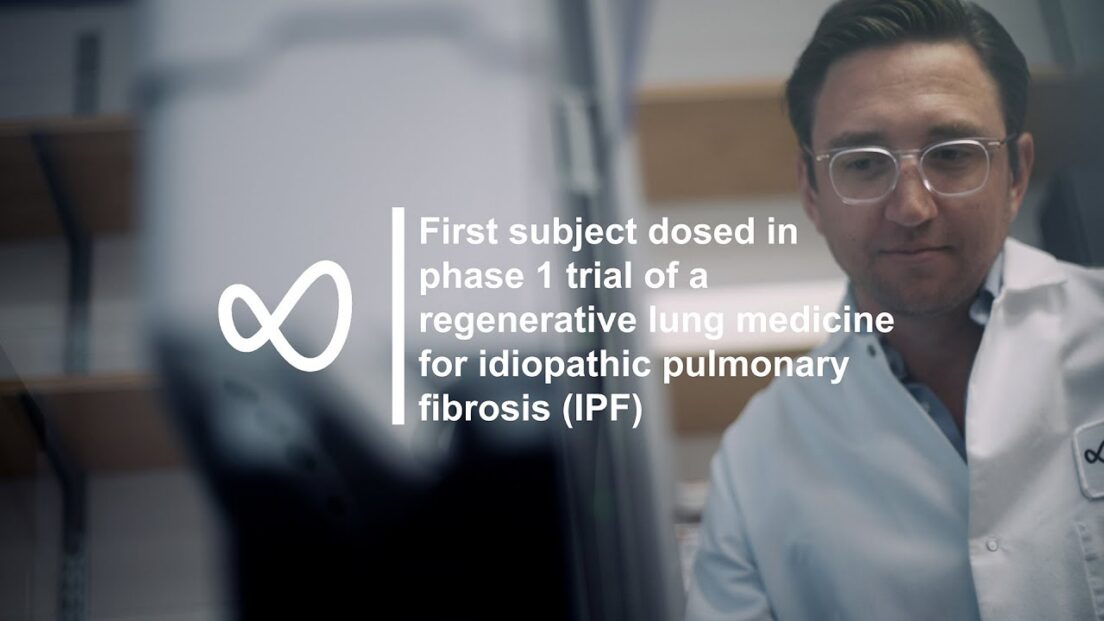
New regenerative lung therapy begins phase 1 trials | CMR316 & IPF treatment
The Calibr-Skaggs Institute for Innovative Medicines, part of Scripps Research, has begun testing a new regenerative lung therapy called CMR316. This inhaled treatment could change the way we treat lung diseases like idiopathic pulmonary fibrosis (IPF) and potentially even chronic obstructive pulmonary disease by stimulating stem cells to restore damaged lung tissue. In this phase 1 clinical trial, they're checking the safety and effects of this once-weekly drug in both healthy volunteers and IPF patients.
-
 VideoExplore
How do you feel? Molecules that sense touch and other pressures
The inner workings of the brain have eluded neuroscientists for ages—including how we perceive sensations such as touch, pain, sound and even blood flow. In this Front Row lecture, Scripps Research professor and Nobel laureate Ardem Patapoutian discussed the molecular sensors that enable the mind to interpret different physical and chemical stimuli. These discoveries—for which Patapoutian was awarded the 2021 Nobel Prize in Physiology or Medicine—are helping answer long-standing questions in neuroscience, such as how cells communicate with each other, how we sense our body in time and space, how these sensors impact different diseases and more.
-
 VideoExplore
Learn from scientific pioneers at Skaggs Graduate School
The Skaggs Graduate School of Chemical and Biological Sciences at Scripps Research offers a top-10 ranked doctoral program that empowers graduate students to make high-impact discoveries at the interface of chemistry and biology. Roughly 400 PhD students, both in La Jolla, California, and Jupiter, Florida, are currently enrolled in the program, working with almost 150 graduate program faculty members. Almost 1,000 students have earned doctoral degrees from the program since its inception in 1989. The Skaggs Graduate School immerses doctoral students in intensive laboratory research from day one. World-renowned faculty impart knowledge and expertise as mentors and advisors. Students customize their course curriculum to match individual research interests while exploring multidisciplinary topics across the spectrum of chemistry and biology.
Graduate Program Education -
 VideoExplore
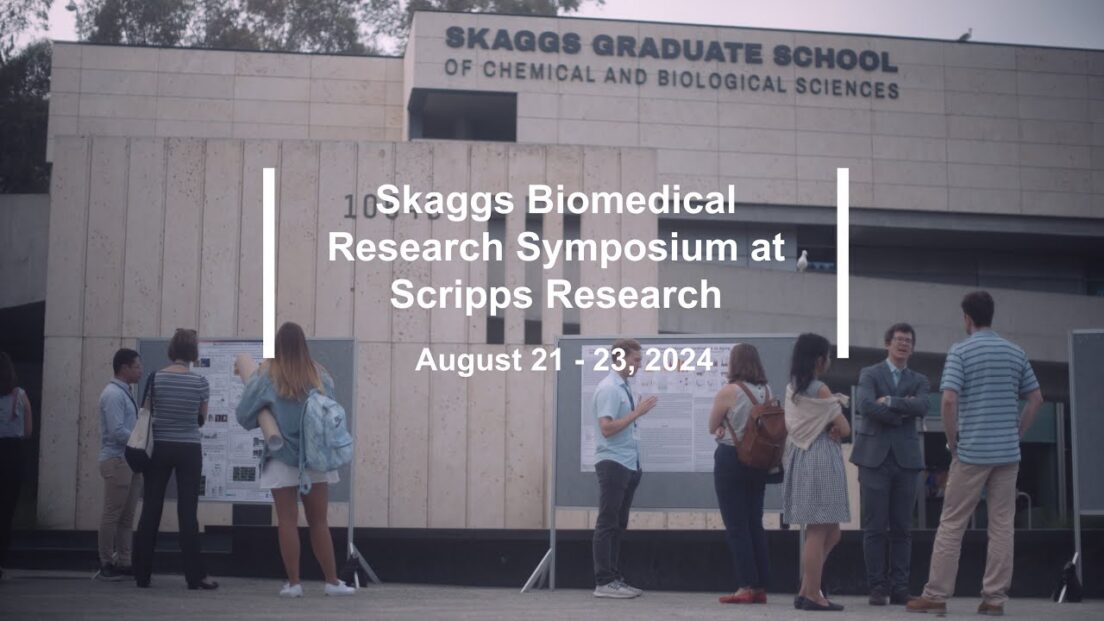
Skaggs Biomedical Research Symposium at Scripps Research
Students, faculty, and leadership from seven institutions across the west came together at Scripps Research for the 2024 Skaggs Biomedical Research Symposium—a celebration of life-changing innovations originating from our labs. Throughout three days of oral presentations, poster sessions and networking, participants shared and explored the groundbreaking science made possible by the generosity of the Skaggs family.
Philanthropy Events -
 VideoExplore
How donations empower future scientists | The Skaggs family’s impact
Why are donations important in empowering the future leaders of science? As a nonprofit organization, Scripps Research relies on generous contributions from individuals, foundations and corporations to support our many biomedical research and educational programs, including our top-10 ranked doctoral program. The most impactful and enduring of these contributions came from the Skaggs family, who have a long and storied history of supporting nonprofit biomedical research and education programs across the western United States. In 2018, Scripps Research announced that the Skaggs family made a lead gift through The ALSAM Foundation toward the institute’s $100 million campaign to establish endowed fellowships for students in its Graduate Program. In honor of this gift, the program was renamed the Skaggs Graduate School of Chemical and Biological Sciences.
-
 VideoExplore
Delivering medicines for a global population
Infectious diseases like tuberculosis and malaria pose an ever-increasing risk to communities around the world. Meanwhile, a lack of investment, long treatment protocols and drug resistance have stymied innovation in this area. In this Front Row lecture, Vice President of Medicinal Chemistry Arnab Chatterjee discussed how the Calibr-Skaggs Institute of Innovative Medicines—the drug discovery and development arm of Scripps Research—is using innovative new approaches and technologies to overcome these historic barriers. His work at the Calibr-Skaggs Institute is helping accelerate the delivery of safe, effective and accessible medicines to countries spanning the globe.
Calibr-Skaggs Drug Discovery Arnab Chatterjee Events Front Row Lecture Series Infectious Diseases Respiratory Diseases tuberculosis -
 VideoExplore
Regenerating tissues to treat disease
Regenerative medicine involves harnessing the body’s own capacity to repair tissues and organs. In this Front Row lecture, Associate Professor Michael Bollong shared how he's identifying and targeting the pathways controlling regeneration. By combining traditional drug discovery tools with modern biological techniques, Bollong and his lab are developing novel medicines that can intervene in the processes that cause a spectrum of human diseases and medical conditions, including heart disease, inflammatory disease and fibrosis.
Chemistry Drug Discovery Events Front Row Lecture Series Heart Disease Respiratory Diseases Translational Medicine -
 VideoExplore
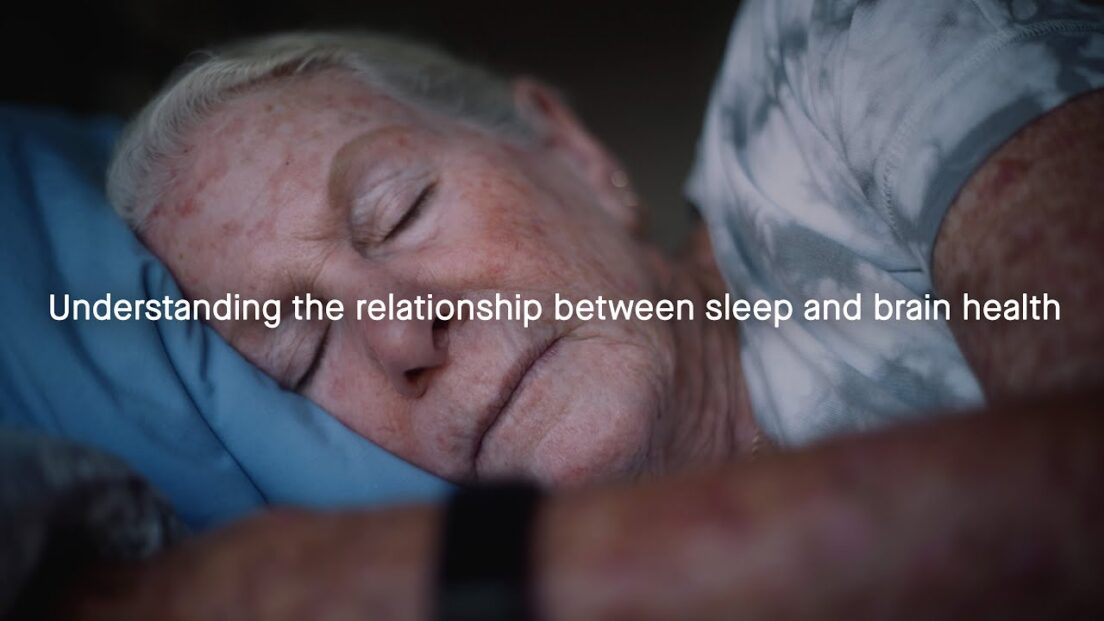
Understanding the relationship between sleep and brain health
Some neurocognitive diseases, such as Alzheimer’s disease and other dementias, affect more women than men. There are also gaps in our understanding of the impact of sleep on women’s cognitive health. Scientists at the Scripps Research Digital Trials Center have launched the REFRESH- Neurocognitive Outcomes in Women study (REFRESH-NOW), a new research project aimed at better understanding sleep and brain health in women with the help of fitness trackers. REFRESH-NOW, led by Stuti Jaiswal, a physician-scientist specializing in sleep research, will use wrist-worn activity trackers and smartwatches to gather longitudinal data from women who are 55 and older over a three-year period. The goal of the study is to identify sleep-related risk factors, enabling for the development of better interventions.
Translational Medicine Digital Medicine Translational Institute Aging & Healthspan Alzheimer's Disease Neurological Disorders -
 VideoExplore
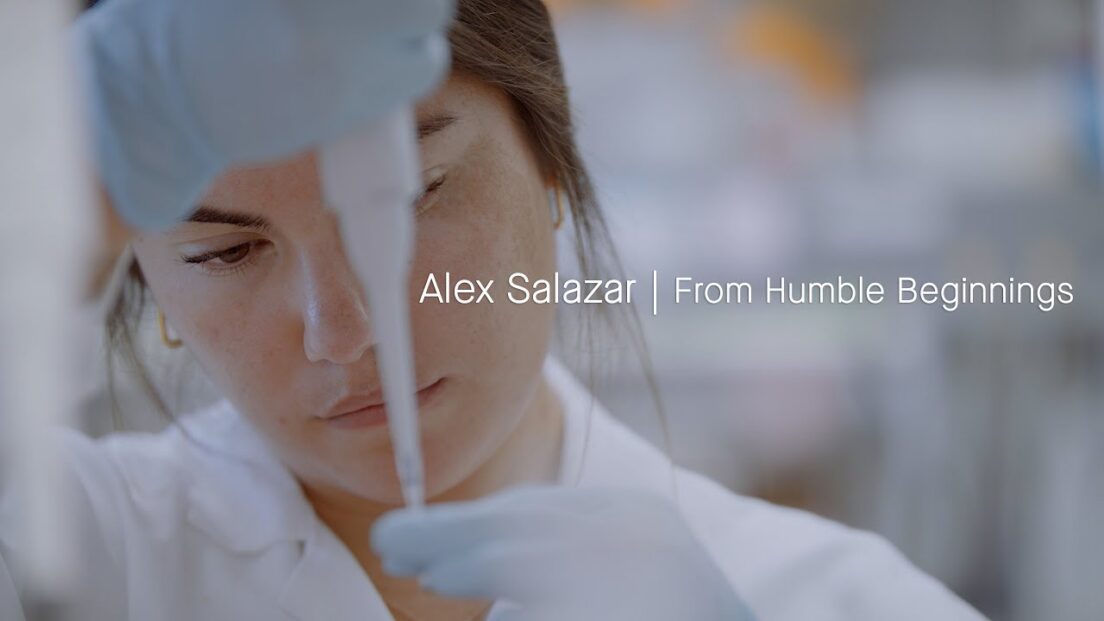
From humble beginnings | Behind the Bench with graduate student Alex Salazar
Originally from the Antelope Valley, Alex's journey from her hometown to the renowned Scripps Research in La Jolla is a testament to perseverance and passion. From growing up in an underserved neighborhood to researching alongside a Nobel Laureate, she’s proving that anyone can become a researcher and help shape the future.
-
 VideoExplore
Scientists uncover a “one-two punch” for fighting cancer
Checkpoint inhibitor therapies can be thought of as the molecular “brake release” for the immune system. These drugs eliminate the protein barriers that impede the immune system from recognizing and targeting cancer cells in the body. While there are multiple checkpoint inhibitors approved to treat different types of cancer, many patients don’t respond or develop resistance to available regiments. A Scripps Research team has now found that ruxolitinib, an approved immunosuppressive drug, supercharged T-cell responses when used alongside checkpoint inhibitors—boosting their effectiveness in fighting cancer. These findings, published in Science on June 21, are supported by a phase I clinical trial of patients with Hodgkin lymphoma, as well as preclinical models.
-
 VideoExplore
What does Scripps Research mean to you? | Part three
Embark on a journey into the heart of scientific breakthroughs with Scripps Research. From the frontier of artificial intelligence to pioneering precision medicines, our postdocs, grad students and junior faculty are paving the way for transformative advancements in healthcare, climate science and beyond.
-
 VideoExplore
What Does Scripps Research mean to you? | Part two
Embark on a journey into the heart of scientific breakthroughs with Scripps Research. From the frontier of artificial intelligence to pioneering precision medicines, our postdocs, grad students and junior faculty are paving the way for transformative advancements in healthcare, climate science and beyond.
-
 VideoExplore
What Does Scripps Research mean to you? | Part one
Embark on a journey into the heart of scientific breakthroughs with Scripps Research. From the frontier of artificial intelligence to pioneering precision medicines, our postdocs, grad students and junior faculty are paving the way for transformative advancements in healthcare, climate science and beyond.
-
 VideoExplore
Celebrate the journey: Graduation Day 2024
In May 2024, Scripps Research's Skaggs Graduate School awarded doctoral degrees to its 32nd graduating class. Professors and faculty share their wisdom to the 59 students who graduated. Among "be bold, be curious and take the world by the horns," hear what else they had to say.
-
 VideoExplore
Skaggs Graduate School at Scripps Research | 32nd Annual Commencement Ceremony
The Skaggs Graduate School of Chemical and Biological Sciences at Scripps Research is pleased to present our 2024 Commencement Ceremony, celebrating our 59 newest doctoral degree recipients who comprise Scripps Research’s 32nd graduating class. Held on Friday, May 17, 2024, the event featured introductions of the graduating students by their faculty mentors, recognizing their academic achievements and scientific accomplishments, as well as a keynote address by noted chemist and Scripps Research alumnus Phil Baran. We hope you enjoy this celebration of research and discovery, as well as the tenacity, creativity and incredible promise demonstrated by these young scientists.
-
 VideoExplore
Fixing the misfolded proteins that cause dementia and heart failure
All proteins have a correct way of “folding” themselves into their 3D structures. When this folding process goes awry, including processes leading to protein misassembly, a number of devastating diseases can result. In this Front Row lecture, Scripps Research professor Jeffery Kelly shared how he's developing novel therapeutic strategies to target these protein misfolding diseases, which lead to deterioration of the heart and brain. His multi-disciplinary research has already led to the development of an FDA-approved drug available in the pharmacy called tafamidis (Vyndaqel® and Vyndamax®): a medicine that slows the progression of the neurodegenerative disease familial amyloid polyneuropathy and the degenerative heart disease called TTR cardiomyopathy.
-
 VideoExplore
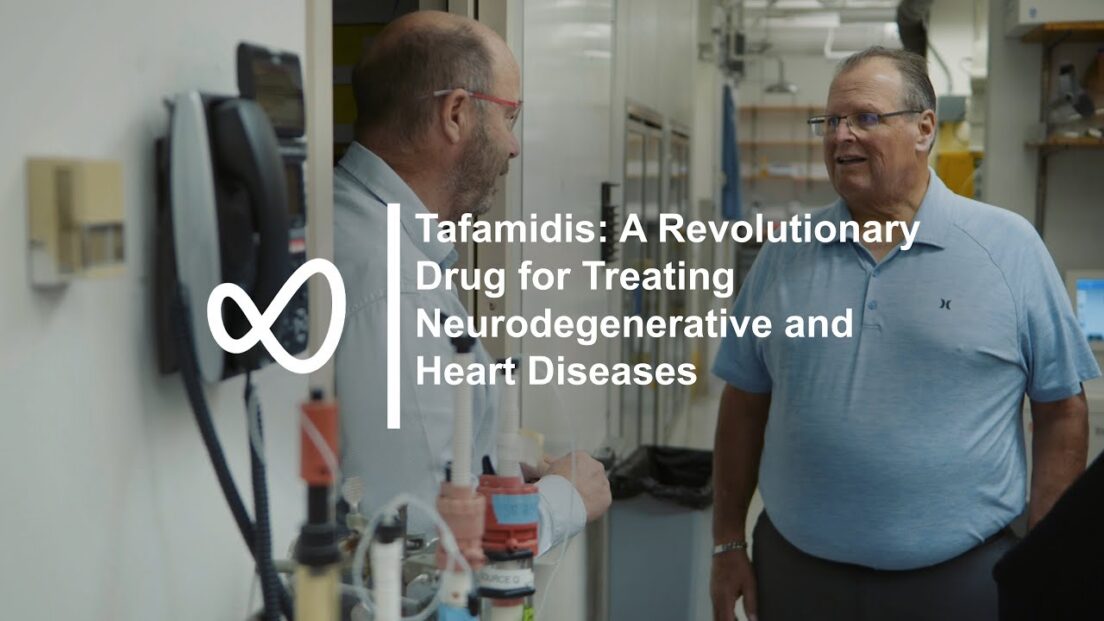
Tafamidis: A revolutionary drug for treating neurodegenerative and heart diseases
Scripps Research professor Jeffery Kelly received an unexpected visit from a patient whose life was dramatically improved by tafamidis—a revolutionary drug for treating neurodegenerative and heart diseases, developed by Kelly himself. Kelly is a leading figure at Scripps Research, spearheading efforts to address some of the most pressing medical challenges, including Alzheimer’s and various amyloid diseases. His cutting-edge research on protein misfolding has not only led to the development of tafamidis but has also broadened our understanding of protein aggregation disorders.
-
 VideoExplore
Front Row spotlight with Jeffery Kelly
Scripps Research professor Jeffery Kelly received an unexpected visit from a patient whose life was dramatically improved by tafamidis—a revolutionary drug for treating neurodegenerative and heart diseases, developed by Kelly himself. Kelly is a leading figure at Scripps Research, spearheading efforts to address some of the most pressing medical challenges, including Alzheimer’s and various amyloid diseases. His cutting-edge research on protein misfolding has not only led to the development of tafamidis but has also broadened our understanding of protein aggregation disorders.