Video Library
For media inquiries, email us: [email protected]
-
 VideoExplore
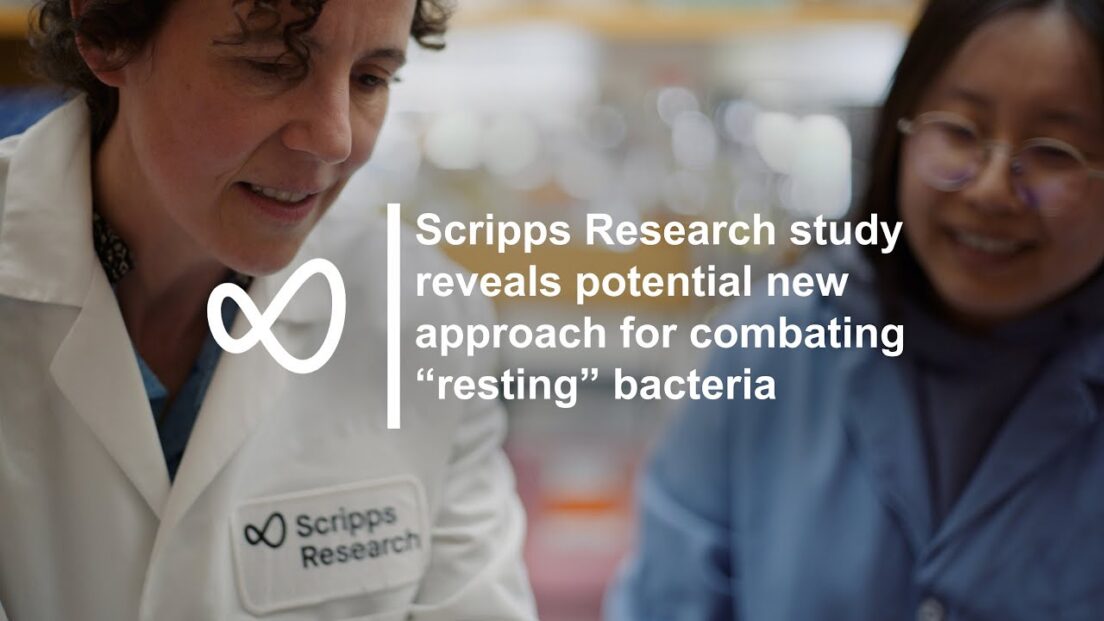
Combating “resting” bacteria to better treat chronic infections
Scripps Research scientists have discovered how long chains of molecules called polyphosphates (polyP) are needed for bacteria to slow down movements within cells and let them enter a resting state. This “resting state” helps the pathogen evade antibiotics and contributes to severe chronic infections in the lungs and blood, within wounds, and on the surfaces of medical devices. These findings, published in Proceedings of the National Academy of Sciences on April 02, 2024, could eventually lead to new ways of treating chronic infections in which typical antibiotics aren’t effective.
Integrative Structural & Computational Biology Integrative Structural & Computational Biology -
 VideoExplore
Bringing precision therapy to mental disorders
Mental disorders like depression and schizophrenia affect the lives of millions of people around the world, and yet, available treatment options have remained the same for decades. In this Front Row lecture, Scripps Research professor Hugh Rosen shared how his pioneering research has led to the development of the drug navacaprant, which precisely targets one of the brain’s behavioral circuits and is currently in clinical testing for major depressive disorder. Harnessing his expertise as a physician-scientist, Rosen has discovered and developed multiple other medicines, including ozanimod—a breakthrough treatment approved for multiple sclerosis and ulcerative colitis.
Molecular & Cellular Biology Drug Discovery Events Front Row Lecture Series Mental Disorders Molecular & Cellular Biology -
 VideoExplore
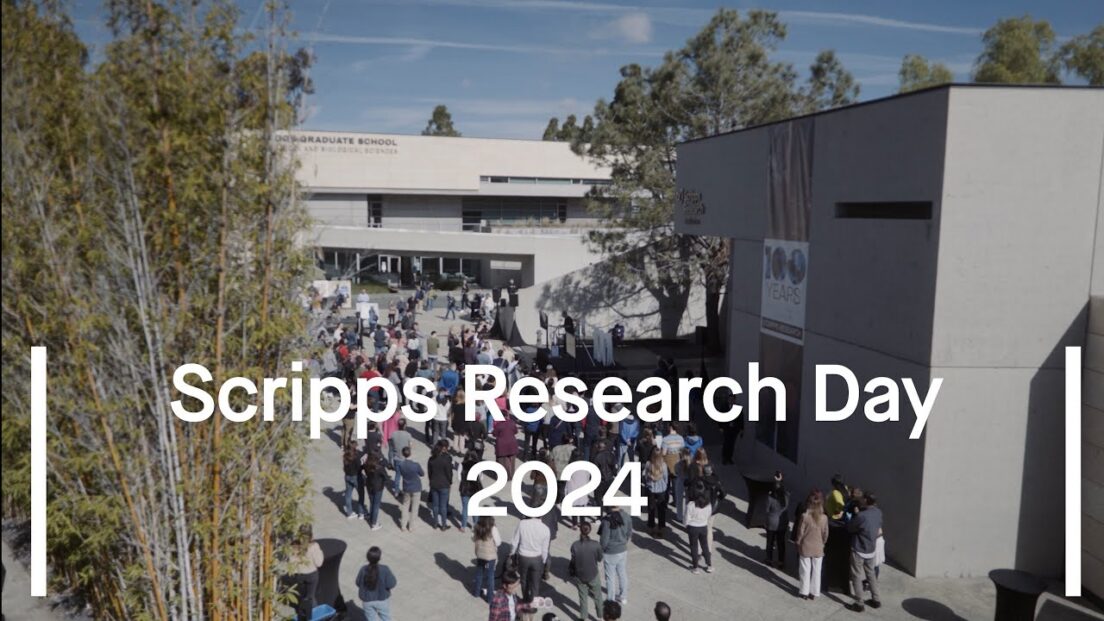
Scripps Research Day highlights
On February 15, 2024, Scripps Research celebrated its 100-year anniversary with “Scripps Research Day,” as declared by the City of San Diego. The event marked a century of life-saving discoveries, while also looking toward the future of scientific achievement. Scripps Research President and CEO Pete Schultz and San Diego Mayor Todd Gloria gave remarks and shared the official city proclamation with Institute staff, scientists and students. Attendees enjoyed a photo booth, music, food, games and a historic archives booth presented by Scripps Research Library.
Centennial Events -
 VideoExplore
How experiences shape the developing brain and impact neurological diseases
As we age, learn and grow over our lifetimes, the brain continually responds and adapts to what we experience. In this Front Row lecture, Scripps Research Chair of the Department of Neuroscience Hollis Cline revealed how sensory experiences shape the brain during development and aging—particularly visual experiences. Cline’s work has been critical in revealing how key visual brain circuits become disrupted in neurodevelopmental disorders, as well as in mapping the different communication pathways between neurons.
-
 VideoExplore
Scripps Research timeline: A century of science changing life
As Scripps Research celebrates our centennial, take a look at some of the major milestones over the past 100 years: from our founding in 1924, to our transformational leaders, and multiple Nobel Prize wins. Since its founding by philanthropist and journalist Ellen Browning Scripps in 1924, Scripps Research has remained at the forefront of science and medicine. Located in Torrey Pines, the institute now houses six research departments, multiple Nobel laureates and a top-ranked graduate school. Discoveries at Scripps Research have led to 15 approved medicines, including five invented within the institute’s labs. Scripps Research has also been an influential force in shaping the bioscience community atop the Torrey Pines Mesa, which is now a thriving and collaborative ecosystem of academic institutions, biopharmaceutical companies and nonprofit organizations. As Scripps Research enters a new century, the institute plans to expand its global impact on science and human health. Researchers will continue pursuing bold, transformative ideas, while translating these foundational discoveries into life-saving medicines. These are aimed at treating a spectrum of severe conditions, including cancer, neurological disorders, infectious diseases and much more.
Centennial -
 VideoExplore
Making science matter: A vision for a new century of life-changing science
In the inaugural lecture of the 2024 Centennial Front Row series, President and CEO Peter Schultz illuminated how Scripps Research is building on its storied past—a remarkable century of discovery and innovation—to establish a new paradigm for the future of science and medicine. Under Schultz’s leadership, Scripps Research is expanding its global impact by empowering exceptional scientists to pursue groundbreaking ideas and seamlessly blending curiosity-fueled science with impact-driven drug discovery. Schultz shared how this unique approach is already giving rise to a new generation of first-in-class medicines against cancers, heart disease, deadly pathogens, neurological disorders and many other health threats.
-
 VideoExplore
Scripps Research: A century of science changing life
In 2024, Scripps Research celebrated 100 years of Science Changing Life. Since its founding by philanthropist and journalist Ellen Browning Scripps in 1924, Scripps Research has remained at the forefront of science and medicine with six research departments, multiple Nobel laureates and a top-ranked graduate school.
Centennial -
 VideoExplore
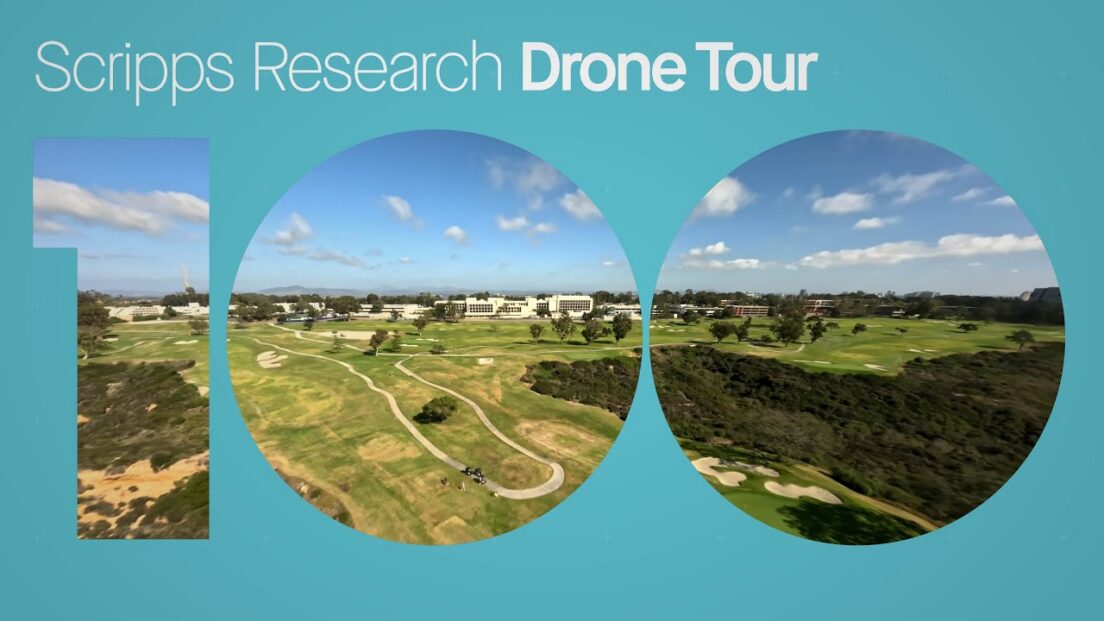
Fly through Scripps Research: A century of science changing life
Ever wondered what goes on inside one of world's top scientific research institutes? Take a unique tour with this incredible flythrough of Scripps Research in La Jolla, California. Since 1924, Scripps Research has been at the forefront of uncovering biological insights, demystifying how our bodies work, and translating those discoveries into real-world impact. In 2024, the institute celebrated its centennial, a milestone that marked a century of seminal discoveries in immunology; infectious diseases (such as COVID, flu, HIV); neuroscience; heart disease; cancer; and more. The Institute has also made strides in groundbreaking chemistry advances, drug development and educational outreach efforts while contributing numerous findings that have improved human health around the world. Looking forward to the next 100 years of research, Scripps Research is committed to another century of Science Changing Life by advancing scientific understanding, educating the scientists of tomorrow, and impacting human health across the globe.
Centennial -
 VideoExplore
Top ranked training: A century of science changing life
Innovation requires educating and training the next generation of scientific leaders. Since its founding in 1989, the Skaggs Graduate School of Chemical and Biological Sciences at Scripps Research has been ranked among the top 10 in the nation for PhD programs in Chemistry and Biological Sciences by U.S. News & World Report.
-
 VideoExplore
An engine for new medicines: A century of science changing life
Calibr, a nonprofit research institute founded by Scripps Research President and CEO Pete Schultz, joined Scripps Research in 2018 as its drug discovery division. As a world-class nonprofit “bench to bedside” drug discovery engine, Calibr delivers groundbreaking solutions to unmet medical needs by uniting the creativity of fundamental discovery with highly focused R&D capabilities and expertise.
Calibr-Skaggs Drug Discovery Aging & Healthspan Cancer Centennial Infectious Diseases multiple sclerosis Neurological Disorders -
 VideoExplore
An immunity boost: A century of science changing life
In 1961, pioneering immunologist Frank Dixon established the Department of Experimental Pathology at the Scripps Clinic and Research Foundation, which would later become the basis of Scripps Research. Dixon served as director for 25 years, where his immunological focus would forever shape the institute’s scientific focus—as well as the world’s. Since Dixon’s leadership, scientists at Scripps Research have made countless discoveries revealing how the immune system functions and responds to different diseases. From designing universal vaccines for harmful viruses to uncovering the structures of deadly microbes, we're dedicated to translating our understanding of the immune system to eradicate disease worldwide.
Integrative Structural & Computational Biology Immunology & Microbiology Centennial Immunology & Microbiology Infectious Diseases Integrative Structural & Computational Biology Vaccines Virology -
 VideoExplore
Medicine tailored to you: A century of science changing life
Every patient is unique, and scientists at the Scripps Research Translational Institute (SRTI) believe medicine should reflect this. Physician-scientist Professor Eric Topol founded SRTI in 2007 with a mission to individualize healthcare across the country, leveraging advancements in human genomics, wireless digital technologies, and artificial intelligence. SRTI is made up of leading scientists and clinical investigators who collaborate to understand the specific genetic, behavioral and lifestyle factors that contribute to human health and ultimately help transform them.
Translational Medicine Digital Medicine Individualized Medicine Translational Institute Aging & Healthspan Centennial -
 VideoExplore
Exploring the atomic World: A century of science changing life
Chemistry is known as the “central science,” playing a fundamental role in enabling and integrating other scientific disciplines. Scripps Research is home to some of the world’s leading chemists, who advance our ability to design and produce molecules, develop life-changing therapies, and tackle global sustainability challenges. Former Scripps Research president Richard Lerner was integral to establishing the Institute as a world leader in chemistry and chemical biology. Serving as the institute’s leader from 1987 through 2012, Lerner believed chemistry and biology were inextricably linked, and studying these connections would unlock a new era in science and medicine.
Chemistry Centennial -
 VideoExplore
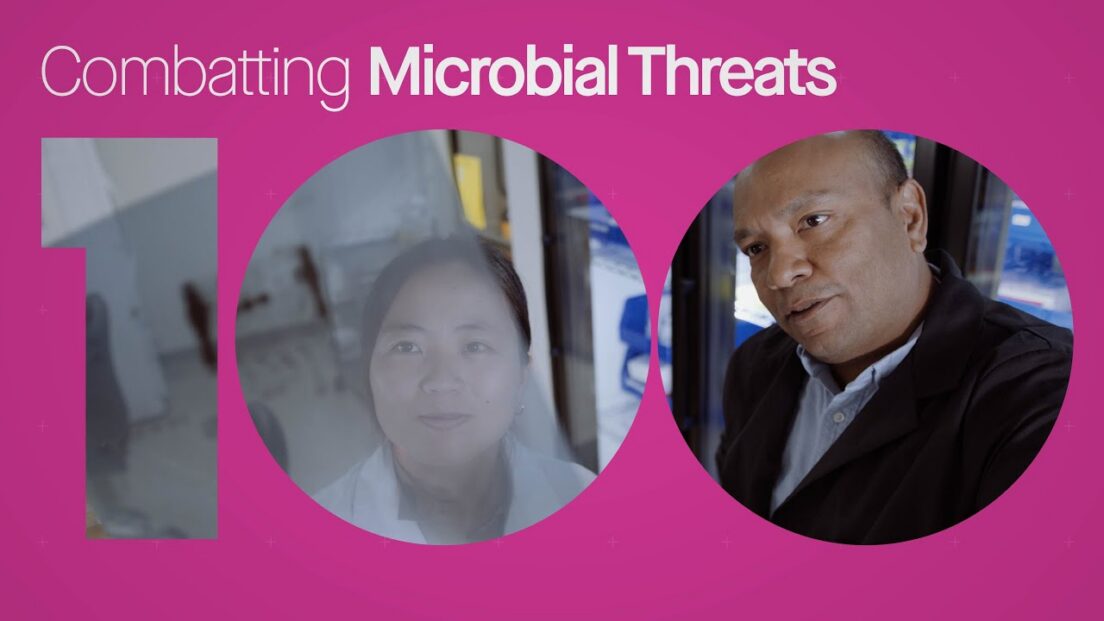
Combating microbial threats: A century of science changing life
Every day, scientists at Scripps Research are discovering and developing new treatments to combat today’s infectious disease threats—and tomorrow’s. Many of these researchers played a significant role in the COVID-19 pandemic, including identifying new antibody treatments and uncovering the virus’s structure. Meanwhile, they're also applying these key learnings to better prepare the global population for whichever microbial threat emerges next.
Integrative Structural & Computational Biology Immunology & Microbiology Calibr-Skaggs Centennial COVID-19 Immunology & Microbiology Infectious Diseases Integrative Structural and Computational Biology malaria -
 VideoExplore
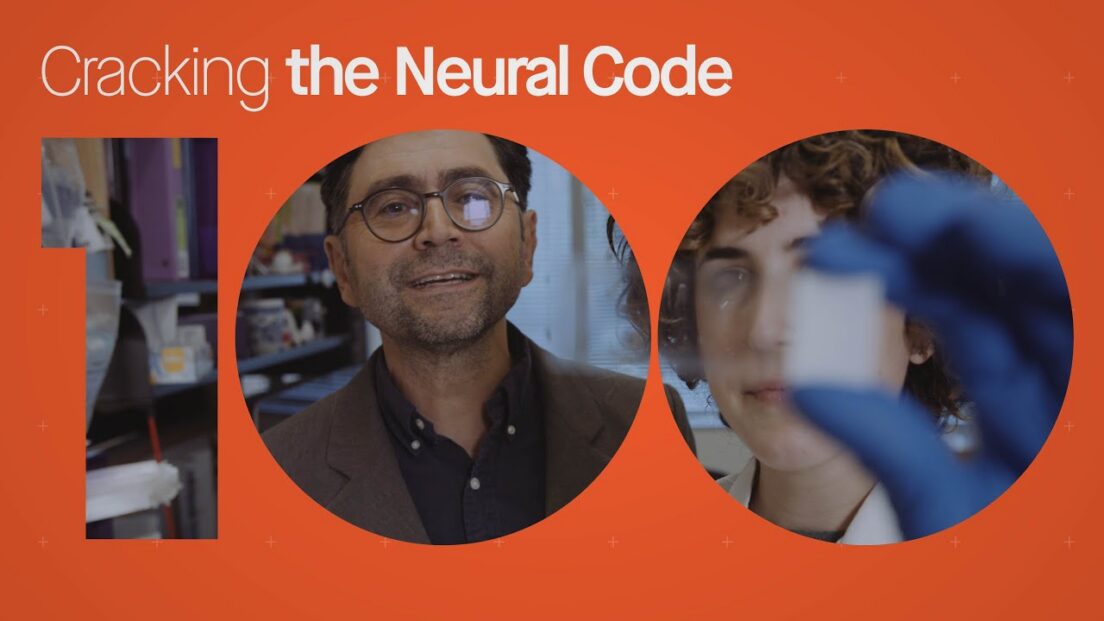
Cracking the neural code: A century of science changing life
The brain remains one of the most complex and mysterious parts of the human body, controlling everything from how we move to where we store and process memory. Scripps Research neuroscientists are helping us understand the mechanisms of why we age, what drives neurodegenerative diseases like Alzheimer’s and Parkinson’s, how the brain communicates with the rest of the body, and more. By evaluating the brain at multiple levels, these researchers are shedding light on the mysteries that have perplexed the field for decades.
-
 VideoExplore
New AI-powered algorithm could better assess people’s risk of common heart condition
A new artificial intelligence model designed by Scripps Research scientists could help clinicians better screen patients for atrial fibrillation (or AFib)—an irregular, fast heartbeat that is associated with stroke and heart failure. The model picks up on tiny variations in a person’s normal heartbeat that signify AFib risk, which standard screening tests cannot detect.
-
 VideoExplore
Editing genes to tackle neurological conditions
Networks of genes coordinate the formation of brain cells during early life development. However, diverse genetic variants can impact this process and ultimately manifest in different brain disorders and developmental disabilities. In this Front Row lecture, Scripps Research assistant professor Xin Jin shared how her lab is using cutting-edge technology to discover which brain regions and cell types are involved in disease pathology. Jin’s insights are revealing neurodevelopmental and other disorders, as well as defining a path for new diagnostic tools and therapeutic interventions.
-
 VideoExplore
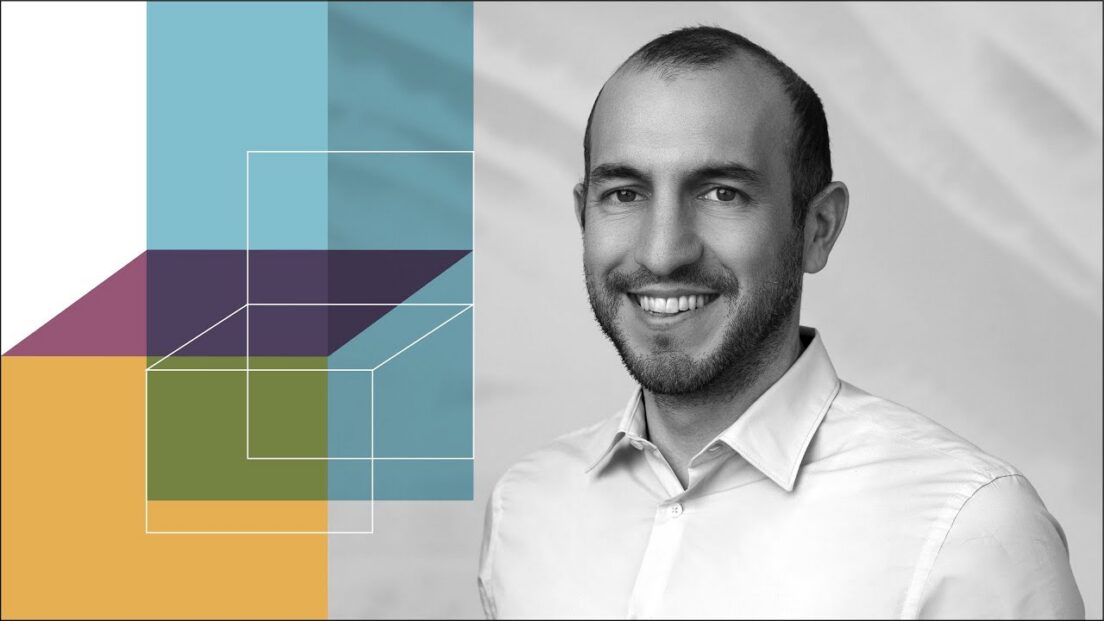
Preventing heart disease with machine learning and smartphone technology
Heart disease is the leading cause of death in the United States, yet our ability to predict and lower our own risk has been limited. In this Front Row lecture, Scripps Research professor Ali Torkamani shared how his team is developing app-based digital tools that can analyze genetic markers and predict someone’s future cardiovascular disease risk. Torkamani’s research is being integrated into remote clinical trials that can provide personalized behavioral and therapeutic interventions to improve long-term health outcomes.
-
 VideoExplore
A Celebration of Gratitude 2023
On Thursday, October 5, 2023, invitees gathered for the second annual donor appreciation event: A Celebration of Gratitude. The event celebrates the donor impact on the transformative research and groundbreaking discoveries taking place at Scripps Research. This year’s program included a panel discussion and live Q&A featuring Arnab Chatterjee, Katja Lamia and Tom Daniel. After the program, guests were invited to explore interactive science stations.
Philanthropy Events -
 VideoExplore
Re-engineering a sustainable world
Since the dawn of life, nature has balanced the composition of our planet’s atmosphere by evolving elegant ways of capturing carbon dioxide. Today, humanity’s overuse of fossil fuels has altered this atmospheric balance to bring about environmental disruptions, and nature is poorly equipped to correct them. In this Front Row lecture, Scripps Research assistant professor Ahmed Badran shared how his lab is developing strategies inspired by plants to help sequester the rising levels of carbon dioxide. His breakthroughs in synthetic biology are guiding revolutionary environmental approaches that could make a lasting impact on the atmosphere and agricultural food systems.
-
 VideoExplore
Discovery reveals how nerves control the gut: Scripps Research study on PIEZO receptors
Gastrointestinal and digestive issues impact roughly 3 million people across the United States alone, and that number is growing. A new study from Scripps Research scientists shows how sensory neurons control our gastrointestinal tracts—critical information that could shape our understanding of related diseases and disorders. The study, published in the journal Cell on August 3rd, 2023, used a combination of human clinical data and animal models to reveal that the receptor PIEZO2 controls gastrointestinal transit through the stomach, small intestine and colon by sensing the presence of food and slowing the rate of gut motility accordingly. These findings could lead to therapeutic applications for a range of gastrointestinal conditions, such as inflammatory bowel disease and irritable bowel syndrome.
Neuroscience Neurological Disorders -
 VideoExplore
The genomic revolution: Using DNA to predict disease risk and individualize treatment
Your DNA contains an incredible amount of information about every aspect of your being, including your risk of developing certain diseases. But up until recently, it was nearly impossible for doctors to analyze that information for individual patients. Now, with the help of affordable genomic sequencing, artificial intelligence and machine learning, scientists are working towards personalizing medical care. At the Scripps Research Translational Institute, Professor Ali Torkamani is developing ways to predict a person’s risk for rare and common diseases.
Integrative Structural & Computational Biology Genomics Translational Institute Integrative Structural & Computational Biology -
 VideoExplore
Studying sleep with wearable devices: How technology can help us sleep better
A good night’s sleep is one of the keys to feeling good the next day. But how do we know if we’re getting enough? Assistant Professor Stuti Jaiswal and her colleagues at the Scripps Research Translational Institute and the Digital Trials Center recently launched a study called REFRESH. It uses wearable data to track participants’ sleep. Since participants never have to go to a lab, researchers can see how they sleep over long periods of time, and gain insight into how sleep affects their health. As technology advances, and studies like refresh give researchers a better understanding of sleep, a day could come when everyone has the tools to sleep better.
Translational Medicine Digital Medicine Neurological Disorders Translational Medicine Translational Institute -
 VideoExplore
Q&A with a sleep scientist
Assistant Professor Stuti Jaiswal is a physician and sleep scientist. She's using new technology to study sleep patterns of thousands of people remotely. Here, she answers some common questions about sleep, like how many hours do you need? Do naps count? And what can shift workers do to avoid the health risks of poor sleep?
-
 VideoExplore
Uncovering critical Lassa virus protein structure
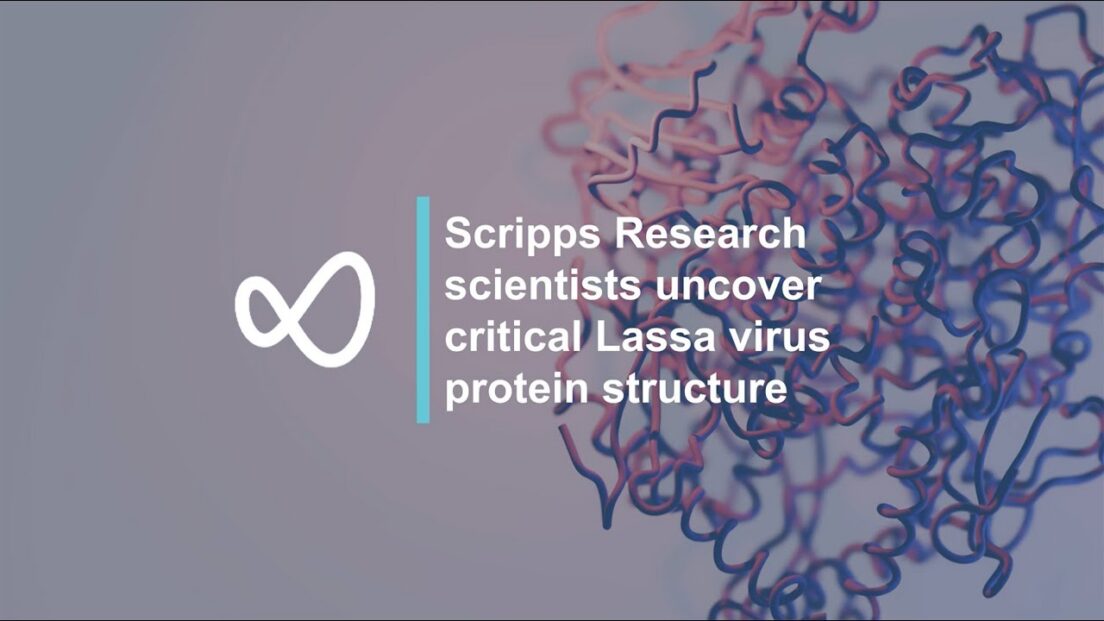
Every year, hundreds of thousands of people in West Africa become infected with Lassa virus, which can cause Lassa fever and lead to severe illness, long-term side effects or death. There are currently no widely approved treatments or vaccines for the disease. Now, scientists at Scripps Research have determined the structure of the critical protein complex that lets Lassa virus infect human cells. The research, published online in Cell Reports, also identified new antibodies that bind to these proteins and neutralize the virus, paving the way toward more effective vaccines and treatments for Lassa virus.
Integrative Structural & Computational Biology Infectious Diseases -
 VideoExplore
Visualizing the invisible machinery of life and death
Within each of our cells, countless microscopic molecular machines work to keep the body healthy. But when these machines break down, chronic diseases arise. In this Front Row lecture, Scripps Research professor Gabriel Lander shared how his lab is using the most powerful microscopes on the planet to visualize the ways these biological motors operate and how they can be controlled to fight chronic diseases. His discoveries are helping us understand how cellular machines communicate within the body, providing avenues for therapeutic intervention in cancer, heart disease and neurodegeneration.
Integrative Structural & Computational Biology Cancer Events Front Row Lecture Series Heart Disease Integrative Structural & Computational Biology Neurological Disorders -
 VideoExplore
How scientists are improving metabolic health: Science, Simplified
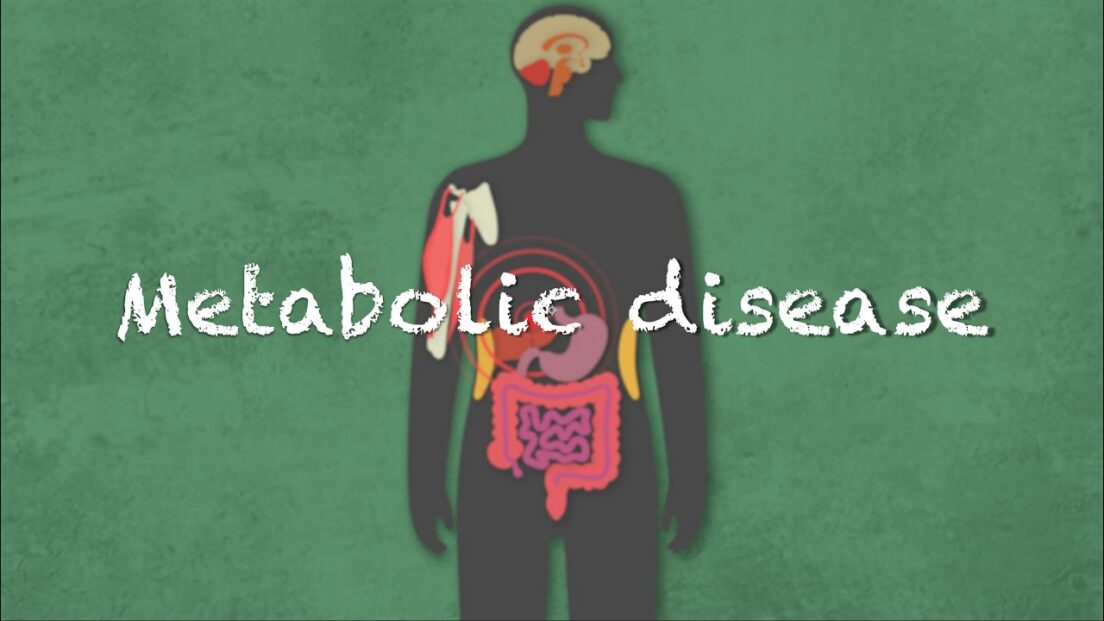
Scientists at Scripps Research are working to improve metabolic health through a number of avenues. In this episode of our award-winning Science, Simplified series, learn about the latest methods of addressing diseases like obesity, diabetes and non-alcoholic fatty liver disease.
Diabetes Obesity & Metabolic Disorders -
 VideoExplore
Historic honor: Barry Sharpless wins second Nobel Prize in Chemistry
The Scripps Research chemistry community shares their thoughts on K. Barry Sharpless' historic second Nobel Prize in Chemistry. He was awarded the 2022 prize for his groundbreaking research in developing “click chemistry,” an ingenious method for building molecules. Sharpless, the W.M. Keck Professor of Chemistry, shares the prize with Carolyn R. Bertozzi of Stanford University and Morten Meldal of the University of Copenhagen for the development of click chemistry and bioorthogonal chemistry, according to the Nobel Prize committee. Sharpless previously shared the 2001 Nobel Prize in Chemistry for his work on chirally catalyzed oxidation reactions, making him the second scientist ever to win two Nobel Prizes in Chemistry. Frederick Sanger won the Nobel Prize in Chemistry in 1958 and 1980.
-
 VideoExplore
Decoding sugar messages to create new diagnostics and therapeutics
Sugary molecules called glycans encapsulate our cells, serving as beacons to direct key biological activities, from tissue communication and growth to immune system activation. However, scientists have historically had limited ways to study glycans. In this Front Row lecture, Scripps Research associate professor Mia Huang shared the innovative tools her lab is using to decode the language of glycans. Her expertise in chemical biology is guiding the creation of new ways to diagnose or treat complex conditions, such as cancer and liver disease.
-
 VideoExplore
The digital medicine revolution
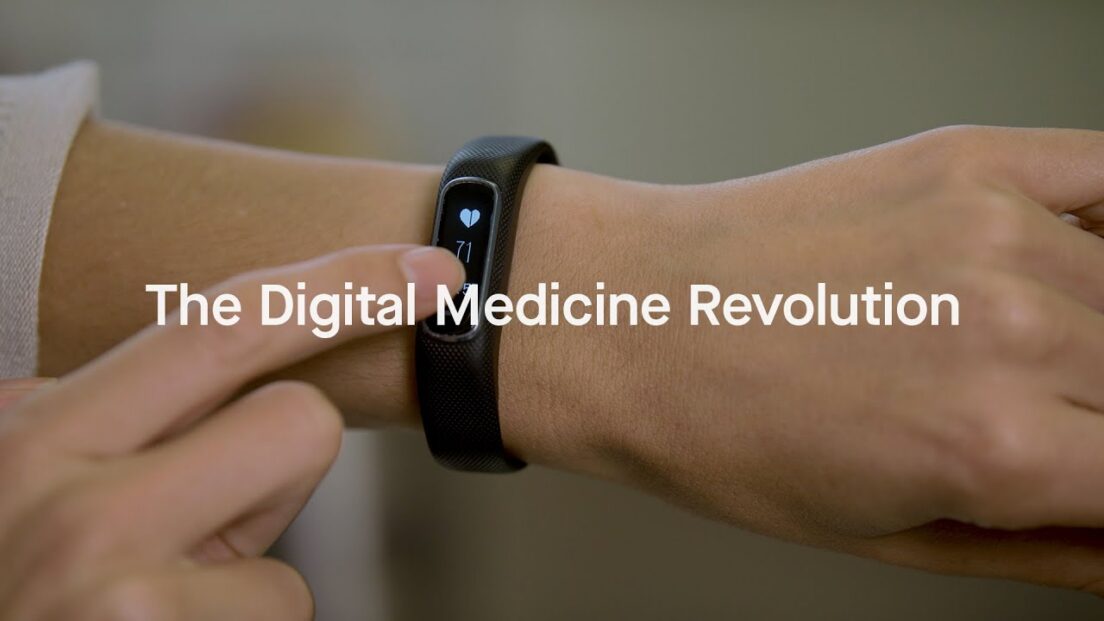
From smartwatches and fitness bands to glucose monitors and in-home ultrasounds, the proliferation of digital devices is igniting a revolution in healthcare and medical research. Patients can now collect thousands of data points about themselves and share that information with their healthcare providers. At the Scripps Research Translational Institute, researchers are taking advantage of new technology to study disease in novel ways. Their projects include a platform for early detection of disease outbreaks, a sleep quality study, and even a way to predict and individual’s risk of certain disease based on their genetics. In this video, hear directly from the team about this exciting new frontier.
-
 VideoExplore
The link between circadian rhythms and your health: Scripps Research scientist explains
Circadian rhythms are processes that follow a 24-hour cycle, enabling organisms to keep track of the time of day and adjust their physiology to recurring daily changes in the external environment. In this video, Scripps Research associate professor Katja Lamia discusses the molecular processes that occur when circadian rhythms are disrupted, and how it affects human health.
-
 VideoExplore
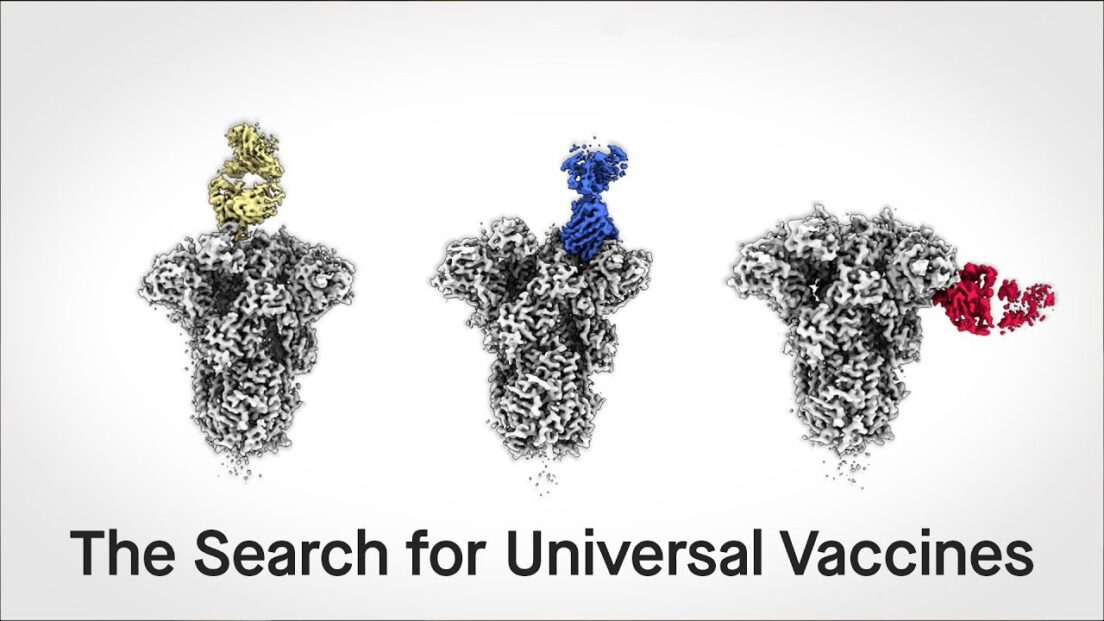
The search for universal vaccines
Scientists at Scripps Research are working to develop universal vaccines capable of neutralizing many variants of a given virus. In recent years, they've made significant progress toward creating universal vaccines for influenza, HIV and coronavirus. In this series, we hear from top scientists in the field about the effort to develop universal vaccines, and the impact these elusive immunizations could have on the world.
Integrative Structural & Computational Biology Immunology & Microbiology HIV/AIDS Immunology & Microbiology Infectious Diseases Integrative Structural & Computational Biology Vaccines