Celebrate the journey: Graduation Day 2026
Hear from 3 of our newest PhD recipients as they reflect on their experience as students in Scripps Research’s Skaggs Graduate School. The students are among the 49 who were awarded doctoral degrees at the institute’s May 15th Commencement.
Follow our latest science stories and events on YouTube.
YouTube
The missing piece in IBD treatment? Regenerating the gut’s protective barrier shows promise
Current therapies for inflammatory bowel disease (IBD) primarily focus on suppressing inflammation. But what if we could repair one of the underlying drivers of disease itself? Researchers at Calibr-Skaggs are developing CLF065, a potential first-in-class regenerative medicine designed to restore epithelial barrier function—the protective intestinal lining that regulates what passes from the gut into the body. CLF065 is designed with a dual mechanism of action: supporting barrier integrity and stimulating regeneration of the gut lining. A Phase 2 clinical trial has recently launched in chronic pouchitis, a painful inflammatory condition that can develop in some people with IBD following surgery. In addition, an Investigational New Drug (IND) application has been submitted to support a Phase 2 trial in Crohn's disease. Learn how regenerative medicine could help shift the treatment paradigm from managing symptoms to repairing the tissue damage at the root of disease.
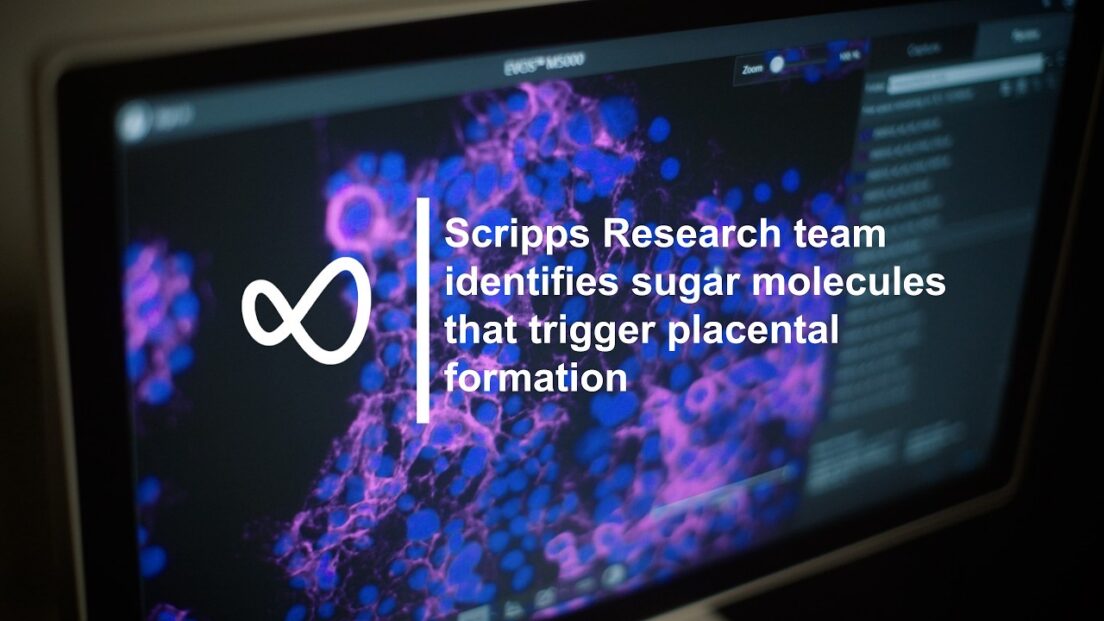
Scripps Research team identifies sugar molecules that trigger placental formation
During the first weeks of pregnancy, the developing placenta in a mother’s womb undergoes a dramatic change. Individual cells merge, forming a continuous barrier that will spend the next nine months ferrying oxygen and nutrients to the growing fetus while keeping the mother's immune system at bay. When this structure fails to form properly, pregnancies are at higher risk of complications, including preeclampsia and restricted fetal growth. Now, scientists at Scripps Research have identified a key player in the placenta’s transformation—a molecule called galectin-3 that binds to sugar molecules on specific cell surface proteins, likely holding placental cells tightly together to fuse.
Close encounters: Designing drugs that recruit the cell’s own machinery to fight cancer and beyond
Some of the most devastating diseases are driven by proteins that cannot be targeted with conventional drugs. Scientists are now discovering ways to control disease by recruiting the cell’s own machinery to tackle this challenge. In this Front Row lecture, Associate Professor Michael Erb took the audience inside the cell to explain how his team is developing “proximity” drugs. Erb’s innovation has implications to change how scientists and cells join forces to fight against breast, prostate and blood cancers. Learn how proximity drugs can eliminate proteins, rewire essential cellular pathways, and enable researchers to target previously “undruggable” proteins.
How scientists are trying to repair the body from within: Regenerative medicine and anti-aging
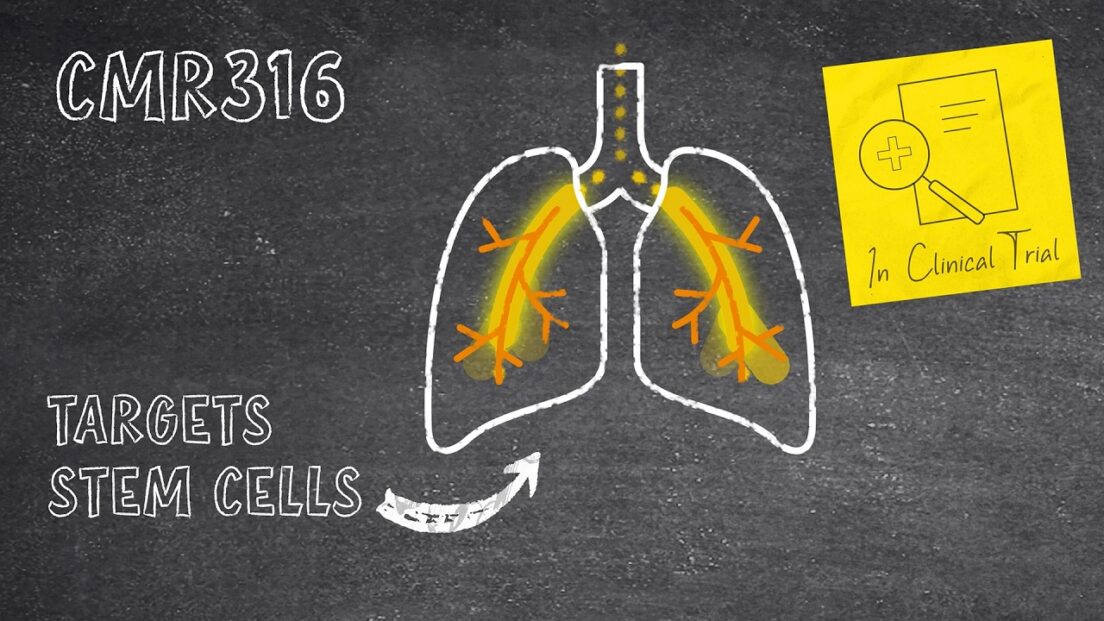
At Scripps Research and its drug discovery arm, the Calibr-Skaggs Institute for Innovative Medicines, scientists are developing regenerative medicine therapies designed to help the body repair itself from within. Unlike traditional medicines that primarily manage symptoms or slow disease progression, regenerative medicine aims to restore damaged tissues and rebuild function lost to aging and disease. Researchers are advancing programs focused on the heart, lungs, digestive tract and eyes, including investigational therapies for heart failure, idiopathic pulmonary fibrosis, inflammatory bowel disease, age-related macular degeneration and other chronic conditions that become more common as we age. Learn how scientists are activating the body’s natural repair mechanisms to explore a future where medicine may not only treat disease, but help reverse its damage.