Paying It Forward: Greg Tabor on Giving Back to the Next Generation
August 17, 2026
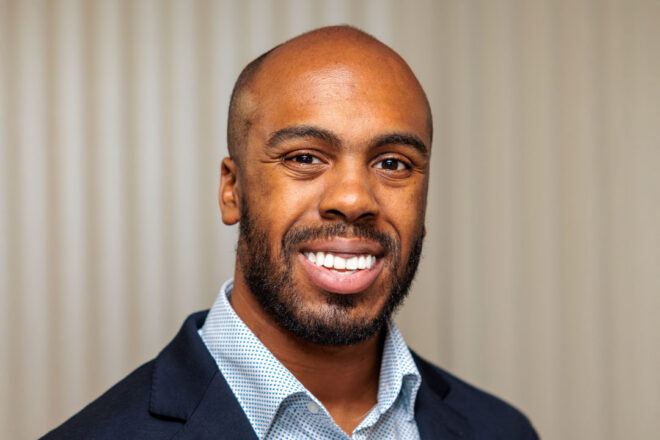
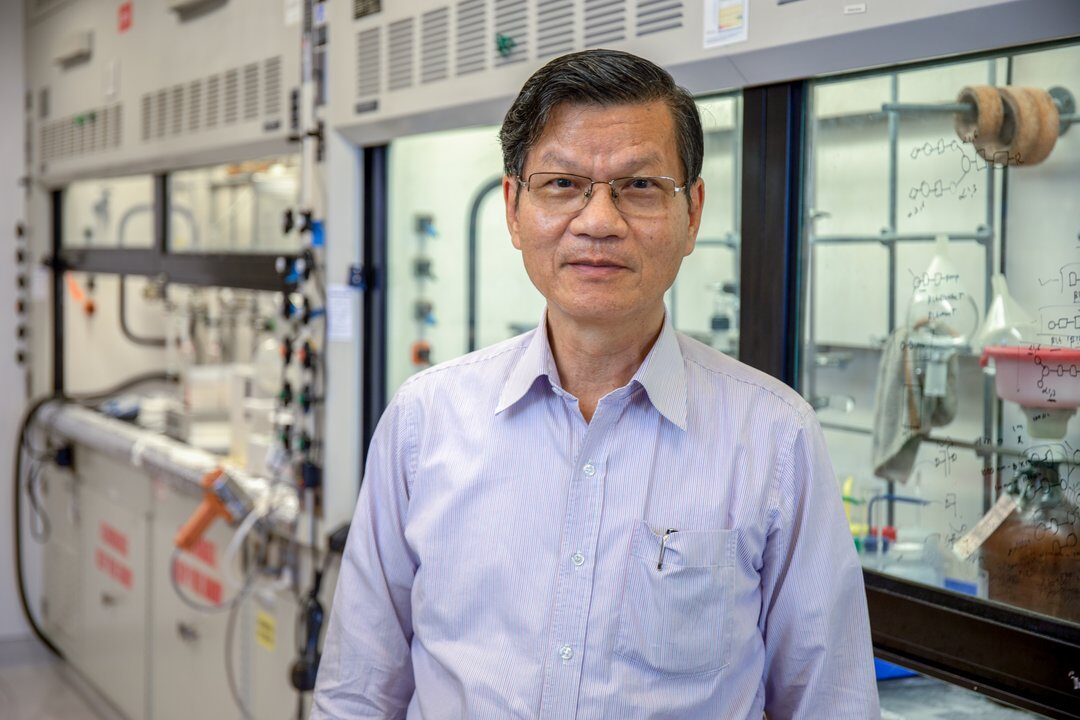
Greg Tabor. Credit: Scripps Research
The relationships built during graduate school often continue to shape careers long after a degree is earned, creating a community of scientists who learn from one another across generations. For Scripps Research alumnus Greg Tabor, who earned his PhD in 2015, that sense of continuity has come full circle.
After benefiting from the mentorship, rigorous training and professional connections he found as a graduate student, he now volunteers as an alumni mentor, where he helps today’s students answer many of the same questions he once had.
When Greg joined Scripps Research as a graduate student in 2010 he became one of the first members of a newly established laboratory led by Professor Ryan Shenvi. The small size of the lab created opportunities for close mentorship and collaboration, allowing students to learn not only how to conduct research but also what it takes to build a successful scientific program.
Just as important were the opportunities to engage with the broader scientific community. Scripps Research’s investment in students extended well beyond the lab, supporting the professional development that enabled Greg to attend conferences and connect with scientists outside the Institute. Those relationships would later open doors as he began searching for his first position after graduate school.
Scripps Research also prepared him in less obvious ways. Frequent presentations and rigorous questioning from faculty and thesis committee members challenged him to think critically, communicate clearly and defend his ideas with confidence.
“I think a hallmark of the training at Scripps Research is being continuously grilled by your committee and other PIs,” Greg says. “In the moment, it always feels very challenging, but I think it did prepare me, especially when I went out for interviews, to be able to answer questions without having to worry about getting nervous or not having an answer.”
Although his graduate experience provided a strong scientific foundation, one resource that did not formally exist at the time was an official alumni mentoring network. Still, Greg found guidance through an informal connection with a fellow Scripps Research alumnus as he transitioned into industry. That relationship helped him build confidence, better understand the workplace and find his footing early in his career.
Today, that experience shapes how he approaches mentoring current Scripps Research graduate students.
“When I first entered my career, I had the opportunity to have a mentorship with a fellow Scripps Research alum,” he recalls. “That was very instrumental for me coming in, having confidence in the workplace and being able to get my footing. Then, I realized I could give back to others who may also need that mentorship. If I can take a couple of hours a month to go and help somebody, which could help them potentially get to where they’re trying to go, I really see no reason not to do so.”
Rather than focusing on the technical details of a student’s research, Greg sees his role as offering perspective. His conversations often center on preparing for careers beyond graduate school—discussing how to communicate research, navigate interviews, understand opportunities in industry and think through professional decisions from the viewpoint of someone who has already made that transition. One of his goals is to provide a trusted voice outside a student’s immediate research environment, someone they can turn to for an honest conversation or a second opinion.
“I think honesty is what the students are looking for—just a real honest take on what your actual experience was during graduate school, what that means for them as they’re now going through it and what that light at the end of the tunnel may look like,” Greg explains. “What they’re going through now prepares them for what’s coming down the line and will position them quite well in their future.”
As Scripps Research continues to strengthen its alumni community, Greg sees programs like the alumni mentorship initiative as an opportunity to build the kind of network that can support scientists throughout their careers. He hopes today’s students will enter the workforce knowing they have a community of alumni they can rely on—for professional advice and for shared understanding of the unique experience of training at Scripps Research.
Despite an increasingly complex research landscape, Greg remains optimistic about the scientists now coming through the graduate program.
“These students have such bright ideas about what they want to do and how they want to contribute,” he says. “I’ve had no doubts about the preparedness and the ability for these students to transition into further careers. I’m happy to see that the graduate program is still turning out high-quality students despite all the external forces that are making it more challenging to do scientific research.”
For Greg, mentoring is an opportunity to strengthen the community that helped launch his own career—ensuring that today’s graduate students have the guidance, encouragement, courage and connections to build the next chapter of scientific discovery.