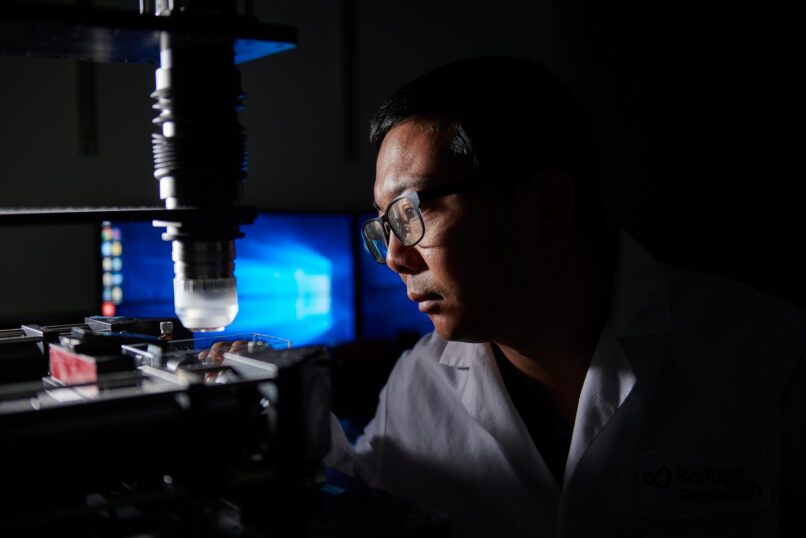
Scripps Research Nobel laureates Ardem Patapoutian and K. Barry Sharpless among first honored by new Wertheim Laureate Prize
October 22, 2026
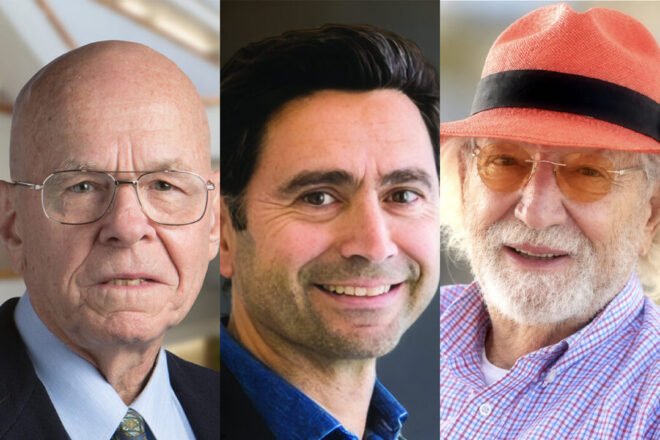
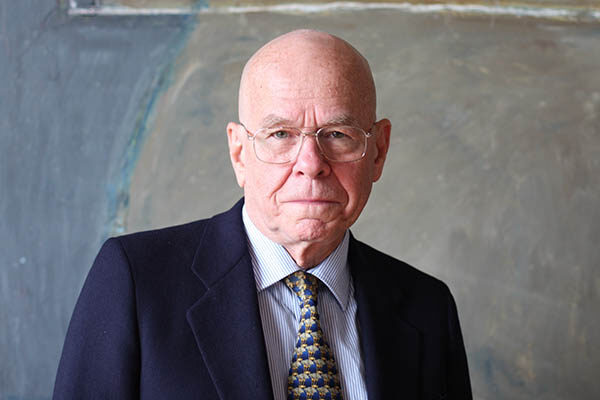
From left: K. Barry Sharpless, Ardem Patapoutian and Dr. Herbert Wertheim Credit: Scripps Research
LA JOLLA, CA—The newly launched Wertheim Laureate Prize invites Nobel laureates across all six fields from the last five years to direct charitable funds to the causes they believe “will do the most good.” Inspired in part by relationships with Scripps Research scientists, the prize also brings laureates to Wertheim institutions and affiliates around the world to share their knowledge with students, professors and researchers through an international lecture and visitation program.
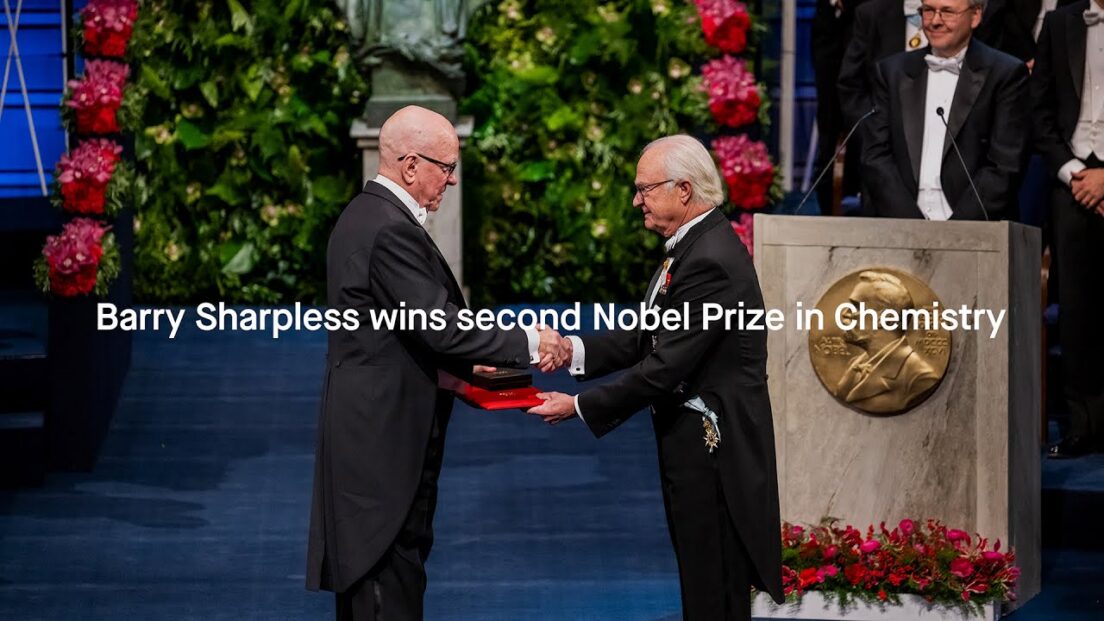
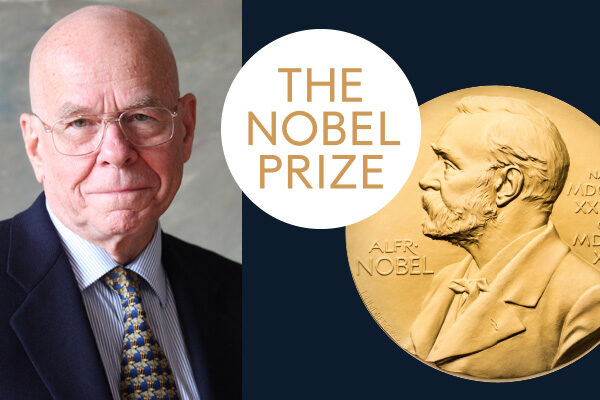
The Dr. Herbert Wertheim Trust for Humanity is awarding millions of dollars in directed philanthropy to a total of 74 Nobel laureates through the Wertheim Laureate Prize. Among the honorees is Scripps Research professor Ardem Patapoutian, who received the 2021 Nobel Prize in Physiology or Medicine for his discoveries in how the body senses physical and chemical forces, as well as Scripps Research professor K. Barry Sharpless, who has won the Nobel Prize in Chemistry twice: in 2001, for his work on chirally catalyzed oxidation reactions, and in 2022, for his pioneering work in “click” chemistry and bio-orthogonal chemistry.
Patapoutian and Sharpless will each receive $250,000 to donate to a qualified charitable organization of their choosing.
The Trust was founded by Dr. Herbert (“Herbie”) Wertheim, an optometric physician, inventor, entrepreneur and philanthropist known as “the catalytic philanthropist.” A member of the Florida Inventors Hall of Fame for pioneering ultraviolet- and blue-light-absorbing tint protection for eyeglass lenses, Dr. Wertheim is also a recipient of the Horatio Alger Award and has received many academic accolades, including honorary doctorates from several universities. Dr. Wertheim has contributed more than $300 million to Florida higher education alone and is a signatory of The Giving Pledge.
Dr. Wertheim has served on the Scripps Research Board of Directors since 2021, a role that has allowed him to form close relationships with Patapoutian and Sharpless both.
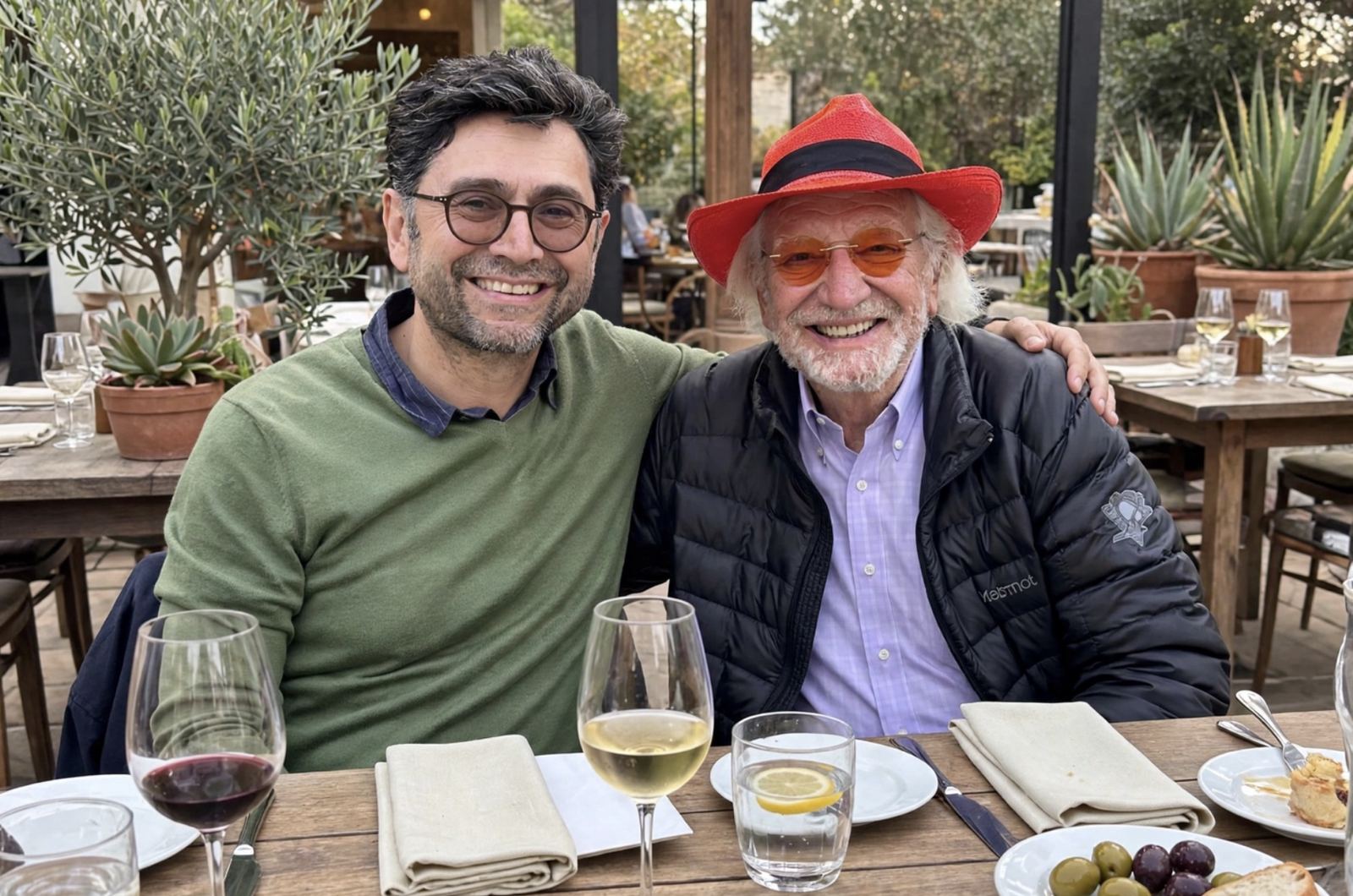
“Spending time with Ardem and Barry at Scripps showed me what happens when a great scientist walks into a room of young researchers,” said Dr. Wertheim in the organization’s press release. “The Nobel Prize honors what these scientists have already given humanity. The Wertheim Laureate Prize asks what they will give next. No one is better qualified to direct philanthropy in medicine and science than the men and women the world has just honored, and our students, faculty and researchers will be the richer for hearing them.”
Laureates in the program will give lectures and make visits at Wertheim institutions and affiliates around the globe, including the Herbert Wertheim UF Scripps Institute for Biomedical Innovation & Technology and the Herbert Wertheim School of Public Health and Human Longevity Science at UC San Diego.
Patapoutian’s Nobel-winning work identified the PIEZO1 and PIEZO2 ion channels, which let cells detect pressure and stretch. This discovery explained how we perceive touch, sense the position of our bodies in space and regulate internal processes such as blood pressure. His research has opened new avenues for understanding and treating chronic pain, among other serious conditions.
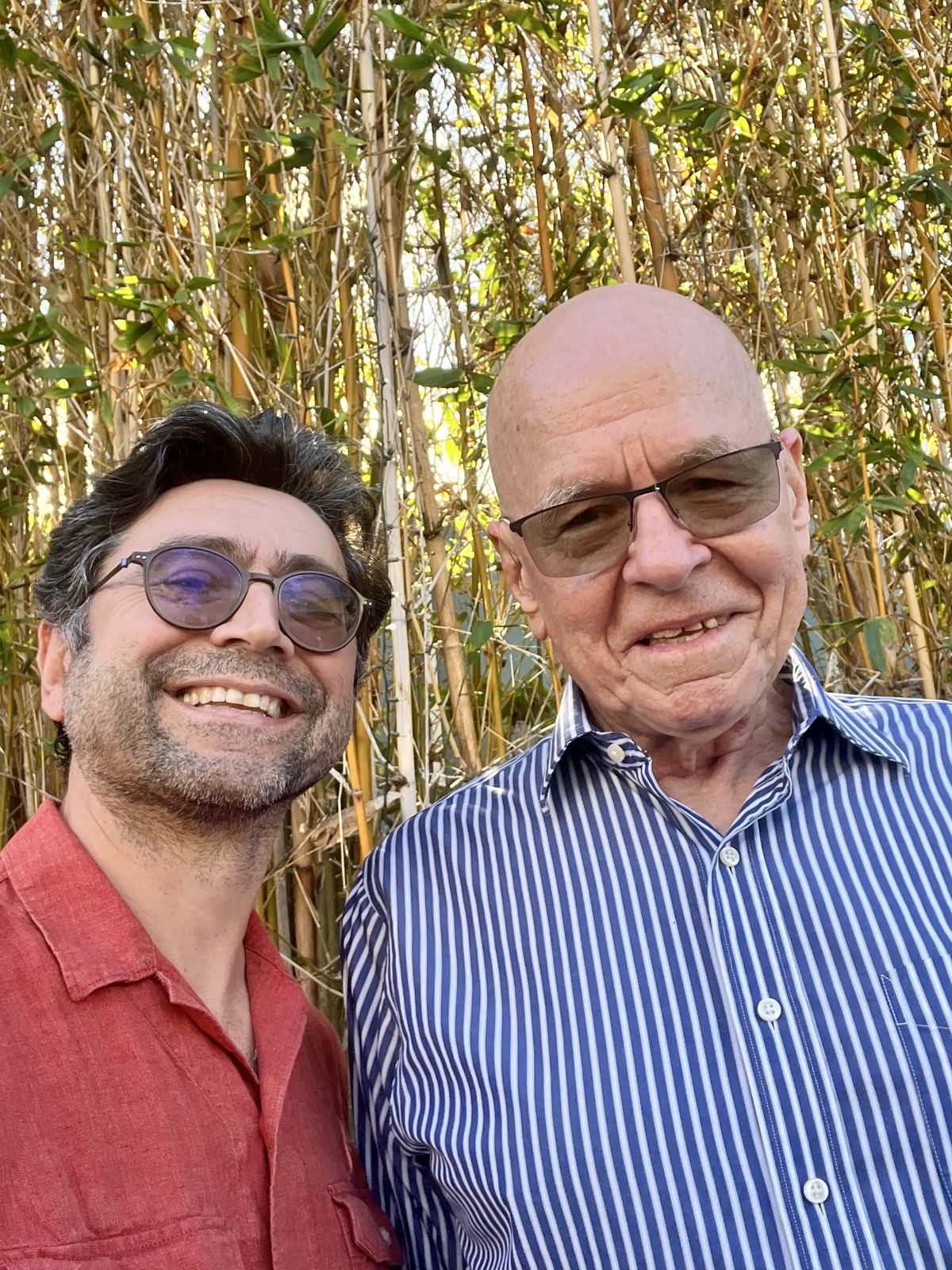
“I’m deeply grateful to Herbie and the Dr. Herbert Wertheim Trust for Humanity for this recognition and for their generosity. Investment in science matters more than ever right now, especially the kind that requires taking risks and approaching problems differently,” says Patapoutian. “I’m honored to be part of this inaugural group, and I look forward to sharing time with students and researchers who will carry that curiosity forward.”
Meanwhile, Sharpless’s Nobel-winning work has changed how chemists build molecules. His 2001 prize recognized methods for making chiral molecules, which come in mirror-image forms that can behave very differently in the body, a challenge central to producing many medicines. His 2022 prize recognized “click” chemistry, a way of joining molecular building blocks quickly and reliably.
“I’m grateful to Herbie and the Trust for this generous recognition, and for the chance to decide where it can do the most good. Chemistry often moves forward when someone is willing to try a simpler, more direct way of doing things, and that kind of thinking depends on support. I look forward to meeting students and young researchers and hearing the questions they’re asking,” adds Sharpless.
The prize is an initiative of the Trust and is not affiliated with or endorsed by the Nobel Foundation, the Nobel Assembly at Karolinska Institutet or any other Nobel Prize-awarding organization.