Scripps Research professor Li Ye named finalist for Blavatnik National Awards for Young Scientists

The honor recognizes Ye’s work pioneering new techniques and uncovering complex energetic communications between the brain and body in health and disease.

September 16, 2026

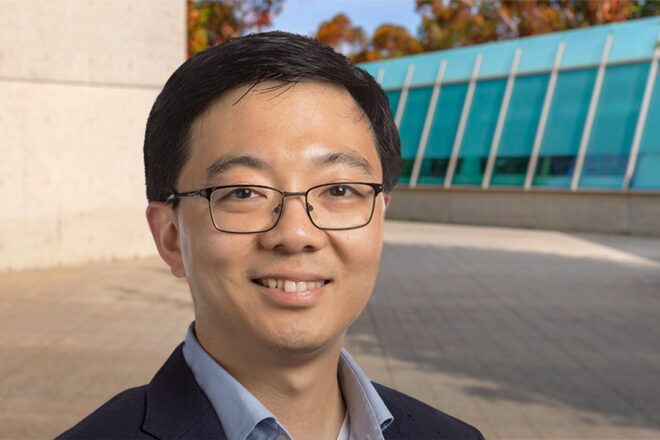
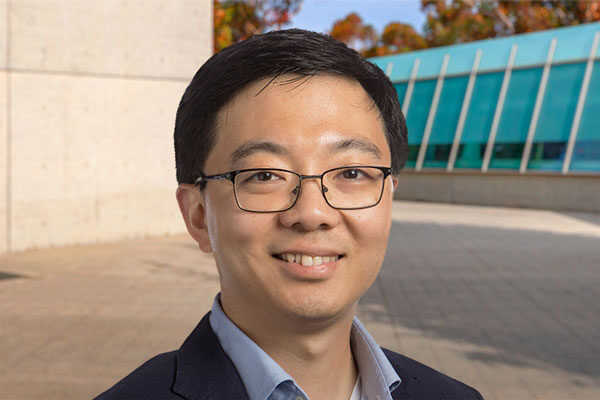
Li Ye, PhD Credit: Scripps Research

Li Ye, PhD Credit: Scripps Research


LA JOLLA, CA—While the brain orchestrates metabolic processes in the body, it also consumes a disproportionate share of the body’s energy, making it sensitive to metabolic stress. For his work on understanding how the brain adapts to metabolic stress and how such adaptations affect whole-body physiology, Professor Li Ye, the N. Paul Whittier Chair at Scripps Research and an HHMI Investigator, has been named a finalist for the prestigious Blavatnik National Awards for Young Scientists in the Life Sciences category.

“I feel privileged to be included among the Blavatnik National Awards finalists for my laboratory’s work investigating whole-body energy homeostasis,” says Ye. “While there’s still much to learn, I’m proud of our progress in understanding the molecular and circuit mechanisms behind metabolic adaptations in the brain and body. Our goal is to eventually harness them to better target metabolic disorders and neurodegenerative diseases.”

The annual Blavatnik Awards were established in 2007 by the Blavatnik Family Foundation and are administered by the New York Academy of Sciences to recognize and celebrate the accomplishments and potential of exceptional young faculty in the United States. Among this year’s 18 finalists, three laureates—one from each of the disciplinary categories (Life Sciences, Physical Sciences & Engineering, and Chemical Sciences)—will be announced in early October, and each will receive $250,000.

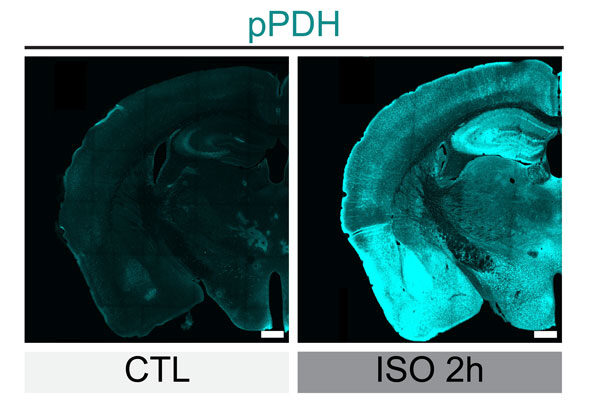
At Scripps Research, Ye investigates the bidirectional relationship between brain function and metabolism. The brain is metabolically expensive, requiring high levels of energy to function—which also makes it sensitive to stressors that impact the body’s energy management processes. Ye and his laboratory want to understand how the brain adapts to these stressors, and how these adaptations affect the body’s physiology at the biochemical, cellular and circuit levels.

This honor is one of many that Ye has received, including, the Baxter Foundation Young Faculty Award, the Chan Zuckerberg Initiative’s Ben Barres Early Career Acceleration Award, the NIH Director’s New Innovator Award, the NIH Director’s Transformative Research Award, the Whitehall Foundation Research Award, and the Tianqiao and Chrissy Chen Young Investigator Award from the Society for Neuroscience. Ye earned his PhD in biological sciences from Harvard University and completed his postdoctoral studies at Stanford University. He joined Scripps Research in 2018.

Groundbreaking Science.
Life-changing Medicine.