News

Where hypotheses become headlines: Featured coverage of the breakthroughs—and the people—driving our research forward

For media inquiries, email us: [email protected]

Featured News
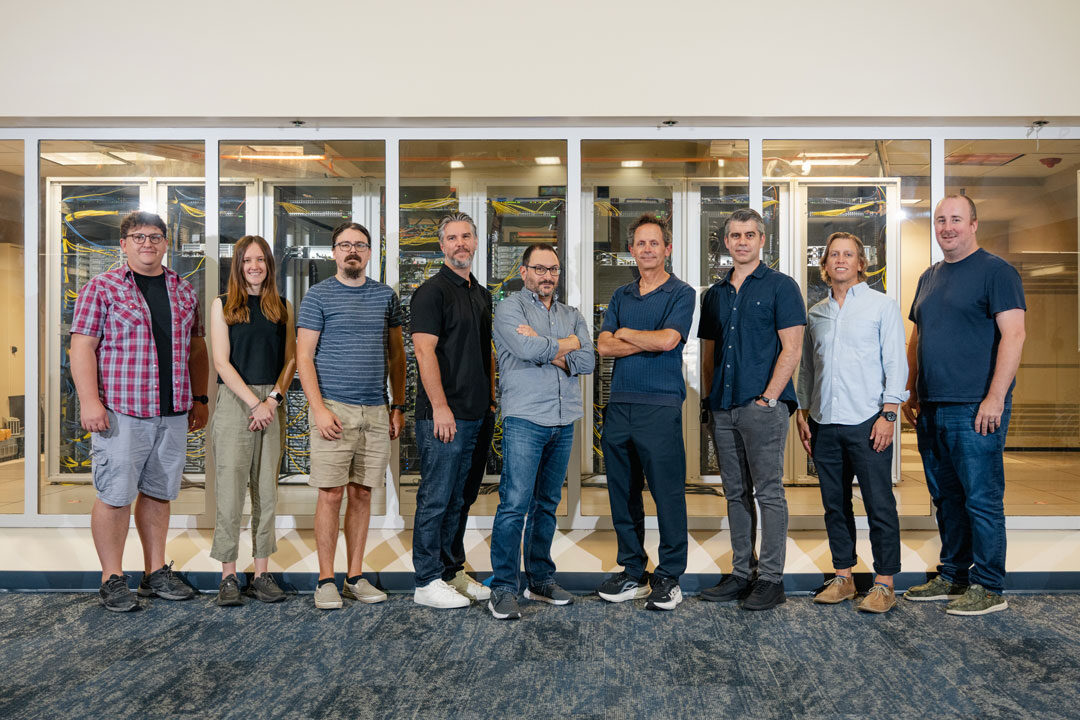
The Scripps Research scientists leading the Huang Foundation-supported projects. From left: Terrence Messmer, Sarah Burbach, Matthew Holcomb, Bryan Briney, Stefano Forli, Benjamin Cravatt, Christopher Parker, Andrew Ward and Charles Bowman.
News

Scripps Research garners major support for AI innovations in biomedicine with compute grant from Jen-Hsun and Lori Huang Foundation

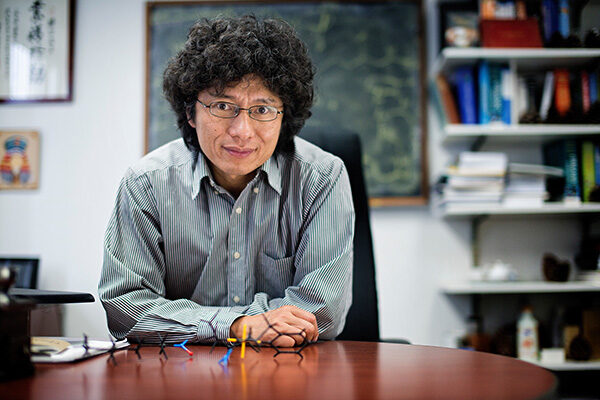
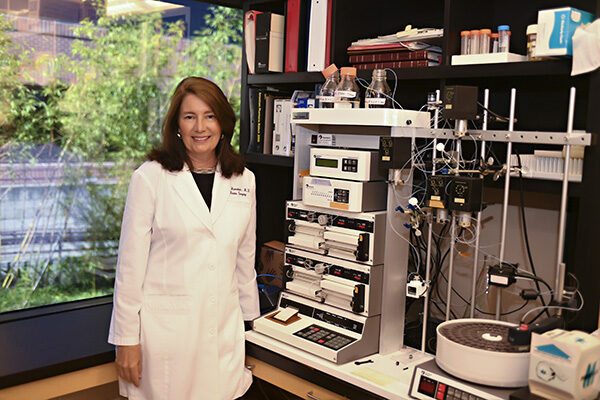
Chi-Huey Wong.
News

Scripps Research professor Chi-Huey Wong to receive ACS Alfred Bader Award

Filter by:
  • Chi-Huey Wong awarded Tetrahedron Prize for Creativity in Organic Synthesis
    News

    Chi-Huey Wong awarded Tetrahedron Prize for Creativity in Organic Synthesis

    Wong’s discoveries and technologies have fundamentally shaped our understanding of complex carbohydrates and glycoproteins, as well as uncovered new therapeutic strategies to treat major diseases.

  • Cellular protein identified as possible drug target to combat Lassa hemorrhagic fever
    News

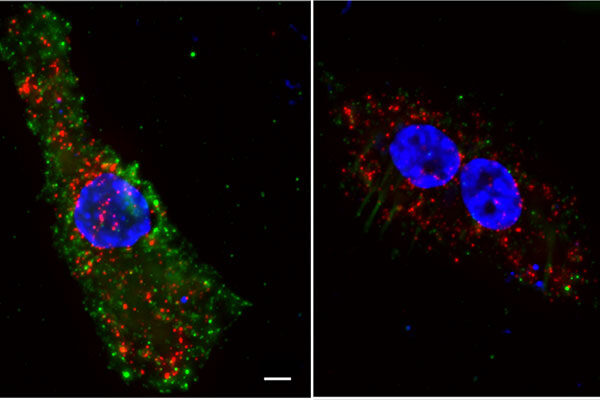
    Cellular protein identified as possible drug target to combat Lassa hemorrhagic fever

    Experimental approach could uncover new treatment options for the virus, which is highly prevalent in Western Africa.

    e, Juan Carlos de la Torre
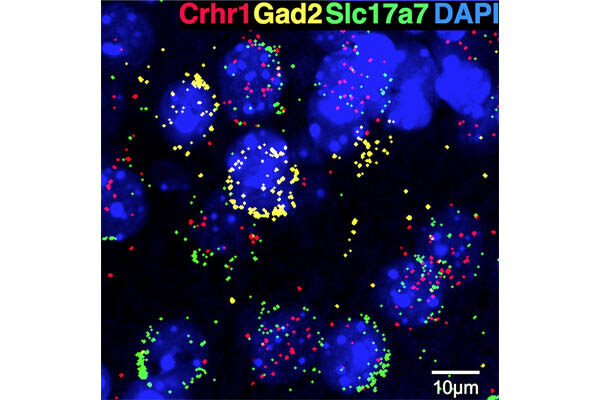
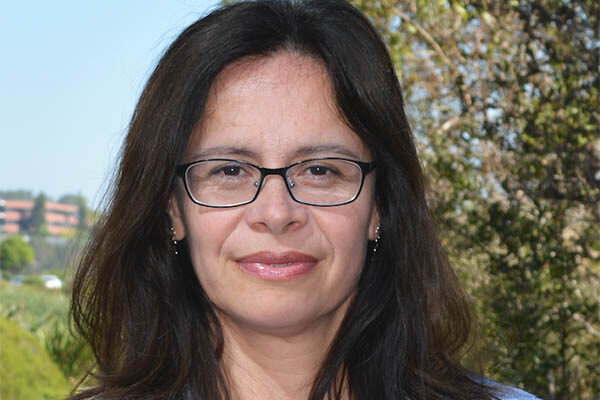
  • Alejandra Mendoza joins Scripps Research faculty to unravel the neuro-immune connection
    News

    Alejandra Mendoza joins Scripps Research faculty to unravel the neuro-immune connection

    Mendoza’s research focuses on the interwoven circuits that drive inflammation, pain and immunological diseases.

  • Immune system uses two-step verification to defend against HIV
    News

    Immune system uses two-step verification to defend against HIV

    Scripps Research discovery could offer new methods for treating HIV, while uncovering the innate immune system’s role in other diseases.

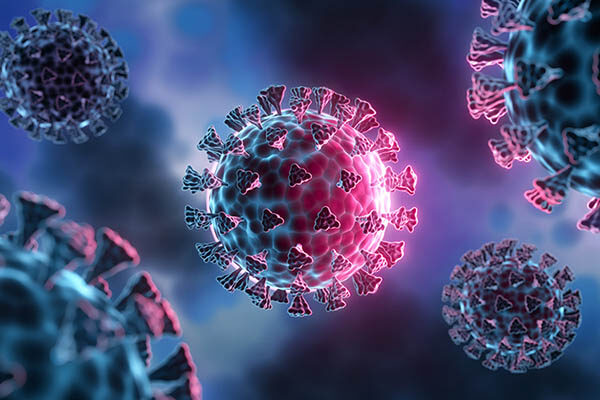
  • Scientists develop tools for early detection of SARS-CoV-2 variants in wastewater
    News

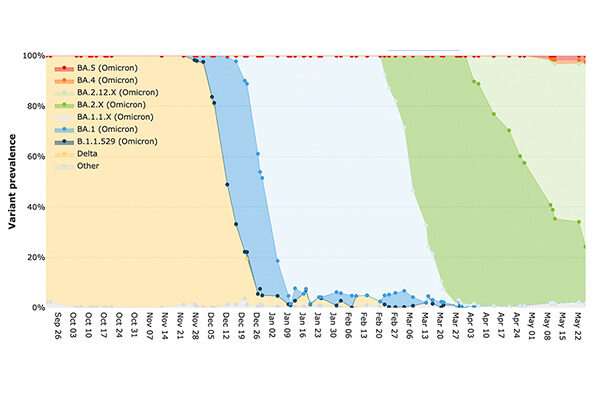
    Scientists develop tools for early detection of SARS-CoV-2 variants in wastewater

    New tools developed at Scripps Research and UC San Diego are helping public health officials around the world get vital information about pathogen variants from wastewater.

  • Xin Jin named one of 35 Innovators Under 35 by MIT Technology Review
    News

    Xin Jin named one of 35 Innovators Under 35 by MIT Technology Review

    Recognizing outstanding innovators younger than 35, the annual list examines not just where technology is now, but where it’s going and who’s taking it there.

  • Scripps Research scientists identify sensor underlying mechanical itch
    News

    Scripps Research scientists identify sensor underlying mechanical itch

    Finding could lead to better drug treatments for chronic itch conditions, like eczema.

  • Drilling for rare disease therapeutics
    News

    Drilling for rare disease therapeutics

    A drug discovery approach developed by Scripps Research scientists—in part inspired by oil companies—revealed why drugs for cystic fibrosis fall short

  • Scripps Research chemist K. Barry Sharpless awarded Royal Society of Chemistry’s Sir Derek Barton Gold Medal
    News

    Scripps Research chemist K. Barry Sharpless awarded Royal Society of Chemistry’s Sir Derek Barton Gold Medal

    Award honors Sharpless’ pioneering work on “click chemistry”.

  • Gene variant gives mice super-powered tendons for jumping and running
    News

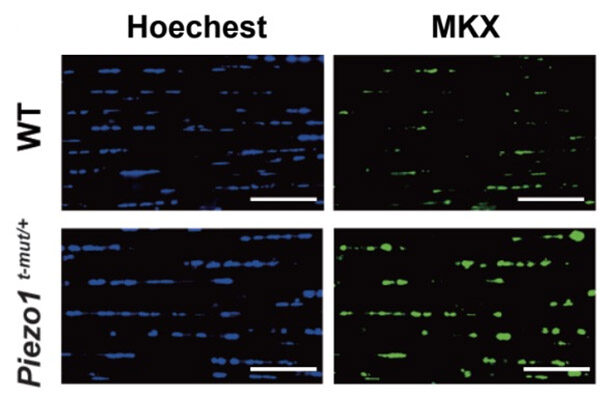
    Gene variant gives mice super-powered tendons for jumping and running

    Scripps Research scientists discovered that a mutation in the touch-sensitive PIEZO1 ion channel impacts tendon biology and boosts the physical performance of mice.

  • Scripps Research and GISAID release application programming interface (API) for accessing COVID-19 variant data
    News

    Scripps Research and GISAID release application programming interface (API) for accessing COVID-19 variant data

    Open science collaboration will support global genomic surveillance efforts to track coronavirus variants.

  • Immune protein may drive alcoholism relapse
    News

    Immune protein may drive alcoholism relapse

    Scripps Research scientists find evidence that the immune protein CSF1 may contribute to feelings of anxiety during alcohol withdrawal.

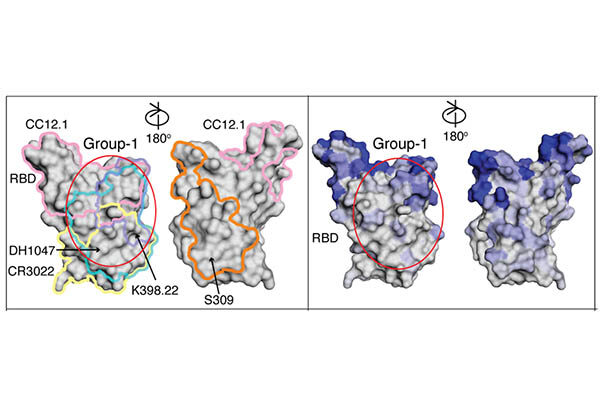
  • COVID-19 patient antibodies point researchers toward broad coronavirus vaccines
    News

    COVID-19 patient antibodies point researchers toward broad coronavirus vaccines

    Certain antibodies isolated from people who had recovered from COVID-19 and were vaccinated have the ability to neutralize variety of coronaviruses.

  • Scripps Research receives $4.1 million from NIH grant to advance studies on prion diseases
    News

    Scripps Research receives $4.1 million from NIH grant to advance studies on prion diseases

    The research could also help better understand other neurodegenerative diseases, including Alzheimer’s, Parkinson’s and Huntington’s.

  • New method allows easy, versatile synthesis of lactone molecules
    News

    New method allows easy, versatile synthesis of lactone molecules

    Chemists’ technique for turning cheap dicarboxylic acids into complex lactones could boost industries from pharmaceuticals to plastics.

  • NIH awards $4 million to initiate large clinical trial of stroke drug invented at Scripps Research
    News

    NIH awards $4 million to initiate large clinical trial of stroke drug invented at Scripps Research

    Experimental drug 3K3A-APC showed promising effects in earlier clinical trial.

  • Scripps Research awarded $67 million by NIH to lead new pandemic preparedness center
    News

    Scripps Research awarded $67 million by NIH to lead new pandemic preparedness center

    The multidisciplinary center will focus on development of antiviral drugs to combat coronaviruses and other viruses with pandemic potential.

  • New Scripps Research Fellow Shannon Miller is advancing delivery methods for novel gene-editing technologies
    News

    New Scripps Research Fellow Shannon Miller is advancing delivery methods for novel gene-editing technologies

    Miller brings a wealth of experience in genome editing to accelerate potential therapeutics for genetic diseases.

  • Sugared proteins called proteoglycans start to give up their secrets
    News

    Sugared proteins called proteoglycans start to give up their secrets

    Scripps Research scientists develop a sophisticated platform for building and modifying proteoglycans to dissect their normal roles and their roles in diseases, including cancers.

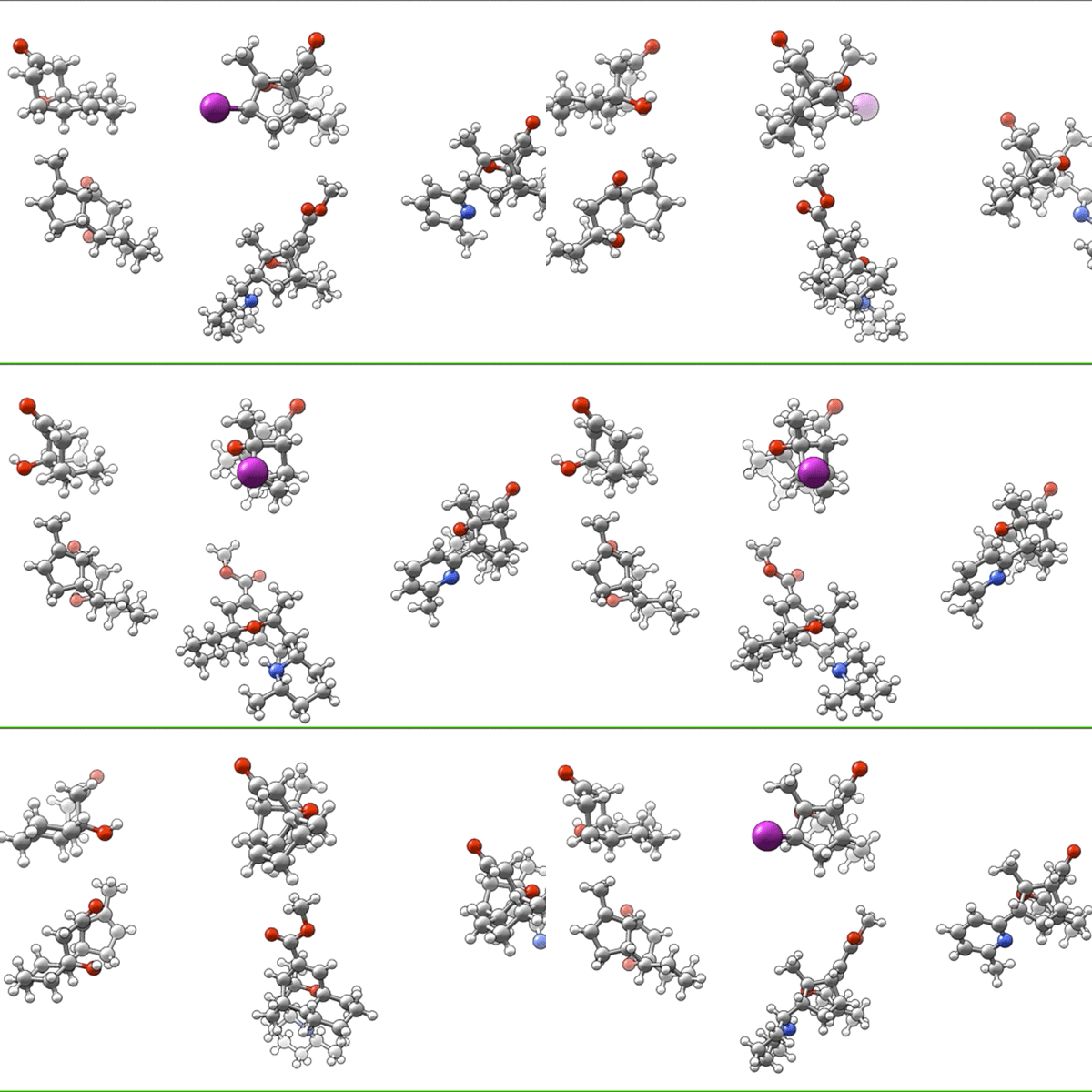
  • Chemists synthesize psychotropic compound from rainforest tree
    News

    Chemists synthesize psychotropic compound from rainforest tree

    Scripps Research scientists found the chemical binds to opioid receptors in the brain and may have utility as an antidepressant or anti-anxiety drug.

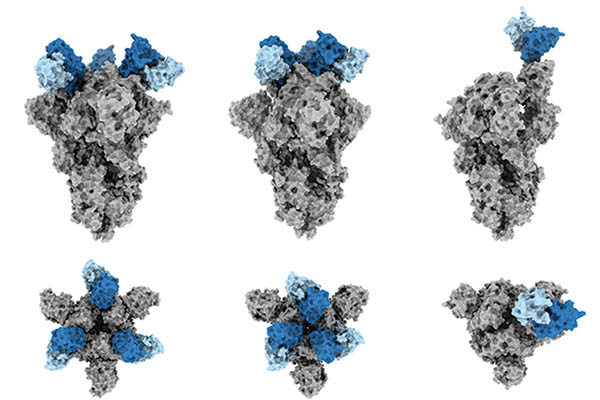
  • Scripps Research scientists explain what makes COVID-19 antibody “J08” so potent
    News

    Scripps Research scientists explain what makes COVID-19 antibody “J08” so potent

    The antibody, already in clinical trials to treat COVID-19, may be effective against future variants.

  • Light after death: scientists revive human eyes
    News

    Light after death: scientists revive human eyes

    By restoring the light-sensing function of human retinas hours after death, Scripps Research and collaborators reveal a new way to study age-related macular degeneration and other eye disorders.

  • News

    Neuroscientist Li Ye named to inaugural Abide-Vividion Chair at Scripps Research

    Prestigious appointment will support his innovative imaging techniques and investigations into the relationship between metabolism and neurons.

  • New open-source software automates RNA analysis to speed up research and drug development
    News

    New open-source software automates RNA analysis to speed up research and drug development

    “Pytheas” app created by a team at Scripps Research allows scientists to identify and quantify modified RNA molecules more easily than ever.

Groundbreaking Science.
Life-changing Medicine.