Scripps Research awarded $67 million by NIH to lead new pandemic preparedness center
May 18, 2022
LA JOLLA, CA—The National Institute of Allergy and Infectious Diseases (NIAID), part of the National Institutes of Health (NIH), is sponsoring a major new antiviral drug development center that will be led by Scripps Research.
The center received an award in the amount of $67 million over 3 years, with potential renewal for two additional years, and will be known as the Center for Antiviral Medicines and Pandemic Preparedness (CAMPP). It will be one of nine NIAID-sponsored Antiviral Drug Discovery (AViDD) Centers for Pathogens of Pandemic Concern.
“The next global pandemic is a matter of ‘when’, not ‘if’, and with CAMPP we have a unique opportunity to prepare for that event,” says project co-lead investigator Sumit Chanda, PhD, professor in the Department of Immunology and Microbiology at Scripps Research.
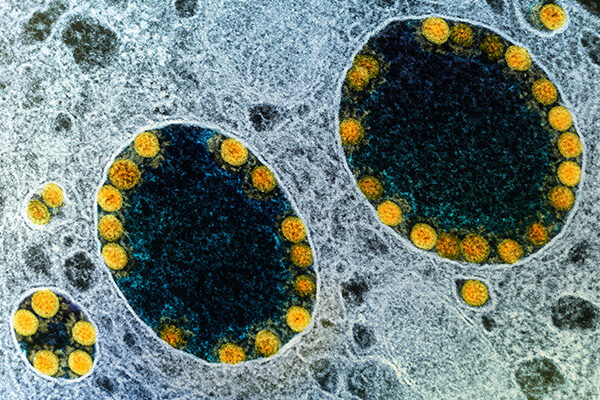
The AViDD Centers program is one of the U.S. government’s responses to the COVID-19 pandemic and is aimed at the near-term development of drugs against viruses with high pandemic potential—including coronaviruses, filoviruses (such as Ebola virus), flaviviruses (yellow fever virus, dengue virus, Zika virus), paramyxoviruses, bunyaviruses, and togaviruses.
“Bringing together outstanding virology expertise with the drug discovery infrastructure of Calibr really enables the critical drug combination tools we need for this pandemic and future pandemic threats,” says co-lead Arnab Chatterjee, PhD, vice president of Medicinal Chemistry at Calibr, Scripps Research’s drug development arm.
Calibr’s drug discovery expertise and capabilities are unique in the academic research community and are critical elements of CAMPP. The new center will leverage the significant global health drug discovery infrastructure and efforts that Calibr has built in partnership with the Bill & Melinda Gates Foundation and Wellcome Trust. Calibr had already made a major commitment to antivirals against coronaviruses with its drug repurposing efforts and its development of new antiviral agents that are advancing into clinical development.
The other CAMPP participants bring complementary expertise in virology, viral targets, chemistry, and drug discovery and delivery. These institutions include the Icahn School of Medicine at Mount Sinai, Washington University in St. Louis, the Perelman School of Medicine at the University of Pennsylvania, and the University of California, San Diego.
Scripps Research itself brings its renowned infectious disease, chemical biology, structural biology, and animal/organoid modeling teams to this effort, as well as its unique multidisciplinary environment.
“We are very excited to continue and expand our previous collaborations with Dr. Chanda’s and Dr. Chatterjee’s groups for the discovery and advancement of novel antivirals against pathogenic viruses including SARS-CoV-2,” says co-lead investigator Adolfo Garcia-Sastre, PhD, professor in the Department of Microbiology and director of the Global Health and Emerging Pathogens Institute at the Icahn School of Medicine at Mount Sinai.
The new Center’s efforts will include the discovery and development of next-generation drugs to combat coronaviruses and other viruses with pandemic potential by targeting known targets and exploring new paradigms.
The CAMPP portfolio includes later-stage programs that are expected to move through Investigational New Drug (IND)-enabling studies and clinical development over the course of the funding period, as well as highly innovative, early-stage ones. Over the award period, the Center will build multidisciplinary research capabilities that can be rapidly refocused in a new pandemic situation.
“The expertise we bring to this should allow us to develop efficient new methods as well as drugs targeting viral proteins that had been considered out of reach,” Chanda says.
The grant number for this award is: 1U19AI171443-01.


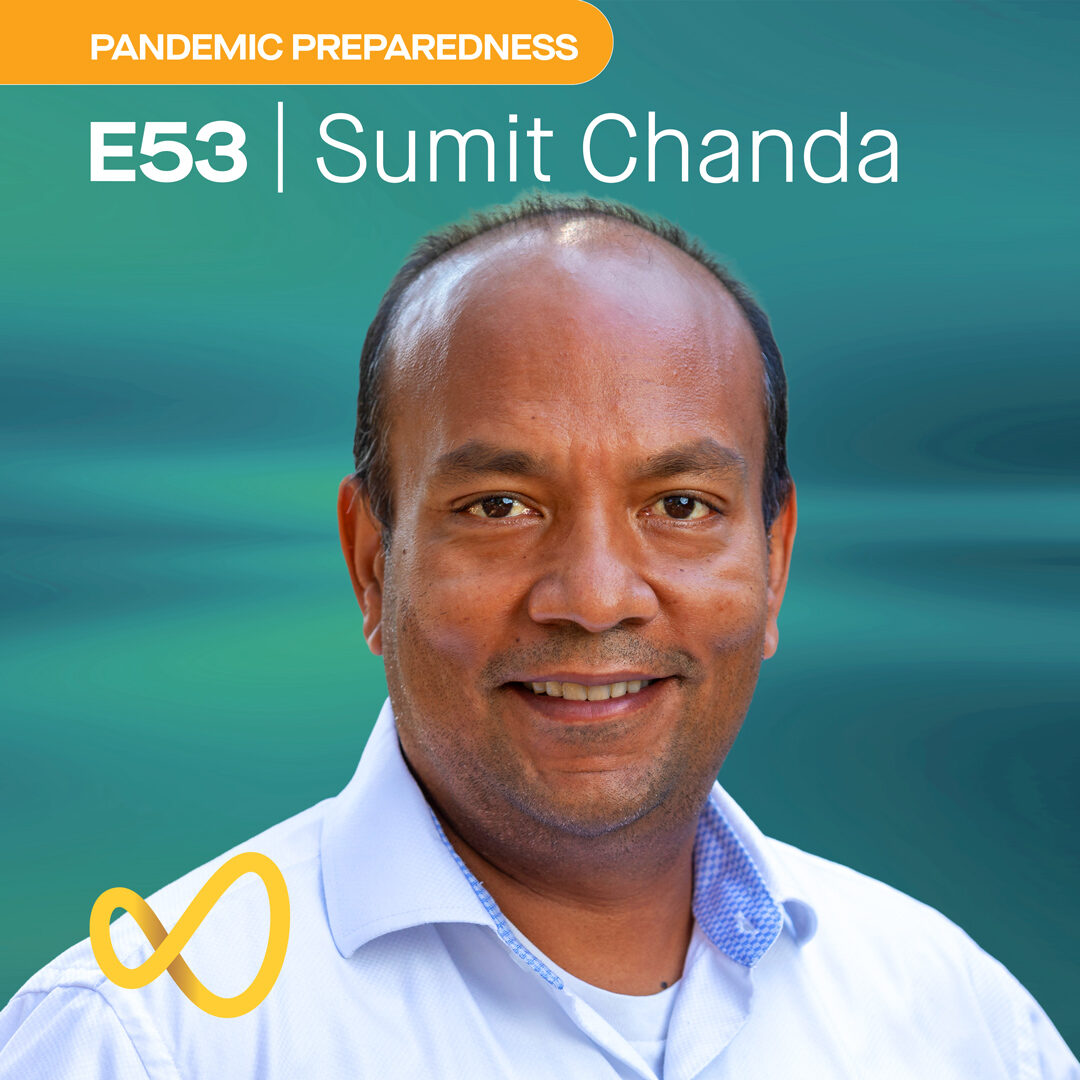
Virologist gives update on H5N1, mpox, and preparing for an uncertain future
Roughly two years ago, virology expert and Scripps Research professor Sumit Chanda sat down with Science Changing Life to discuss all things pandemic preparedness and COVID-19. But the world is in a very different place now, with infectious disease threats like H5N1, mpox and Dengue virus on the rise. Chanda joins us once again to share the latest in the virology space, how scientists can be better communicators, and his advice for making sure we’re as prepared for an uncertain future as we can be.


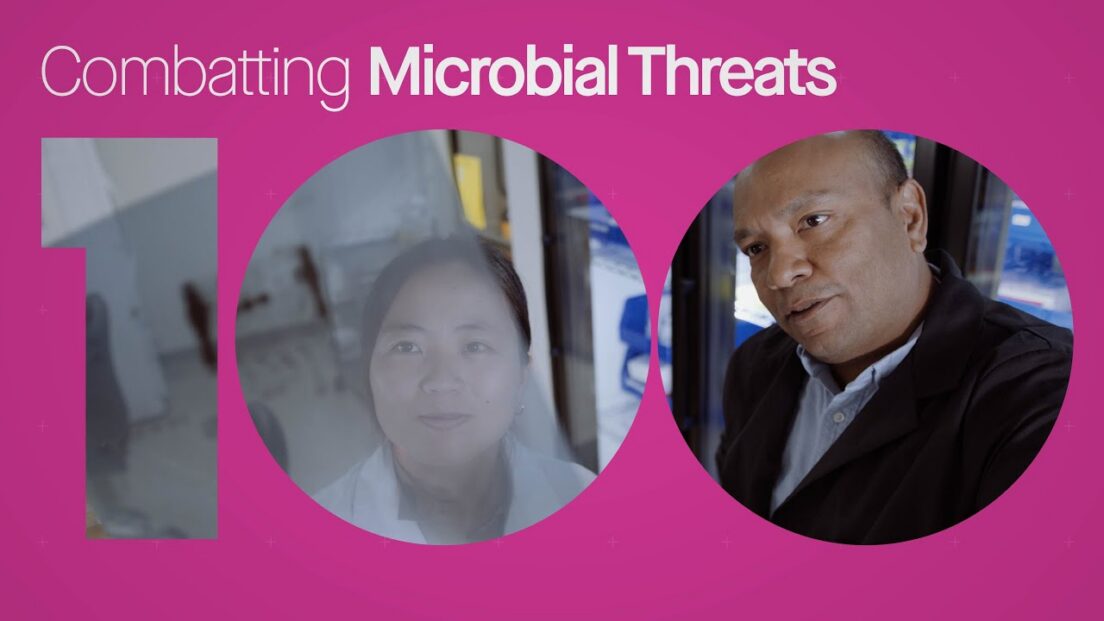
Combating microbial threats: A century of science changing life
Every day, scientists at Scripps Research are discovering and developing new treatments to combat today’s infectious disease threats—and tomorrow’s. Many of these researchers played a significant role in the COVID-19 pandemic, including identifying new antibody treatments and uncovering the virus’s structure. Meanwhile, they're also applying these key learnings to better prepare the global population for whichever microbial threat emerges next.

Sumit Chanda: How can we prepare for the next pandemic?
Professor Sumit Chanda is an infectious disease expert and immunologist, where he works both in the Department of Immunology and Microbiology and at Calibr, Scripps Research’s nonprofit drug discovery and development division. He has devoted his career to understanding how the immune system responds to numerous viruses, such as influenza, Dengue virus and SARS-CoV-2. Listen as we discuss everything from pandemic preparedness to drug discovery, as well as his unrelenting drive to uncover new treatment options—including for COVID-19.