News

Where hypotheses become headlines: Featured coverage of the breakthroughs—and the people—driving our research forward

For media inquiries, email us: [email protected]

Featured News
Tiantian Liu
News

Scripps Research scientist to receive $2.76 million NIAID New Innovators Award

Greg Tabor
News

Paying It Forward: Greg Tabor on Giving Back to the Next Generation

Filter by:
  • Trio of new medicines originate from Scripps Research discoveries
    News

    Trio of new medicines originate from Scripps Research discoveries

    New drugs for neurodegenerative and genetic disorders making their way to the marketplace.

  • Scientists hunt down the brain circuit responsible for alcohol cravings
    News

    Scientists hunt down the brain circuit responsible for alcohol cravings

    Scientists at Scripps Research have found that they can reverse the desire to drink in alcohol-dependent rats—with the flip of a switch.

  • Robot hand holding a red apple.
    News

    Eric Topol pens book on artificial intelligence in medicine

    New book Deep Medicine released and garners significant media attention. Click to read more and review ongoing media coverage. 

  • Scientists discover a potential strategy to treat influenza A
    News

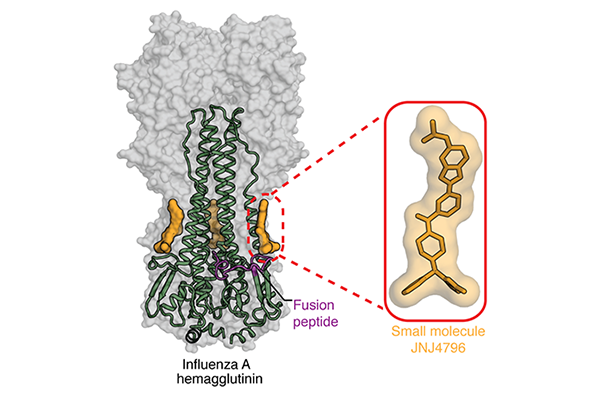
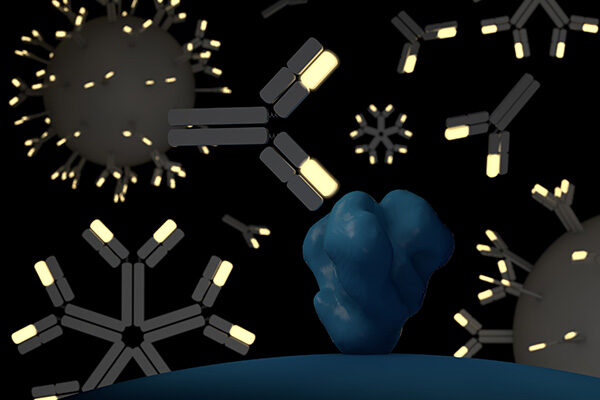
    Scientists discover a potential strategy to treat influenza A

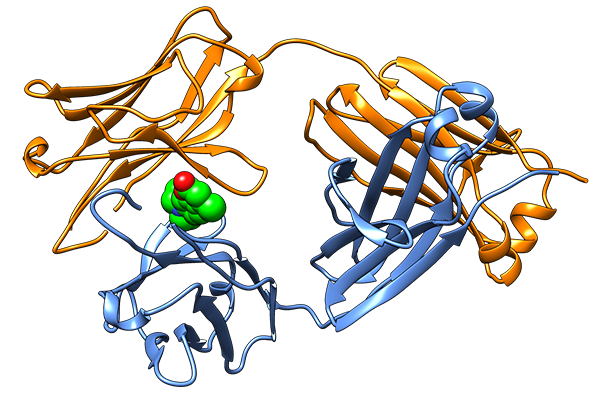
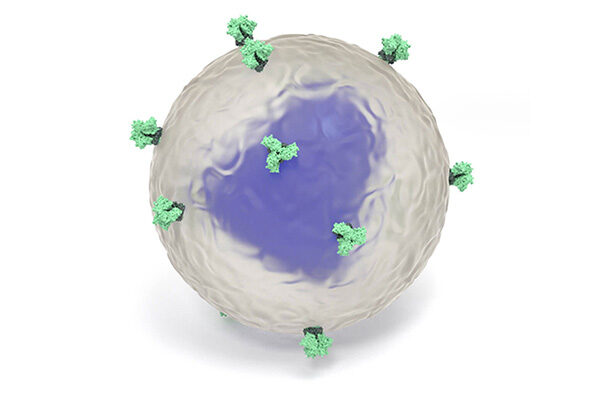
    In a breakthrough with applicability across many flu strains, researchers find a potential small molecule that mimics antibodies to treat disease.

  • News

    Stroke drug treats mouse model of Alzheimer’s disease

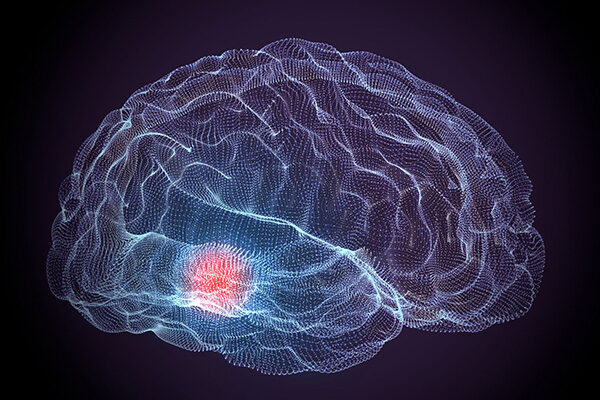
    For the last decade researchers have been developing a drug candidate that eases inflammation and protects brain cells from damage. Now, research shows another potential application: treating Alzheimer’s disease. 

    Translational Medicine Alzheimer’s Disease
  • The A.I. Diet
    News

    The A.I. Diet

    In a New York Times op-ed, Eric Topol, MD, founder and director of Scripps Research Translational Institute, discusses the science of nutrition and the need for diet to be individualized.

  • Promising compound selectively kills brain cancer stem cells
    News

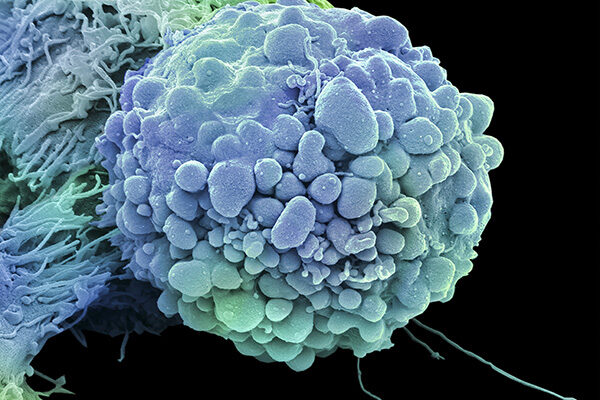
    Promising compound selectively kills brain cancer stem cells

    Scripps Research assistant professor Luke Lairson, PhD, and colleagues have discovered a compound that potently and selectively kills the stem-like cells that make glioblastoma brain cancers so deadly.

  • UK National Health Service launches Topol Program for Digital Fellowships in Healthcare
    News

    UK National Health Service launches Topol Program for Digital Fellowships in Healthcare

    Program supports workforce training recommended by Eric Topol, MD, in an independent review of the digital future of the National Health Service.

  • Electric car batteries inspire safer, cheaper way to manufacture compounds used in medicines
    News

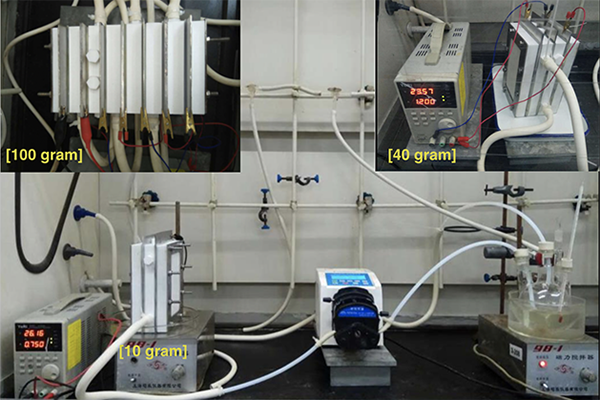
    Electric car batteries inspire safer, cheaper way to manufacture compounds used in medicines

    Inspired by electric car batteries, researchers developed a battery-like system that allows them to make potential advancements for the manufacturing of medicines.

  • Ramanarayanan Krishnamurthy named co-leader of NASA program to study chemical origins of life
    News

    Ramanarayanan Krishnamurthy named co-leader of NASA program to study chemical origins of life

    Scripps Research professor Ramanarayanan Krishnamurthy, PhD, has been named co-leader of a new NASA initiative to investigate how life emerged from Earth’s early environments.

  • Engineered immune cells produce antibodies to fight HIV
    News

    Engineered immune cells produce antibodies to fight HIV

    Cells removed from patients’ bloodstreams and genetically altered may allow more effective vaccines for HIV, influenza, hepatitis.

    Immunology & Microbiology HIV/AIDS James Voss
  • Whitehall Foundation honors two pioneering Scripps Research scientists
    News

    Whitehall Foundation honors two pioneering Scripps Research scientists

    Neuroscientists Giordano Lippi and Li Ye have received grants from the Whitehall Foundation to support their studies into brain function.

  • Breast cancer cells shifted into HER2 positive status with bold new strategy
    News

    Breast cancer cells shifted into HER2 positive status with bold new strategy

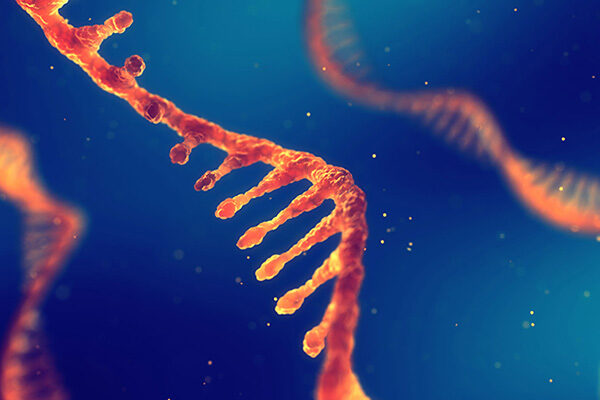
    For breast cancer patients with dwindling options, switching on HER2 sensitivity might be life-changing. Disney’s group described shifting three different cancer cell lines from HER2-negative status to HER2-positive status with the addition of a selective micro-RNA binding molecule.

  • Synapse maintenance depends on network within neurons, study finds
    News

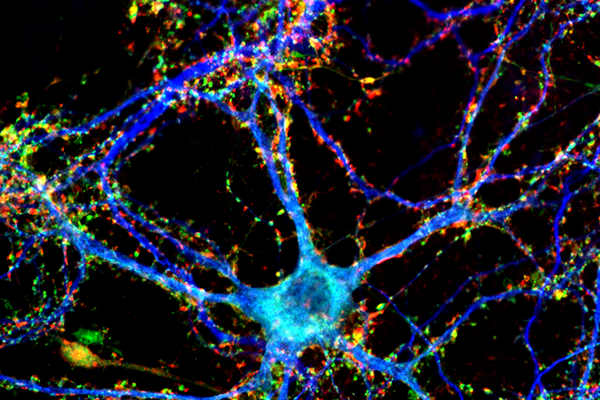
    Synapse maintenance depends on network within neurons, study finds

    Synapse instability may underlie many neurodegenerative diseases, including Alzheimer’s. A new study from the lab of Brock Grill, PhD, sheds light on synapse maintenance.  

  • Scripps Research Chemist Matthew D. Disney Awarded the Sackler Prize
    News

    Scripps Research Chemist Matthew D. Disney Awarded the Sackler Prize

    Chemistry Professor Matthew D. Disney, PhD, of Scripps Research in Jupiter, Florida, has been awarded the Raymond and Beverly Sackler International Prize in Chemistry from Tel Aviv University.

  • Janiszewska named an AACR ‘NextGen Star’
    News

    Janiszewska named an AACR ‘NextGen Star’

    The American Association for Cancer Research has named Michalina Janiszewska, PhD, a “NextGen Star”.

  • Farzan elected to the American Academy of Microbiology
    News

    Farzan elected to the American Academy of Microbiology

    The American Society for Microbiology has elected Scripps Research Professor Michael Farzan, PhD, to its American Academy of Microbiology.

  • Humans may be capable of producing a quintillion different antibodies
    News

    Humans may be capable of producing a quintillion different antibodies

    Huge-scale sequencing study also points to future use of human “antibody repertoires” for disease diagnosis and vaccine design.

  • Scientists discover link in brain between anxiety and weight loss
    News

    Scientists discover link in brain between anxiety and weight loss

    Mice lacking BDNF in certain brain regions showed signs of anxiety. They also had an elevated basal metabolic rate.

  • Sea slug study illuminates how mitochondria move within cells
    News

    Sea slug study illuminates how mitochondria move within cells

    Defects in the transport of cells’ energy organelles are a suspected cause of diseases including Alzheimer’s, ALS, Huntington’s and Parkinson’s. A new study uncovers how mitochondria move in neurons.

  • Drunken flies reveal important step to intoxication
    News

    Drunken flies reveal important step to intoxication

    When alcohol reaches our nerve cells, the alcohol connects with intermediary molecules on the neuron’s membrane surface to produce its intoxicating effects, indirectly.

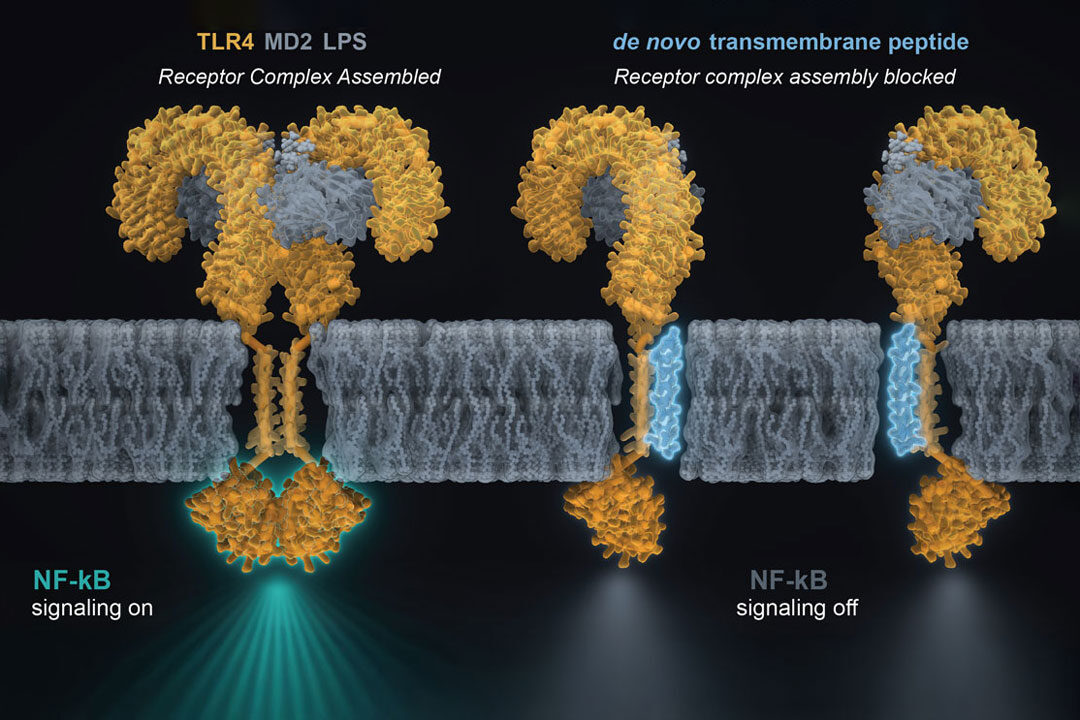
    Scott Hansen
  • Scientists uncover how protein clumps damage cells in Parkinson’s
    News

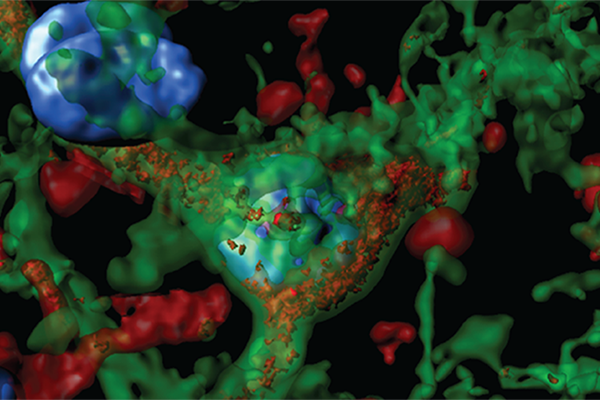
    Scientists uncover how protein clumps damage cells in Parkinson’s

    Lasmézas and her team find that enzymes modify tau to create tau-a-synuclein clumps on mitochondria, leading ultimately to the death of neurons.

  • One of the world’s largest collections of medicines is being mined for new treatments
    News

    One of the world’s largest collections of medicines is being mined for new treatments

    This video by Boston Globe’s STAT magazine features Calibr’s ReFRAME collection, a drug repurposing project that’s finding ways to treat new diseases with existing drugs.

  • Brain cell communications fine-tuned through multiple couriers, study finds
    News

    Brain cell communications fine-tuned through multiple couriers, study finds

    Individual neurons can have multiple kinesins in motion at the same time, moving like trucks on a highway, a study from the Puthanveettil lab finds.

Groundbreaking Science.
Life-changing Medicine.