Seven Scripps Research scientists named to Clarivate’s 2026 list of Highly Cited Researchers

Annual recognition highlights researchers whose work has had wide-reaching influence across their fields.

November 18, 2026

highly cited researchers 2026

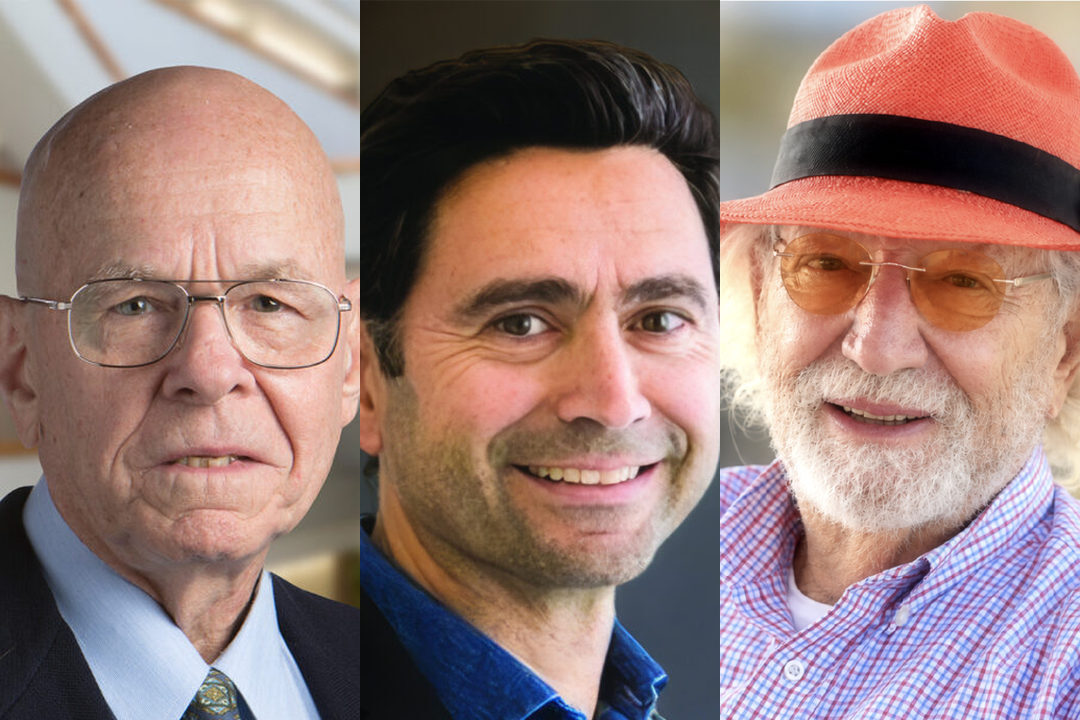
LA JOLLA, CA—Clarivate, a global information and analytics company, named seven faculty members of Scripps Research to its annual list of Highly Cited Researchers. The 2026 list recognizes 6,802 researchers across 62 countries. Those on the list have authored multiple papers that rank among the top 1% most cited in their field and publication year over the past 11 years. Highly Cited Researchers represent about 1 in 1,000 scientists and social scientists.

“We congratulate the Highly Cited Researchers 2026 at Scripps Research,” says David Pendlebury, Head of Research Analysis at the Institute for Scientific Information at Clarivate. “The Highly Cited Researchers list identifies and celebrates researchers who demonstrate significant and broad influence in their fields. These researchers continue to shape the future of science, technology and academia globally and deliver innovation that drives societal progress.”

The 2026 list includes the following Scripps Research scientists:

Biology and Biochemistry

Ardem Patapoutian, Professor of Neuroscience; Presidential Endowed Chair in Neurobiology; Howard Hughes Medical Institute Investigator

Patapoutian investigates protein sensors that enable humans to perceive various chemical and physical stimuli, including pain, temperature and pressure. His discovery of these sensors earned him the 2021 Nobel Prize in Physiology or Medicine.

Chemistry

Phil Baran, Professor of Chemistry; Dr. Richard A. Lerner Endowed Chair

Baran develops methods to enable the scalable and sustainable synthesis of organic molecules through the invention of radical-based methods and new strategies that can simplify access to small molecules, peptides and even oligonucleotides.

Cross-Field

Dennis Burton, Professor of Immunology & Microbiology; James & Jessie Minor Chair in Immunology

Burton has made significant contributions to understanding antibodies to pathogens, particularly broadly neutralizing antibodies against highly variable pathogens like HIV, and to the development of vaccines for HIV and emerging pandemic viruses, including coronaviruses.

Darrell Irvine, Professor and Vice-chair of the Department of Immunology & Microbiology; Lita Annenberg Hazen Chair

Irvine integrates strategies across immunology, biotechnology and materials chemistry to develop more effective vaccines and immunotherapies for cancer and infectious diseases.

Andrew Ward, Professor of Integrative Structural & Computational Biology

Ward investigates pathogens through integrative structural biology techniques. His laboratory identified the first structure of a human coronavirus spike protein in 2016, which facilitated vaccine development for the COVID-19 pandemic.

Microbiology

Ian Wilson, Professor of Integrative Structural & Computational Biology; Hansen Professor of Structural Biology

Wilson’s work centers on viral pathogens, vaccine development and structural imaging of the immune system—advancing our understanding of SARS-CoV-2, HIV-1, HCV and influenza virus.

Molecular Biology and Genetics

Eric Topol, Executive Vice President of Scripps Research; The Gary and Mary West Chair of Innovative Medicine; Founder and Director of the Scripps Research Translational Institute

Topol studies how genomic information, digital data and artificial intelligence can be used to individualize medicine.

All seven Scripps Research scientists on this year’s list have also been recognized in previous years.

Science Changing Life.
Life-changing Medicine.