News

Where hypotheses become headlines: Featured coverage of the breakthroughs—and the people—driving our research forward

For media inquiries, email us: [email protected]

Featured News
Greg Tabor
News

Paying It Forward: Greg Tabor on Giving Back to the Next Generation

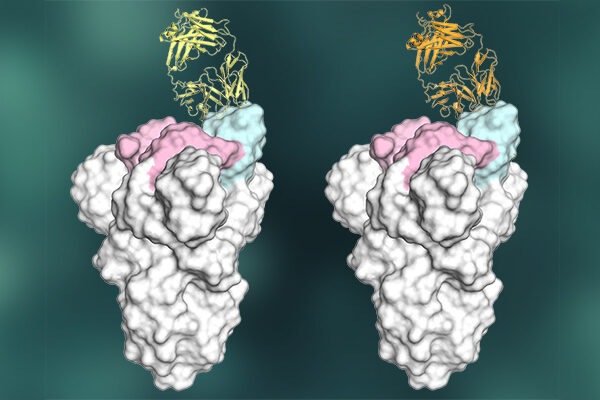
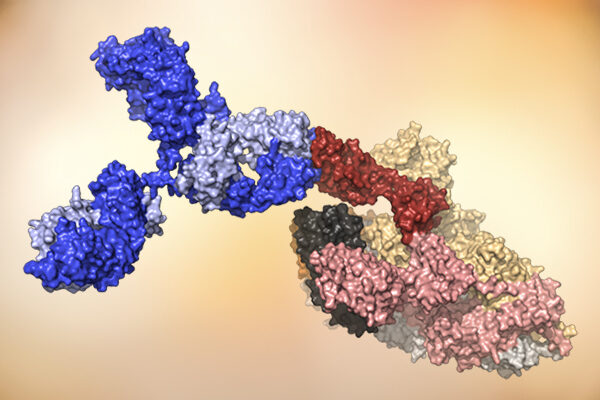
New research offers fresh insights for how to make better vaccines
News

New research offers fresh insights for how to make better vaccines

Filter by:
  • Benjamin Cravatt of Scripps Research honored with 2020 Award for Outstanding Achievement in Chemistry in Cancer Research
    News

    Benjamin Cravatt of Scripps Research honored with 2020 Award for Outstanding Achievement in Chemistry in Cancer Research

    Cravatt is recognized for major technical advances in activity-based protein profiling, which is used to find potential new targets and drug candidates for cancer treatment.

  • Mutated coronavirus shows significant boost in infectivity
    News

    Mutated coronavirus shows significant boost in infectivity

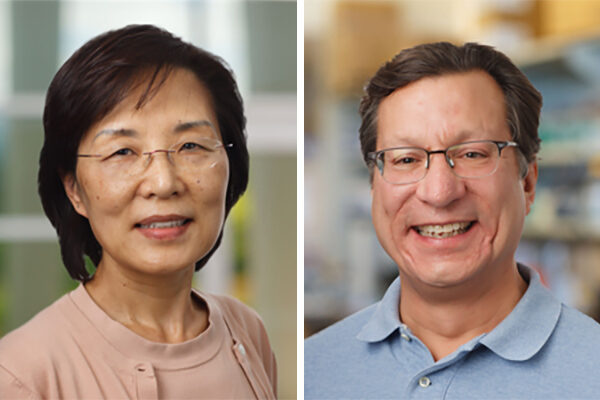
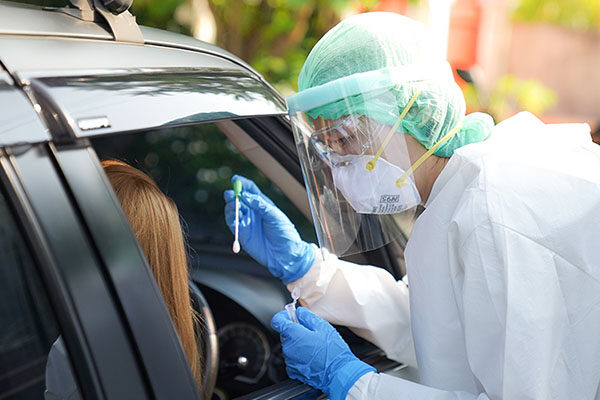
    A tiny genetic mutation to the virus that causes COVID-19 leads to a significant change in the virus’ ability to infect cells, according to new research from Hyeryun Choe, PhD, and Michael Farzan, PhD.

    COVID-19
  • Data scientists inventing new tools to rapidly analyze the spread, evolution of novel coronavirus
    News

    Data scientists inventing new tools to rapidly analyze the spread, evolution of novel coronavirus

    Scripps Research is collaborating with top computational scientists at Johns Hopkins University and UCLA.

    COVID-19
  • News

    The D614G mutation in the SARS-CoV-2 spike protein reduces S1 shedding and increases infectivity

  • Scientists in solidarity
    News

    Scientists in solidarity

    On behalf of the institute, the leadership team at Scripps Research voices its recommitment to expanding diversity and inclusion across its campuses.

  • Up to 45 percent of SARS-CoV-2 infections may be asymptomatic, new analysis finds
    News

    Up to 45 percent of SARS-CoV-2 infections may be asymptomatic, new analysis finds

    Analysis of data from 16 groups of COVID-19 patients suggest “silent” carriers may exacerbate efforts to stop spread of the disease

  • Powerful drug discovery technique leads to potential compound for obesity and diabetes
    News

    Powerful drug discovery technique leads to potential compound for obesity and diabetes

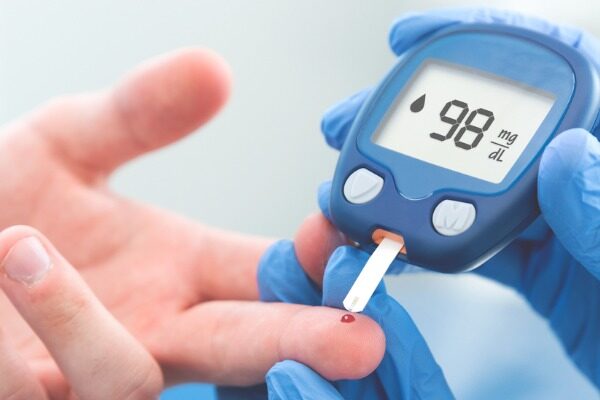
    Scientists discovered a way to enhance the activity of an enzyme long suspected of playing a role in metabolism. In a study involving mice, the compound reversed signs of diabetes.

  • A Statement from the Institute
    News

    A Statement from the Institute

    Response to essay published in Angewandte Chemie.

  • In pivotal phase 3 trial, ozanimod demonstrates a clear benefit among patients with moderate-to-severe ulcerative colitis
    News

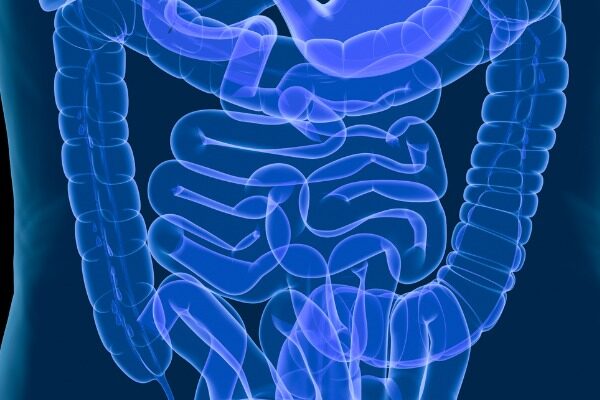
    In pivotal phase 3 trial, ozanimod demonstrates a clear benefit among patients with moderate-to-severe ulcerative colitis

    The drug, developed at Scripps Research, recently gained U.S. and European regulatory approval for the treatment of multiple sclerosis. It is also being studied for Crohn’s disease.

  • Ozanimod, a drug created at Scripps Research, gains European Commission approval for treatment of multiple sclerosis
    News

    Ozanimod, a drug created at Scripps Research, gains European Commission approval for treatment of multiple sclerosis

    The news comes less than two months after the therapy gained approval from the U.S. Food and Drug Administration. Ozanimod is also in advanced clinical development for moderate-to-severe ulcerative colitis and Crohn’s disease.

  • In human mini-brain experiments, drug preserves and rebuilds nerve connections that are lost to Alzheimer’s
    News

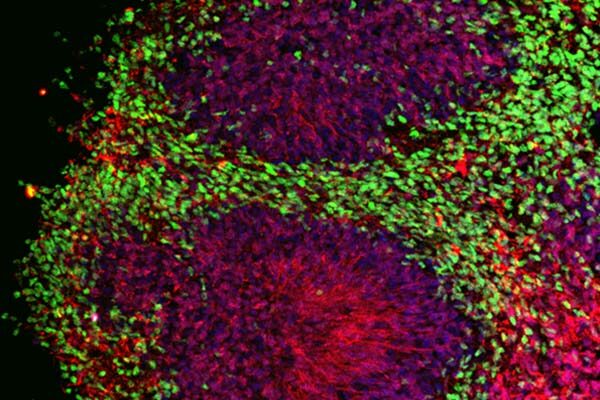
    In human mini-brain experiments, drug preserves and rebuilds nerve connections that are lost to Alzheimer’s

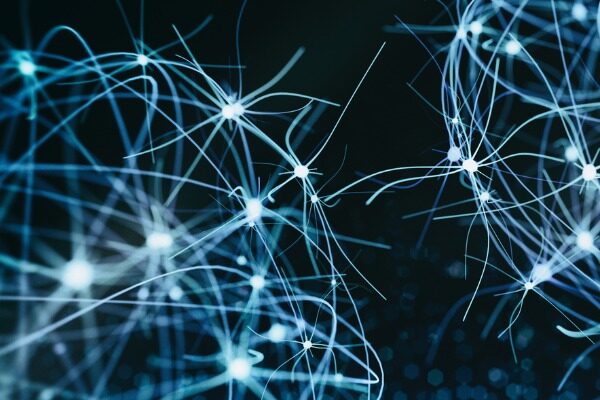
    In experiments on human 'mini-brains,' the drug preserved nerve connections that are lost to Alzheimer’s. The drug is also being evaluated for COVID-19, as it is known to inhibit viral activity.

  • Solving the 175-year-old medical mystery of anesthesia’s effects
    News

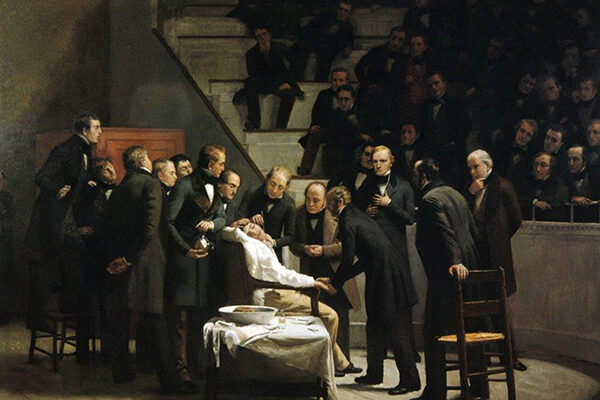
    Solving the 175-year-old medical mystery of anesthesia’s effects

    How does general anesthesia cause loss of consciousness? Despite its 175-year-history of use by the U.S. medical system, science has been unable to definitively answer that question, until now.

    Chemistry Scott Hansen
  • Ardem Patapoutian of Scripps Research honored with 2020 Kavli Prize in Neuroscience
    News

    Ardem Patapoutian of Scripps Research honored with 2020 Kavli Prize in Neuroscience

    Patapoutian, who made transformative discoveries about proteins that sense pressure, becomes the first Scripps Research scientist to win the Kavli Prize. 

  • Antibodies produced in response to one type of coronavirus don’t offer protection against the other, study suggests
    News

    Antibodies produced in response to one type of coronavirus don’t offer protection against the other, study suggests

    Even though the coronaviruses that cause SARS and COVID-19 are closely related and infect cells the same way, they aren’t cross-protective in cell culture experiments.

  • Scripps Research awards doctoral degrees to class of 2020, celebrates graduates’ diverse scientific accomplishments
    News

    Scripps Research awards doctoral degrees to class of 2020, celebrates graduates’ diverse scientific accomplishments

    The Skaggs Graduate School of Chemical and Biological Sciences awarded doctorates to 44 young scientists who comprise the 28th graduating class at Scripps Research. In lieu of the traditional annual commencement ceremony, a virtual celebration will be held in July.

  • Cancer cells’ growth amid crowding reveals nuanced role for known oncogene
    News

    Cancer cells’ growth amid crowding reveals nuanced role for known oncogene

    A hallmark of cancer cells is that they lack contact inhibition, even when crowded. A new study from Kissil lab reveals a protein biologists thought they knew well, YAP, is playing an unexpected role in switching off that normal, healthy response, with input from many players.

  • Scripps Research chemist earns NIH grant worth $11 million over 8 years
    News

    Scripps Research chemist earns NIH grant worth $11 million over 8 years

    Scripps Research, Florida Chemistry Professor Matthew Disney, PhD, has been honored with a prestigious Research Program Award from the National Institute of Neurological Disorders and Stroke (NINDS), to aid Disney’s development of treatments for incurable diseases such as Alzheimer’s, Parkinson’s, ALS and frontotemporal dementia.

  • Parkinson’s dyskinesia mechanism explained
    News

    Parkinson’s dyskinesia mechanism explained

    The mechanism underlying Parkinson’s dyskinesia has been unknown, until now. An international collaboration led by Scripps Research, Florida has found a key cause, and with it, potentially, a new route to providing relief.

    Neuroscience Srinivasa Subramaniam
  • Scripps Research neurobiologist Ardem Patapoutian elected to American Academy of Arts and Sciences
    News

    Scripps Research neurobiologist Ardem Patapoutian elected to American Academy of Arts and Sciences

    Patapoutian, a professor in Scripps Research’s Department of Neuroscience, has catapulted the scientific understanding of sensory transduction—the methods by which the body responds to sensory input from the eyes, tongue, nose and skin.

  • Clinical trial in COVID-19 patients tests anti-inflammatory drug developed 25 years ago at Scripps Research
    News

    Clinical trial in COVID-19 patients tests anti-inflammatory drug developed 25 years ago at Scripps Research

    Clinical trials are assessing whether the drug can temper the immune system’s response to coronavirus in the lungs, preventing the dangerous inflammation seen in patients with severe disease.

  • Tilted discovery: electron microscopy technique reveals how a key human antibody disarms many strains of HIV
    News

    Tilted discovery: electron microscopy technique reveals how a key human antibody disarms many strains of HIV

    Using some of the most powerful microscopes available to scientists today, structural biologists at Scripps Research have developed a method for examining the machinery of HIV in unprecedented detail.

  • Treating cancer drug resistance may come at a cost to immune system, study suggests
    News

    Treating cancer drug resistance may come at a cost to immune system, study suggests

    Once a cancer patient’s tumors develop resistance to chemotherapy, the prognosis can be poor. However, inhibiting a key gene involved in multidrug resistance, MDR1, has not improved outcomes. A new study offers a reason, revealing unintended downstream effects on immune system cells.

  • Scripps Research expands international effort to rapidly repurpose existing drugs against COVID-19
    News

    Scripps Research expands international effort to rapidly repurpose existing drugs against COVID-19

    An international research network centers around ReFRAME, the world’s leading collection of drugs known to be safe in humans.

  • Researchers unveil promising hepatitis C vaccine design
    News

    Researchers unveil promising hepatitis C vaccine design

    In experiments, mice inoculated with virus-mimicking particles showed a stronger antibody response than when inoculated with hepatitis C proteins on their own.

Groundbreaking Science.
Life-changing Medicine.