News

Where hypotheses become headlines: Featured coverage of the breakthroughs—and the people—driving our research forward

For media inquiries, email us: [email protected]


Featured News
highly cited researchers 2026
News

Seven Scripps Research scientists named to Clarivate’s 2026 list of Highly Cited Researchers

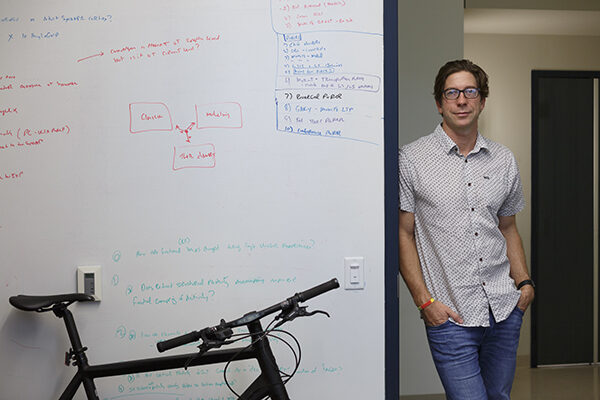
Christian Diercks and Danielle Grotjahn. Credit: Scripps Research
News

Two Scripps Research faculty named inaugural recipients of the Schultz Innovative Investigator Award

Filter by:
  • Feedback loop within intestinal cells may explain why prolonged fat-burning doesn’t diminish longevity
    News

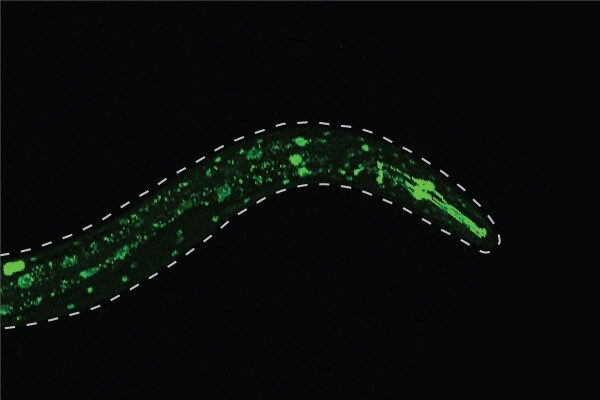
    Feedback loop within intestinal cells may explain why prolonged fat-burning doesn’t diminish longevity

    In studies involving roundworms, Scripps Research scientists discover a cellular process that may hold implications for treating metabolic diseases.

  • Gene linked to autism and epilepsy directs speed of human brain cell development
    News

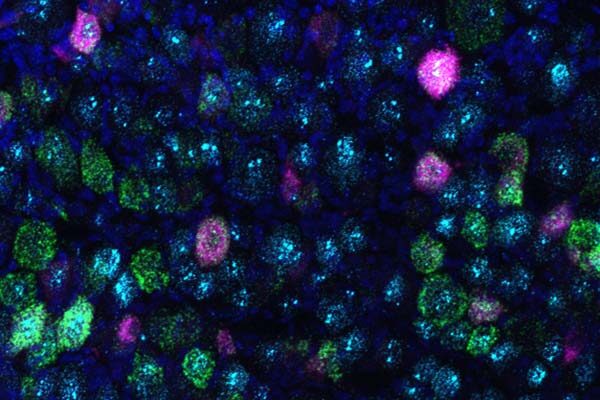
    Gene linked to autism and epilepsy directs speed of human brain cell development

    A gene associated with autism is found to direct the speed at which neurons mature.

  • Immune activation in the liver illuminated with new glycan-tagging strategy
    News

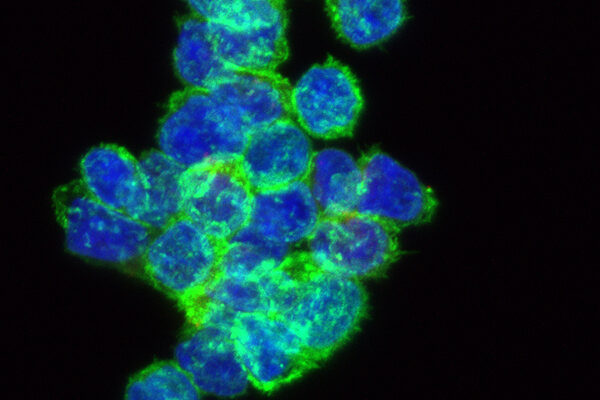
    Immune activation in the liver illuminated with new glycan-tagging strategy

    A signaling system implicated in liver fibrosis and immune activation is better understood thanks to this creative chemical fishing lure.

  • Study shows main cell type in the liver has key role in defending against some viruses
    News

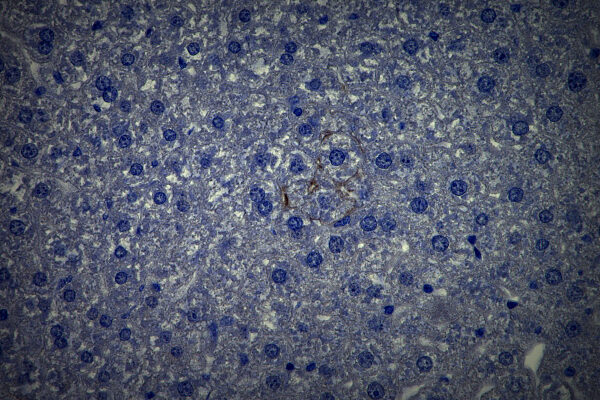
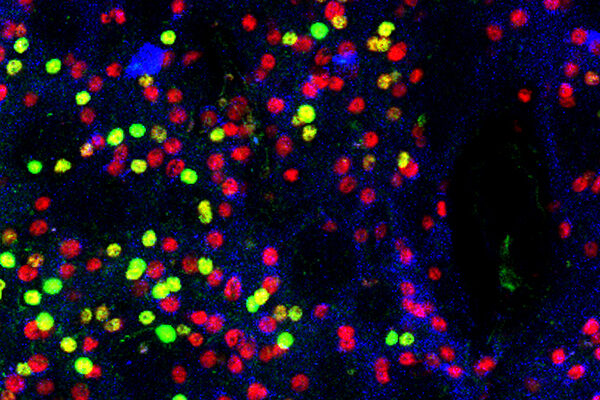
    Study shows main cell type in the liver has key role in defending against some viruses

    Hepatocytes, long known deactivating chemical toxins in the blood, should also be viewed as a significant element of the immune system. 

    Immunology & Microbiology J. Lindsay Whitton
  • Scientists identify sensor protein that underlies bladder control
    News

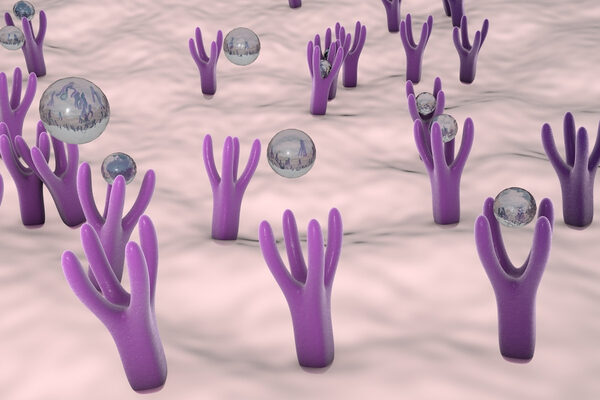
    Scientists identify sensor protein that underlies bladder control

    The discovery marks a key advance in basic neurobiology and may lead to better treatments for bladder control and urination problems.

  • Origin-of-life chemists discover plausible ancestor of essential metabolic process used by most plants and animals
    News

    Origin-of-life chemists discover plausible ancestor of essential metabolic process used by most plants and animals

    A new study clarifies how a key chemical engine of life might have arisen from simple organic compounds on early Earth.

  • Dangerous side effect of widely used psychiatric drug may be treatable with existing medicine
    News

    Dangerous side effect of widely used psychiatric drug may be treatable with existing medicine

    A mouse study on the brain’s striatum region reveals an unexpected but important finding.

    Neuroscience Srinivasa Subramaniam
  • 3 Scripps Research scientists win NIH New Innovator Award for ‘high-risk, high-reward’ projects
    News

    3 Scripps Research scientists win NIH New Innovator Award for ‘high-risk, high-reward’ projects

    Assistant Professors Huan Bao, Lisa Racki and Li Ye have been awarded grants through an NIH program that seeks to catalyze scientific discovery by supporting research with transformative potential.   

  • FDA grants Fast Track designation to Calibr’s ‘switchable’ CAR-T cell cancer therapy, CLBR001 + SWI019
    News

    FDA grants Fast Track designation to Calibr’s ‘switchable’ CAR-T cell cancer therapy, CLBR001 + SWI019

    The therapy is currently being evaluated as a treatment for B-cell malignancies, a class of blood cancers that includes non-Hodgkin’s lymphoma and chronic lymphocytic leukemia.

  • Why do people respond differently to the same drug?
    News

    Why do people respond differently to the same drug?

    A sweeping study of proteins that modulate cell signaling could lead to a better understanding of myriad diseases, and of what makes us all different.

  • Breaking COVID-19’s ‘clutch’ to stop its spread
    News

    Breaking COVID-19’s ‘clutch’ to stop its spread

    The virus that causes COVID-19 uses a clutch-like shifter to enable transcription of one RNA string into multiple proteins, and therein lies a vulnerability. A proof-of-concept study from Disney lab shows it’s possible to eliminate that shifter with an RNA-binding medicinal compound linked to a “trash this” signal.

    Chemistry COVID-19
  • Finding the best screening method for a common heart condition
    News

    Finding the best screening method for a common heart condition

    Early detection of atrial fibrillation can help significantly reduce the risk of stroke, and digital health tools may be the answer.

  • Dale Boger awarded the Tetrahedron Prize for Creativity in Organic Chemistry
    News

    Dale Boger awarded the Tetrahedron Prize for Creativity in Organic Chemistry

    Discoveries from Boger’s lab have led to unique strategies and methods for making molecules, as well as durable antibiotics, novel ways to treat chronic pain, and an experimental cancer vaccine.

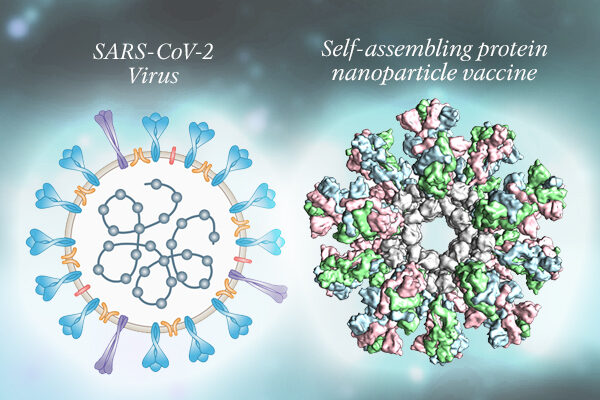
  • Nanoparticle vaccine for COVID-19 spurs robust immune response in preclinical tests
    News

    Nanoparticle vaccine for COVID-19 spurs robust immune response in preclinical tests

    The novel vaccine technology, developed at Scripps Research, uses virus-like particles to elicit high levels of protective antibodies.

    COVID-19
  • New gene implicated in neuron diseases
    News

    New gene implicated in neuron diseases

    Several mutant forms of NEMF in mice interfered with ribosome-associated quality control and resulted in neuromuscular, neurodegenerative or other disease.

  • Large-scale study of anonymized data from Fitbit users finds adults with obesity sleep less, with more variability
    News

    Large-scale study of anonymized data from Fitbit users finds adults with obesity sleep less, with more variability

    Wearable devices give scientists a powerful new tool for sleep studies.

  • Linking calorie restriction, body temperature and healthspan
    News

    Linking calorie restriction, body temperature and healthspan

    In a new study, Scripps Research scientists pave the way toward creating a medicinal compound that imitates the valuable effects of reduced body temperature.

  • Wiring the eyes to the brain for color vision
    News

    Wiring the eyes to the brain for color vision

    A fundamental neuroscience discovery may propel future efforts to boost vision lost due to retina degeneration and enable light-sensing prosthetics that cure blindness.

  • International research alliance launched to boost pandemic preparedness
    News

    International research alliance launched to boost pandemic preparedness

    Scientists in the United States and West Africa to develop research network to rapidly respond to current and future infectious disease outbreaks.

  • Heart repair factor boosted by RNA-targeting compound
    News

    Heart repair factor boosted by RNA-targeting compound

    Damaged hearts require stem cell activation to heal, but heart attack silences a key signaling molecule. A compound discovered in Disney lab reactivates its production, in cell-based studies. 

  • Ryan Shenvi and Edward Roberts receive 2021 national awards from American Chemical Society
    News

    Ryan Shenvi and Edward Roberts receive 2021 national awards from American Chemical Society

    Shenvi and Roberts are recognized for their contributions in organic synthesis and the development of medicinally useful substances.

  • Unleashing the immune system’s ‘STING’ against cancer
    News

    Unleashing the immune system’s ‘STING’ against cancer

    A small molecule that activates the immune protein STING shows promising results against tumors.

  • Chemists hijack bacterial enzymes to create complex molecules normally made by plants
    News

    Chemists hijack bacterial enzymes to create complex molecules normally made by plants

    These molecules, called terpenes, are potential starting points for new drugs and other high-value products, marking an important development for multiple industries.

  • Scientists reveal structural details of spike protein used in leading COVID-19 vaccine
    News

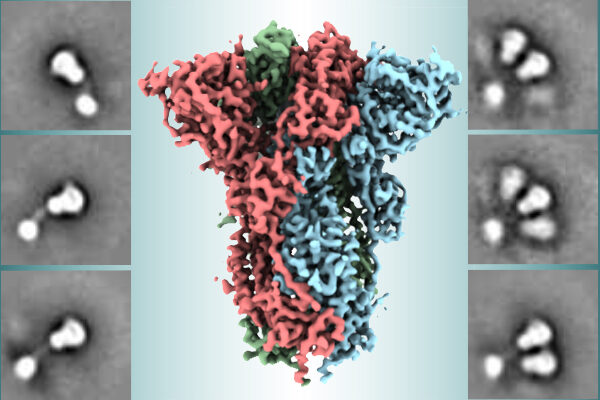
    Scientists reveal structural details of spike protein used in leading COVID-19 vaccine

    Electron microscopy showed that the coronavirus spikes maintained the desired shape in the vaccine, which should help stimulate an appropriate immune response.

Science Changing Life.
Life-changing Medicine.