News

Where hypotheses become headlines: Featured coverage of the breakthroughs—and the people—driving our research forward

For media inquiries, email us: [email protected]

Featured News
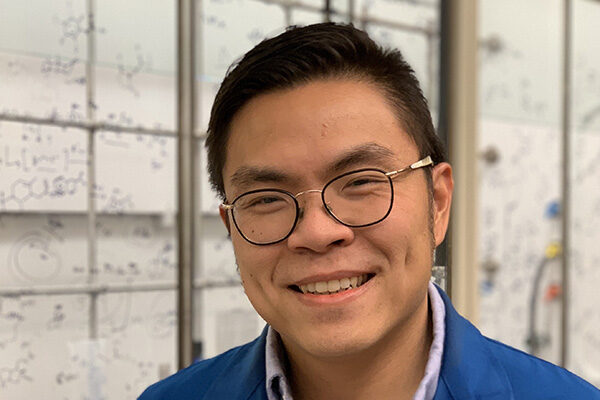
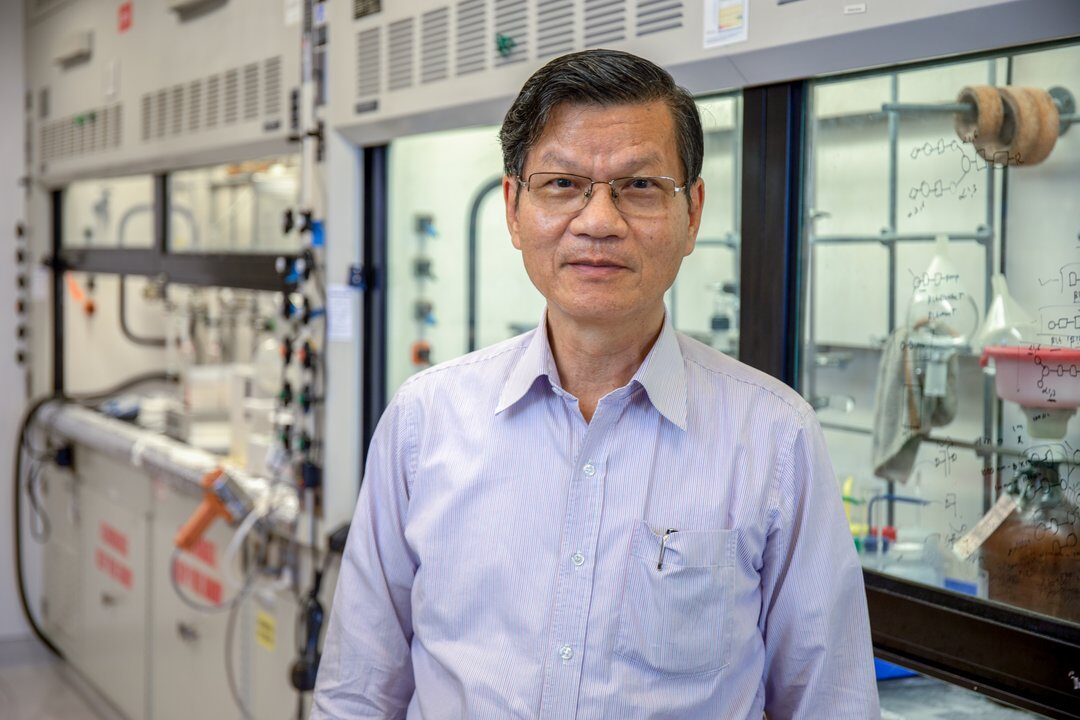
Chi-Huey Wong.
News

Scripps Research professor Chi-Huey Wong to receive ACS Alfred Bader Award

Dissociation of the four-part TTR protein. The energy landscape shows stable states toward the bottom and unstable transition states toward the top. In the canonical pathway (red), the tetramer (T) dissociates via a native-like, compact transition state (‡1) into transient dimer intermediates (D) before full dissociation into monomers (M). In the newly discovered alternative pathway (blue), the tetramer dissociates through a more expanded transition state (‡2) directly into monomers. Credit: Jan-Hannes Schäfer, Scripps Research
News

Scientists discover a new way that a disease-linked protein comes apart

Filter by:
  • A major addition to chemists’ toolkit for building new molecules
    News

    A major addition to chemists’ toolkit for building new molecules

    Shape-shifting catalyst enables powerful, broad method for adding hydroxyl groups.

  • Scripps Research collaborates with The Rockefeller Foundation on digital COVID-19 surveillance, pandemic preparedness
    News

    Scripps Research collaborates with The Rockefeller Foundation on digital COVID-19 surveillance, pandemic preparedness

    A grant from the New York-based foundation will fuel expansion of DETECT, Scripps Research’s sensor-based study for real-time digital detection of viral illness.    

  • Lessons from most recent flu pandemic point the way toward universal vaccines
    News

    Lessons from most recent flu pandemic point the way toward universal vaccines

    Strong immune responses to unchanging, conserved parts of the 2009 pandemic H1N1 flu virus suggest strategies for effective universal influenza vaccines.

  • Extensive study identifies over a dozen existing drugs as potential COVID-19 therapies
    News

    Extensive study identifies over a dozen existing drugs as potential COVID-19 therapies

    FDA-approved drugs or experimental drugs with ample health data could be rapidly tested in humans for treatment of COVID-19.

  • Scripps Research Translational Institute welcomes Jay Pandit as director of digital medicine
    News

    Scripps Research Translational Institute welcomes Jay Pandit as director of digital medicine

    Pandit will provide leadership and medical oversight for a growing portfolio of digital trials and data science research programs.

  • A new indication of success: FDA approves ozanimod for ulcerative colitis
    News

    A new indication of success: FDA approves ozanimod for ulcerative colitis

    The novel drug created at Scripps Research has achieved a second FDA approval, this time for ulcerative colitis, as clinical trials continue for Crohn’s disease.

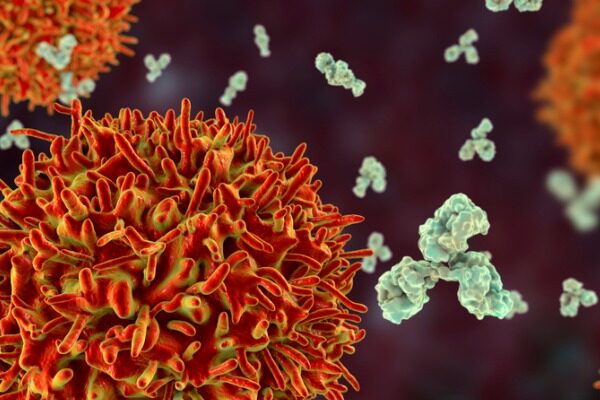
  • Versatile coronavirus antibody may be starting point for broader-acting vaccines
    News

    Versatile coronavirus antibody may be starting point for broader-acting vaccines

    Scientists from Scripps Research investigated how the immune system’s previous exposure to cold-causing coronaviruses impact immune response to COVID-19. 

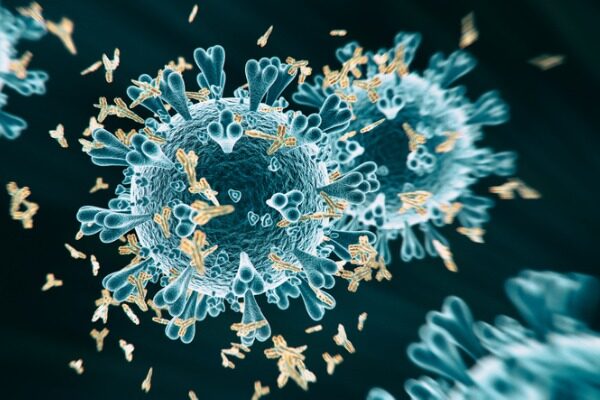
  • Scientists reveal structural details of how SARS-CoV-2 variants escape immune response
    News

    Scientists reveal structural details of how SARS-CoV-2 variants escape immune response

    The findings provide direction for future vaccines or therapies that may offer broader protection against variants.

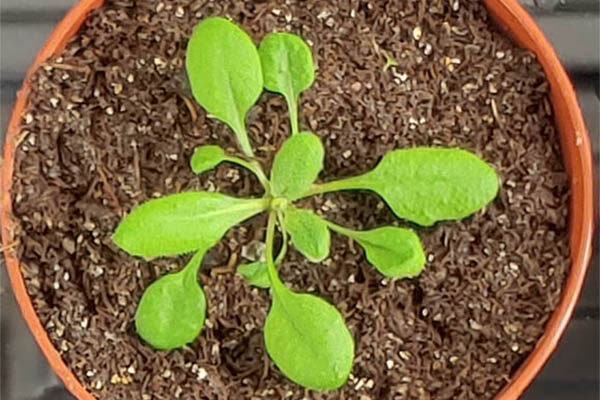
  • Force-sensing PIEZO proteins are at work in plants, too
    News

    Force-sensing PIEZO proteins are at work in plants, too

    Proteins that enable the sense of touch in humans have an evolutionary cousin that helps plants grow their root systems.

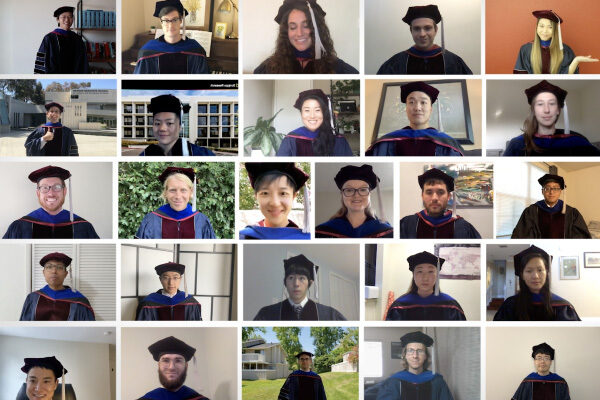
  • Scripps Research awards doctoral degrees to class of 2021
    News

    Scripps Research awards doctoral degrees to class of 2021

    A total of 42 graduates are earning PhDs after completing their academic journey at the Skaggs Graduate School of Chemical and Biological Sciences.

  • New ebolavirus vaccine design seeks to drive stronger antibody defense
    News

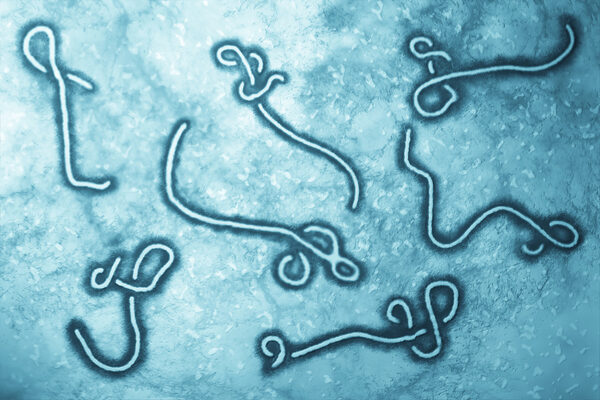
    New ebolavirus vaccine design seeks to drive stronger antibody defense

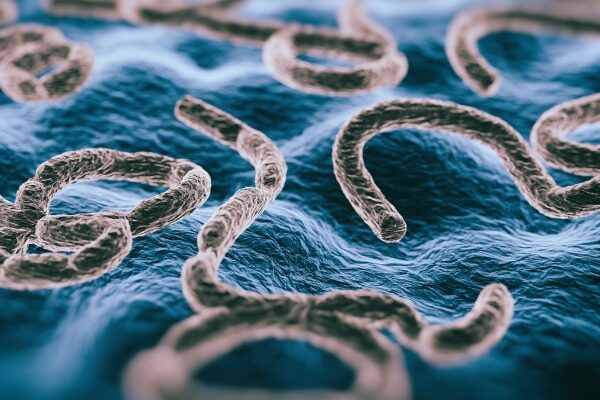
    The design provides several advantages over standard vaccine approaches for Ebola and related viruses that continue to threaten global health.

  • Hans Renata named to 2021 Natural Product Reports Emerging Investigator Lectureship
    News

    Hans Renata named to 2021 Natural Product Reports Emerging Investigator Lectureship

    Based on the Florida campus of Scripps Research, Renata devises efficient chemical techniques for recreating valuable compounds found in nature.  

  • Why do protein-making enzymes cluster together? Not for the reason many think
    News

    Why do protein-making enzymes cluster together? Not for the reason many think

    Breakthrough research provides a deeper understanding of enzymes that shape many facets of health.  

  • Scripps Research chemist Donna Blackmond elected to National Academy of Sciences
    News

    Scripps Research chemist Donna Blackmond elected to National Academy of Sciences

    Blackmond’s discoveries have propelled drug development and shed new light on complex chemistry in the natural world.

  • Three faculty members honored with endowed chairs
    News

    Three faculty members honored with endowed chairs

    Donna Blackmond, Marisa Roberto and Xiang-Lei Yang have been honored with endowed chairs in recognition of their scientific leadership and impactful discoveries.

  • Making memories: Neural plasticity depends on a noncoding RNA’s journey from nucleus to synapse
    News

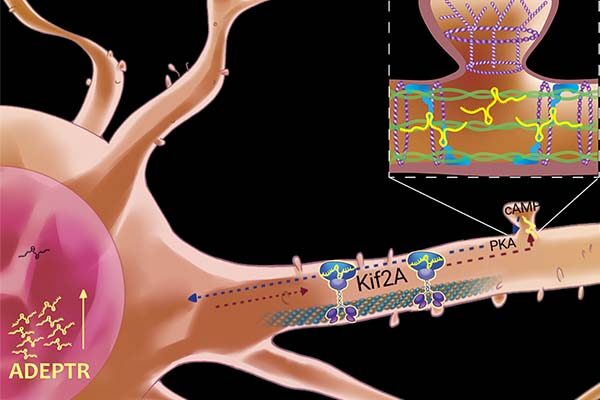
    Making memories: Neural plasticity depends on a noncoding RNA’s journey from nucleus to synapse

    To create memories, the brain constantly adapts to new information and stores memories by building connections among neurons.

  • Study reveals how some antibodies can broadly neutralize ebolaviruses
    News

    Study reveals how some antibodies can broadly neutralize ebolaviruses

    Results are an important step in the development of a broader-acting treatment for Ebola and related viruses.

  • Autism gene study finds widespread impact to brain’s growth signaling network
    News

    Autism gene study finds widespread impact to brain’s growth signaling network

    A genetic mutation linked to autism causes significant undergrowth of brain tissue. An existing medicine appears to rescue the condition in mouse studies.

    Neuroscience Page Damon
  • Crohn’s disease may develop from warped immune cell signaling during bile acid exposure
    News

    Crohn’s disease may develop from warped immune cell signaling during bile acid exposure

    Study reveals how T cells in the small intestine respond to bile acids, offering localized treatment direction for a cause of chronic illness.

  • Scientific detective work reveals important clues in case of rare Ebola relapse in Central Africa
    News

    Scientific detective work reveals important clues in case of rare Ebola relapse in Central Africa

    An international team, including scientists from Scripps Research, helped find answers after a man became sick for a second time with Ebola and sparked a transmission chain of more than 90 cases.

  • Scripps Research mourns the loss of board member and global health leader John C. Martin
    News

    Scripps Research mourns the loss of board member and global health leader John C. Martin

    Martin, former CEO and executive chairman of Gilead Sciences, made pivotal impacts on global public health over the course of an impressive career spanning science and business.

  • Newly discovered node in the brain could help scientists understand dysfunctional social behavior
    News

    Newly discovered node in the brain could help scientists understand dysfunctional social behavior

    The findings may lead to a better understanding of social disorders such as autism or depression.

  • B.1.1.7 variant of COVID-19 virus spreading rapidly in United States
    News

    B.1.1.7 variant of COVID-19 virus spreading rapidly in United States

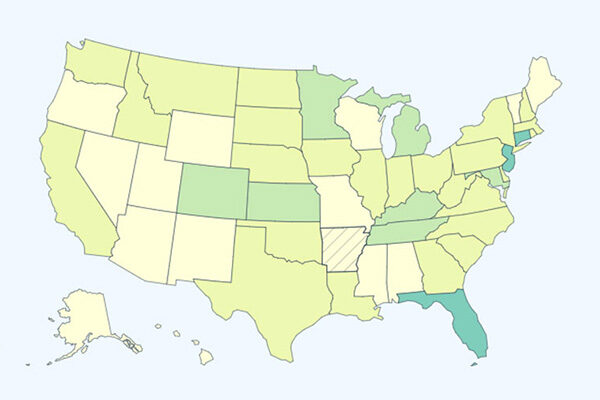
    A genetic analysis of virus samples suggests that the UK-originating variant, which is 40-50 percent more transmissible, entered the country in late November 2020.

  • Experimental COVID-19 vaccine appears to work well against variants of concern
    News

    Experimental COVID-19 vaccine appears to work well against variants of concern

    Results from studies in mice suggest the protein-based vaccine could potentially serve as a booster shot to cover emerging COVID-19 variants.

Groundbreaking Science.
Life-changing Medicine.