Scripps Research Translational Institute welcomes Jay Pandit as director of digital medicine
June 2, 2021

A practicing cardiologist, Dr. Jay Pandit is focused on creating better, noninvasive methods such as sensor technologies to capture rich patient data in more natural settings, ultimately enabling a higher standard of individualized care.
LA JOLLA, CA—Jay Pandit, MD, a leading digital health and clinical innovation expert, has been appointed director of digital medicine at the Scripps Research Translational Institute (SRTI) and an assistant professor of molecular medicine at Scripps Research. The appointment comes at a time of continued growth for the digital medicine group, which specializes in validating digital health technologies and applying artificial intelligence to medicine and life science.
SRTI is one of the world’s leading academic institutes in the burgeoning field of digital medicine. Pioneers of the “site-less” digital clinical trial, its scientists are re-engineering the clinical trial experience and leveraging digital technologies such as wearable sensor devices, smartwatches and mobile apps to gather multi-dimensional, real-time data.
Pandit will provide medical oversight for research programs under the recently launched Scripps Research Digital Trials Center, as well as providing input for the All of Us Research Program, a nationwide effort led by the National Institute of Health (NIH) to engage one million people from the United States in building one of the most diverse health databases in history. As part of this consortium, SRTI is integrating digital health technologies into the program, as well as managing the enrollment and retention of participant volunteers.
Pandit will also lead digital medicine research efforts for the Scripps Research “hub” of the Clinical and Translational Science Awards (CTSA) program. The CTSA program is a national network of academic medical research institutions that work together to improve the translational research process of turning findings from basic science into effective interventions that improve human health.
“Jay brings a wealth of experience in leading clinical research, as well as in-depth knowledge of the clinical application of medical devices and sensors,” says Eric Topol, MD, founder and director of SRTI and professor of molecular medicine at Scripps Research. “We’re delighted to have him join our team and further bolster our efforts to usher in a new era of individualized medicine.”
A practicing cardiologist, Pandit is focused on creating better, noninvasive methods such as sensor technologies to capture rich patient data in more natural settings, ultimately enabling a higher standard of individualized care. Through this, he seeks to change the paradigm of relying on limited “snapshots” of data from patients to make clinical decisions. Notably, Pandit pioneered and validated a novel cuffless approach for continuous blood pressure monitoring and is currently working on wearable biometric sensors for detecting and managing chronic diseases.
“Anyone working in the fields of digital medicine and clinical research knows of Dr. Topol and the path-breaking studies his group at SRTI has conducted over the years,” says Pandit. “I’m very much looking forward to working alongside the exceptional scientists and trial coordinators at Scripps Research and continuing to deliver impactful contributions to the field of digital medicine.”
Pandit earned his medical degree from University of California San Francisco and his bachelor’s degree in biology and a minor in social anthropology from Stanford University. He completed his cardiovascular training at Northwestern University’s Feinberg School of Medicine.
Pandit will initially divide his time between Scripps Research, Northwestern University Feinberg School of Medicine and Northwestern Medicine, where he serves as an assistant professor of medicine and regional clinical trials director of the Bluhm Cardiovascular Institute. He will transition fully to Scripps Research in January 2022.





Jay Pandit: How biosensors are enabling a new era in medicine
Dr. Jay Pandit is a senior director of digital medicine at the Scripps Research Translational Institute and an assistant professor in the Department of Translational Medicine at Scripps Research, where he combines medicine and technology to improve patients’ clinical outcomes. Listen in as we explore how biosensors and wearable technologies are enabling users to take control of their own health data and usher in a new era of personalized medicine.
Medicine tailored to you: A century of science changing life
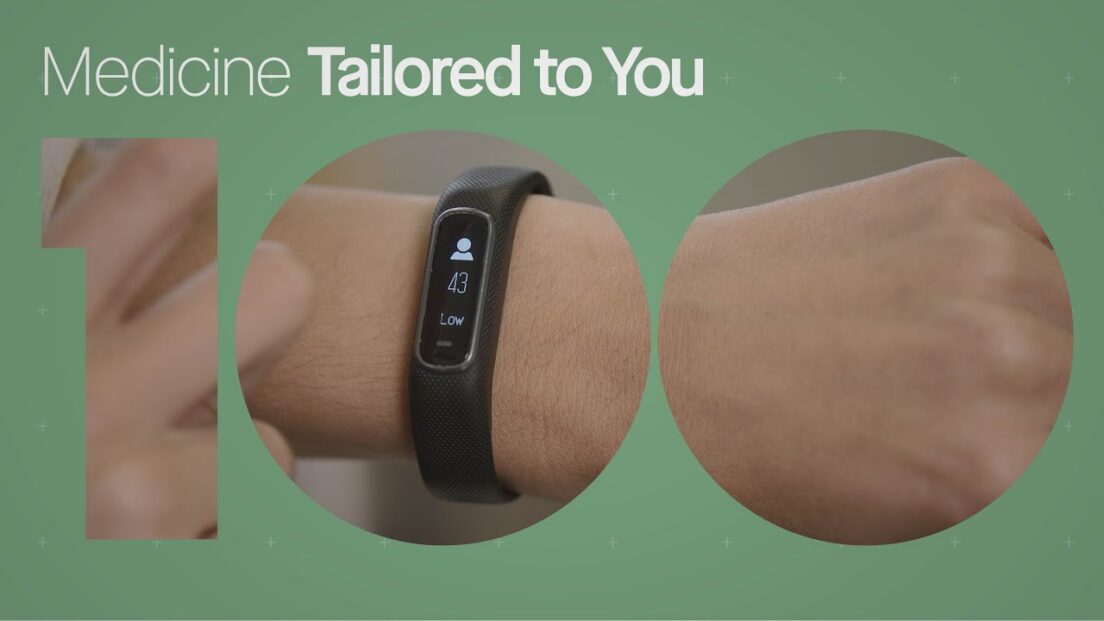
Every patient is unique, and scientists at the Scripps Research Translational Institute (SRTI) believe medicine should reflect this. Physician-scientist Professor Eric Topol founded SRTI in 2007 with a mission to individualize healthcare across the country, leveraging advancements in human genomics, wireless digital technologies, and artificial intelligence. SRTI is made up of leading scientists and clinical investigators who collaborate to understand the specific genetic, behavioral and lifestyle factors that contribute to human health and ultimately help transform them.
The digital medicine revolution
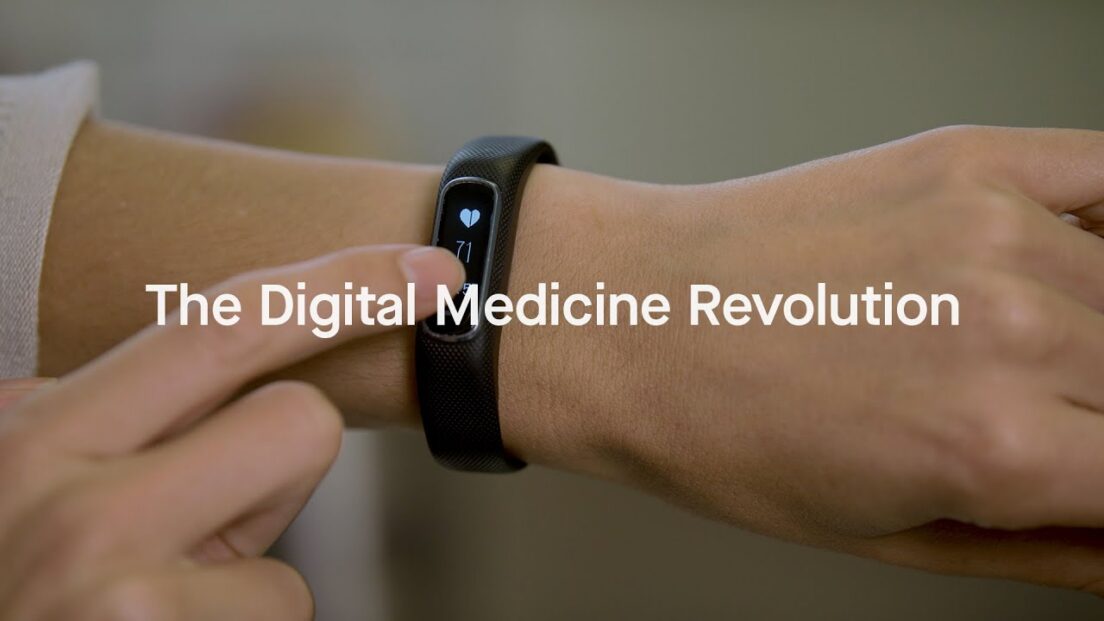
From smartwatches and fitness bands to glucose monitors and in-home ultrasounds, the proliferation of digital devices is igniting a revolution in healthcare and medical research. Patients can now collect thousands of data points about themselves and share that information with their healthcare providers. At the Scripps Research Translational Institute, researchers are taking advantage of new technology to study disease in novel ways. Their projects include a platform for early detection of disease outbreaks, a sleep quality study, and even a way to predict and individual’s risk of certain disease based on their genetics. In this video, hear directly from the team about this exciting new frontier.