News

Where hypotheses become headlines: Featured coverage of the breakthroughs—and the people—driving our research forward

For media inquiries, email us: [email protected]

Featured News
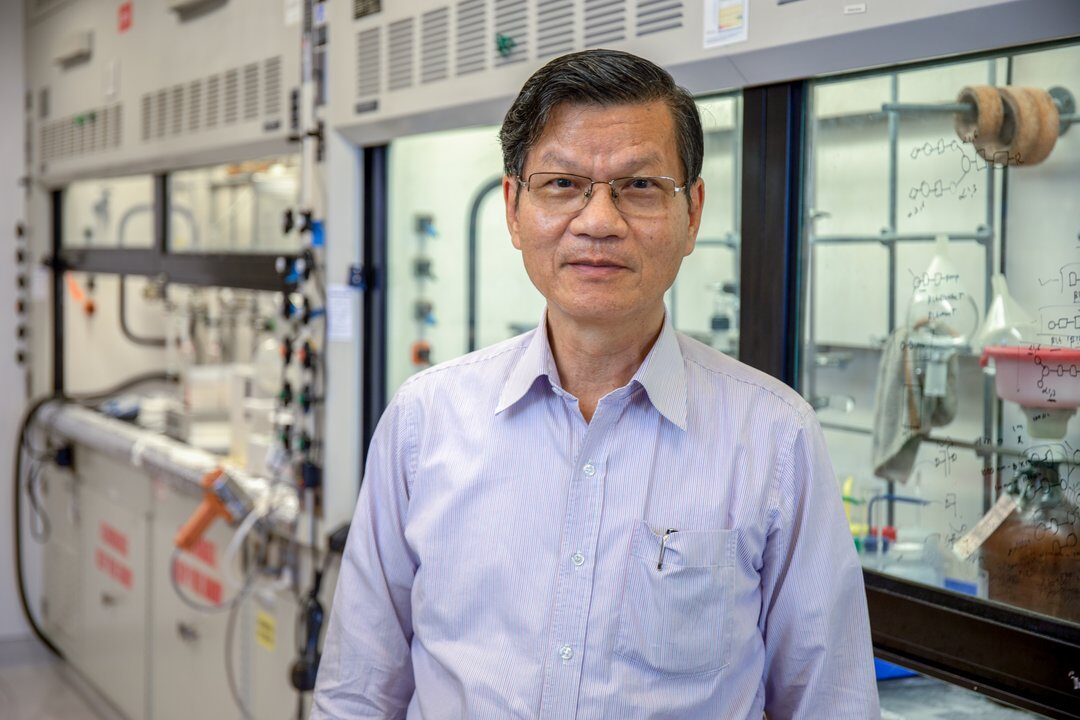
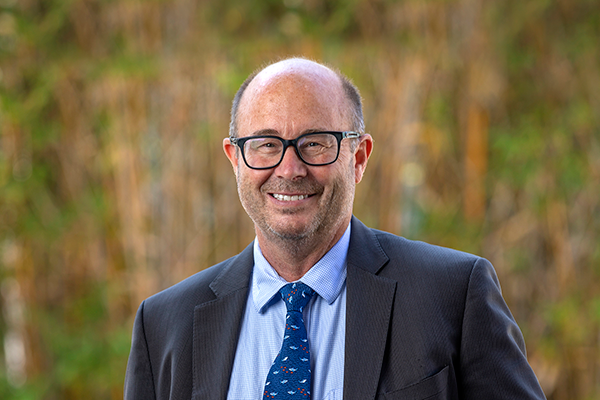
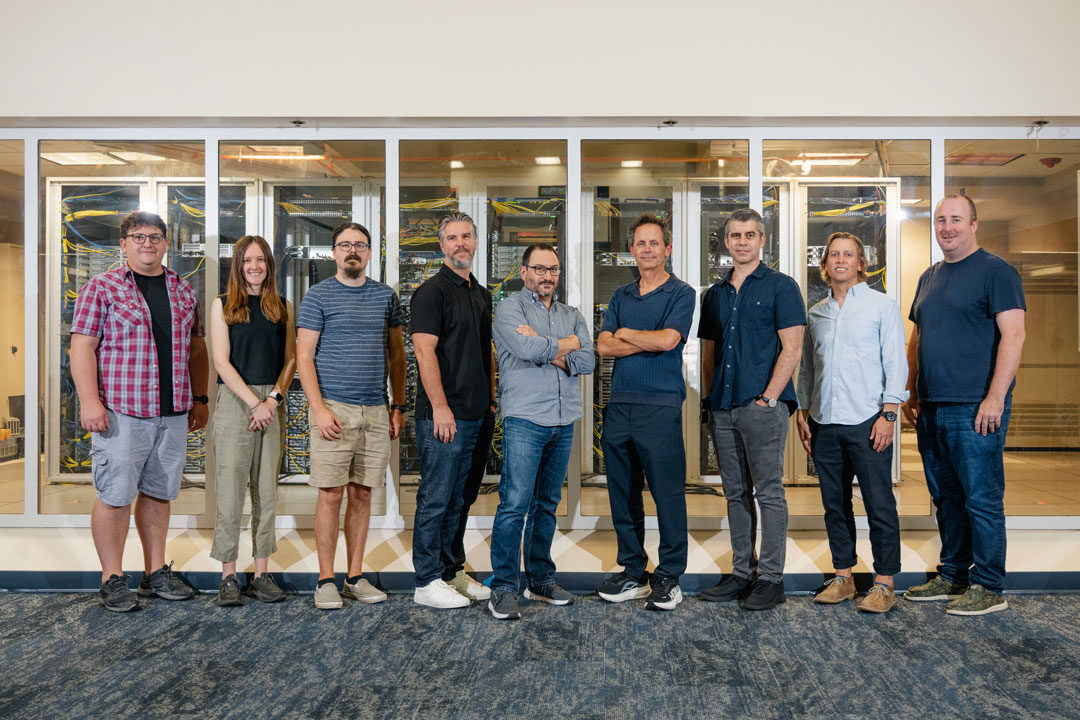
Chi-Huey Wong.
News

Scripps Research professor Chi-Huey Wong to receive ACS Alfred Bader Award

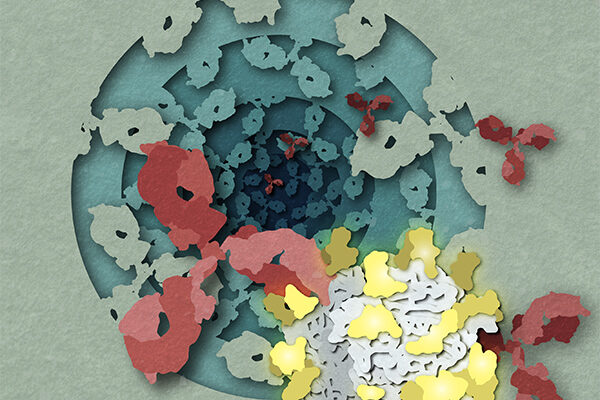
Dissociation of the four-part TTR protein. The energy landscape shows stable states toward the bottom and unstable transition states toward the top. In the canonical pathway (red), the tetramer (T) dissociates via a native-like, compact transition state (‡1) into transient dimer intermediates (D) before full dissociation into monomers (M). In the newly discovered alternative pathway (blue), the tetramer dissociates through a more expanded transition state (‡2) directly into monomers. Credit: Jan-Hannes Schäfer, Scripps Research
News

Scientists discover a new way that a disease-linked protein comes apart

Filter by:
  • Scripps Research neuroscientist Hollis Cline elected to American Academy of Arts and Sciences
    News

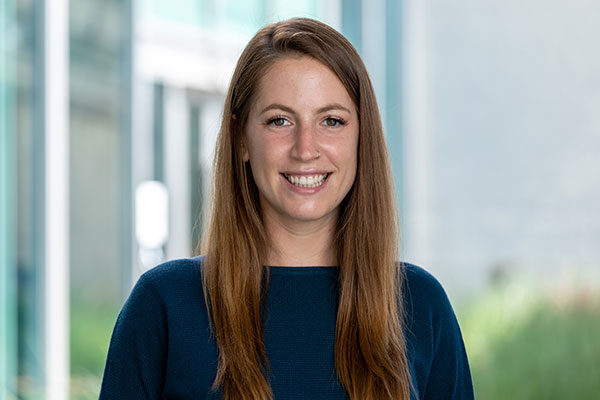
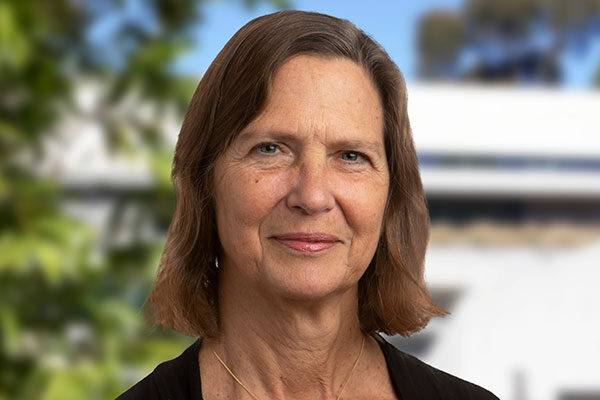
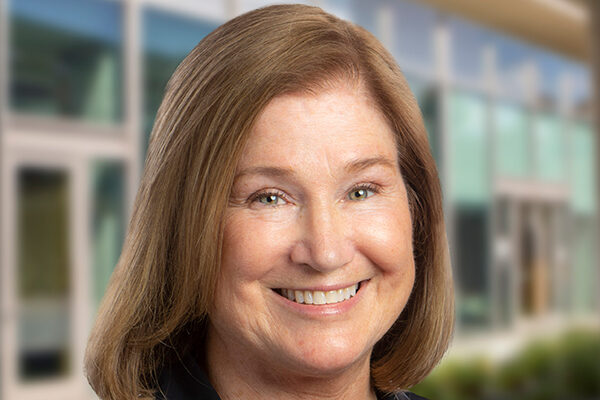
    Scripps Research neuroscientist Hollis Cline elected to American Academy of Arts and Sciences

    Cline is recognized for her discoveries about the role of sensory experience in brain development.

  • A better route to benzocyclobutenes, sought-after building blocks for drugs
    News

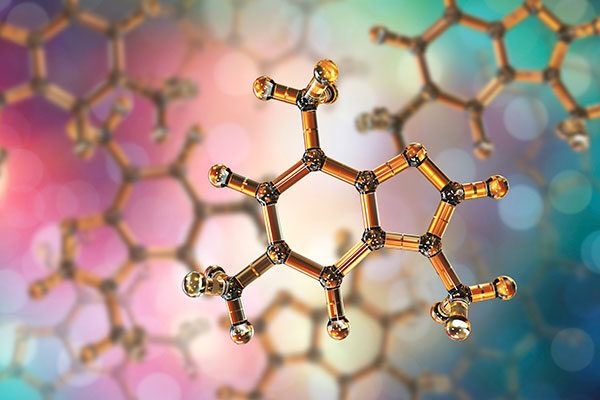
    A better route to benzocyclobutenes, sought-after building blocks for drugs

    Scripps Research chemists devise a new, C-H activation-based method for the synthesis of BCBs.

  • Yuzhong Liu joins Scripps Research faculty to develop improved vaccines and medicines using synthetic biology
    News

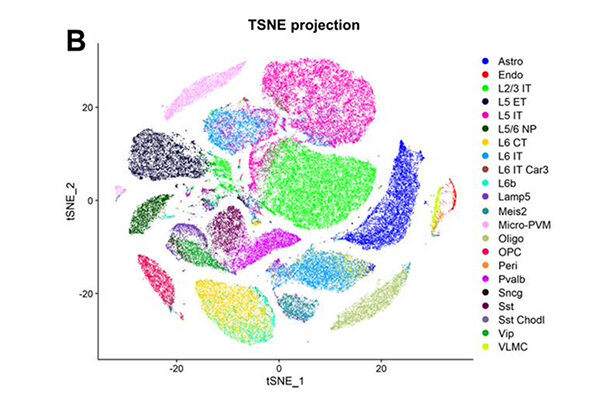
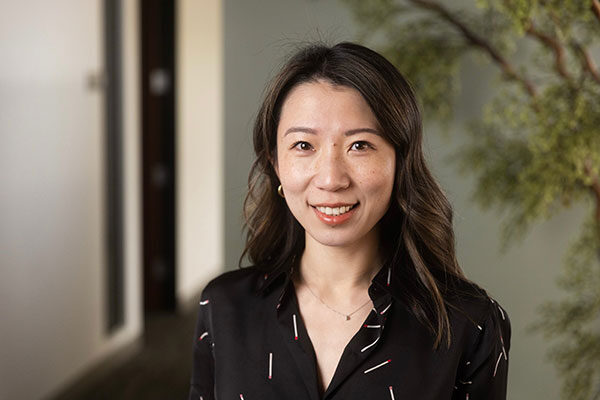
    Yuzhong Liu joins Scripps Research faculty to develop improved vaccines and medicines using synthetic biology

    Liu’s research focuses on the biosynthesis of complex natural products in engineered microbes to harness, alter, or augment their innate bioactivities in the context of drug discovery.

  • Renowned Scripps Research professor Jeffery Kelly elected to National Academy of Sciences
    News

    Renowned Scripps Research professor Jeffery Kelly elected to National Academy of Sciences

    Kelly’s groundbreaking work on protein misfolding has led to therapies for neurodegenerative and cardiovascular diseases.

  • “Mirror-image” molecules pave new path for cancer drug discovery
    News

    “Mirror-image” molecules pave new path for cancer drug discovery

    By comparing how mirror image versions of small molecules impact clusters of proteins, Scripps Research scientists can identify potential new drug targets.

  • Scripps Research preclinical study finds insomnia drug blocks oxycodone relapse
    News

    Scripps Research preclinical study finds insomnia drug blocks oxycodone relapse

    Study tested suvorexant (Belsomra®) for its ability to reduce drug-taking and block relapse.

  • How alcohol consumption contributes to chronic pain
    News

    How alcohol consumption contributes to chronic pain

    A Scripps Research team showed how both alcohol intake and alcohol withdrawal can lead to increased pain and hypersensitivity.

  • Xin Jin receives dual awards to study autism risk genes in neurodevelopment
    News

    Xin Jin receives dual awards to study autism risk genes in neurodevelopment

    Major grants from the National Institutes of Health and California Institute for Regenerative Medicine will support the development of state-of-the-art genomic tools.

  • Trim the sugar: New HIV vaccine design improves immune response
    News

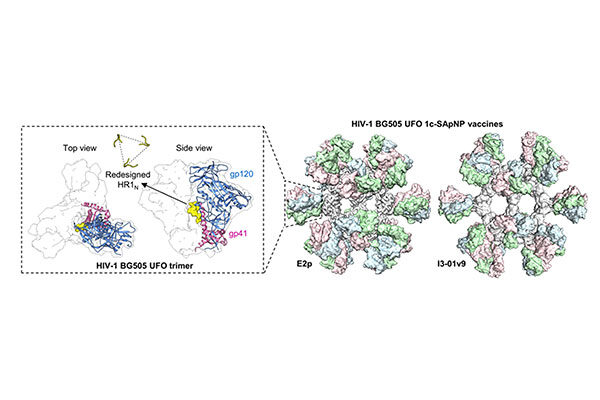
    Trim the sugar: New HIV vaccine design improves immune response

    Scripps Research vaccine candidate headed for clinical trials.

  • Therapeutic can seek and destroy potent opioid to treat overdoses
    News

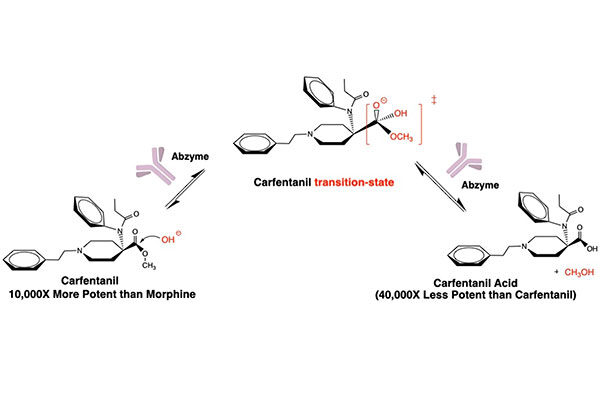
    Therapeutic can seek and destroy potent opioid to treat overdoses

    Scripps Research chemists developed a new biologic to work against the synthetic opioid carfentanil, which is 100 times more potent than fentanyl.

  • Where did the first sugars come from?
    News

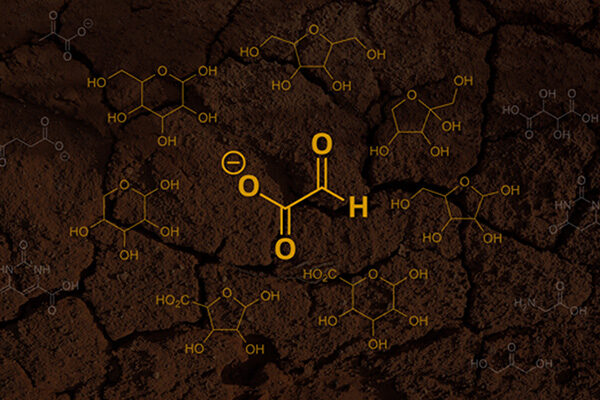
    Where did the first sugars come from?

    Origin-of-life chemists from Scripps Research and the Georgia Institute of Technology propose that glyoxylate could have been the original source of sugars on the “prebiotic” Earth.

  • Scripps Research scientists granted up to $12.8M to study viral infections
    News

    Scripps Research scientists granted up to $12.8M to study viral infections

    Grant renewal from the NIH-NIAID will help uncover critical information about the viruses that cause COVID-19, Lassa and Ebola, including how they evolve.  

  • Leading minds on COVID-19 come together for pandemic preparedness symposium, hosted by Scripps Research
    News

    Leading minds on COVID-19 come together for pandemic preparedness symposium, hosted by Scripps Research

    Symposium marks public launch of Center for Antiviral Medicines & Pandemic Preparedness (CAMPP)  to develop new antiviral therapies in preparation for future pandemics.

  • How heavy alcohol consumption increases brain inflammation
    News

    How heavy alcohol consumption increases brain inflammation

    The findings by a Scripps Research team point toward a potential new drug target for treating alcohol use disorder.  

  • “COVID rebound” is common, even in untreated patients
    News

    “COVID rebound” is common, even in untreated patients

    Preliminary results from a Scripps Research and eMed digital medicine study show an unexpectedly high proportion of COVID-19 rebound cases in untreated people, as well as those treated with Paxlovid.

  • Scientists find human antibodies that can block multiple coronaviruses including SARS-CoV-2
    News

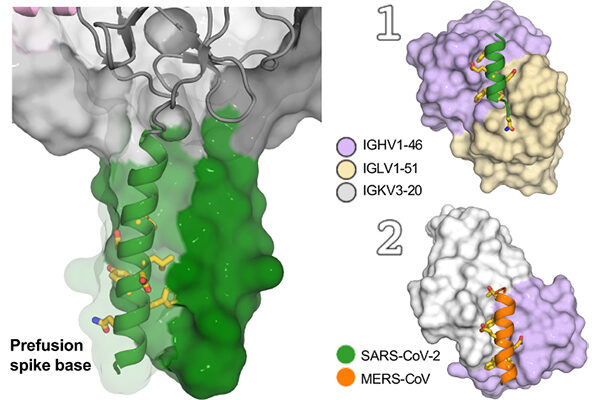
    Scientists find human antibodies that can block multiple coronaviruses including SARS-CoV-2

    Results from a Scripps Research and UNC team pave the way for a vaccine and therapeutic antibodies that could be stockpiled to fight future coronavirus pandemics.

  • $10 million grant funds Scripps Research Alcohol Research Center through its 50th year
    News

    $10 million grant funds Scripps Research Alcohol Research Center through its 50th year

    The five-year grant supports research into the neurobiology of alcohol use disorder.

  • Immune system drug shows promise in treating alcohol use disorder, a Scripps Research clinical trial reports
    News

    Immune system drug shows promise in treating alcohol use disorder, a Scripps Research clinical trial reports

    Scientists at Scripps Research found that apremilast (Otezla®) can reduce alcohol intake by more than half in people with severe alcohol use disorder.

  • Two new papers demonstrate use of Outbreak.info as one-stop online source for COVID data
    News

    Two new papers demonstrate use of Outbreak.info as one-stop online source for COVID data

    Scripps Research scientists highlight the need for continued monitoring of SARS-CoV-2 and potential variants of concern. 

  • Chemically “poisoned” protein acts as a molecular switch to spur cancer formation
    News

    Chemically “poisoned” protein acts as a molecular switch to spur cancer formation

    The discovery triggered development of a new potential drug to eliminate tumor formation.

  • Calibr and Bill & Melinda Gates Medical Research Institute announce licensing agreement for novel candidate tuberculosis treatment compound
    News

    Calibr and Bill & Melinda Gates Medical Research Institute announce licensing agreement for novel candidate tuberculosis treatment compound

    Calibr transitions investigational compound CLB073 to Gates MRI to advance development.

  • Scripps Research scientists develop new technique for studying mitochondria
    News

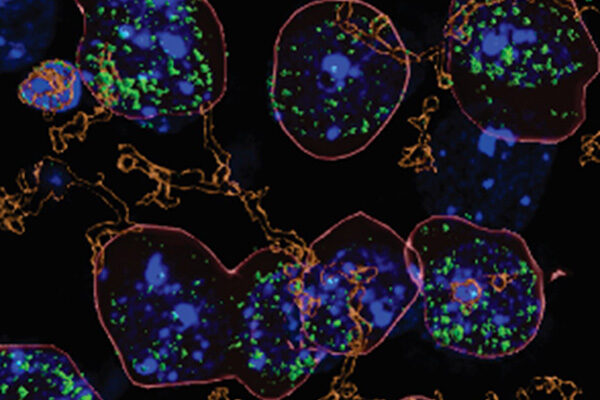
    Scripps Research scientists develop new technique for studying mitochondria

    Advance offers a new way of investigating diseases—including Alzheimer’s, Parkinson’s and different cancers—where mitochondria are disrupted.

  • Scripps Research Professor Jeffery Kelly awarded 2023 Wolf Prize in Chemistry
    News

    Scripps Research Professor Jeffery Kelly awarded 2023 Wolf Prize in Chemistry

    Kelly receives the prestigious award for his seminal discoveries in protein-folding mechanics, including developing therapies for severe neurodegenerative and cardiovascular diseases.

  • Experimental anti-depression drug may also be useful in treating alcohol use disorder
    News

    Experimental anti-depression drug may also be useful in treating alcohol use disorder

    Investigational, clinical-stage antidepressant MAP4343 shown to reduce alcohol intake in a mouse model of alcoholism.

Groundbreaking Science.
Life-changing Medicine.