Renowned Scripps Research professor Jeffery Kelly elected to National Academy of Sciences
May 8, 2023
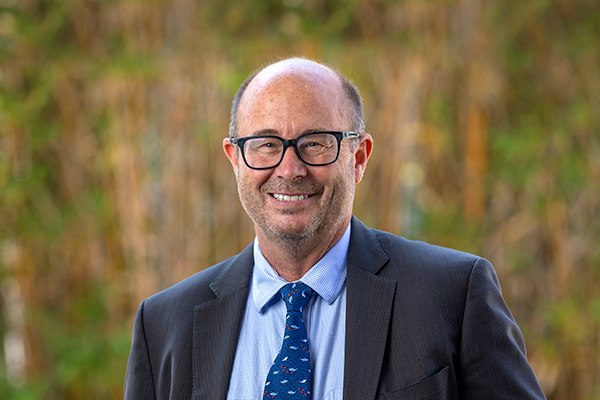
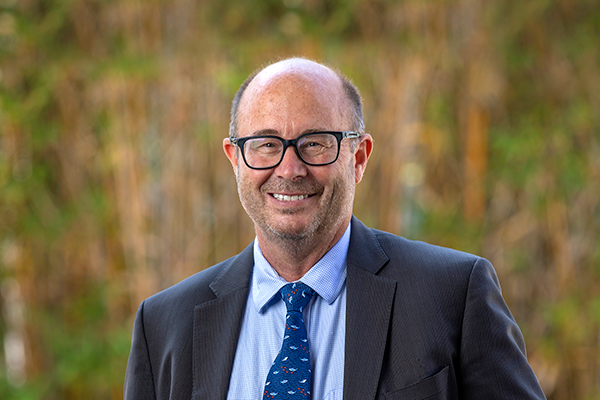
LA JOLLA, CA—Jeffery Kelly, PhD, the Lita Annenberg Hazen Professor of Chemistry at Scripps Research, has been elected to the National Academy of Sciences for his work on understanding protein shapes and controlling the ensemble of shapes with small molecules in order to develop therapeutic strategies for a range of devastating diseases. The academy awards membership in recognition of “distinguished and continuing achievements in original research.”
The election of Kelly brings the total number of memberships held by Scripps Research faculty in the National Academies of Sciences, Medicine and Engineering to 31.
“This well-deserved honor is in recognition of Jeff’s groundbreaking research in protein folding, misfolding, and aggregation,” say Scripps Research President and CEO Peter Schultz, PhD. “His work has opened new avenues for therapeutic intervention in protein-folding diseases.”
By unraveling the mechanisms by which protein misassembly-associated toxicity leads to diseases of the heart and brain, Kelly is at the forefront of designing and developing molecules that stabilize proteins, leading to much-needed new medications.
His research has resulted in a variety of treatments, including the FDA-approved drug tafamidis (Vyndaqel® and Vyndamax®): a treatment that slows the progression of familial amyloid polyneuropathy (a neurodegenerative disease), and familial and sporadic TTR cardiomyopathy disease (a condition that ultimately causes heart failure).
His work also holds promise for Alzheimer’s disease, in which patients often have abnormal protein assemblies called beta-amyloid plaques in the brain.
For this groundbreaking research, Kelly recently won the prestigious Wolf Prize in Chemistry in February, and the Breakthrough Prize in Life Sciences last September. He is also the recipient of the 2019 E.B. Hershberg Award for Important Discoveries in Medicinally Active Substances, and the 2016 Jacob and Louise Gabbay Award in Biotechnology and Medicine.
Kelly earned his PhD in organic chemistry at the University of North Carolina before doing his postdoctoral work at Rockefeller University. He joined Scripps Research in 1997 and served as dean of the Skaggs Graduate School of Chemical and Biological Sciences from 2000 to 2008.
The National Academy of Sciences is a private, nonprofit institution that was established under a congressional charter signed by President Abraham Lincoln in 1863. It recognizes achievement in science by election to membership, and—with the National Academy of Engineering and the National Academy of Medicine—provides science, engineering and health policy advice to the federal government and other organizations.
To view a full list of members elected in 2022, visit the National Academy of Sciences website.
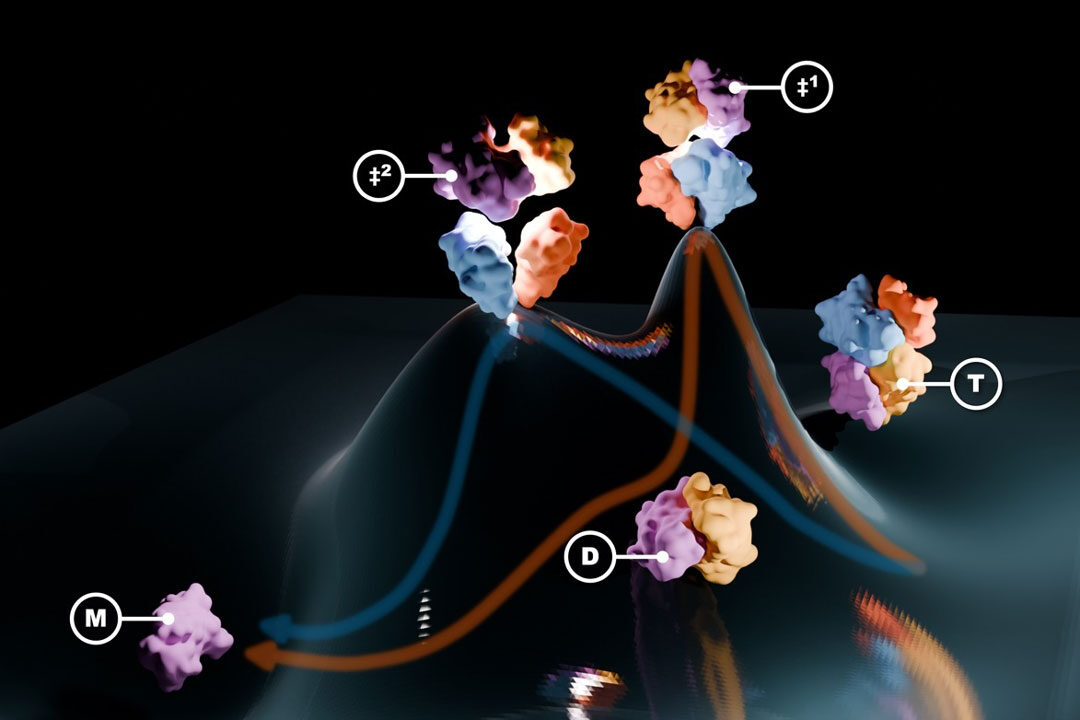


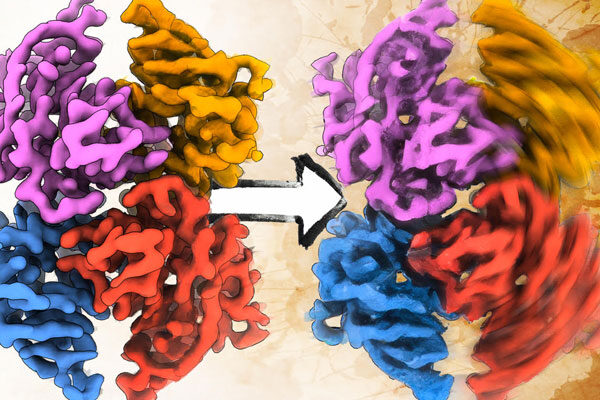

Fixing the misfolded proteins that cause dementia and heart failure
All proteins have a correct way of “folding” themselves into their 3D structures. When this folding process goes awry, including processes leading to protein misassembly, a number of devastating diseases can result. In this Front Row lecture, Scripps Research professor Jeffery Kelly shared how he's developing novel therapeutic strategies to target these protein misfolding diseases, which lead to deterioration of the heart and brain. His multi-disciplinary research has already led to the development of an FDA-approved drug available in the pharmacy called tafamidis (Vyndaqel® and Vyndamax®): a medicine that slows the progression of the neurodegenerative disease familial amyloid polyneuropathy and the degenerative heart disease called TTR cardiomyopathy.
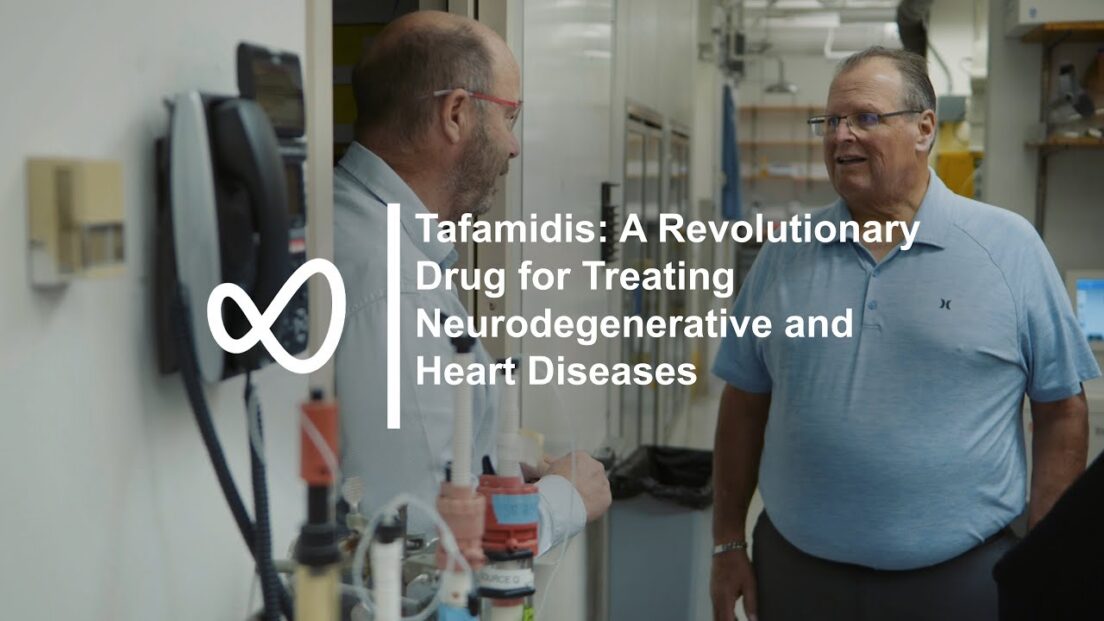
Tafamidis: A revolutionary drug for treating neurodegenerative and heart diseases
Scripps Research professor Jeffery Kelly received an unexpected visit from a patient whose life was dramatically improved by tafamidis—a revolutionary drug for treating neurodegenerative and heart diseases, developed by Kelly himself. Kelly is a leading figure at Scripps Research, spearheading efforts to address some of the most pressing medical challenges, including Alzheimer’s and various amyloid diseases. His cutting-edge research on protein misfolding has not only led to the development of tafamidis but has also broadened our understanding of protein aggregation disorders.

Front Row spotlight with Jeffery Kelly
Scripps Research professor Jeffery Kelly received an unexpected visit from a patient whose life was dramatically improved by tafamidis—a revolutionary drug for treating neurodegenerative and heart diseases, developed by Kelly himself. Kelly is a leading figure at Scripps Research, spearheading efforts to address some of the most pressing medical challenges, including Alzheimer’s and various amyloid diseases. His cutting-edge research on protein misfolding has not only led to the development of tafamidis but has also broadened our understanding of protein aggregation disorders.
An engine for new medicines: A century of science changing life
Calibr, a nonprofit research institute founded by Scripps Research President and CEO Pete Schultz, joined Scripps Research in 2018 as its drug discovery division. As a world-class nonprofit “bench to bedside” drug discovery engine, Calibr delivers groundbreaking solutions to unmet medical needs by uniting the creativity of fundamental discovery with highly focused R&D capabilities and expertise.