News

Where hypotheses become headlines: Featured coverage of the breakthroughs—and the people—driving our research forward

For media inquiries, email us: [email protected]

Featured News
Greg Tabor
News

Paying It Forward: Greg Tabor on Giving Back to the Next Generation

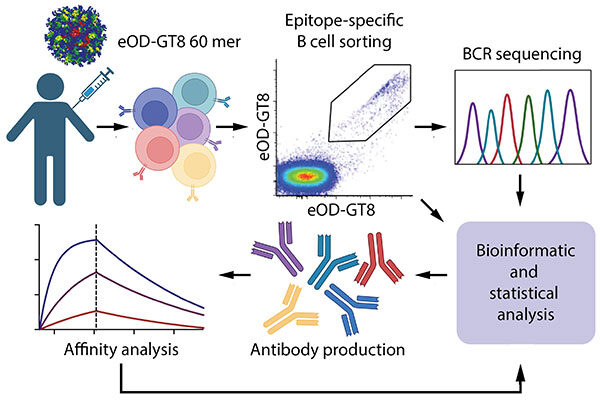
New research offers fresh insights for how to make better vaccines
News

New research offers fresh insights for how to make better vaccines

Filter by:
  • Scientists reveal encouraging findings in first-in-human clinical trial evaluating HIV vaccine approach
    News

    Scientists reveal encouraging findings in first-in-human clinical trial evaluating HIV vaccine approach

    Scripps Research, IAVI, Fred Hutch, VRC and other collaborators publish study data in Science, helping validate novel vaccination strategy.

  • Nanotech strategy shows promise for treating autoimmune disease
    News

    Nanotech strategy shows promise for treating autoimmune disease

    In a Scripps Research study, a nanoparticle treatment ‘cured’ mice that had a genetic arthritis condition.

  • Can pharmacotherapies prevent alcohol use disorder in people with PTSD?
    News

    Can pharmacotherapies prevent alcohol use disorder in people with PTSD?

    A Scripps Research team showed how drugs can reduce alcohol preference in animal models of post-traumatic stress disorder.

  • Thirteen Scripps Research scientists featured on global list of most highly cited researchers
    News

    Thirteen Scripps Research scientists featured on global list of most highly cited researchers

    Thirteen scientists were named to Clarivate’s Highly Cited Researchers list: a methodology for identifying the most influential researchers from around the world.  

  • Person holding their wrist.
    News

    Picking the fastest progressing patients to speed Parkinson’s disease clinical trials

    A Scripps Research team developed a new tool that can predict how Parkinson’s disease patients will fare over the course of a year based on their genetics, brain scans and physical examinations. 

  • Discovery by Scripps Research scientists boosts the potential of new cancer-fighting drugs
    News

    Discovery by Scripps Research scientists boosts the potential of new cancer-fighting drugs

    Finding uncovers a key property needed for CELMoD drugs, a type of protein degrader, to work effectively.

  • Scripps Research receives $5.2M award to establish computer-aided drug discovery national resource
    News

    Scripps Research receives $5.2M award to establish computer-aided drug discovery national resource

    The five-year grant will support the development and distribution of innovative computational tools for advanced drug discovery.

  • Antibody blunts heroin’s lethality, paving the way for a promising new therapy
    News

    Antibody blunts heroin’s lethality, paving the way for a promising new therapy

    Scripps Research findings unexpectedly show that heroin, not its metabolites, is the best therapeutic target.

  • Scripps Research awarded NIH grant to enhance biosafety level 3 facility to address viruses of pandemic concern
    News

    Scripps Research awarded NIH grant to enhance biosafety level 3 facility to address viruses of pandemic concern

    The $3.8 million award will expand the institute’s research programs aimed at identifying therapeutics for various RNA viruses.

  • Scripps Research scientists map key protein structure of Hepatitis C virus
    News

    Scripps Research scientists map key protein structure of Hepatitis C virus

    Discovery points the way toward an effective HCV vaccine.

  • New tool reveals what happens in the brain when we learn
    News

    New tool reveals what happens in the brain when we learn

    A Scripps Research team measured how levels of various proteins in brain cells change in response to brain activity.

  • Drug discovery method identifies naturally occurring metabolite that converts ‘bad’ fat to ‘good’ fat
    News

    Drug discovery method identifies naturally occurring metabolite that converts ‘bad’ fat to ‘good’ fat

    Scripps Research and Calibr scientists collaborate to uncover potential therapeutic avenues for metabolic diseases.

  • Scripps Research receives $2.5M CDC contract for SARS-CoV-2 surveillance program
    News

    Scripps Research receives $2.5M CDC contract for SARS-CoV-2 surveillance program

    Work will include fast analyses of virus transmission in the San Diego area and across the U.S.- Mexico border.

  • Scripps Research professor K. Barry Sharpless receives 2022 Nobel Prize in Chemistry
    News

    Scripps Research professor K. Barry Sharpless receives 2022 Nobel Prize in Chemistry

    Sharpless awarded his second Nobel Prize in Chemistry–one of only two chemists to ever receive such an honor.

  • ‘Scavenger’ cells in the nervous system linked to rare genetic disease
    News

    ‘Scavenger’ cells in the nervous system linked to rare genetic disease

    Calibr, the drug development arm of Scripps Research, and other collaborators find microglia play a critical role in SMA disease progression.

  • Scientists design and validate promising HIV vaccine strategy
    News

    Scientists design and validate promising HIV vaccine strategy

    Two studies from Scripps Research and collaborators combine bioinformatics and other techniques to develop new vaccine candidates against HIV.

  • New drug has potential to turn COVID-19 virus against itself
    News

    New drug has potential to turn COVID-19 virus against itself

    Scripps Research team showed that a variation of an already FDA-approved therapeutic for neurological disease can block COVID-19 infection in animals.

  • The surprising link between circadian disruption and cancer may have to do with temperature
    News

    The surprising link between circadian disruption and cancer may have to do with temperature

    Scripps Research scientists pinpoint an unusual culprit in cancer: a family of genes that respond to temperature changes in the body.

  • Lassa virus endemic area may expand dramatically in coming decades
    News

    Lassa virus endemic area may expand dramatically in coming decades

    New analysis finds that climate change and other factors could soon make deadly Lassa fever a much bigger public health problem in Africa

  • Detecting the earliest population changes of COVID-19 activity with wearable devices
    News

    Detecting the earliest population changes of COVID-19 activity with wearable devices

    New data from Scripps Research shows how sensors can provide real-time COVID-19 tracking and forecasting

    COVID-19
  • Calibr reports promising results from first-in-human clinical trial of switchable CAR-T (CLBR001 + SWI019), a next-generation universal CAR-T platform designed to enhance the versatility and safety of cell therapies
    News

    Calibr reports promising results from first-in-human clinical trial of switchable CAR-T (CLBR001 + SWI019), a next-generation universal CAR-T platform designed to enhance the versatility and safety of cell therapies

    Calibr has announced encouraging preliminary data from the first nine subjects in a first-in-human Phase 1 clinical trial studying the first switchable CAR-T cell product (CLBR001 + SWI019) for patients with B cell malignancies.

    Calibr-Skaggs Travis Young
  • Scripps Research discovery suggests new strategy against harmful inflammation
    News

    Scripps Research discovery suggests new strategy against harmful inflammation

    Scientists identify WASH protein complex as a gatekeeper of neutrophil-driven inflammation

  • Raphael (Donghyun) Park joins Scripps Research Fellows Program to develop novel ways of addressing tuberculosis
    News

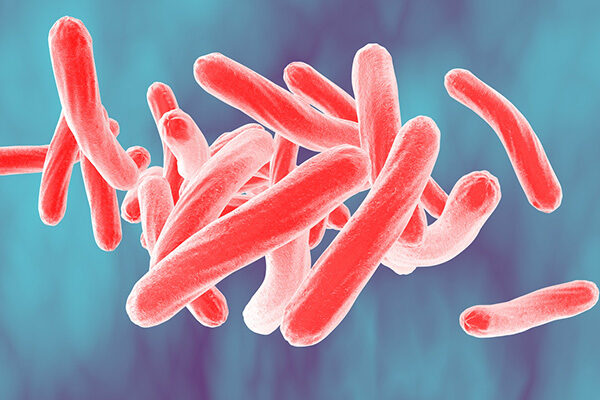
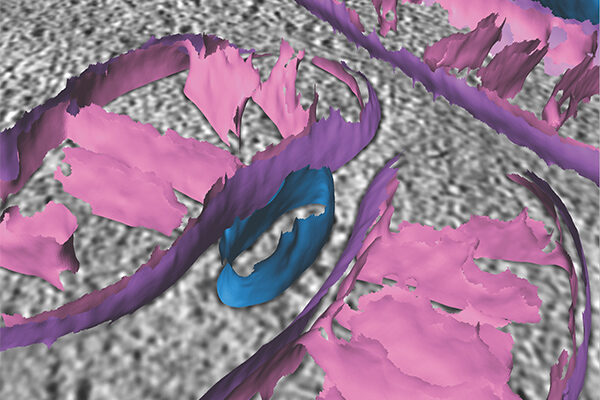
    Raphael (Donghyun) Park joins Scripps Research Fellows Program to develop novel ways of addressing tuberculosis

    Park’s expertise in high-resolution imaging will enable a detailed look at bacterial pathogenesis.

  • Scripps Research scientists eavesdrop on communication between fat and brain
    News

    Scripps Research scientists eavesdrop on communication between fat and brain

    Newly discovered sensory neurons send messages from fat tissue to the brain and could eventually be co-opted to treat obesity or metabolic disease.

Groundbreaking Science.
Life-changing Medicine.