Scripps Research scientists honored on Clarivate’s Highly Cited Researchers list
November 13, 2025

LA JOLLA, CA—Eleven scientists at Scripps Research were honored on Clarivate’s annual Highly Cited Researchers™ list for 2025. The annual list identifies researchers whose publications rank in the top 1 percent by citations for their field and publication year in the Web of Science Core Collection over the past eleven years. Highly Cited Researchers represent 1 in 1,000 of the world’s scientists and demonstrate significant influence in their disciplines.
“The Highly Cited Researchers list identifies and celebrates exceptional individual researchers at Scripps Research who demonstrate significant and broad influence in their fields,” says David Pendlebury, head of research analysis at the Institute for Scientific Information at Clarivate. “They exemplify excellence in their research as well as integrity in their publication and citation practices. These researchers continue to shape the future of science, technology and academia globally and deliver innovation that drives societal progress.”
Scripps Research scientists named in the 2025 list include:
Chemistry
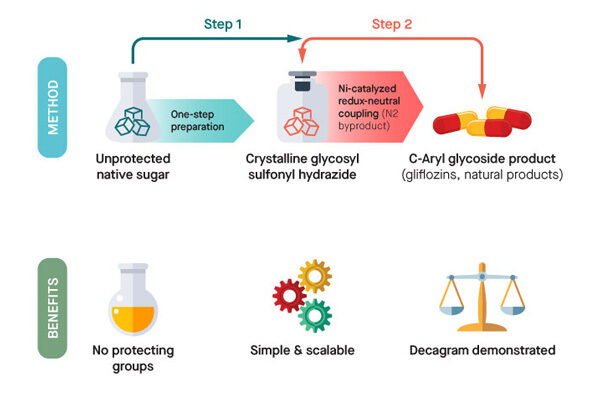
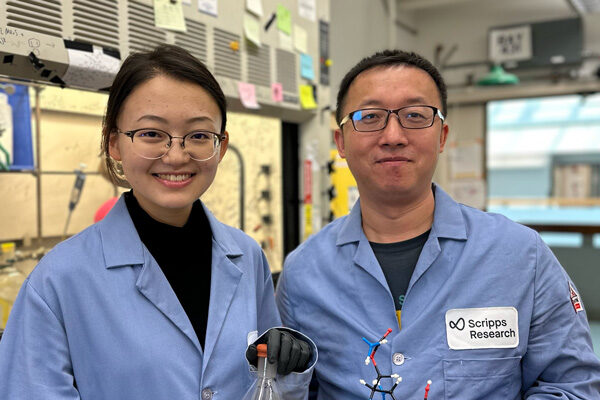
- Phil Baran, professor of Chemistry; and Dr. Richard A. Lerner Endowed Chair Baran develops methods to enable the scalable and sustainable synthesis of organic molecules through the invention of radical based methods and new strategies that can simplify access to small molecules, peptides and even oligonucleotides.
- Jin-Quan Yu, professor of Chemistry; and Bristol Myers Squibb Endowed Chair in Chemistry Yu has pioneered innovative chemical techniques with broad applications in drug discovery and materials science.
Microbiology
- Dennis Burton, professor of Immunology and Microbiology; and James & Jessie Minor Chair in Immunology Burton has contributed significantly to the development of vaccines for HIV and emerging pandemic viruses, including coronaviruses.
- Ian Wilson, professor of Integrative Structural and Computational Biology; and Hansen Professor of Structural Biology Wilson’s work centers on viral pathogens, vaccine development and structural imaging of the immune system—advancing our understanding of SARS-CoV-2, HIV-1, HCV and influenza virus.
- Andrew Ward, professor of Integrative Structural and Computational Biology Ward investigates pathogens through integrative structural biology techniques. His laboratory identified the first structure of a human coronavirus spike protein in 2016, which facilitated vaccine development for the COVID-19 pandemic.
Biology and biochemistry
- Stefano Forli, professor of Integrative Structural and Computational Biology Forli develops computational methods for structural biology and drug design to identify potential therapeutic targets.
Cross-field
- Ardem Patapoutian, professor of Neuroscience; and Presidential Endowed Chair in Neurobiology Patapoutian investigates protein sensors that enable humans to perceive various chemical and physical stimuli, including pain, temperature and pressure. His groundbreaking discovery of these sensors earned him the 2021 Nobel Prize in Medicine or Physiology.
- David Nemazee, professor emeritus of Immunology and Microbiology Nemazee examines immune response and tolerance. His research has significantly advanced vaccinology, including approaches to target HIV and influenza.
- Meng Yuan, institute investigator of Integrative Structural and Computational Biology Yuan’s work centers on immune recognition of microbial pathogens, antigen presentation and structure-guided design of vaccines and therapies.
- John Yates, professor of Integrative Structural and Computational Biology Yates developed the SEQUEST software and algorithm, which serves as a foundational tool in proteomics that has enhanced the precision and effectiveness of mass spectrometry.
- Darrell Irvine, professor and vice-chair of the Department of Immunology and Microbiology; and Lita Annenberg Hazen Chair Irvine integrates strategies across immunology, biotechnology and material chemistry to develop more effective vaccines for cancer and infectious disease immunotherapy.
Baran, Burton and Yu have all previously been recognized as a Highly Cited Researcher. This is Patapoutian’s and Yates’ eighth time appearing on the list. Wilson has been recognized annually since 2015.


Exploring the atomic World: A century of science changing life
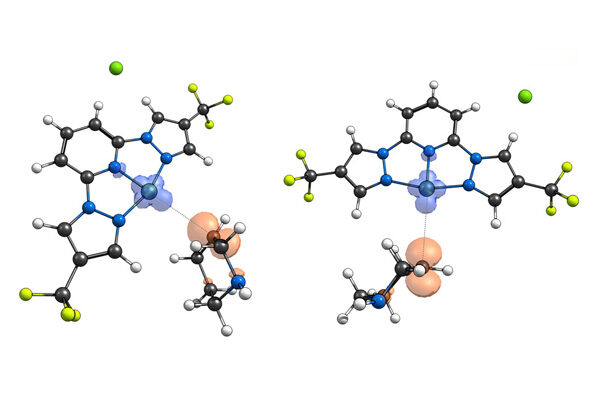
Chemistry is known as the “central science,” playing a fundamental role in enabling and integrating other scientific disciplines. Scripps Research is home to some of the world’s leading chemists, who advance our ability to design and produce molecules, develop life-changing therapies, and tackle global sustainability challenges. Former Scripps Research president Richard Lerner was integral to establishing the Institute as a world leader in chemistry and chemical biology. Serving as the institute’s leader from 1987 through 2012, Lerner believed chemistry and biology were inextricably linked, and studying these connections would unlock a new era in science and medicine.