Department of Translational Medicine
Translational medicine takes discoveries generated in laboratories and applies them to medical practice. We are advancing breakthroughs in science to promote human health at the individual level as well as across communities. We are developing novel preventative approaches, diagnostics and new medicines to counter disease and empowering individuals to better manage their health.

Our Research
The Department of Translational Medicine consists of a multidisciplinary group of scientists and clinicians including cardiologists, data scientists, neuroscientists and epidemiologists. We use cutting-edge bioinformatics, digital, genomic and molecular tools to gain insights into diseases and health conditions such as heart disease, diabetes, addiction, maternal health, infectious diseases and many more. We also train future translational science leaders who will continue to transform science and medicine for generations to come.
The department focuses on several scientific and disease areas, including:
- Site-less, digital, direct-to-participant clinical trials that are revolutionizing how and where clinical research is done
- Using artificial intelligence tools to optimize individualized prevention and treatment
- Deep phenotyping to better understand individual health
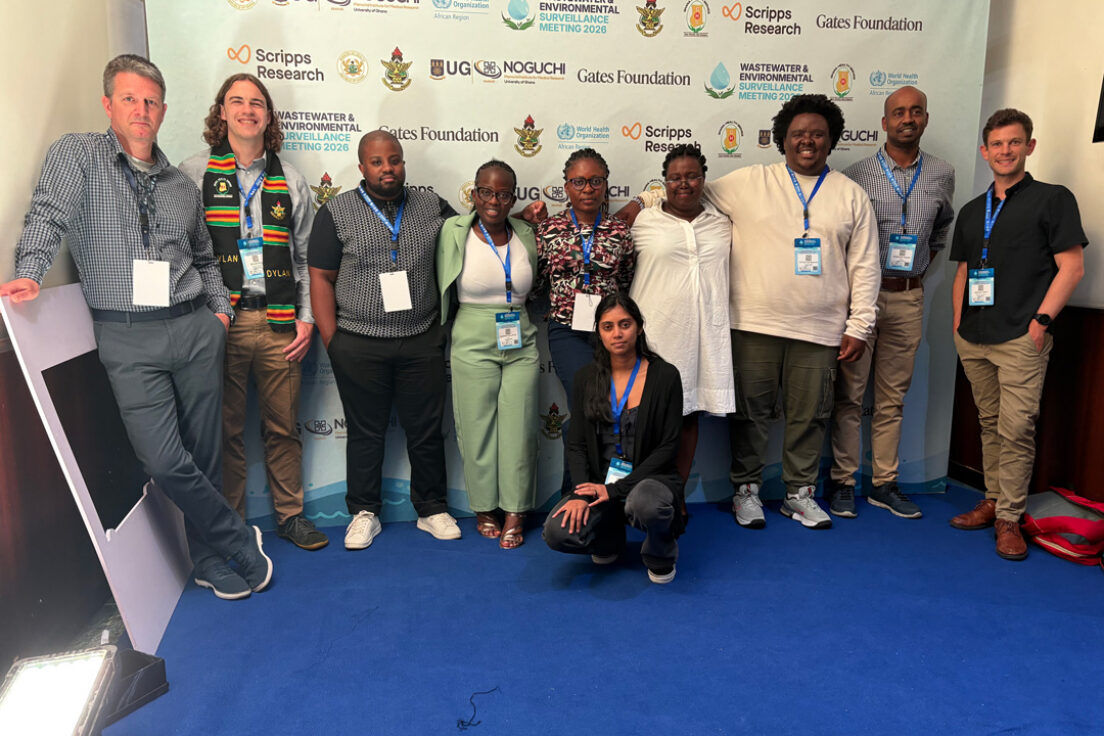
- Genomic epidemiology and digital medicine for viral disease surveillance
- Multidisciplinary approaches to discover new personalized therapies for alcoholism and other addictive disorders
Our Team




Major Achievements
First site-less clinical trial at Scripps Research marks new era in biomedical research
By enabling remote participation using wearable sensors and smartphone app-based research platforms, Eric Topol and his team of data scientists have developed a new participant-centric trial model. Studies to date have provided insights into heart disease, diabetes, sleep health, infectious diseases and more.
Repurposing FDA-approved drugs for treating substance use disorder (SUD)
A major challenge in SUD/addiction treatment is preventing relapse. The addiction research team is currently investigating the efficacy of FDA-approved GLP-1 receptor agonists, anti-inflammatory drugs and dual orexin receptor antagonists in reducing drug craving and relapse.
Leading the search for long COVID treatments
Julia Moore Vogel is conducting a clinical trial studying the efficacy of repurposing a GLP-1 inhibitor for the treatment of long COVID. There are currently no FDA-approved drugs for the treatment of long COVID—an area of urgent, unmet medical need.