Latest from Scripps Research
The people, discoveries and stories powering life-changing scientific breakthroughs.
For media inquiries, email us: [email protected]









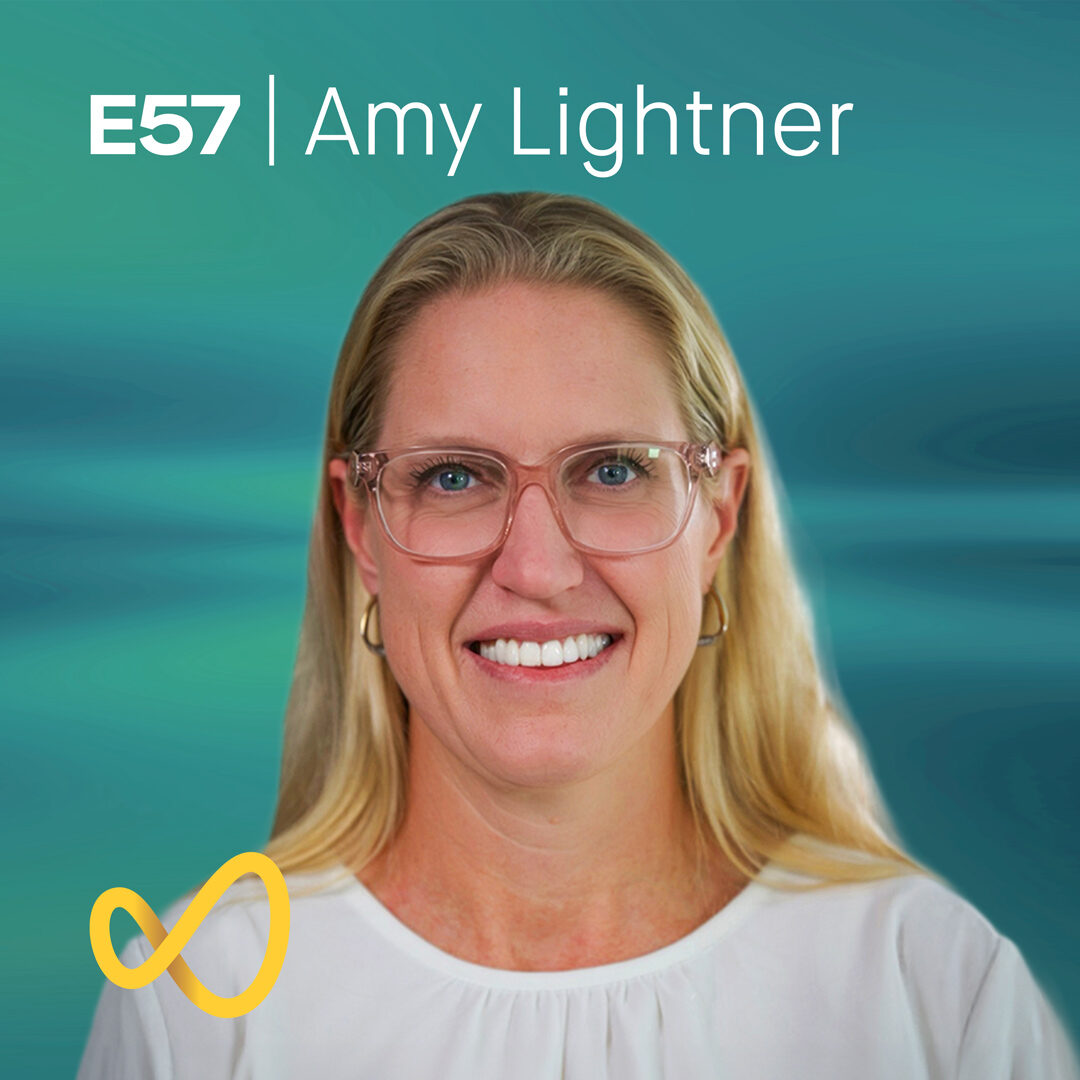
What’s next for IBD care: Insights from a surgeon-scientist
The data is clear: inflammatory bowel diseases like ulcerative colitis and Crohn’s are on the rise worldwide. In this episode, we sit down with Dr. Amy Lightner—VP of Clinical Development at Calibr-Skaggs and colorectal surgeon at Scripps Clinic—to explore what drives these diseases, an upcoming phase 2 clinical trial for a new regenerative medicine, and how she balances life between the operating room and the research lab.
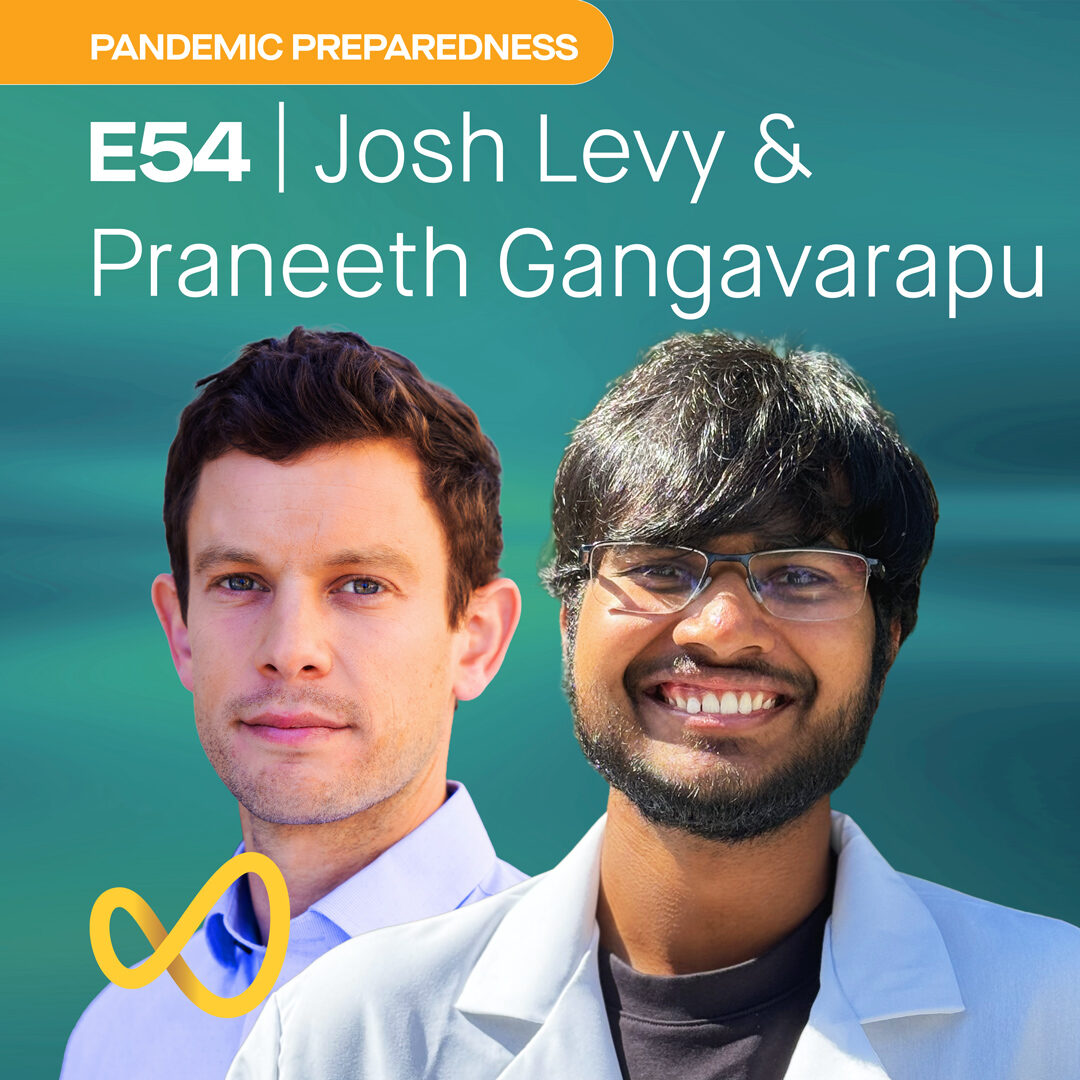
Pathogens in the pipeline: How wastewater holds clues to the next pandemic
What if the key to detecting the next pandemic was hidden in our wastewater? By analyzing pathogens found in sewage, scientists can track the spread of infections before they become widespread threats. In this episode of Science Changing Life, project scientist Josh Levy and PhD student Praneeth Gangavarapu explain how analyzing what goes down the drain can offer life-saving insights into the future of public health. Learn more about the role of wastewater surveillance in tracking a range of viruses—including SARS-CoV-2, H5N1 and even seasonal influenza.

Futureproof: Eric Topol on revolutionizing pandemic preparedness
In the second part of our conversation with Dr. Eric Topol, we explore how examining the past is necessary to ensure we’re more prepared for our future. From universal vaccines and advanced antiviral therapies to cutting-edge digital tools like wearable biosensors and genomic surveillance, Dr. Topol shares actionable insights on harnessing technology and data to revolutionize pandemic preparedness. Listen in as we discuss the path to a safer, healthier future.

Beyond the hype: AI’s impact on medicine and science with Eric Topol
Artificial intelligence is revolutionizing what we once thought impossible. But how can we distinguish genuine breakthroughs from mere hype? In this episode of Science Changing Life, we welcome Eric Topol, MD—renowned physician, scientist, and author. As executive vice president at Scripps Research and founder of the Scripps Research Translational Institute and The Gary and Mary West Chair of Innovative Medicine, Dr. Topol shares his thoughts on how AI is transforming science and medicine today and offers a glimpse into what the future may hold. His advice to listeners? 'Be open to change.'

The science of longer, healthier lives
How close are we to a future where aging is no longer a barrier to vitality? Scripps Research executive vice president and professor Eric Topol discussed the themes of his new book on longevity. Drawing on the latest breakthroughs, he explored how innovations in artificial intelligence and drug discovery are combating chronic diseases like cancer, diabetes and neurodegeneration. Topol revealed how these advances are not only extending lifespans but also improving health at every stage of life.

Front Row spotlight with Eric Topol
How close are we to a future where aging is no longer a barrier to vitality? Scripps Research executive vice president and professor Eric Topol will discuss the themes of his new book on longevity. Drawing on the latest breakthroughs, he’ll explore how innovations in artificial intelligence and drug discovery are combating chronic diseases like cancer, diabetes and neurodegeneration. Topol will reveal how these advances are not only extending lifespans but also improving health at every stage of life.
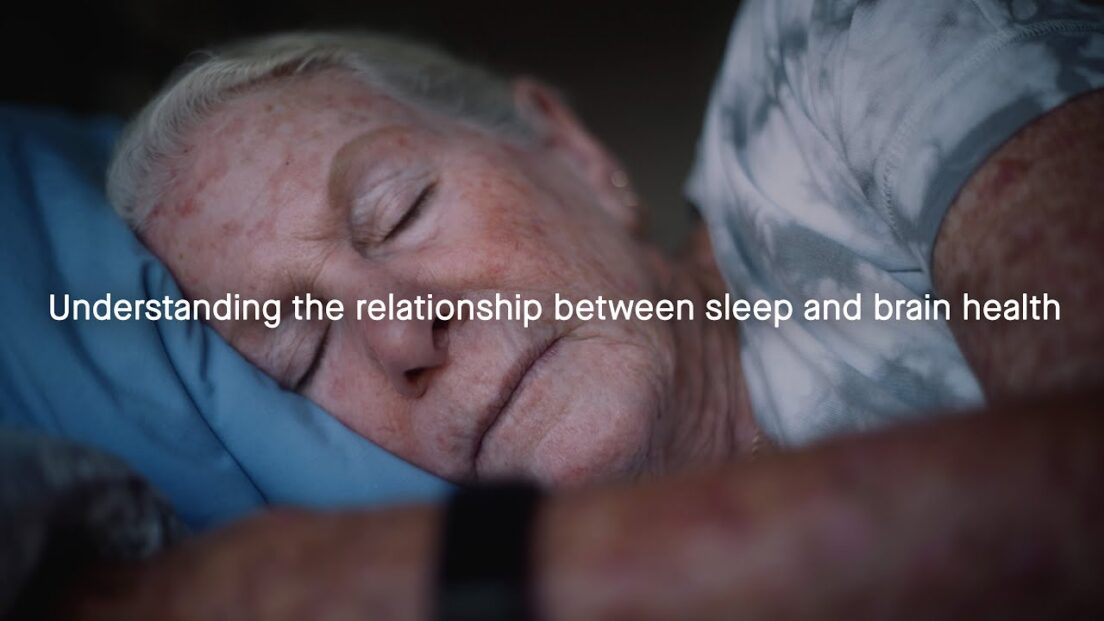
Understanding the relationship between sleep and brain health
Some neurocognitive diseases, such as Alzheimer’s disease and other dementias, affect more women than men. There are also gaps in our understanding of the impact of sleep on women’s cognitive health. Scientists at the Scripps Research Digital Trials Center have launched the REFRESH- Neurocognitive Outcomes in Women study (REFRESH-NOW), a new research project aimed at better understanding sleep and brain health in women with the help of fitness trackers. REFRESH-NOW, led by Stuti Jaiswal, a physician-scientist specializing in sleep research, will use wrist-worn activity trackers and smartwatches to gather longitudinal data from women who are 55 and older over a three-year period. The goal of the study is to identify sleep-related risk factors, enabling for the development of better interventions.
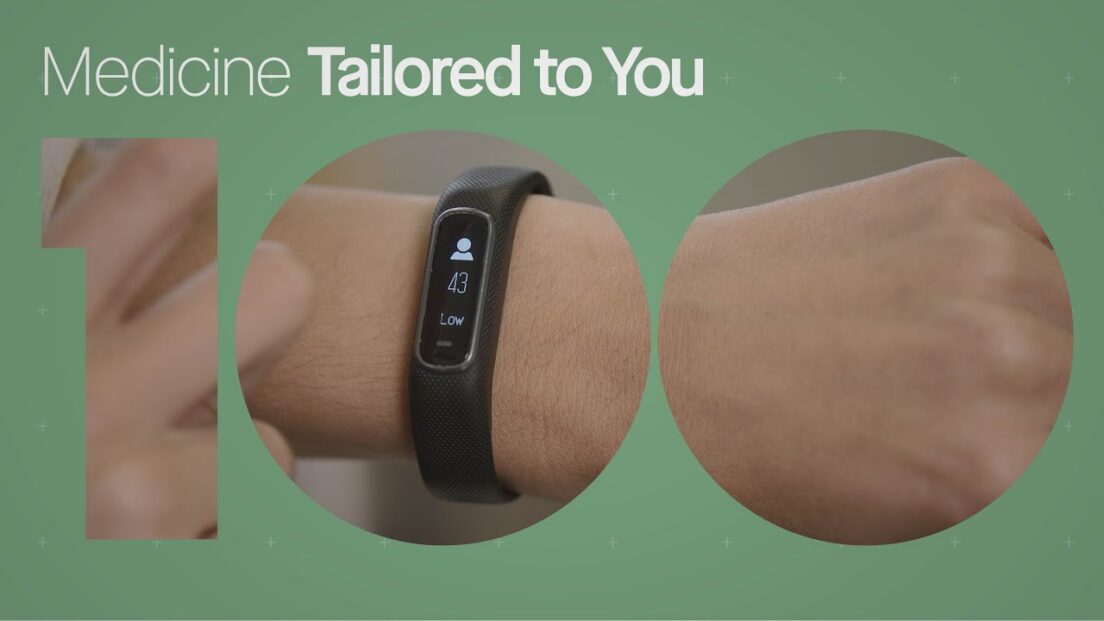
Medicine tailored to you: A century of science changing life
Every patient is unique, and scientists at the Scripps Research Translational Institute (SRTI) believe medicine should reflect this. Physician-scientist Professor Eric Topol founded SRTI in 2007 with a mission to individualize healthcare across the country, leveraging advancements in human genomics, wireless digital technologies, and artificial intelligence. SRTI is made up of leading scientists and clinical investigators who collaborate to understand the specific genetic, behavioral and lifestyle factors that contribute to human health and ultimately help transform them.


Eric Topol among U.S. News & World Report’s Best Leaders of 2025
The U.S. News & World Report has recognized Eric Topol among 25 individuals in the country who are making a significant impact in business, education, public health and public service. In addition to Topol, the 2025 edition of the ‘Best Leaders’ list includes luminaries and thought leaders, such as Mark Cuban, Dolly Parton, Michael J. Fox and MacKenzie Scott.

Life beyond Crohn’s disease
After enduring decades of complications from Crohn’s disease, Gary Jacobson received a pioneering treatment from a Scripps Research professor that gave him relief and a renewed sense of control.
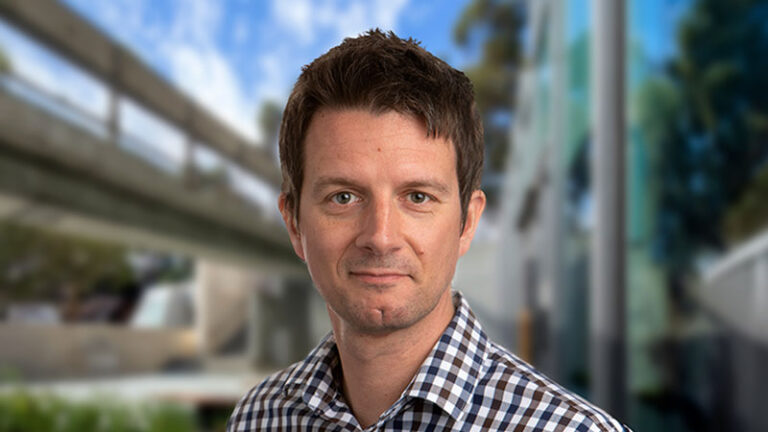
Kristian Andersen elected to Norwegian National Academy of Science and Letters
Infectious disease researcher and Scripps Research professor Kristian Andersen, PhD, was elected to the Norwegian Academy of Sciences and Letters, an organization founded in 1857 to support and promote the advancement of science. In May 2025, new members received their diplomas at an event in Oslo attended by the Academy’s honorary president HRH Crown Prince Haakon and the Minister of Education and Research Kari Nessa Nortun.