Scripps Research professor Peter Vogt honored with Horwitz Prize for key contributions to targeted cancer treatment
September 19, 2019
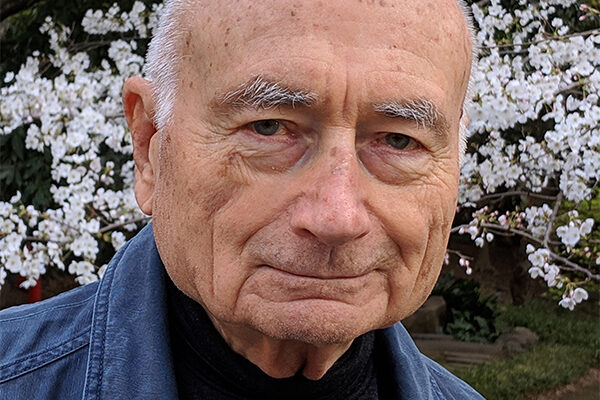
LA JOLLA, CA – Peter Vogt, PhD, a Scripps Research professor who has uncovered new genetic underpinnings of cancer, is among three scientists to receive Columbia University’s 2019 Louisa Gross Horwitz Prize.
Peter Vogt, a professor in the Department of Molecular Medicine, will share the prize with Lewis Cantley, PhD, of Weill Cornell Medicine and David Sabatini, PhD, of Massachusetts Institute of Technology. Together, they are recognized for their seminal contributions to understanding of the role the phosphoinositide 3-kinase (PI3K) pathway in oncogenesis, or the process by which healthy cells become cancer cells.
“It is a great honor to receive the Horwitz Prize along with my esteemed colleagues,” says Vogt. “The basic research we have pursued is being translated into meaningful improvements to patient care. To me, that is tremendously rewarding.”
In recent years, investigations into the processes that control the growth, division and spread of cancer cells, as well as the signals that cause these cells to die naturally, has led to targeted therapies for treating cancer—a strategy that spares healthy tissue. Arising from these investigations was the significant finding that most cancers involve a disruption in phosphoinositide 3-kinases (PI3Ks), a group of signaling enzymes critical to cell growth, differentiation and proliferation.
“The work of Cantley, Sabatini and Vogt has totally transformed cellular physiology and has profound implications for our understanding of cancer development,” says Gerard Karsenty, MD, PhD, chair of the Horwitz Prize Committee and chair of the Department of Genetics and Development at Columbia University Vagelos College of Physicians and Surgeons.
The three scientists will receive their prize and deliver individual lectures and at an awards ceremony on January 9, 2020 in New York. Vogt will lecture on “Novel Aspects of PI3K Signaling.”
Early in his career, Vogt collaborated with scientists at the University of California in Berkeley and in San Francisco. This work culminated in the discovery of the first oncogene, SRC and laid the foundation for identifying SRC and other oncogenes as cellular rather than viral genes. Oncogenes are mutated genes that contribute to the growth of cancer cells. This groundbreaking research launched the field of molecular cancer research and led to the discovery of additional tumor-inducing genes, including MYC, JUN and PI3K.
At Scripps Research, Vogt continues to study the underpinnings of cancer. His current work focuses on the control of transcription by MYC, on isoform-specific functions of PI3K and on small-molecule inhibitors of cancer-causing proteins. His research has shown that PI3K mutations identified in human cancer cause cancerous transformation in cell culture and induce tumors in animal model systems.
The Louisa Gross Horwitz Prize was established under the will of the late S. Gross Horwitz through a bequest to Columbia University and is named in honor of the donor’s mother. Louisa Gross Horwitz was the daughter of a prominent Philadelphia surgeon, Samuel David Gross, who wrote Systems of Surgery and served as president of the American Medical Association.
The Horwitz Prize honors outstanding basic research in the fields of biology or biochemistry. Of the 100-plus Horwitz Prize winners to date, 50 percent have gone on to receive Nobel Prizes. Scripps Research Nobel laureate Kurt Wüthrich, PhD, received the Horwitz Prize in 1991.

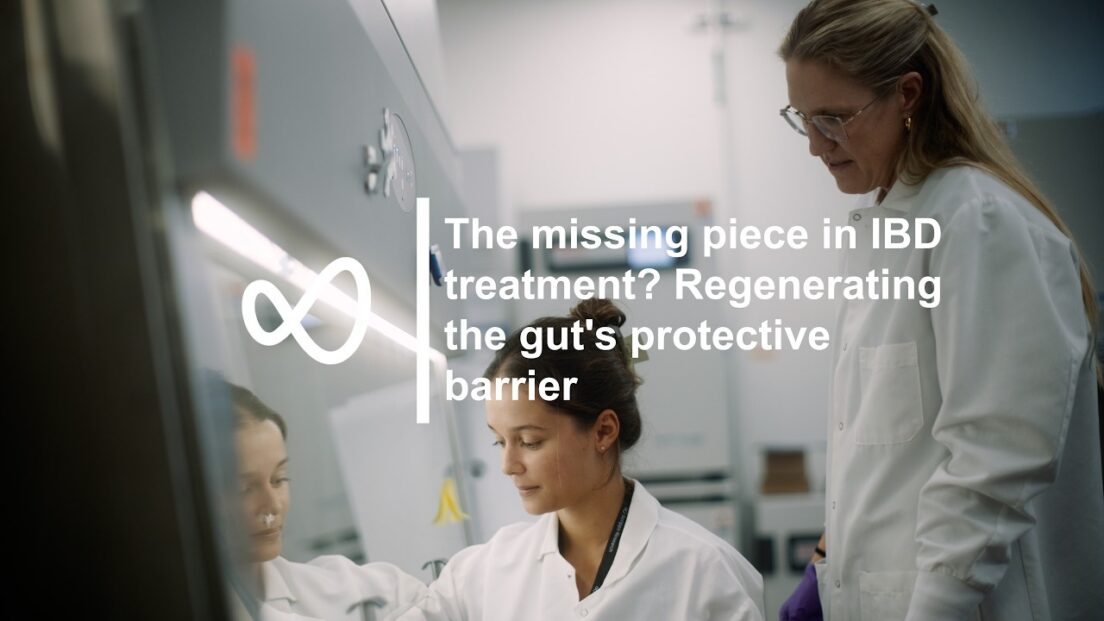
The missing piece in IBD treatment? Regenerating the gut’s protective barrier shows promise
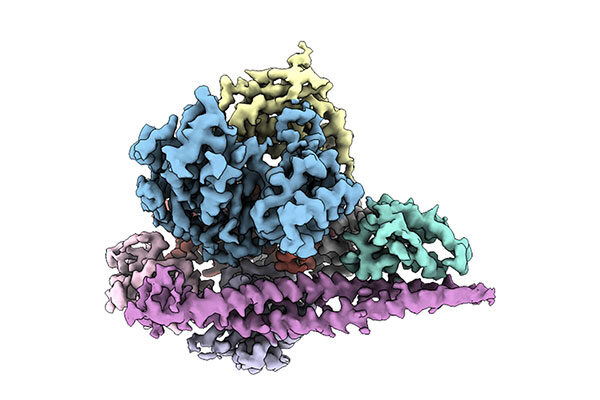
Current therapies for inflammatory bowel disease (IBD) primarily focus on suppressing inflammation. But what if we could repair one of the underlying drivers of disease itself? Researchers at Calibr-Skaggs are developing CLF065, a potential first-in-class regenerative medicine designed to restore epithelial barrier function—the protective intestinal lining that regulates what passes from the gut into the body. CLF065 is designed with a dual mechanism of action: supporting barrier integrity and stimulating regeneration of the gut lining. A Phase 2 clinical trial has recently launched in chronic pouchitis, a painful inflammatory condition that can develop in some people with IBD following surgery. In addition, an Investigational New Drug (IND) application has been submitted to support a Phase 2 trial in Crohn's disease. Learn how regenerative medicine could help shift the treatment paradigm from managing symptoms to repairing the tissue damage at the root of disease.