Topic: Genomics
-

Pathogens in the pipeline: How wastewater holds clues to the next pandemic
What if the key to detecting the next pandemic was hidden in our wastewater? By analyzing pathogens found in sewage, scientists can track the spread of infections before they become widespread threats. In this episode of Science Changing Life, project scientist Josh Levy and PhD student Praneeth Gangavarapu explain how analyzing what goes down the drain can offer life-saving insights into the future of public health. Learn more about the role of wastewater surveillance in tracking a range of viruses—including SARS-CoV-2, H5N1 and even seasonal influenza.
-

On doing good: VoLo Foundation – A bridge between science and people
-

The genomic revolution: Using DNA to predict disease risk and individualize treatment
Your DNA contains an incredible amount of information about every aspect of your being, including your risk of developing certain diseases. But up until recently, it was nearly impossible for doctors to analyze that information for individual patients. Now, with the help of affordable genomic sequencing, artificial intelligence and machine learning, scientists are working towards personalizing medical care. At the Scripps Research Translational Institute, Professor Ali Torkamani is developing ways to predict a person’s risk for rare and common diseases.
-

Making global health local
-
Scripps Research Translational Institute and NVIDIA partner to advance artificial intelligence in genomics and digital medicine
The partnership seeks to accelerate the application of artificial intelligence for disease prevention, health promotion and the streamlining of biomedical research efforts.
-
Launch of All of Us Research Program heralds new era for technology-driven citizen science and precision medicine
Scripps Translational Science Institute to lead the national Participant Center and the program’s use of mobile technologies for each individual to collect their health data.
-

Translational Institute receives $34 million NIH Clinical and Translational Science Award
"We are thrilled to have the NIH’s continued support for our efforts to advance individualized medicine, both in care of patients and in training of young physicians and scientists."
-
Decoding the genome’s dark matter
By combing through thousands of human genome sequences, scientists have identified regions of our DNA that rarely change.
-
The Scripps Research Institute welcomes renowned data scientist Amalio Telenti
-
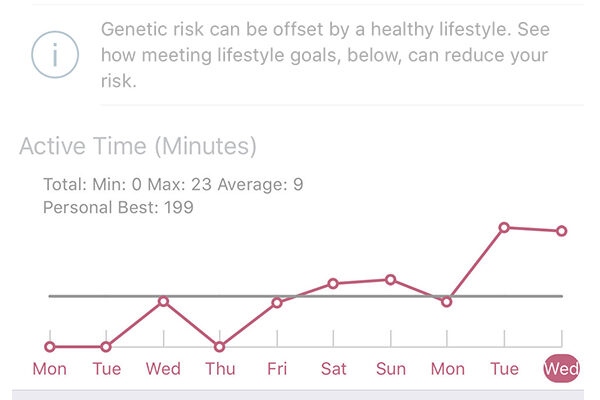
New ResearchKit App from Scripps Research Looks at How Genetic Risk Influences Heart Health Decisions
MyGeneRank app allows individuals with genetic data from 23andMe to obtain an estimated genetic risk score for coronary artery disease.