New ResearchKit App from Scripps Research Looks at How Genetic Risk Influences Heart Health Decisions
October 25, 2017
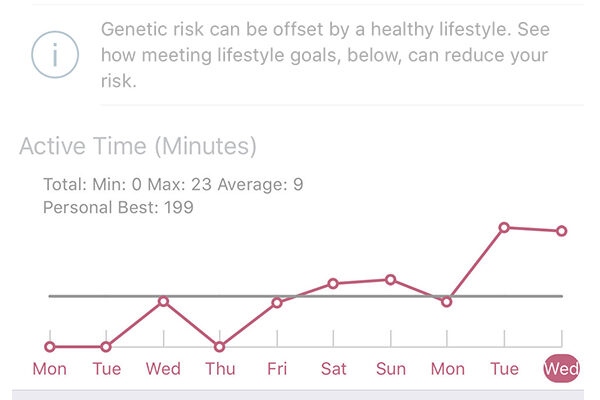
The MyGeneRank app users are able to adjust behavioral risk factors to see the influence of lifestyle habits on their overall risk.
Scientists at the Scripps Translational Science Institute and The Scripps Research Institute have announced the launch of a smartphone-app research study that seeks to understand how receiving personal genetic risk information impacts heart health decisions.
The MyGeneRank app allows individuals with genetic data from 23andMe to obtain an estimated genetic risk score for coronary artery disease. Surveys and Apple HealthKit data will be used to determine if this information helped guide decision-making related to lifestyle modification and use of statin medications.
Many health conditions, including coronary artery disease (CAD), are caused by a combination of our environment, behaviors and genes. While patients can control some factors that may impact their chances of developing disease, the contribution of their genes remains encoded in their DNA throughout their lives.
Now, extensive research has shown that a genetic risk score can be used to identify people with low, intermediate and high risk for CAD. It has also been determined that the use of cholesterol-lowering drugs, known as statins, provides greater benefit and protection against disease for people with a high genetic risk for CAD. Additionally, despite their inherited genetic risks, individuals have the ability to offset much of their genetic risk for CAD by maintaining healthy lifestyle habits.
Ali Torkamani, Director of Genomics at the Scripps Translational Science Institute, and Associate Professor of Integrative Structural and Computational Biology at The Scripps Research Institute, leads the team behind MyGeneRank. “We want to determine whether or not knowledge of genetic risk impacts decision-making when it comes to health behaviors or statin therapy,” says Torkamani. “Using ResearchKit, we can reach more participants via iPhone, expanding this study far beyond geographic barriers.”
The MyGeneRank mobile app is built using Apple’s ResearchKit, an open source framework that enables researchers and programmers to build customized mobile apps for research purposes. With user permission, the app connects with the 23andMe application program interface and automatically calculates and returns a genetic risk score for coronary artery disease.
In addition, the app calculates a 10-year absolute risk estimate for an adverse coronary event, such as heart attack, using a combination of genetic and clinical factors. Users are able to adjust behavioral risk factors to see the influence of lifestyle habits on their overall risk.
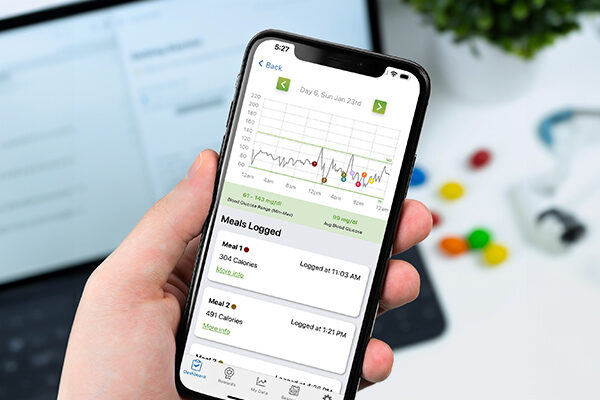
Study participants are asked to complete a survey immediately upon receipt of their score, as well as six months later to determine whether knowledge of their genetic risk influenced their health decisions. Through its integration with the Health app on iPhone, individuals can choose to share their health, activity and nutrition data with researchers to further assess changes in behavior.
“We are excited to launch a unique study that combines an iOS app and genomics to help guide important health decisions,” says Eric Topol, MD, Founder and Director of the Scripps Translational Science Institute and Professor of Molecular Medicine at The Scripps Research Institute. “Not only does participating in the study arm individuals with their own data, but it also gives them the opportunity to participate in new type of research – one that is driven by and for patients.”
When discussing next steps, Torkamani says, “the goal is to expand the app’s offering of genetic risk scores to other diseases, as well as support the Android operating system, and integrate additional commercial personal genetic data platforms.”
Download MyGeneRank from the App Store.


Preventing heart disease with machine learning and smartphone technology
Heart disease is the leading cause of death in the United States, yet our ability to predict and lower our own risk has been limited. In this Front Row lecture, Scripps Research professor Ali Torkamani shared how his team is developing app-based digital tools that can analyze genetic markers and predict someone’s future cardiovascular disease risk. Torkamani’s research is being integrated into remote clinical trials that can provide personalized behavioral and therapeutic interventions to improve long-term health outcomes.
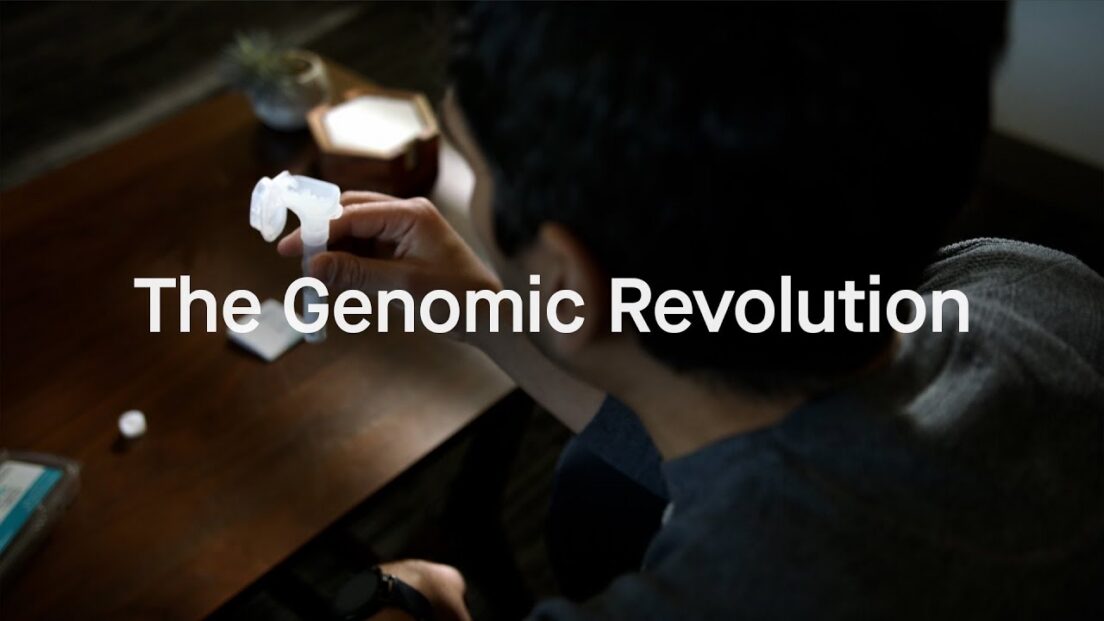
The genomic revolution: Using DNA to predict disease risk and individualize treatment
Your DNA contains an incredible amount of information about every aspect of your being, including your risk of developing certain diseases. But up until recently, it was nearly impossible for doctors to analyze that information for individual patients. Now, with the help of affordable genomic sequencing, artificial intelligence and machine learning, scientists are working towards personalizing medical care. At the Scripps Research Translational Institute, Professor Ali Torkamani is developing ways to predict a person’s risk for rare and common diseases.

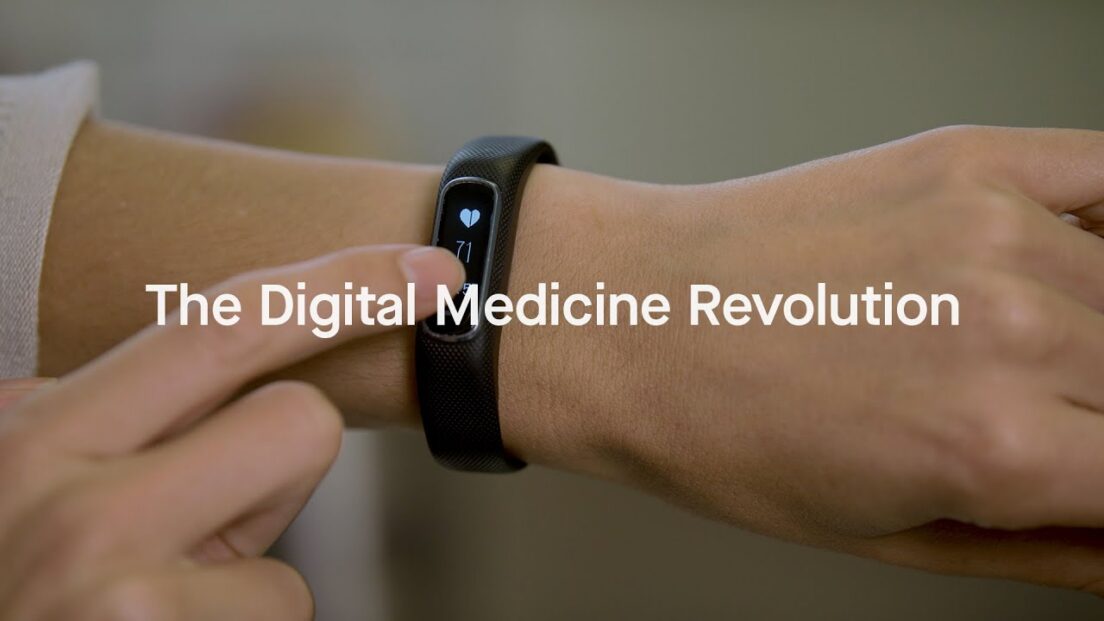
The digital medicine revolution
From smartwatches and fitness bands to glucose monitors and in-home ultrasounds, the proliferation of digital devices is igniting a revolution in healthcare and medical research. Patients can now collect thousands of data points about themselves and share that information with their healthcare providers. At the Scripps Research Translational Institute, researchers are taking advantage of new technology to study disease in novel ways. Their projects include a platform for early detection of disease outbreaks, a sleep quality study, and even a way to predict and individual’s risk of certain disease based on their genetics. In this video, hear directly from the team about this exciting new frontier.

Ali Torkamani: Preventing heart disease with personalized genetic testing
Professor Ali Torkamani is the Director of Genome Informatics at the Scripps Research Translational Institute, where his team mines population-level genetic data to make predictions about future disease risk. Listen in as we discuss smartphone apps that could help predict the risk of a heart attack, the addition of genetic data to biosensors of the future and the use of video games as an introduction to data science.
