The Scripps Research Institute welcomes renowned data scientist Amalio Telenti
November 30, 2017
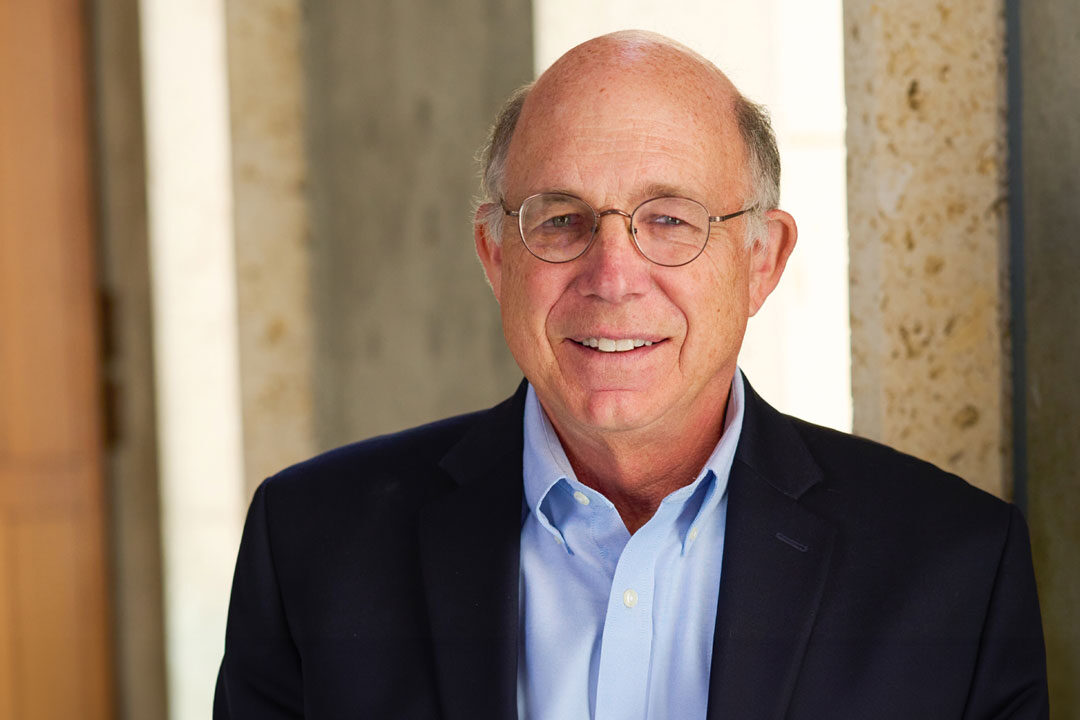
LA JOLLA, Calif. – November 30, 2017 – The Scripps Research Institute (TSRI) today announced the appointment of Amalio Telenti, M.D., Ph.D. as Professor in the Department of Integrative Structural and Computational Biology. Telenti will also serve as Chief Data Scientist at the Scripps Translational Science Institute (STSI), providing leadership in developing and implementing large-scale analyses of medical, sensor, and genomic data.
Telenti is a leading data scientist and genomic researcher whose research foci include human genomics, as well as infectious disease research. He has an extensive background in directing scientific research and operations that spans academia and private sectors over three decades and multiple countries.
“Dr. Telenti is an important addition to TSRI’s world-class faculty roster,” said Peter Schultz, Ph.D., TSRI’s President and Chief Executive Officer. “He brings with him a wealth of experience in heading up genomics research and large-scale data analysis. We’re delighted to have him contribute his expertise towards the ground-breaking research being conducted at TSRI.”
Prior to joining TSRI, Telenti served as Chief Scientific Officer at Human Longevity, Inc. He also held faculty appointments at the University of Lausanne and University of Bern in Switzerland. As a clinician with over 25 years of experience, Telenti led the outpatient clinic at the University Hospital in Lausanne, specializing in infectious diseases and microbiology.
“Rapid technological innovation is enabling researchers to generate and delve deep into human data at an unprecedented scale,” said Telenti. “Translating this data into meaningful knowledge promises to transform medical care, diagnostics and drug development. I look forward to working alongside the exceptional scientists at TSRI to accelerate the usability of experimental data that is generated at the Institute.”
STSI’s director, and TSRI’s Executive Vice President, Eric Topol, M.D., also welcomed Telenti. “We’re very excited to have Amalio join our team. His expertise in leading impactful big data biomedical projects will be invaluable to our efforts of a data-driven approach to individualizing medicine.”
Researchers look beyond BMI to predict obesity-related disease risk
Predictors of future diabetes and cardiovascular disease for a person with obesity can be found among their body's metabolites.
Calibr-Skaggs advances CLF065, a regenerative GLP-2 therapy, into two Phase 2 IBD studies
CLF065, a long-acting, once-weekly GLP-2 receptor agonist, advances in two inflammatory bowel disease indications. The studies aim to bring a regenerative treatment option to patients living with IBD, who currently have few therapies that repair the damaged intestinal lining at the root of their disease.
Advancing the vision: An experiment in rethinking the nonprofit biomedical research model
In his Front Row lecture, President and CEO Pete Schultz highlighted the progress Scripps Research has made in pioneering a new model for non-profit biomedical research. He described how integrating basic science and translational research under one roof is accelerating next-generation medicines—from new immunotherapies for cancer and innovative medicines for infectious disease to regenerative treatments for heart, lung and intestinal tissues. At a time of uncertainty in federal science funding, this model isn't only advancing human health but also helping to generate sustainable support for innovative scientific research and for training the next generation of scientific leaders.
Viome and Scripps Research partner to develop first at-home RNA screening test to prevent colon cancer before it strikes
First-of-its-kind 1,000-patient clinical study will use RNA-based stool and saliva tests to detect colon polyps — early warning signs of colorectal cancer — before they become cancerous.Study aims to enhance colorectal cancer prevention by identifying polyp molecular signals, offering improved sensitivity over at-home DNA tests, which have limited ability to detect precancerous lesions.