Topic: Awards & Honors
-

Friedbert Weiss elected fellow of the American Association for the Advancement of Science
Friedbert Weiss, PhD, a professor of neuroscience at Scripps Research, has been named a fellow of the American Association for the Advancement of Science (AAAS). Election as an AAAS Fellow is an honor bestowed upon its members by their peers.
-
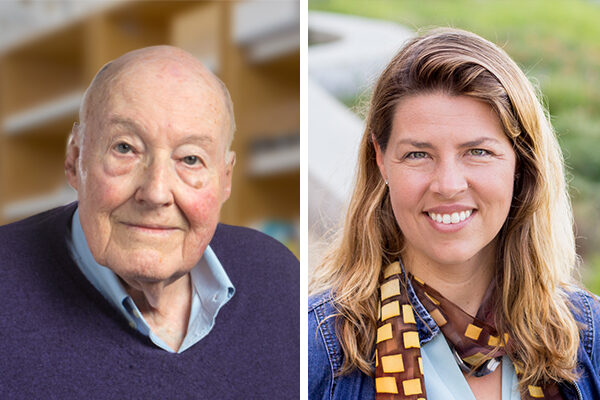
Virologists at Scripps Research honored for scientific leadership, two share Gallo Award from the Global Virus Network
Michael B.A. Oldstone, MD, and Erica Ollmann Saphire, PhD were recognized by the Global Virus Network (GVN) for their leadership in the field of medical virology.
-
Scripps Research awarded $3.3 million grant to study brain circuitry
The funding will support research in the Stowers lab to describe a complete neural circuit in a mammalian brain—a first for science.
-
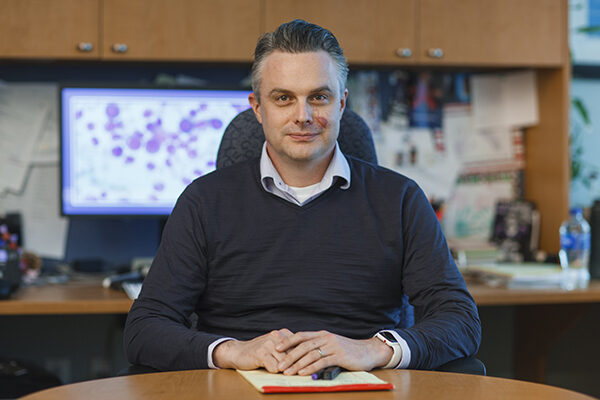
Jupiter Chemist Matthew Disney named BioFlorida’s Entrepreneur of the Year
Disney’s research has changed how scientists approach so-called “undruggable” diseases.
-
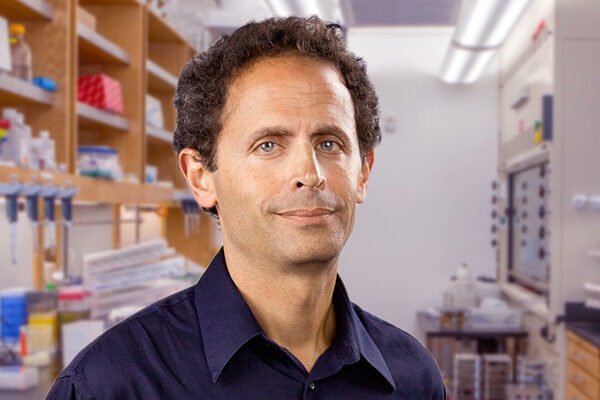
Scripps Research scientist Ben Cravatt receives Outstanding Investigator Award from National Cancer Institute
"The NCI expects big things from us, and we embrace that challenge," Cravatt says.
-
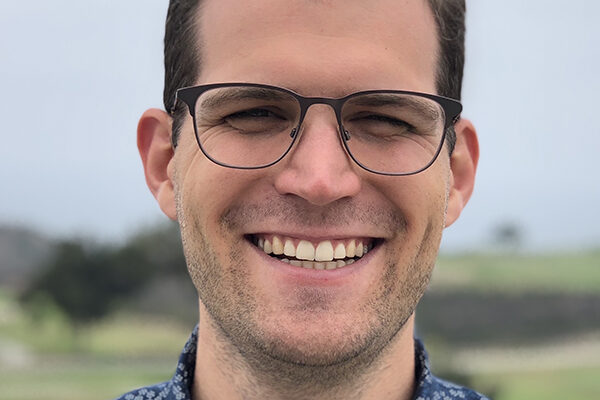
Michael Erb receives NIH Director’s Early Independence Award
The award will support new research into how to design drugs to target cancer cells.
-

With new NIH support, Florida scientists to develop faster, cheaper way to screen potential drugs
Thomas Kodadek, PhD, will lead the project to make drug development more efficient and less expensive.
-
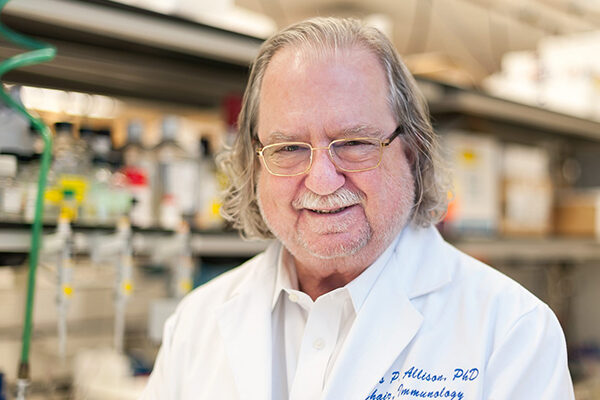
Former Scripps Research postdoctoral associate James P. Allison wins the 2018 Nobel Prize in Physiology or Medicine
In addition to his legacy in advancing cancer therapeutics, Scripps Research scientists know him as a determined scientist and skilled mentor.
-
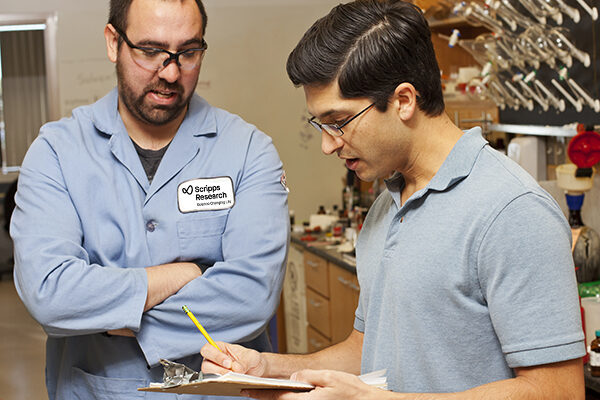
Chemist Ryan Shenvi wins Tetrahedron Young Investigator Award
"I'm surprised and honored to be listed among the distinguished awardees," says Shenvi.
-
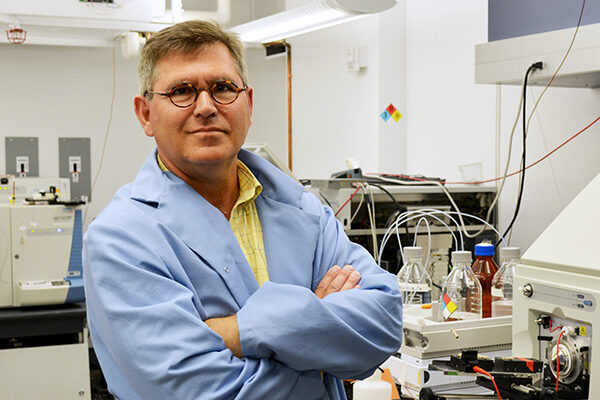
Professor John Yates receives international honor
Yates’s research in mass spectrometry has been fundamental in establishing the field of large-scale proteomics, a discipline that has shed light on diseases such as malaria and anthrax.