Scripps Research chemist Jin-Quan Yu is named a Fellow of the Royal Society
May 27, 2026
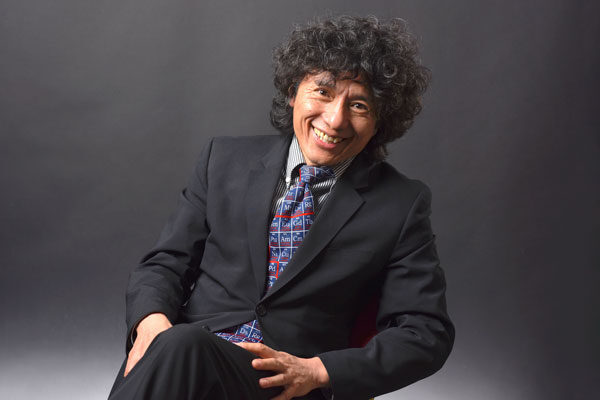
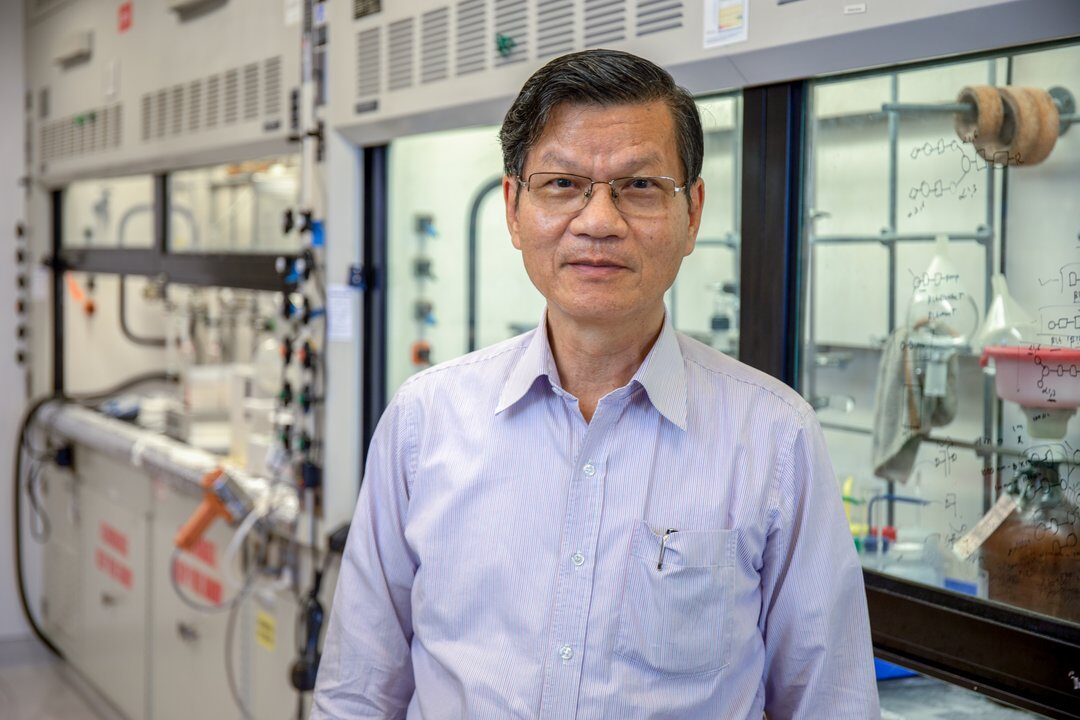
Jin-Quan Yu. Credit: Scripps Research
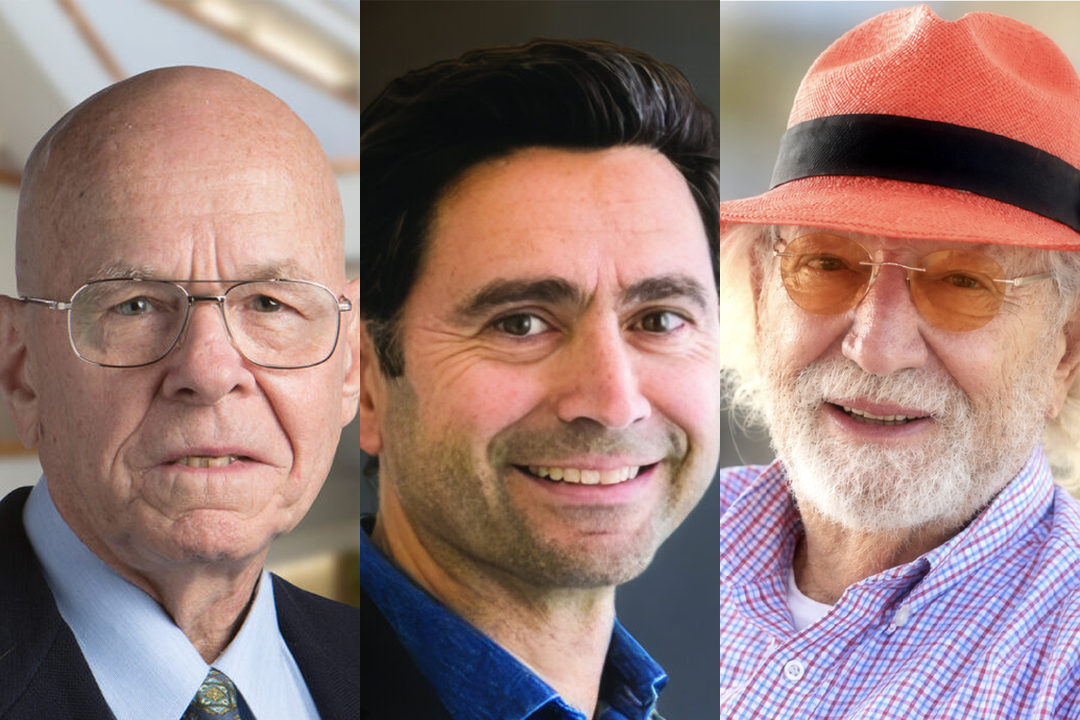
LA JOLLA, CA—Professor Jin-Quan Yu of Scripps Research has been elected to the Fellowship of the Royal Society, the U.K.’s national academy of sciences and one of the world’s oldest scientific institutions. Founded in 1660, the Royal Society is an independent academy that supports scientific excellence and its use for the public good. This recognition carries special meaning for Yu, whose early idea for asymmetric carbon–hydrogen (C–H) activation research at the University of Cambridge received support from the Royal Society in 2002.
Today at Scripps Research, Yu holds the Bristol Myers Squibb Endowed Chair in Chemistry and is the Frank and Bertha Hupp Professor of Chemistry. As a leading figure in synthetic organic chemistry, he develops new ways to build and modify complex molecules with greater control.
Much of Yu’s work centers on C–H activation: a method that transforms C–H bonds directly rather than relying on longer, less efficient routes. With more than 300 published studies, Yu has helped advance catalysts and reaction designs that allow chemists to make highly selective changes to molecules, including methods for creating chiral, or “single-handed,” compounds. This handedness property is similar to how left and right gloves mirror each other but aren’t interchangeable, and it can strongly influence how a molecule behaves in the body.
Among his most important contributions, Yu developed the first generation of chiral catalysts for enantioselective C–H activation. Last year, a paper from his lab described a technique that uses a novel catalyst and inexpensive fluoride salts to modify C–H bonds, with potential applications in drug development and improved medical imaging. Yu also expanded C–H activation to alcohols and, more recently, to ketones and esters. In addition, his lab devised a straightforward method for making saturated heterocycles, which are ring-shaped compounds found in many FDA-approved drugs.
Throughout his career, Yu has received several prestigious honors, including the Akira Suzuki Award, the Chemical Pioneer Award from the American Institute of Chemists, the Henry J. Albert Award from the International Precious Metals Institute, the Max Tishler Prize from Harvard University, the Yamada-Koga Prize from the University of Tokyo, a MacArthur Fellowship (also known as a “genius grant”), and election to both the National Academy of Sciences and the American Academy of Arts and Sciences.
New Fellows of the Royal Society will take part in related events scheduled for July, including a seminar where they’ll present their work as well as an admissions ceremony where they can formally sign the academy’s Charter Book.