Scripps Research establishes endowed chair honoring renowned structural biologist Ian Wilson
May 13, 2026
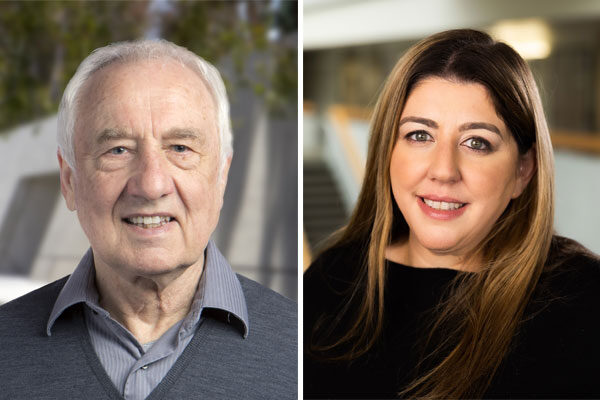
LA JOLLA—Scripps Research has established the Ian Wilson Endowed Chair, a new faculty chair honoring the extraordinary scientific career and enduring impact of Ian Wilson, professor and founding chair of the Department of Integrative Structural and Computational Biology.
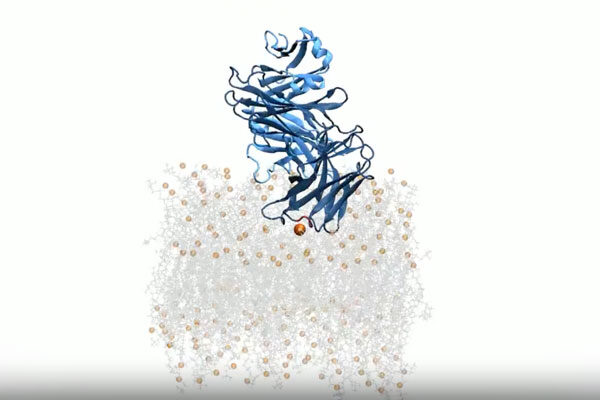
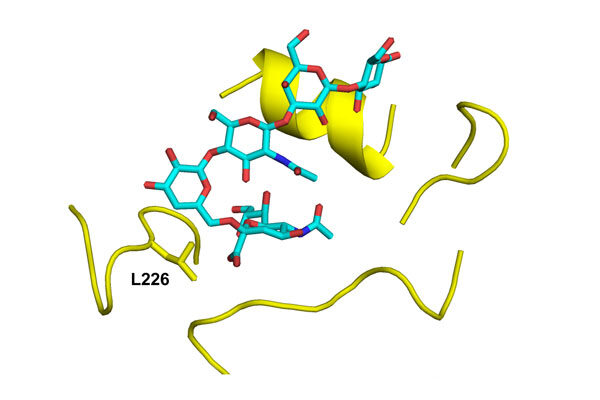
The chair recognizes Wilson’s landmark contributions to structural immunology and provides flexible support for a mid-career faculty member at Scripps Research. Over the past five decades, Wilson has advanced the molecular understanding of immune recognition by revealing, at atomic resolution, how the immune system recognizes viruses and other pathogens. These discoveries have critically informed the development of vaccines and therapies and helped shape some of the institute’s most notable scientific programs.
Andrew Ward, also a structural biology professor at Scripps Research and a longtime colleague of Wilson, was a galvanizing force behind the creation of this chair.
“I am thrilled that so many institute alumni, current and former colleagues, and committed donors came together to fund this chair,” says Ward. “Not only will it serve to honor Ian and his impressive scientific career in perpetuity, but it will also provide ongoing support to a mid-career faculty member in our department. A chair such as this is invaluable to a pioneering scientist because it equips them with the flexibility and resources to pursue their most interesting and high-impact ideas.”
Keren Lasker, an associate professor in the Department of Integrative Structural and Computational Biology, has been selected as the inaugural holder of the Wilson Endowed Chair. The chair will rotate to a new faculty member every four years.
Lasker’s research focuses on biomolecular condensates—membraneless, liquid-like structures that form inside cells and help organize essential biological processes. When dysregulated, these condensates contribute to diseases, such as neurodegenerative disorders and cancer. By integrating biophysics and structural, computational and cell biology, her lab is developing new ways to study and engineer condensates, with the goal of uncovering disease mechanisms and advancing new therapeutic strategies.
“We chose Keren for her enormous creativity and innovation and the exceptional quality of her research,” says Wilson. “Keren is an outstanding scientist whose research program is at the forefront of cellular, molecular, structural and computational biology. Keren is applying her pioneering advances in structure and biophysics of condensates to engineer novel therapeutics against human diseases.”
An endowed chair is one of the highest honors a research institute can bestow on a faculty member. The permanent funding that comes with the chair frees the scientist to explore bold avenues of research, ones for which it would be difficult to procure a traditional government grant. An endowed chair brings greater visibility to the scientist’s work, while simultaneously elevating the reputation of the institute. And, critically, an endowed chair serves to recruit and retain the very best scientists, ensuring a highly competitive and productive research environment.
“Endowed chairs are some of the most powerful tools we have to support scientific innovation,” says Pete Schultz, president and CEO of Scripps Research and holder of the L.S. “Sam” Skaggs Presidential Chair. “At a time when federal funding agencies are increasingly constrained and risk-averse, endowed chairs ensure that our scientists can stay focused on the questions that matter most for advancing human health.”
About Ian Wilson
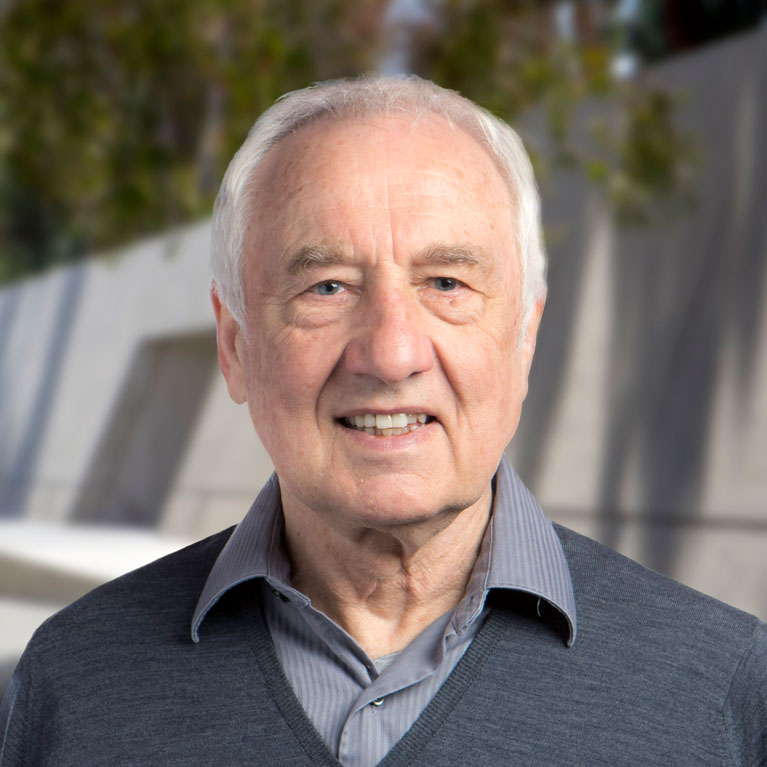 The endowed chair Lasker will hold serves to recognize the nearly 45-year career of Wilson, who is the Hansen Professor of Structural Biology at Scripps Research. Wilson, who was born in Perth, Scotland, and educated at Oxford University, focuses his laboratory research on the ways the immune system recognizes pathogens, including viruses, malaria parasites and bacteria.
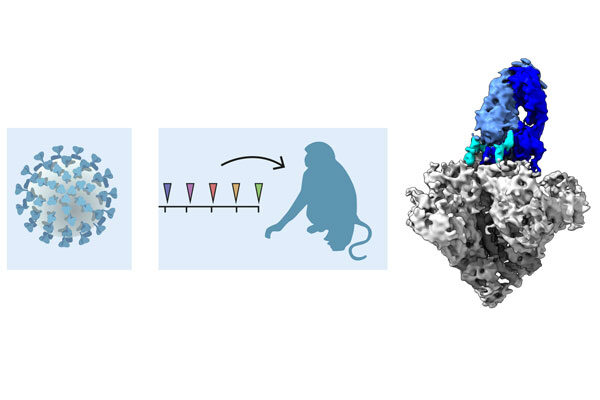
Wilson established the Department of Integrative Structural and Computational Biology at Scripps Research in 2013 and served as its chair until 2025. And for 16 years (2000-2016), he directed the Joint Center for Structural Genomics, a multi-institutional consortium based at Scripps Research that determined over 1,600 novel protein structures. His lab was the first to map a human antibody’s interaction with SARS-CoV-2 at atomic resolution and his structural mapping of the coronavirus revealed potential vulnerabilities for therapeutic and vaccine development.
Wilson earned his DPhil in molecular biophysics and DSc in biological sciences from Oxford University and performed postdoctoral research at Harvard University. Among his many honors, he is an elected fellow of the Royal Society and the Royal Society of Edinburgh. He is an international member of the National Academy of Sciences and a member of the American Academy of Arts and Sciences, and he consistently appears on the annual list of “highly cited researchers,” placing him within the top 1 percent across the fields of biology, biochemistry and microbiology.
About Keren Lasker
 A mathematician-turned-biologist, Lasker earned her PhD in computer science from Tel Aviv University and completed her postdoctoral studies at Stanford University before joining Scripps Research in 2021. Her laboratory characterizes and engineers biomolecular condensates, membraneless cellular compartments that are increasingly understood to play central roles in health and disease.
Lasker has been recognized with numerous awards, including being named a Moore Inventor Fellow and a Baxter Young Investigator. She was also awarded an Excellence Pilot Grant from the Loulou Foundation to support her investigation into the role of the CDKL5 kinase in condensate regulation and neurodevelopmental disorders.