Calibr launches first-in-human phase 1 clinical trial in healthy volunteers evaluating PDM608, an investigative drug developed for the treatment of neurodegenerative diseases
July 26, 2023
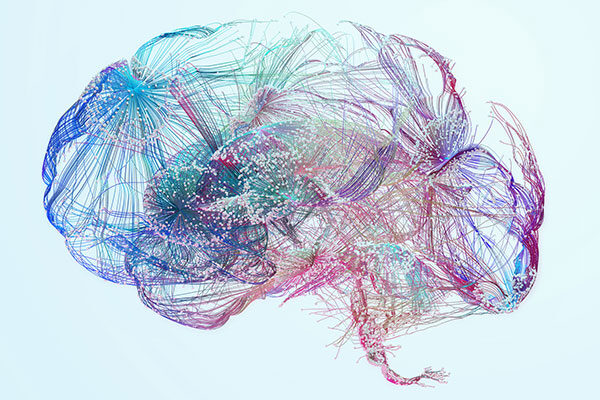
LA JOLLA, CA—Calibr, the drug discovery division of Scripps Research that translates innovative medicines from “bench to bedside,” initiated a healthy volunteer first-in-human phase 1 clinical trial of PDM608 for the treatment of multiple neurodegenerative diseases. The study will help determine the optimal dose and dosing frequency for phase 2 clinical trials in patients with neurodegenerative diseases such as Parkinson’s disease, Alzheimer’s disease and amyotrophic lateral sclerosis (ALS).
While inflammation is a normal process, when dysregulated, it can destroy essential neurons and neural pathways, contributing to neurodegenerative disease progression. Thus, therapies that can regulate immune responses and suppress harmful inflammation have the potential to reduce neurodegeneration and cognitive decline.
Regulatory T cells (Tregs), immune cells that are important in regulating the immune response, including reducing inflammation, are a promising therapeutic target in neurodegenerative diseases. In several neurodegenerative disorders, low numbers of Tregs are associated with disease severity and progression, suggesting that expanding the Treg population could alleviate the neuroinflammation associated with neurodegeneration.
Granulocyte-macrophage colony-stimulating factor (GM-CSF) is a protein that can promote a biased, robust expansion of Tregs. In a small clinical trial of Parkinson’s disease patients, the FDA-approved drug sargramostim, a recombinant human GM-CSF protein, has shown that it can reduce both neuroinflammation and cognitive decline. However, the short half-life of GM-CSF (1 to 3 hours) requires daily injections, thus precluding its use as a manageable and effective neurodegenerative therapy. To address this issue, Calibr used its proprietary half-life extension technology to design a novel biologic GM-CSF fusion protein—PDM608—that extends the drug’s half-life by more than 200 hours.
In preclinical models of neurodegenerative disease, PDM608 promotes Treg expansion and a neuroprotective, anti-inflammatory profile with a single dose rather than the consecutive dosing regimen required with recombinant GM-CSF. Given the promising preclinical data, Calibr hypothesizes that PDM608 treatment for neurodegenerative diseases could result in durable effects for patients in future clinical trials. The FDA agreed that the preclinical data supported testing in humans and approved an investigational new drug (IND) application for PDM608 in March of this year. This placebo-controlled, phase 1 clinical trial will evaluate the safety, tolerability, pharmacokinetics and pharmacodynamics of PDM608 in healthy volunteers. Results from this study will identify optimal dosing strategies for future studies in patients with neurodegenerative diseases.
“PDM608 has the potential to be transformative in the treatment of neurodegenerative diseases by mustering a regulatory immune response that protects against neuroinflammation and restores cell function,” says Sean Joseph, PhD, vice president of nonclinical development at Calibr. “This trial will also establish the clinical validity of Calibr’s half-life extension technology, which could enhance the effectiveness of many more therapies in the future.”
This neuroprotective PDM608 therapy for Parkinson’s, Alzheimer’s and other neurodegenerative diseases was developed at Calibr, a division of Scripps Research. Funding from The Michael J. Fox Foundation for Parkinson’s Research and Alzheimer’s Drug Discovery Foundation enabled this first-in-human trial.




2025 Year in Review: Five insights we’re still thinking about
In a special year-end episode of Science Changing Life, we’re revisiting five moments from 2025 that continue to shape how we think about science. Featuring insights from Scripps Research experts across genetics, infectious disease, public health surveillance and chronic illness, this episode features some of this year’s most memorable soundbites.


Can AI look at your retina and diagnose Alzheimer’s? Eric Topol hopes so
WIRED

How the nervous and immune systems coordinate inflammation
Just as we can distinguish between the sting of heat and the chill of cold, our immune system is finely tuned to recognize and respond to a wide range of threats, from viruses and bacteria to allergens and injury. This complex sensing relies on communication between diverse cell types, including sensory neurons and immune cells, to ensure responses are tailored to the specific challenge. In this Front Row lecture, Assistant Professor Alejandra Mendoza explored how neuro-immune cellular circuits regulate inflammation, pain, and immunity. By bridging neuroscience and immunology, her research is revealing how our bodies interpret signals from the environment to guide immune decisions, from fighting infections to controlling tumor growth and chronic inflammatory diseases.