COVID-19 survivors needed for Scripps Research antibody study
March 26, 2020
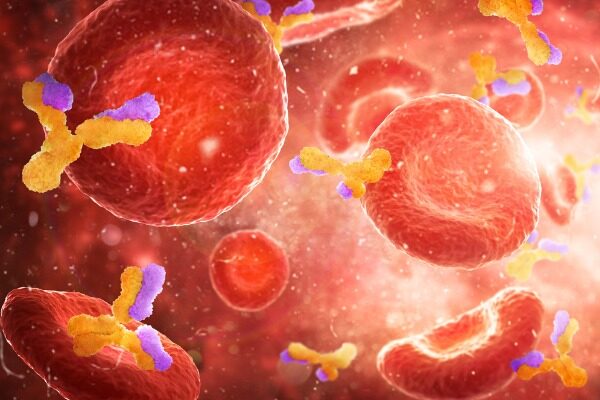
LA JOLLA, CA — Antibodies that are circulating in the blood of patients who’ve recovered from COVID-19 may serve as the key to developing an effective vaccine against the virus.
That’s why a team of scientists at Scripps Research—working in concert with clinical teams at University of California, San Diego, and scientists from IAVI—are seeking survivors to donate their blood at San Diego locations for screening.
Dennis Burton, PhD, chair of Immunology and Microbiology at Scripps Research, said ideal donors will have been recovered from COVID-19 for one to two months, which will have given their antibodies ample time to mature. Antibodies are proteins in blood that the immune system creates after encountering a virus or other type of infection.
“We’re interested in finding antibodies to the new coronavirus and perhaps using them as a therapeutic or helping to design a vaccine to protect against the disease,” Burton says.
COVID-19 is caused by a virus called SARS-CoV-2, a previously unknown member of the coronavirus family. That category of viruses also includes severe acute respiratory syndrome (SARS) and Middle East respiratory syndrome (MERS).
“We’re in desperate need for a preventative therapy or drug that will help our fight against COVID-19,” says Tom Rogers, MD, PhD, a scientific collaborator in Burton’s lab and an assistant professor at UCSD School of Medicine. “Understating how patients generate antibodies against active infection will provide us with a very rapid path to intervention.”
How to help: Individuals who have recovered from COVID-19 and are willing to donate blood in San Diego can contact Burton’s lab at [email protected].

An immunity boost: A century of science changing life
In 1961, pioneering immunologist Frank Dixon established the Department of Experimental Pathology at the Scripps Clinic and Research Foundation, which would later become the basis of Scripps Research. Dixon served as director for 25 years, where his immunological focus would forever shape the institute’s scientific focus—as well as the world’s. Since Dixon’s leadership, scientists at Scripps Research have made countless discoveries revealing how the immune system functions and responds to different diseases. From designing universal vaccines for harmful viruses to uncovering the structures of deadly microbes, we're dedicated to translating our understanding of the immune system to eradicate disease worldwide.

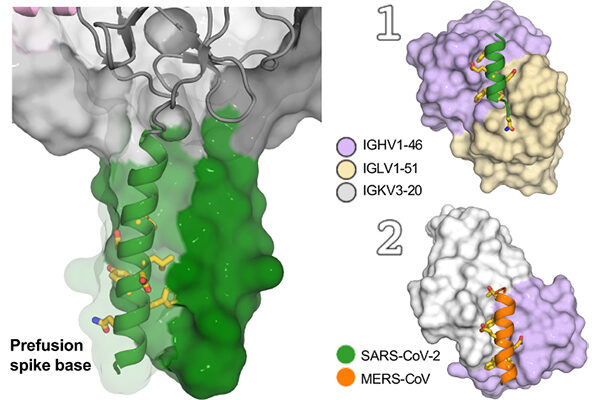
Scientists find human antibodies that can block multiple coronaviruses including SARS-CoV-2
Results from a Scripps Research and UNC team pave the way for a vaccine and therapeutic antibodies that could be stockpiled to fight future coronavirus pandemics.