Scripps Research immunologist Dennis Burton elected to American Academy of Arts and Sciences
May 1, 2026

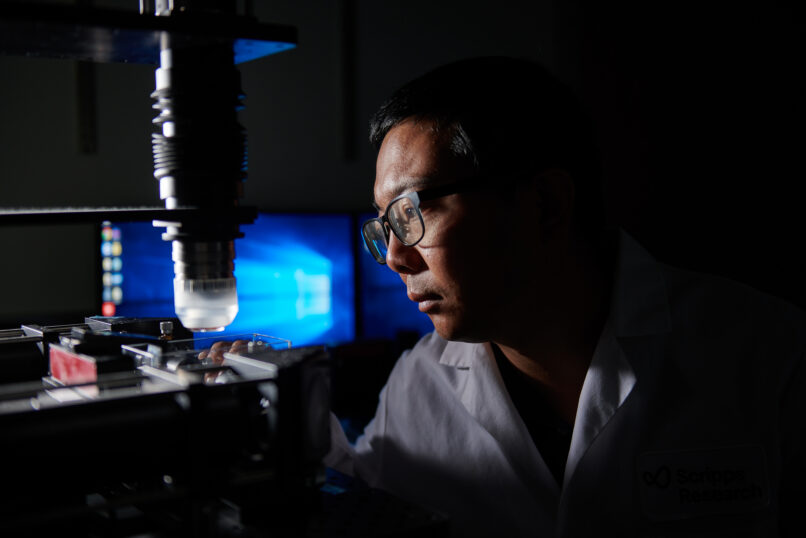
Dennis Burton. Credit: Scripps Research.
LA JOLLA, CA—Dennis Burton, professor and the James & Jessie Minor Chair in Immunology at Scripps Research, has been elected to the 2026 class of the American Academy of Arts and Sciences, one of the nation’s oldest and most prestigious honorary societies.
Burton is widely recognized as a pioneer in the discovery and development of broadly neutralizing antibodies: rare immune proteins capable of targeting diverse strains of viruses. This approach is helping address some of the most challenging infectious diseases, including HIV, influenza and coronaviruses. By isolating and characterizing these antibodies, Burton and his collaborators have laid the groundwork for next-generation vaccines designed to elicit similarly broad and durable immune responses.
A central focus of Burton’s research has been HIV, where he has played a leading role in advancing antibody-based vaccine strategies. He is a director in the Center for HIV/AIDS Vaccine Development (CHAVD), a global initiative aimed at accelerating the design of an effective HIV vaccine. Burton is also the scientific director of the International AIDS Vaccine Initiative (IAVI) Neutralizing Antibody Consortium (NAC), helping translate antibody discoveries into clinical candidates and move promising vaccine concepts from the lab toward human trials.
This year, Burton joins 19 other Scripps Research faculty who have previously been named members of the American Academy of Arts and Sciences.
The Academy, founded in 1780, is one of the oldest learned societies in the United States and is unique in the breadth of its members and the scope of its work, spanning science, art, mathematics and nearly every subject. Since its creation, it has gathered individuals with diverse perspectives to focus on both scholarly and policy issues. Its members have included figures such as Benjamin Franklin, Martin Luther King Jr., Madeleine Albright and Jennifer Doudna.
“We celebrate the achievement of each new member and the collective breadth and depth of their excellence – this is a fitting commemoration of the nation’s 250th anniversary,” says Academy President Laurie Patton. “The founding of the nation and the Academy are rooted in the inextricable links between a vibrant democracy, the free pursuit of knowledge, and the expansion of the public good.”
Burton is invited to the 2026 Induction of new members, held in October 2026 in Cambridge, Massachusetts.


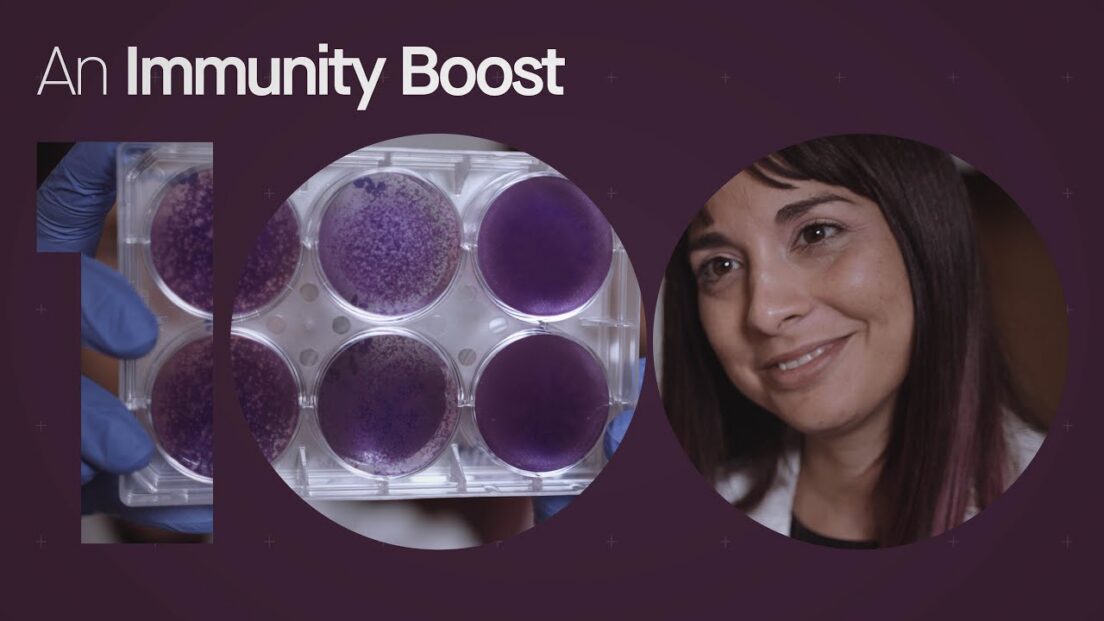
An immunity boost: A century of science changing life
In 1961, pioneering immunologist Frank Dixon established the Department of Experimental Pathology at the Scripps Clinic and Research Foundation, which would later become the basis of Scripps Research. Dixon served as director for 25 years, where his immunological focus would forever shape the institute’s scientific focus—as well as the world’s. Since Dixon’s leadership, scientists at Scripps Research have made countless discoveries revealing how the immune system functions and responds to different diseases. From designing universal vaccines for harmful viruses to uncovering the structures of deadly microbes, we're dedicated to translating our understanding of the immune system to eradicate disease worldwide.

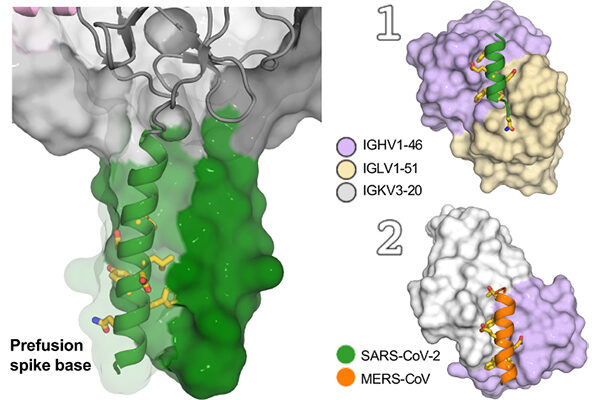
Scientists find human antibodies that can block multiple coronaviruses including SARS-CoV-2
Results from a Scripps Research and UNC team pave the way for a vaccine and therapeutic antibodies that could be stockpiled to fight future coronavirus pandemics.
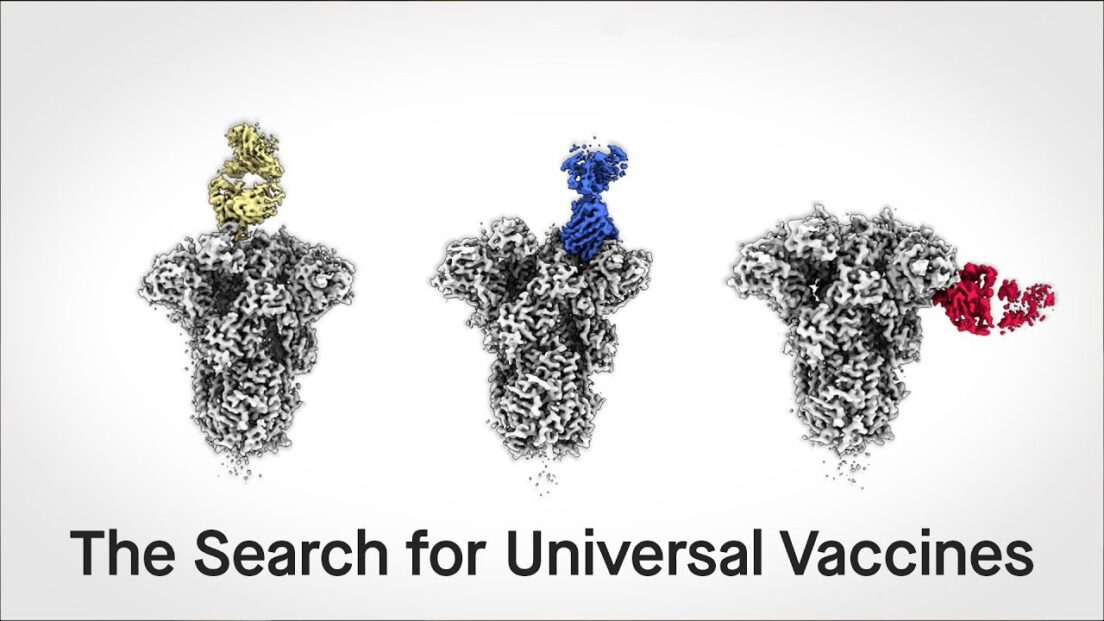
The search for universal vaccines
Scientists at Scripps Research are working to develop universal vaccines capable of neutralizing many variants of a given virus. In recent years, they've made significant progress toward creating universal vaccines for influenza, HIV and coronavirus. In this series, we hear from top scientists in the field about the effort to develop universal vaccines, and the impact these elusive immunizations could have on the world.