News Category: Press Release
-
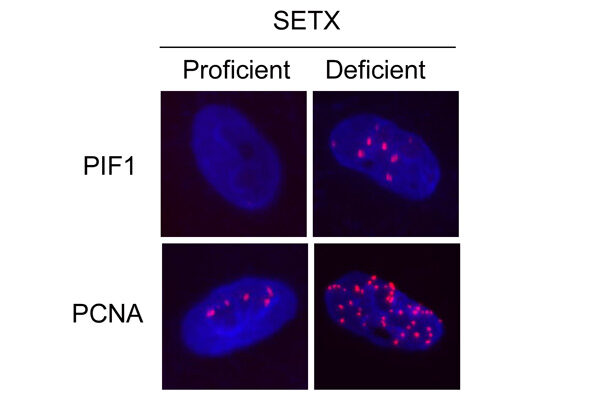
Scientists find cancer weak spot in backup DNA repair system
New findings from Scripps Research reveal how certain tumors survive DNA damage—and point to a strategy for targeting them.
-

Scripps Research scientists receive $1.1 million to advance AI modeling for HIV vaccine development
New AI system helps scientists rapidly pinpoint the most promising paths to an HIV vaccine.
-

Scripps Research scientists honored on Clarivate’s Highly Cited Researchers list
The recognized researchers encompass various areas including chemistry, microbiology, immunology, biochemistry and more.
-
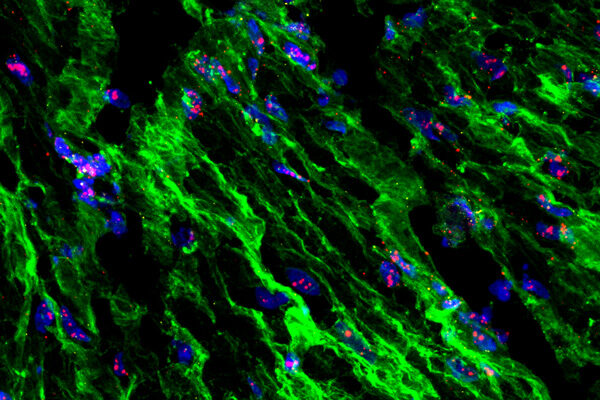
Scripps Research study reveals how uterine contractions are regulated by stretch and pressure during childbirth
Molecular insights could lead to improved labor and pain treatments.
-
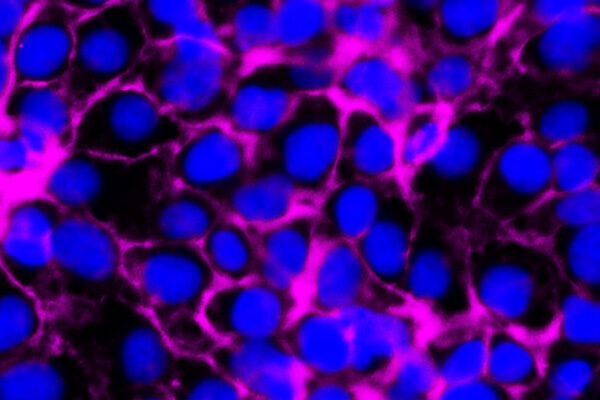
Scripps Research team identifies sugar molecules that trigger placental formation
Study reveals how sugar-protein interactions are critical for the placenta during early pregnancy, shedding light on complications like preeclampsia and restricted fetal growth.
-

Douglas W. Phillips and Steven M. Paul join Scripps Research Board of Directors
Finance and biomedical leaders bring decades of experience in investment strategy and drug development.
-

Scripps Research awarded $6.9 million by NIH to crack the code of lasting HIV vaccine protection
The funding will support a multidisciplinary collaboration of four Scripps Research scientists to identify more effective vaccines to treat HIV.
-

Scripps Research scientists launch new digital clinical trial to test repurposed drug for long COVID symptom relief
Study will investigate whether a GIP/GLP-1 dual receptor agonist, currently approved for type 2 diabetes, obesity and obstructive sleep apnea, can reduce symptoms of long COVID.
-

Scripps Research professor awarded $3.2 million to advance type 1 diabetes research
Support from the National Institute of Diabetes and Digestive and Kidney Diseases will help reveal how a newly discovered rare cell impacts the autoimmune disease.
-

Scripps Research awarded $4 million to advance platform for neurodevelopmental disorders
The California Institute for Regenerative Medicine (CIRM) grant supports the development of a new technology designed to restore normal gene function in select neurodevelopmental disorders.