News Category: Press Release
-
Researchers map key human proteins that power coronavirus replication, pointing to new treatment strategies
Findings from Scripps Research reveal promising drug targets with potential to block coronaviruses at multiple stages of infection—even across different strains.
-

Researchers identify promising new compound to treat tuberculosis
Study led by Scripps Research, Texas A&M and additional institutions highlights that the world’s deadliest infectious disease needs novel, effective antibiotics.
-
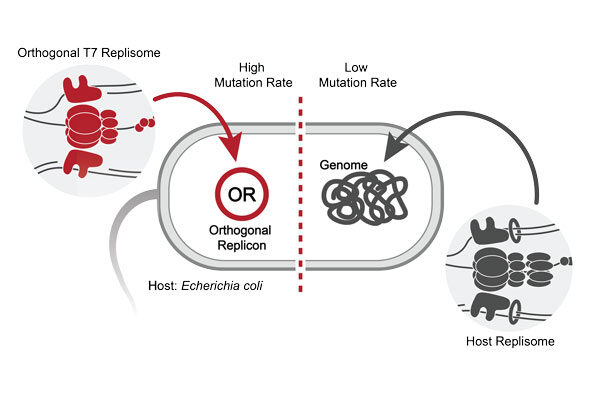
Scientists build an “evolution engine” to rapidly reprogram proteins
A new platform developed at Scripps Research enables fast, scalable protein evolution—opening the door to new therapies and diagnostics, and to predicting resistance mutations across many disease areas.
-
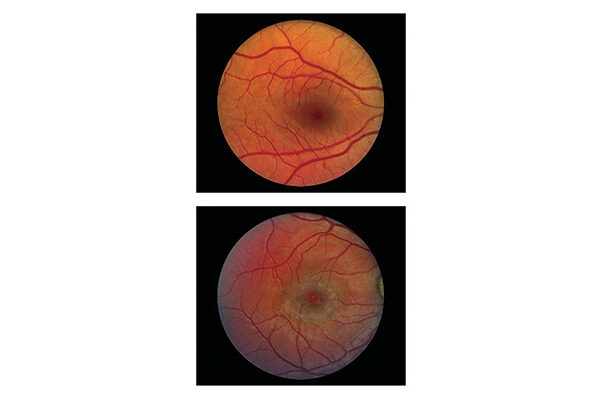
Study confirms long-term benefit of implant for blinding eye disease
Phase 3 trial results from Scripps Research and collaborators helped support FDA approval of ENCELTO, the first cell-based therapy for a neurodegenerative retinal condition called MacTel.
-

AI model detects hidden diabetes risk by reading glucose spikes
Scripps Research scientists reveal how wearable sensors and artificial intelligence could transform the way we detect and manage pre-diabetes.
-

Scripps Research awarded $1.7 million by NIH to advance biomedical data integration and AI-powered discovery
The grant from the National Center for Advancing Translational Sciences (NCATS) supports the ongoing development of the Biomedical Data Translator—an open-source resource to accelerate human health insights.
-
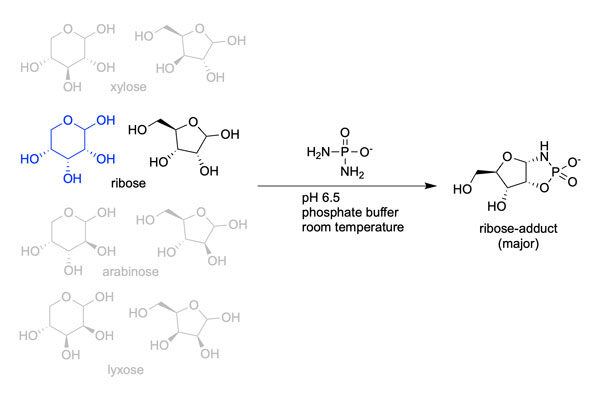
Where did RNA come from?
Origin-of-life scientists from Scripps Research reveal how the sugar ribose may have been selected as one of life’s building blocks.
-

Viome and Scripps Research partner to develop first at-home RNA screening test to prevent colon cancer before it strikes
First-of-its-kind 1,000-patient clinical study will use RNA-based stool and saliva tests to detect colon polyps — early warning signs of colorectal cancer — before they become cancerous.Study aims to enhance colorectal cancer prevention by identifying polyp molecular signals, offering improved sensitivity over at-home DNA tests, which have limited ability to detect precancerous lesions.
-

Tiny chip speeds up antibody mapping for faster vaccine design
By analyzing just a drop of blood, this microchip gives researchers quicker-than-ever insight into how a person’s antibodies are interacting with a virus or other pathogen.
-

Two-part vaccine strategy generates a stronger, longer-lasting immune boost against HIV
Scripps Research scientists’ new approach combines two immune-activating molecules known as adjuvants.