News Category: Press Release
-

Scripps Research’s Skaggs Graduate School ranked #1 in Biological Sciences by U.S. News & World Report
The doctoral program also placed #7 in Chemistry in the publication’s latest issue ranking top science graduate schools.
-
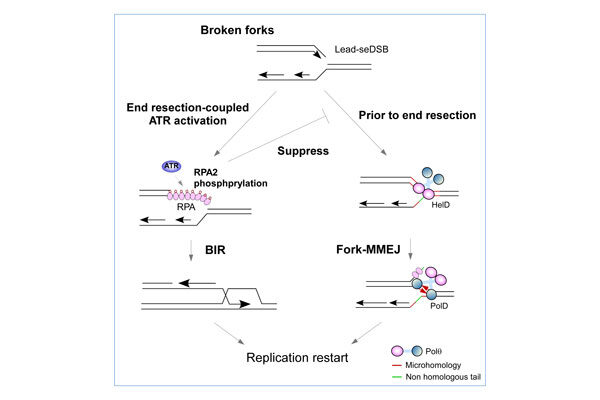
Scripps Research scientists uncover new mechanism cancer cells use to survive DNA damage
Discovery reshapes understanding of how tumor cells repair broken DNA, pointing toward more precise cancer therapies.
-
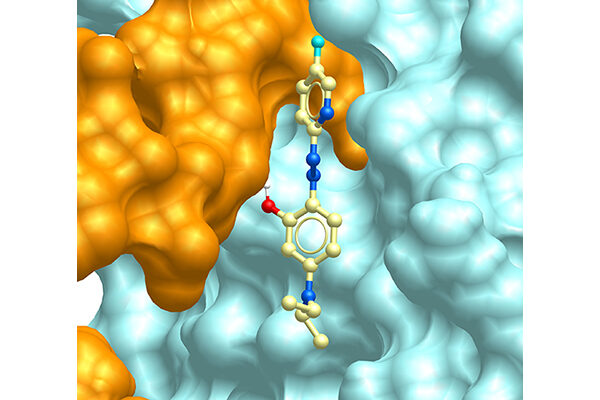
Study shows new drug compounds dial down inflammation without compromising immunity
First-in-class molecules block a specific protein interaction in immune cells, offering a potential targeted approach to autoimmune diseases like lupus and rheumatoid arthritis.
-

Scripps Research scientists awarded nearly $5 million by NIH to investigate cancer growth
Researchers will investigate how a common dietary nutrient may control a hidden layer of gene regulation in cancer cells.
-
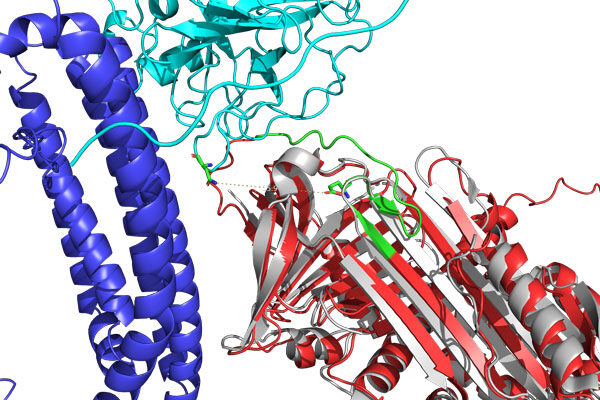
Scientists pinpoint protein shapes that track Alzheimer’s progression
New findings from Scripps Research show that changes in protein shape—rather than quantity of proteins—offer a potential new way to detect and track Alzheimer’s disease.
-
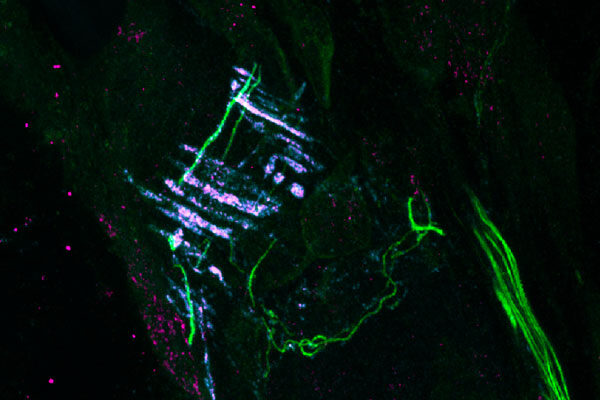
A new clue to how the body detects physical force
Scripps Research scientists offer new insight into how the body detects light touch and how disruptions in that process may contribute to sensory disorders.
-
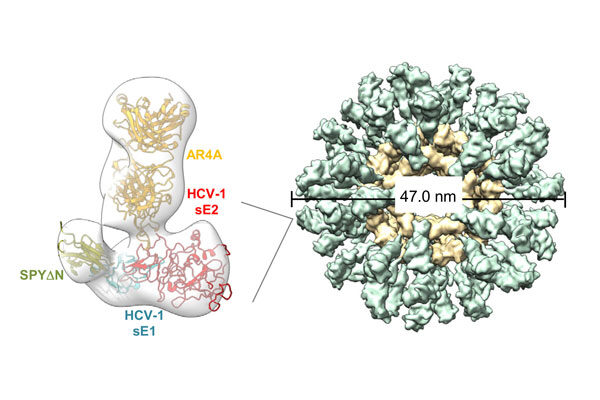
Nanoparticle vaccine approach takes on a new target: Hepatitis C virus
Scripps Research scientists reengineer critical proteins on the surface of HCV, paving the way for a new vaccine design.
-

Scripps Research welcomes healthcare innovator Joe Kiani to the Board of Directors
Kiani brings decades of experience in patient safety and public service.
-
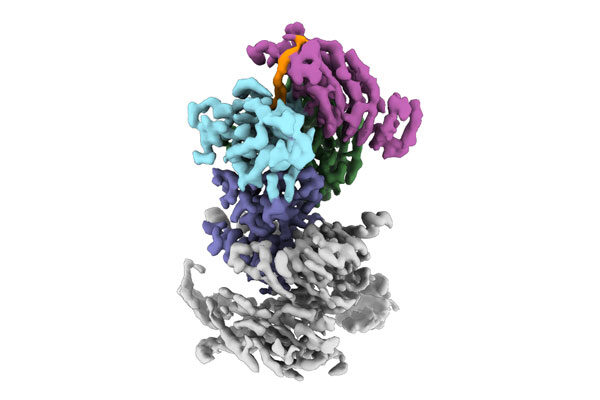
New way to intentionally discover molecular glues could expand drug discovery
Scripps Research scientists and colleagues show how drugs that eliminate certain disease-driving proteins can be discovered systematically rather than by chance.
-
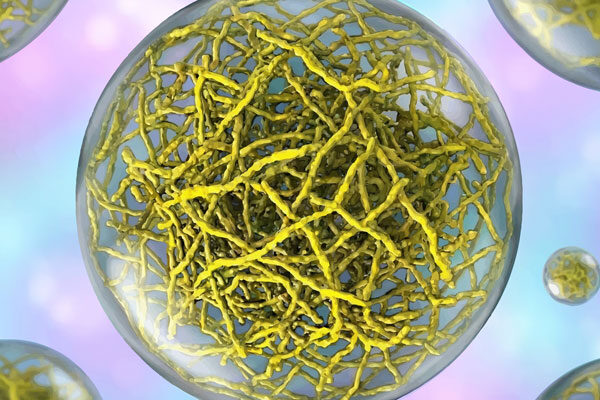
Hidden architecture inside cellular droplets reveals new targets for cancer and neurodegeneration
Scripps Research scientists discover that some membrane-less compartments are built from tiny filaments—a finding that could shape drug development.