

News Category: Press Release
-
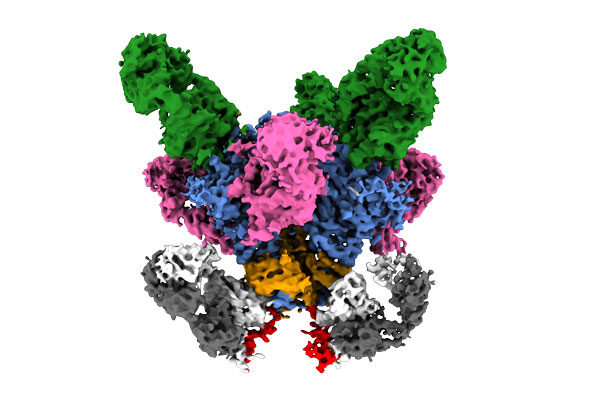
Improving vaccine design for Ebola, HIV and more
Scripps Research scientists and colleagues develop a nanodisc platform that offers a clearer view of how key viral proteins interact with antibodies.
-

NIH expected to award Scripps Research nearly $4.2 million over 5 years to advance tools for vaccine design
Funding will expand methods for studying viral proteins and immune responses in more realistic settings for HIV and other severe pathogens.
-
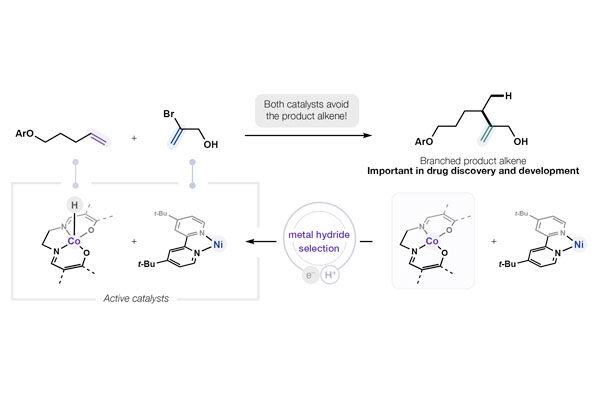
New technique for synthesizing branched molecules could accelerate the development of future medicines
Scripps Research chemists solve a longstanding problem in the construction of branched molecular frameworks, unlocking a faster path to the complex structures found in drugs and materials.
-

Scripps Research’s Skaggs Graduate School ranked #1 in Biological Sciences by U.S. News & World Report
The doctoral program also placed #7 in Chemistry in the publication’s latest issue ranking top science graduate schools.
-
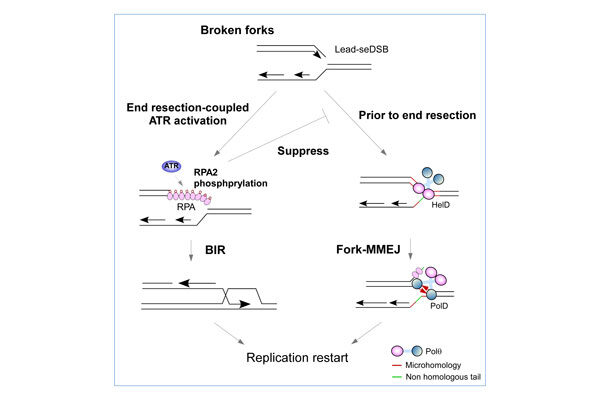
Scripps Research scientists uncover new mechanism cancer cells use to survive DNA damage
Discovery reshapes understanding of how tumor cells repair broken DNA, pointing toward more precise cancer therapies.
-
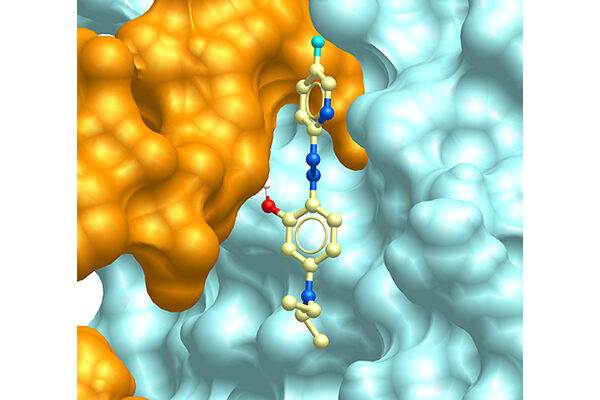
Study shows new drug compounds dial down inflammation without compromising immunity
First-in-class molecules block a specific protein interaction in immune cells, offering a potential targeted approach to autoimmune diseases like lupus and rheumatoid arthritis.
-

Scripps Research scientists awarded nearly $5 million by NIH to investigate cancer growth
Researchers will investigate how a common dietary nutrient may control a hidden layer of gene regulation in cancer cells.
-
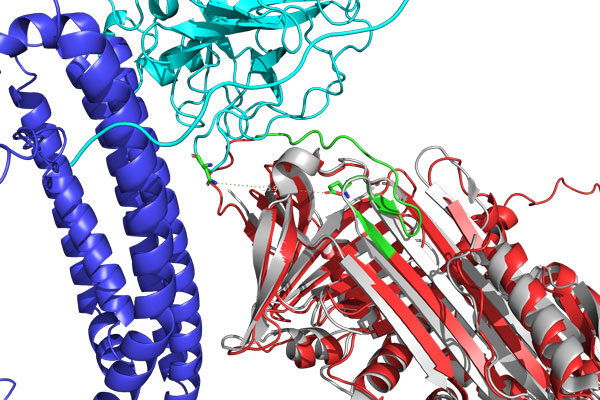
Scientists pinpoint protein shapes that track Alzheimer’s progression
New findings from Scripps Research show that changes in protein shape—rather than quantity of proteins—offer a potential new way to detect and track Alzheimer’s disease.
-
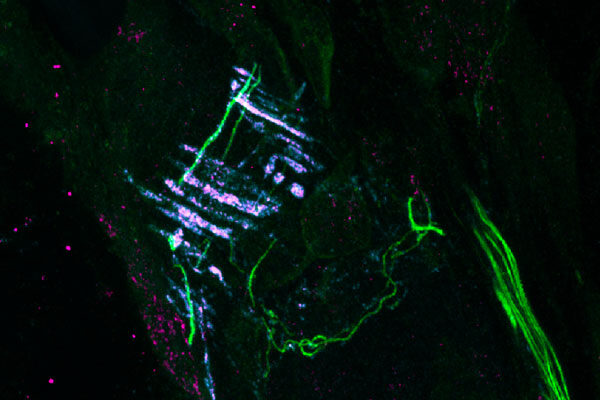
A new clue to how the body detects physical force
Scripps Research scientists offer new insight into how the body detects light touch and how disruptions in that process may contribute to sensory disorders.
-
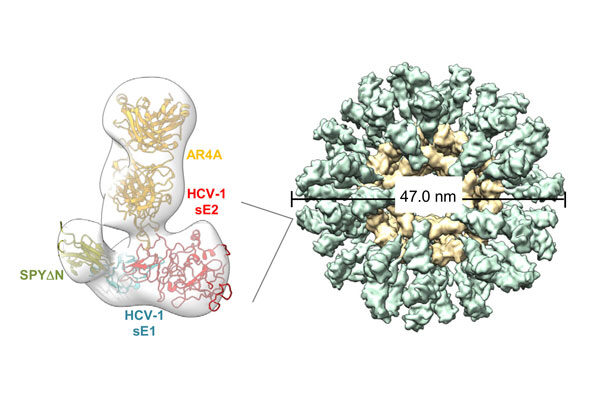
Nanoparticle vaccine approach takes on a new target: Hepatitis C virus
Scripps Research scientists reengineer critical proteins on the surface of HCV, paving the way for a new vaccine design.