
Scripps Research awarded $7M to catalyze pain and addiction initiative
November 20, 2026
LA JOLLA, CA—Despite its enormous impact on individuals, families and communities, addiction remains an area of significant unmet medical need.
A $7 million gift from an anonymous donor is setting in motion an ambitious vision at Scripps Research: a future center where scientists across disciplines work to prevent addiction, uncover its origins in the brain and develop better treatments.
This initial seed funding is laying the groundwork for the center, which will build on Scripps Research’s longstanding strengths in neuroscience, chemistry, immunology and drug discovery. Its work will span three interconnected areas of study: identifying safer, nonaddictive approaches to pain relief; mapping the biological changes in the brain that contribute to addiction; and translating those discoveries into new treatments for people living with substance use disorders. The donor hopes this initial investment will inspire others to join the effort and help grow the initiative into a fully realized center.
“Pain and addiction affect millions of people, yet we still have enormous gaps in our understanding of the underlying biology,” says Nobel laureate and Scripps Research professor Ardem Patapoutian, PhD. “This generous philanthropic gift provides the opportunity to bring some of the best scientific minds together to tackle these challenges from multiple directions.”
Because opioid dependence often begins with a need to manage pain, the initiative’s first area of study focuses on identifying treatments that relieve pain without the risk of dependence. Scientists will build on Scripps Research’s deep expertise in the biology of pain, from decoding the molecular sensors that detect touch, pressure and temperature to mapping the neural circuits that shape how pain is experienced.
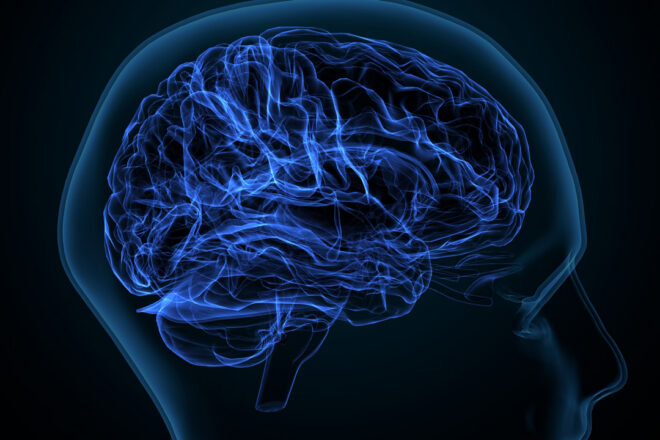
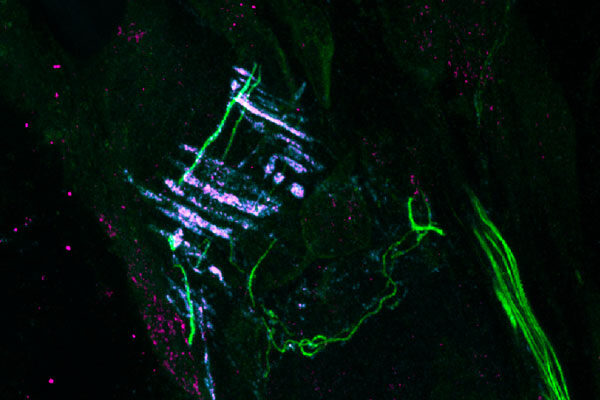
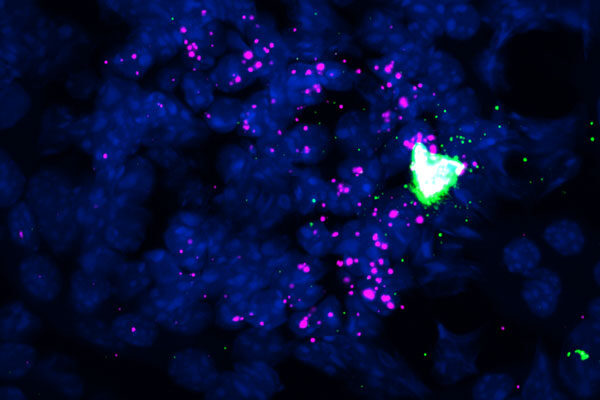
The initiative will also seek to expand an understanding of how addiction changes the brain. Repeated exposure to alcohol and other drugs can reshape the systems that regulate reward, stress and motivation, helping explain why addiction can persist even when a person is strongly motivated to stop. Researchers will examine these changes across scales, from gene expression in individual cells to the circuits that drive craving, withdrawal and relapse—using tools that include deep sequencing, advanced imaging and artificial intelligence to integrate the data and identify new targets for intervention.
In the third area of study, scientists will aim to translate these discoveries into new treatments. Through the Calibr-Skaggs Institute for Innovative Medicines, Scripps Research’s drug discovery arm, validated targets would move from the laboratory toward drug development. This includes approaches that act on opioid receptors implicated in pain and addiction, medicines that address the stress signaling and heightened pain sensitivity that can drive relapse, and therapies aimed at reducing craving.
“Ultimately, the initiative aims to create a shared scientific hub where researchers across labs and disciplines can collaborate on questions larger than any single lab could tackle alone,” Patapoutian adds.