Antibodies co-invented by Scripps Research and IAVI to be developed as a potential COVID-19 therapy
October 26, 2020
LA JOLLA, CA—Immunologists at Scripps Research, in partnership with colleagues at the IAVI Neutralizing Antibody Center, published a key discovery in June that’s now on its way to becoming a widely available treatment for COVID-19.
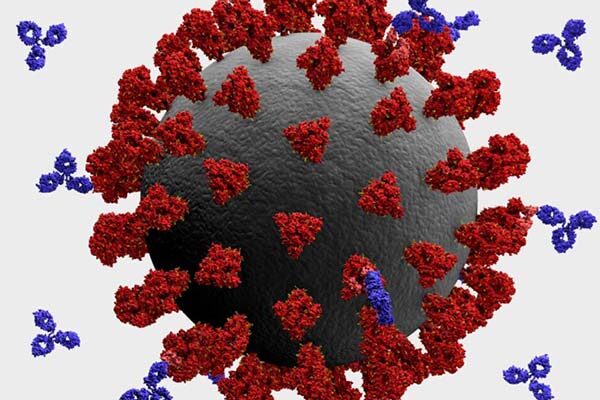
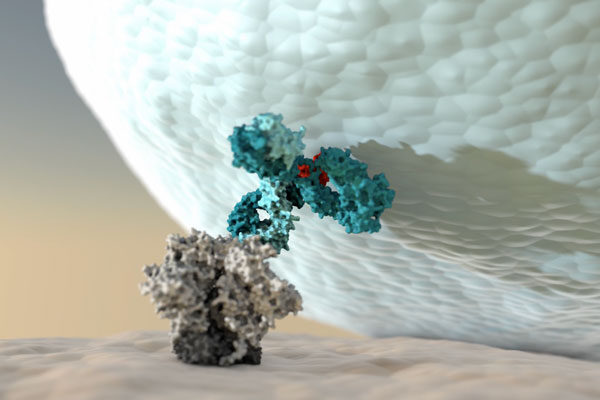
As detailed in the journal Science, the team found that certain antibodies in the blood of recovered COVID-19 patients were capable of potently neutralizing SARS-CoV2, the virus that’s driving the pandemic. Animals that received these antibodies were protected against COVID-19 after being exposed to SARS-CoV-2.
Today, this portfolio of antibodies serves as the foundation of a global program with potential to treat and prevent not only COVID-19, but also other coronaviruses that may arise or re-emerge in the future. IAVI announced an agreement with two large pharmaceutical companies—Merck KGaA, Darmstadt, Germany and Serum Institute of India—that will leverage their distinct geographic footprints and infrastructure to develop the antibodies into treatments that could be made available around the world. A phase 1 clinical trial is expected to start early in 2021.
“The accelerated discovery of highly potent SARS-CoV-2 neutralizing antibodies by IAVI and Scripps Research scientists was achieved by a tremendous collaborative effort of a team committed to translating state-of-the-art monoclonal antibody science into public health interventions,” says Dennis Burton, PhD, professor and chair of the Department of Immunology and Microbiology Scripps Research, scientific director of the IAVI Neutralizing Antibody Center and director of the NIH Scripps Consortium for HIV/AIDS Vaccine Development (CHAVD).
If the antibody candidates are effective in clinical trials, either as a single antibody or as a combination, Merck KGaA will lead commercialization in developed countries and Serum Institute will lead global manufacturing, as well as commercialization in low- and middle-low-income countries, including India. Serum Institute is the world’s largest producer of vaccines.
A central goal of the agreement is to ensure equitable global access to the potential antibody therapy, a goal that’s also a cornerstone of IAVI’s mission. IAVI recently published a global call to action that highlights both the transformative nature of monoclonal antibody treatments and the glaring lack of access to such drugs in low- and middle-income countries.
Under the agreement, IAVI will work with Merck KGaA and Serum Institute to conduct an accelerated preclinical and clinical research program to evaluate the antibodies for treatment of COVID-19.
As Burton noted in a recent Nature Biotechnology article, antibody therapies are urgently needed for pandemic response and will likely continue to be needed even after a vaccine is available—especially for those who may not benefit from vaccination due to age or medical conditions.
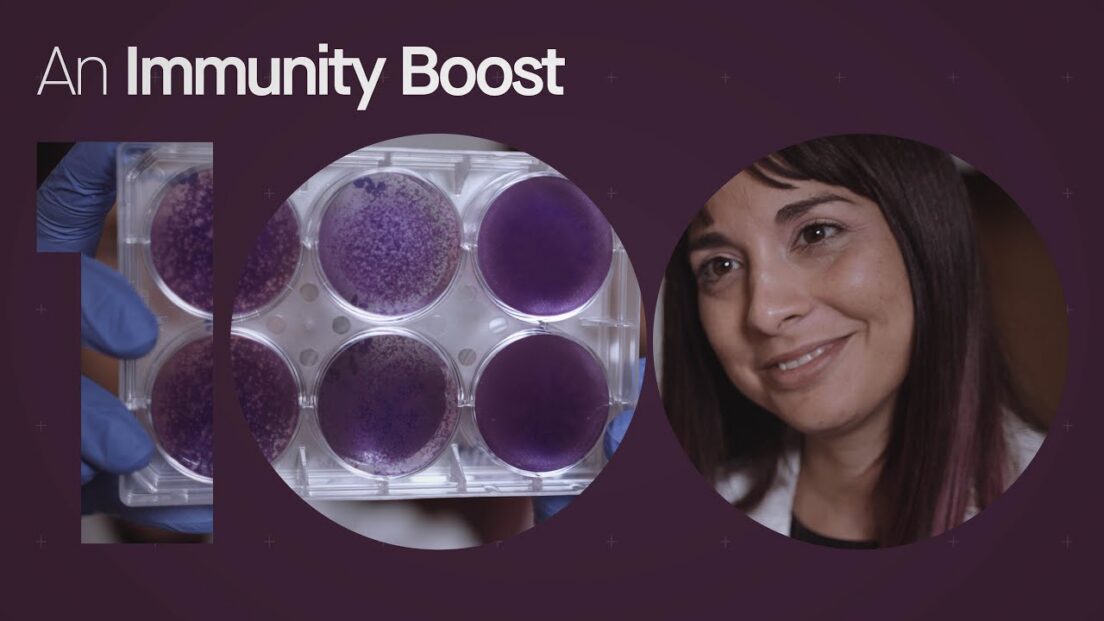
An immunity boost: A century of science changing life
In 1961, pioneering immunologist Frank Dixon established the Department of Experimental Pathology at the Scripps Clinic and Research Foundation, which would later become the basis of Scripps Research. Dixon served as director for 25 years, where his immunological focus would forever shape the institute’s scientific focus—as well as the world’s. Since Dixon’s leadership, scientists at Scripps Research have made countless discoveries revealing how the immune system functions and responds to different diseases. From designing universal vaccines for harmful viruses to uncovering the structures of deadly microbes, we're dedicated to translating our understanding of the immune system to eradicate disease worldwide.
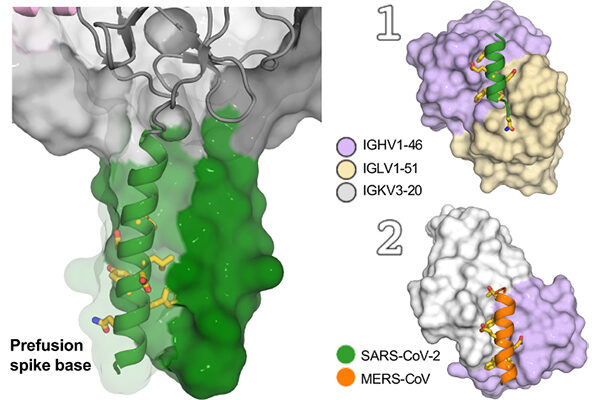
Scientists find human antibodies that can block multiple coronaviruses including SARS-CoV-2
Results from a Scripps Research and UNC team pave the way for a vaccine and therapeutic antibodies that could be stockpiled to fight future coronavirus pandemics.