TSRI-Invented Compound Ozanimod Shows Positive Results in Late-Stage Clinical Trial for Relapsing Multiple Sclerosis
February 21, 2017
February 21, 2017 – Results from a new Phase 3 study conducted by the Celgene Corporation demonstrate that ozanimod, a drug candidate originally discovered and optimized at The Scripps Research Institute (TSRI), can reduce the frequency of multiple sclerosis relapse.
Relapsing multiple sclerosis is a form of the disease where patients experience a periodic worsening of symptoms. Sensory and motor loss of function leads to increased disability, and patients can need a cane or wheelchair. A signature of the disease is the appearance of lesions in the brain, which are linked to inflammation and can show up through MRI detection during active periods of multiple sclerosis relapse.
Ozanimod, discovered by TSRI Professors Hugh Rosen and Ed Roberts and their laboratories, acts as a sphingosine 1-phosphate 1 (S1PR1) receptor agonist—modulating S1PR1 signaling and blocking sources of inflammation. Rosen and Roberts went on to co-found Receptos, a clinical stage biopharmaceutical company that took ozanimod into Phase 1, 2 and 3 clinical trials and was then acquired by Celgene. Ozanimod is the first New Chemical Entity discovered from a starting point in the NIH Common Fund Molecular Libraries Initiative to reach and succeed in advanced clinical studies.
As reported by Celgene, results from the randomized, Phase 3, double-blind, double-dummy, active-controlled SUNBEAM study among 1,346 participants show that ozanimod met its primary endpoint in reducing annualized relapse rate (ARR) of relapsing multiple sclerosis, compared with an alternate drug treatment called weekly interferon (IFN) β-1a (Avonex®).
Administered at doses of both 1 mg and 0.5 mg, ozanimod demonstrated statistically significant and clinically meaningful improvements, compared to Avonex®, for the primary endpoint of ARR and the measured secondary endpoints of the number of MRI-detected lesions and the number of new or enlarging “T2” MRI lesions at after a year of treatment.
“It is exciting and rewarding to see the results of this new Phase 3 trial, which confirm the safety profile from the two-year extension data from the Phase 2 RADIANCE study and underscore ozanimod’s efficacy in reducing the burden of MS symptoms on patients and their families,” said Rosen. “We look forward to seeing the full study results, as well as the results from the Phase 3 study evaluating ozanimod in patients with ulcerative colitis.”
Scientists involved in the trial plan to present the full Phase 3 trial results at an upcoming international scientific meeting.




Hugh Rosen: A physician-scientist’s guide to developing medicines
More than 90% of drugs fail to make it from the lab bench to approval. How, then, has a physician-scientist like Hugh Rosen found so much success in developing medicines? Rosen, who’s the chair of the Molecular and Cellular Biology Department and the Pearson Family Chair at Scripps Research, co-invented the drugs ozanimod (approved for multiple sclerosis and ulcerative colitis) and navacaprant (in Phase 3 trials for major depressive disorder). In this episode of Science Changing Life, listen in as Rosen unveils the success stories behind these groundbreaking treatments—shedding light on the challenges and triumphs shaping modern medicine.

Bringing precision therapy to mental disorders
Mental disorders like depression and schizophrenia affect the lives of millions of people around the world, and yet, available treatment options have remained the same for decades. In this Front Row lecture, Scripps Research professor Hugh Rosen shared how his pioneering research has led to the development of the drug navacaprant, which precisely targets one of the brain’s behavioral circuits and is currently in clinical testing for major depressive disorder. Harnessing his expertise as a physician-scientist, Rosen has discovered and developed multiple other medicines, including ozanimod—a breakthrough treatment approved for multiple sclerosis and ulcerative colitis.
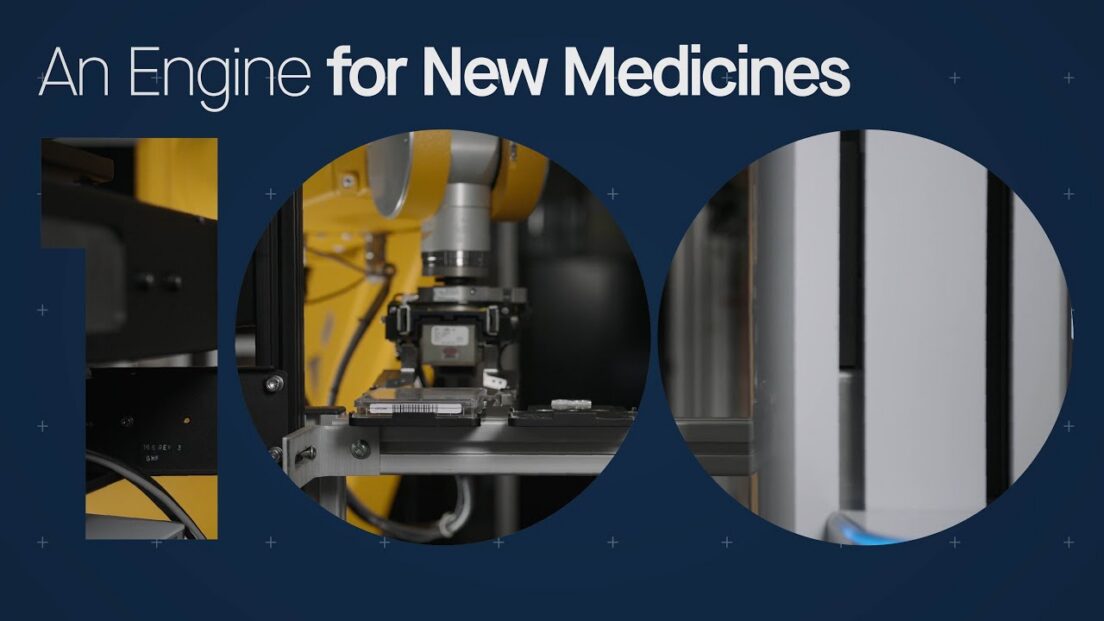
An engine for new medicines: A century of science changing life
Calibr, a nonprofit research institute founded by Scripps Research President and CEO Pete Schultz, joined Scripps Research in 2018 as its drug discovery division. As a world-class nonprofit “bench to bedside” drug discovery engine, Calibr delivers groundbreaking solutions to unmet medical needs by uniting the creativity of fundamental discovery with highly focused R&D capabilities and expertise.